


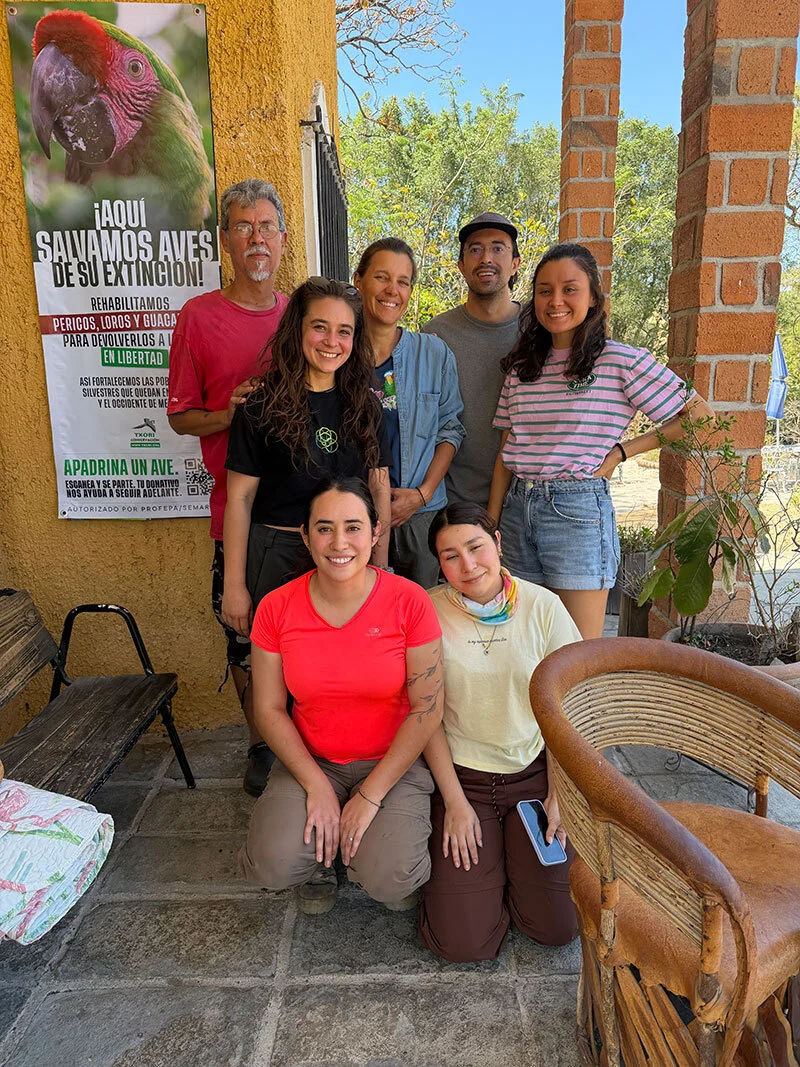
The once vibrant forests of western Mexico, which echoed with the distinctive, raucous calls and flashed with the brilliant plumage of large, wild populations of Military Macaws ( Ara militaris ), are now largely silent. Decades of relentless illegal logging, unchecked urban expansion, and devastating wildlife trafficking have pushed these magnificent birds to the brink, classifying them as being at a high risk of extinction. Today, the sight of a flock of Military Macaws soaring freely in their natural habitat has become an exceedingly rare and poignant occurrence. However, a significant beacon of hope has emerged from the dedicated efforts of the Txori Foundation, which is meticulously preparing a flock of these endangered birds for a monumental return to the wild. This ambitious initiative, slated for March 2027, aims not only to bolster the species’ dwindling numbers but also to reignite the ecological balance of Mexico’s vital biological corridors.
The Precipitous Decline of the Military Macaw
The Military Macaw, named for its olive-green plumage reminiscent of military fatigues, is a large, striking parrot native to forests in Mexico and parts of Central and South America. Historically, its range in Mexico extended across the Sierra Madre Occidental and Oriental, inhabiting diverse environments from semi-arid thorn scrub to tropical deciduous and evergreen forests. These intelligent, long-lived birds play a crucial ecological role as seed dispersers, contributing significantly to forest regeneration and biodiversity. Their social structure, characterized by monogamous pair bonds and communal roosting, makes them a charismatic and integral part of their ecosystem.
However, the past half-century has witnessed a catastrophic decline in their populations. The primary drivers of this crisis are multifaceted and interconnected. Illegal logging operations have systematically decimated their old-growth forest habitats, destroying nesting sites and foraging grounds. The expansion of human settlements and agricultural frontiers has further fragmented and degraded their remaining territories, pushing them into ever smaller, isolated pockets. Perhaps most devastating has been the rampant illegal wildlife trade. Military Macaws, prized for their beauty and intelligence, are highly sought after in the pet trade, leading to relentless poaching of chicks from nests and adult birds. This illicit activity not only removes individuals from the wild but also disrupts breeding cycles and social structures, severely undermining the species’ ability to recover naturally.
According to data from the International Union for Conservation of Nature (IUCN), the Military Macaw is classified as "Vulnerable," indicating a high risk of extinction in the wild. Some regional populations, like those in western Mexico, face even more severe threats, with local extirpations already occurring. Conservation biologists estimate that wild populations have declined by more than 30% over the last three generations, with ongoing threats showing no signs of abatement without concerted intervention. The dwindling numbers have led to increased genetic isolation, making remaining populations more susceptible to disease and environmental changes.
The Txori Foundation: Decades of Dedication to Mexican Wildlife
Established in 1989, the Txori Foundation emerged as a direct response to Mexico’s escalating environmental crises, particularly the rapid degradation of its rich biodiversity. While the original article’s mention of "well over a century" might be a stylistic emphasis on deep commitment rather than literal age, the foundation has undeniably built a formidable legacy over several decades, dedicating itself to the conservation of Mexico’s unique flora and fauna. Its mission has consistently focused on wildlife rescue, rehabilitation, and habitat preservation, often operating on the front lines of environmental protection. Over its operational history, the Txori Foundation has undertaken numerous projects, from rescuing big cats and primates to rehabilitating birds of prey, always with the ultimate goal of reintroduction where feasible.
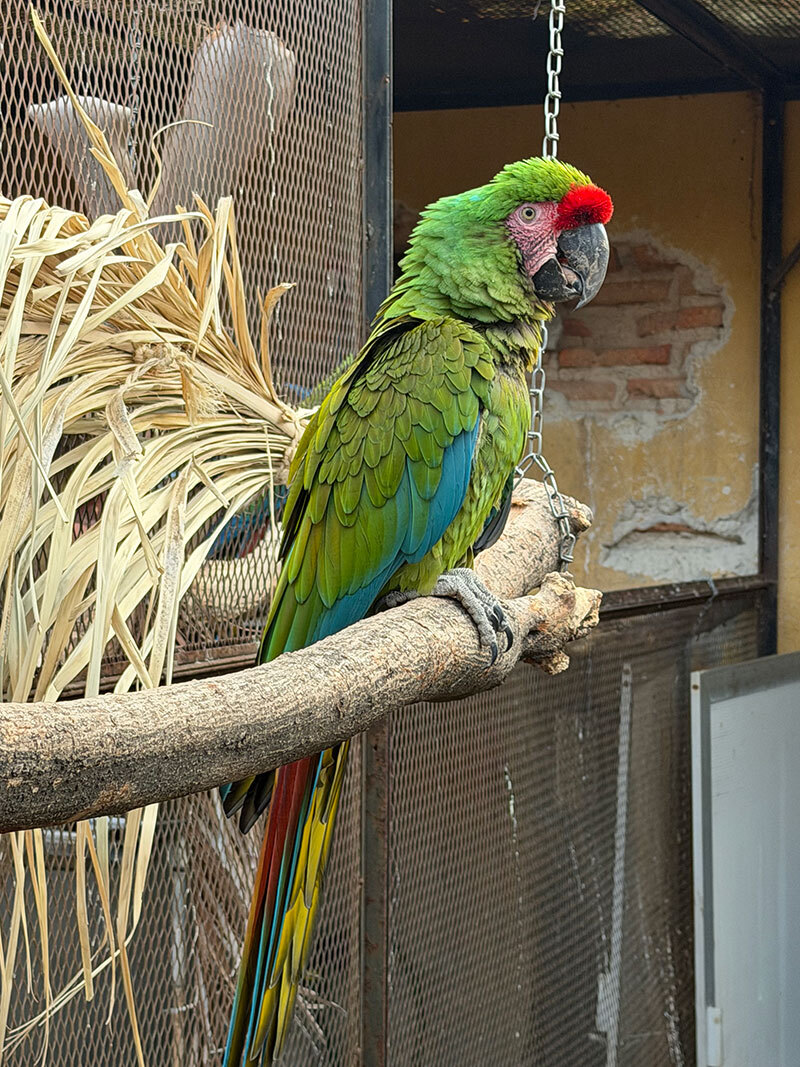
Their current, and arguably most critical, mission centers around a carefully selected flock of 16 Military Macaws residing at their sanctuary. These birds represent a diverse group, many of whom are victims of the very threats that have ravaged their wild counterparts – rescued from trafficking operations, abusive captivity, or found injured in encroaching human settlements. The foundation’s long-standing experience in avian rehabilitation positions them uniquely to undertake such an ambitious reintroduction program. This project is not merely about releasing birds; it is about restoring a piece of Mexico’s natural heritage and demonstrating the tangible impact of sustained conservation efforts.
A Meticulous Path to Freedom: The Rehabilitation Program
The journey for these 16 Military Macaws from captivity to potential freedom is an intensive, multi-stage process designed to equip them with the full suite of survival skills necessary to thrive in the wild. Upon arrival at the sanctuary, each bird undergoes a thorough veterinary assessment, addressing any injuries, nutritional deficiencies, or psychological trauma sustained during their previous circumstances. This initial phase often involves extensive medical care, specialized diets, and a period of acclimatization to a more natural, spacious environment than they may have previously experienced.
The core of the rehabilitation program is supervised by a specialized, multidisciplinary team whose expertise spans various fields critical to avian reintroduction. This passionate network includes:
- Veterinary Specialists: Responsible for the ongoing health and well-being of the macaws, managing diet, preventing disease, and providing immediate medical care as needed. They monitor physical condition, ensure proper feather growth, and administer vaccinations.
- Avian Behaviorists: Tasked with observing and shaping the birds’ natural behaviors. This includes encouraging foraging skills, teaching recognition of natural predators, promoting social interaction within the flock, and developing strong flight capabilities. They employ enrichment strategies that mimic wild conditions, such as hiding food, introducing natural substrates, and varying perching structures.
- Ornithologists: Experts in bird biology and ecology, who provide critical insights into the natural history of Military Macaws, their dietary needs, preferred habitat characteristics, and social dynamics. They help design training protocols that align with the species’ innate behaviors.
- Rehabilitation Technicians: Daily caregivers who implement the behaviorists’ plans, monitor individual bird progress, and ensure the sanctuary environment is conducive to skill development. They manage feeding schedules, clean enclosures, and provide essential human-bird interaction that, while limited, ensures the birds remain accustomed to observation without becoming overly habituated.
- Security Personnel: Crucial for protecting the birds within the sanctuary from external threats, including potential poachers or disturbance, ensuring a safe and stable environment for rehabilitation.
- Habitat Specialists: Working to identify and prepare the specific release sites within the original biological corridors, ensuring they possess adequate food sources, nesting cavities, and protection from human encroachment. They also assess potential risks and develop post-release monitoring strategies.
The training regimen is rigorous and progressive. It begins with basic flight conditioning in large aviaries, gradually increasing in complexity to include long-distance flights, maneuvering through obstacles, and responding to natural cues. The macaws are taught to identify and forage for native foods, distinguish between safe and toxic plants, and recognize warning calls from other wild birds. Predator avoidance training, often involving simulations with raptor decoys or controlled exposure to perceived threats, is also a critical component. Socialization within the flock is paramount, as macaws are highly social animals; strengthening these bonds ensures cohesive group behavior essential for survival in the wild.
The ultimate objective of this massive, coordinated effort is to reintroduce the flock to their original biological corridors in western Mexico. This strategic placement aims to help naturally repopulate the species, allowing them to integrate with any existing fragmented wild populations, enhance genetic diversity, and spark a true, self-sustaining recovery for Mexico’s wild macaw populations. The success of such a project extends beyond the individual birds; it represents a crucial step towards ecological restoration.
The Countdown to March 2027: A Race Against Time and Funding
The ambitious grand release of these 16 Military Macaws is provisionally scheduled to take place in March 2027. This timeline allows for sufficient time to complete the intensive rehabilitation program, secure necessary permits from environmental authorities, and finalize logistical arrangements for the release. However, as a privately funded conservation project, the Txori Foundation faces the ongoing, uphill challenge of securing steady and substantial financial resources. The journey from rescue to reintroduction is incredibly costly, demanding significant investment in infrastructure, personnel, and ongoing care.
Before the aviary doors can open, marking the birds’ momentous return to freedom, the Foundation must hit its fundraising goals to cover essential, non-negotiable costs. These include:
- Ongoing Veterinary Care and Nutrition: Maintaining the birds’ health throughout their rehabilitation requires specialized diets, regular check-ups, medication, and emergency veterinary services, which are considerable for 16 large parrots.
- Enclosure Maintenance and Upgrades: The large, specialized aviaries designed for rehabilitation require constant upkeep, repairs, and enhancements to simulate natural environments and ensure the birds’ safety and comfort. This includes natural perching, enrichment toys, and robust security measures.
- Specialized Training Equipment: Tools for flight conditioning, predator aversion training, and foraging skill development are essential and often custom-made.
- Satellite Tracking Devices: Post-release monitoring is critical to assess the success of the reintroduction. Small, bird-safe satellite transmitters attached to the macaws will allow the team to track their movements, monitor their foraging patterns, identify potential threats, and understand their adaptation to the wild. This technology is expensive but invaluable for data collection and future conservation strategies.
- Personnel Salaries: The multidisciplinary team of experts—veterinarians, behaviorists, ornithologists, technicians, and security staff—requires sustained funding to ensure their continued dedication to the project. Their expertise is the backbone of the rehabilitation process.
- Habitat Restoration and Protection: Prior to release, efforts must be made to ensure the chosen release sites are as secure and abundant as possible. This may involve local community engagement, anti-poaching patrols, and small-scale reforestation efforts.
- Permitting and Legal Compliance: Navigating the complex regulatory landscape for wildlife reintroduction in Mexico requires legal expertise and covers various administrative fees.
- Emergency Contingency Funds: Unexpected events, such as health crises for the birds, environmental disturbances, or security breaches, necessitate a reserve fund to ensure the project can adapt without interruption.
The Txori Foundation actively engages in fundraising campaigns, seeking donations from individuals, corporations, and grant-making organizations. Public awareness and support are paramount, as the scale of this undertaking surpasses typical operational budgets.
A Second Chance for More Rescues and Broader Impact
The success of the March 2027 release stretches far beyond the initial 16 birds. It represents a pivotal moment for the Txori Foundation and the broader conservation community. Once this current flock takes flight into freedom, critical space will become available at the sanctuary. This newly opened aviary space will allow the Txori Foundation to take in a new wave of Military Macaws and potentially other endangered avian species that have been victims of the relentless illegal wildlife trade, abuse, or habitat destruction.
This continuous cycle of rescue, rehabilitation, and reintroduction is fundamental to the foundation’s long-term vision. Each successful release not only contributes directly to wild populations but also reinforces the efficacy of their conservation model. It provides tangible evidence that with sustained effort and resources, endangered species can be given a second chance. The project also serves as an invaluable learning experience, allowing the foundation to refine its protocols, improve rehabilitation techniques, and contribute to the global body of knowledge on avian reintroduction.
Furthermore, the initiative carries significant implications for local communities. The presence of healthy macaw populations can become a draw for ecotourism, offering sustainable economic alternatives to activities that exploit natural resources. Educational programs linked to the reintroduction can foster a sense of pride and stewardship among local residents, transforming them into active partners in conservation rather than passive observers.
Collaboration and Community Engagement: The Pillars of Success
The road to successful conservation, particularly for a species facing such severe threats, is undeniably challenging. However, the Txori Foundation remains deeply encouraged by the community’s growing interest and willingness to collaborate. This project is not a solitary endeavor; its success hinges on a network of partnerships. This includes collaboration with governmental environmental agencies (like SEMARNAT and PROFEPA in Mexico), local universities for scientific research and monitoring, and, crucially, the indigenous and local communities residing near the designated release sites.
Engaging local communities is paramount for the long-term viability of any reintroduction project. Education and outreach programs are being developed to raise awareness about the importance of Military Macaws, the threats they face, and how local residents can contribute to their protection. This might involve training community members in anti-poaching surveillance, sustainable land management practices, or even becoming citizen scientists who help monitor the released birds. By fostering a sense of ownership and shared responsibility, the Txori Foundation aims to create a protective buffer around the macaws’ re-established habitats.
Looking Ahead: The Future of Mexican Biodiversity
The Txori Foundation’s ambitious reintroduction of Military Macaws is more than just a wildlife project; it is a profound statement about humanity’s capacity for restoration and hope. It underscores the critical need for continued vigilance against illegal wildlife trade, robust environmental protection policies, and sustainable development practices. The success of this initiative could serve as a powerful model for other endangered species facing similar predicaments across Mexico and beyond.
By supporting these tireless efforts—whether through spreading awareness about the upcoming 2027 release, advocating for stronger conservation policies, or contributing directly to the Txori Foundation’s fundraising goals—parrot lovers and environmental advocates alike can play a direct, tangible role in ensuring that the vibrant colors and joyous calls of the Military Macaw once again fill the skies of western Mexico, not as a rare spectacle, but as a thriving testament to dedicated conservation. The future of Mexican biodiversity, and indeed, global ecological health, depends on such courageous and committed endeavors.

