


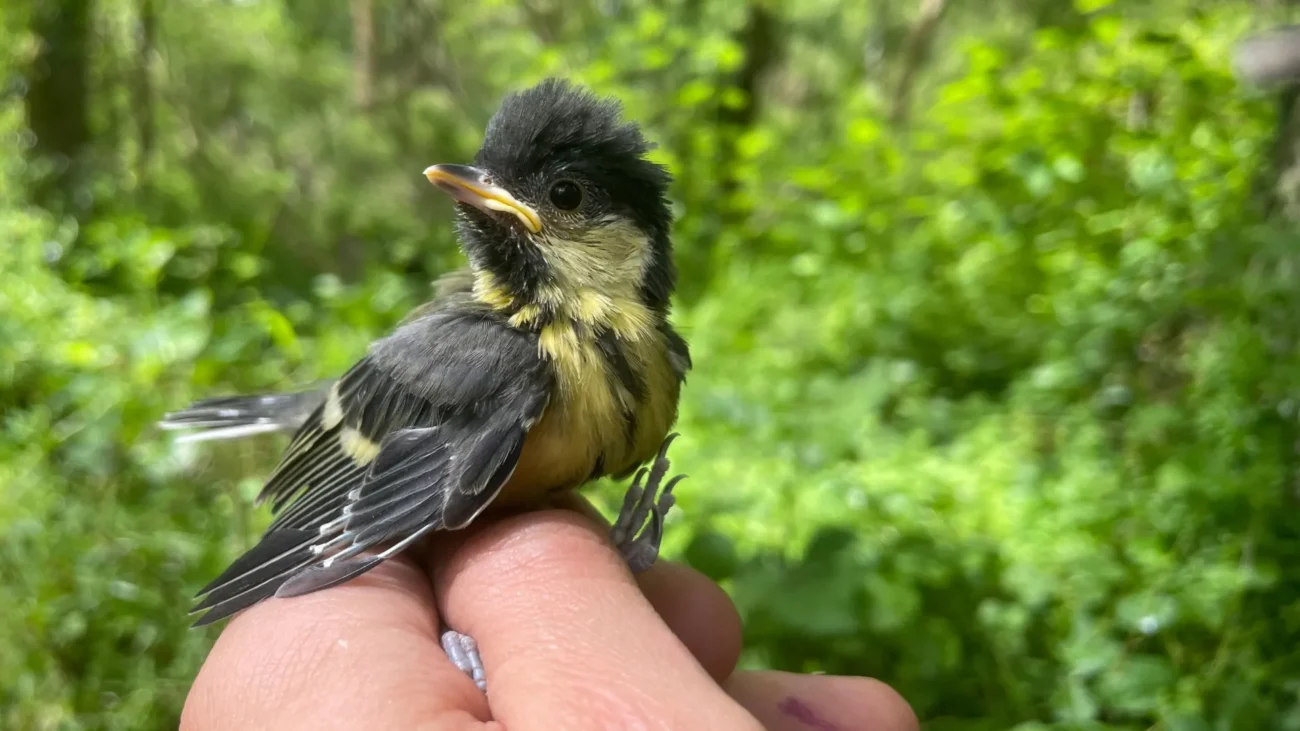
A groundbreaking six-decade study conducted by the University of Oxford, published on March 11th, has unveiled a stark reality for the United Kingdom’s burgeoning great tit population: sudden cold spells and prolonged heavy rainfall are significantly hindering their growth and diminishing their chances of survival. The research, however, also offers a crucial insight into adaptation, suggesting that birds initiating their breeding cycles earlier in the spring may be better equipped to circumvent many of the detrimental consequences associated with these increasingly volatile weather phenomena.
The findings stem from an exceptionally comprehensive dataset, meticulously compiled over 60 years. Scientists delved into extensive records encompassing over 80,000 individual wild great tits inhabiting the renowned Wytham Woods in Oxford. This invaluable historical data was then meticulously correlated with detailed daily meteorological records. By pinpointing the coldest, wettest, and hottest days that punctuated each breeding season, researchers were able to quantify the frequency of these extreme weather events during critical phases of chick development. Crucially, they measured the subsequent impact on the body mass of nestlings upon fledging – a well-established indicator of their likelihood of survival into adulthood.
The Harsh Realities of Cold and Rain on Nestling Survival
The Oxford study’s revelations highlight the particularly devastating impact of severe cold experienced during the crucial first week after hatching. During this vulnerable period, newly emerged chicks are physiologically ill-equipped to maintain their own body temperature. As they mature, however, the focus of the threat shifts, with heavy rainfall emerging as a more significant impediment. The research indicates that both of these adverse weather conditions can lead to a reduction in fledging body mass by as much as 3%.
The situation intensifies dramatically when periods of extreme heat coincide with heavy rainfall. In such scenarios, the detrimental effects are amplified, potentially leading to a staggering drop in fledging mass of up to 27%. This amplified impact is observed to be most pronounced in broods that commence their nesting later in the established breeding season.
Lead researcher Devi Satarkar, from the University of Oxford’s Department of Biology, elaborated on these findings: "In the Wytham population, we’ve observed great tits adapting to warmer springs by initiating their breeding earlier. This strategic shift allows them to better align with the peak abundance of their primary food source, caterpillars. While this overall earlier nesting is undoubtedly beneficial, buffering them against many of the impacts of extreme weather, it also unfortunately exposes them to cold spells earlier in the season. Even minor deficits incurred in early life can have profound implications for their long-term survival. The challenge for these birds is only set to escalate as extreme weather events become more frequent and intense, a direct consequence of ongoing climate change."
Unpacking the Mechanisms: Why Cold and Rain Derail Baby Bird Development
The physiological vulnerabilities of young birds during cold spells are a primary driver of the observed growth reduction. Newly hatched chicks possess underdeveloped thermoregulatory capabilities due to their lack of a fully formed feather coat. Consequently, during periods of cold, they are forced to expend a significant proportion of their metabolic energy simply on maintaining their core body temperature, diverting vital resources away from essential growth and development.
Beyond direct physiological stress, adverse weather conditions also exert a profound influence on the food supply available to nestlings. Extreme cold and torrential rainfall can severely restrict the ability of parent birds to venture out of the nest in search of sustenance. This reduced foraging frequency directly translates to fewer meals reaching the hungry mouths of their young. Compounding this issue, heavy rainfall can physically dislodge caterpillars from their perches on plants, directly diminishing the primary food source upon which growing chicks depend to meet their exceptionally high energy demands.
The Nuance of Heat: Mild Warmth Can Sometimes Boost Nestling Growth
In an intriguing counterpoint to the detrimental effects of cold and rain, the study unearthed an unexpected correlation: warmer temperature extremes were, in some instances, linked to increased fledging weights. While elevated temperatures are commonly associated with heat stress in many species, the specific thermal conditions observed in Oxfordshire during these warmer periods appear to have been relatively mild, especially when contrasted with the extreme heat experienced in regions like southern Europe.
Devi Satarkar further clarified this nuanced observation: "Extreme weather events are impacting wild bird populations in multifaceted and often complex ways. The degree of warmth we witnessed in these heat extremes in Oxfordshire might actually be promoting growth. This is likely because warmer temperatures can stimulate insect activity and improve their visibility, making caterpillars easier for parent birds to locate. Simultaneously, these conditions allow parents to spend more time foraging, and they reduce the thermoregulatory costs for the nestlings themselves. The high water content of caterpillars also plays a role in preventing dehydration. This scenario stands in stark contrast to hotter regions, such as the Mediterranean, where similar weather events can exceed 35°C and prove detrimental to nestlings."
The Strategic Advantage of Early Breeding in the Face of Weather Extremes
The research strongly suggests that broods hatching earlier in the spring benefit significantly from occasional warm spells. During these periods, caterpillars are typically abundant, and temperatures remain within a range that does not induce thermal stress. Conversely, birds that commence their breeding later in the season encounter more challenging environmental conditions. Their fledglings, even when experiencing similar peak temperatures of around 16-17°C, tend to be approximately one-third lighter in body mass compared to their earlier-hatching counterparts.
Over extended periods, the cumulative impact of extreme cold and rainfall slightly diminishes the probability of young birds surviving to reach adulthood. In contrast, the presence of warm extremes appears to exert a small, albeit positive, influence on survival rates. The overarching conclusion drawn from this extensive dataset is that breeding earlier within the seasonal timeframe offers a significant protective advantage, shielding a substantial portion of the great tit population from the most severe consequences of unpredictable weather patterns.
Broader Implications: Understanding and Mitigating Climate Impacts on Wildlife
As climate change continues to intensify the frequency and severity of extreme weather events globally, scientists emphasize the escalating importance of meticulous monitoring of micro-environmental conditions. This includes a detailed understanding of microclimates and variations in habitat, which can significantly influence the survival rates of vulnerable species. The insights gleaned from such granular research are deemed essential for informing and guiding effective conservation strategies. These strategies may encompass practical interventions such as optimizing nestbox placement and implementing targeted woodland management practices, all aimed at providing enhanced protection for vulnerable chicks during their most critical developmental stages.
The research team at the University of Oxford intends to sustain their long-term monitoring of the great tit population in Wytham Woods. This ongoing commitment is crucial for unraveling how these weather-driven effects might evolve in the future. A key area of inquiry will be to ascertain whether current moderate heatwaves could eventually transition into harmful events as global temperatures continue their upward trajectory. This forward-looking research is vital for predicting and preparing for the long-term ecological consequences of a changing climate.

