


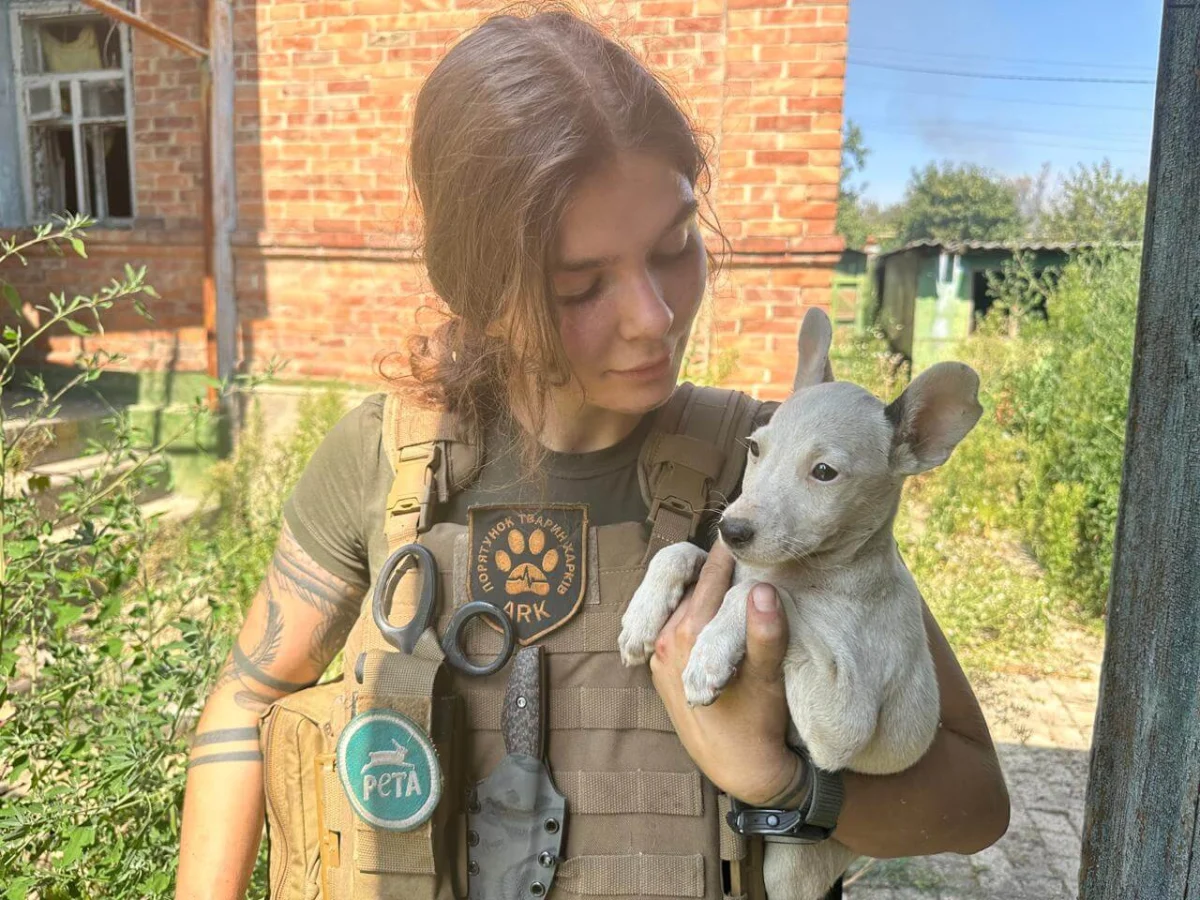
The landscape of the ongoing conflict in Ukraine has undergone a radical transformation since its inception, moving from large-scale territorial maneuvers to a grueling war of attrition characterized by high-tech surveillance and persistent aerial threats. Amidst this backdrop of geopolitical instability and human displacement, a secondary crisis continues to unfold: the plight of millions of domestic and farm animals left behind in the wake of advancing frontlines. In regions where civilian infrastructure has been reduced to rubble, dedicated teams of rescuers, supported by international organizations such as PETA Germany and Animal Rescue Kharkiv, operate in a high-risk environment to provide a lifeline to the silent victims of the war. As of May 2026, the operational dynamics of these missions have shifted significantly, reflecting the increased lethality of drone warfare and the deteriorating health of the animal populations remaining in the combat zones.
The Evolution of Risk and the Drone Threat
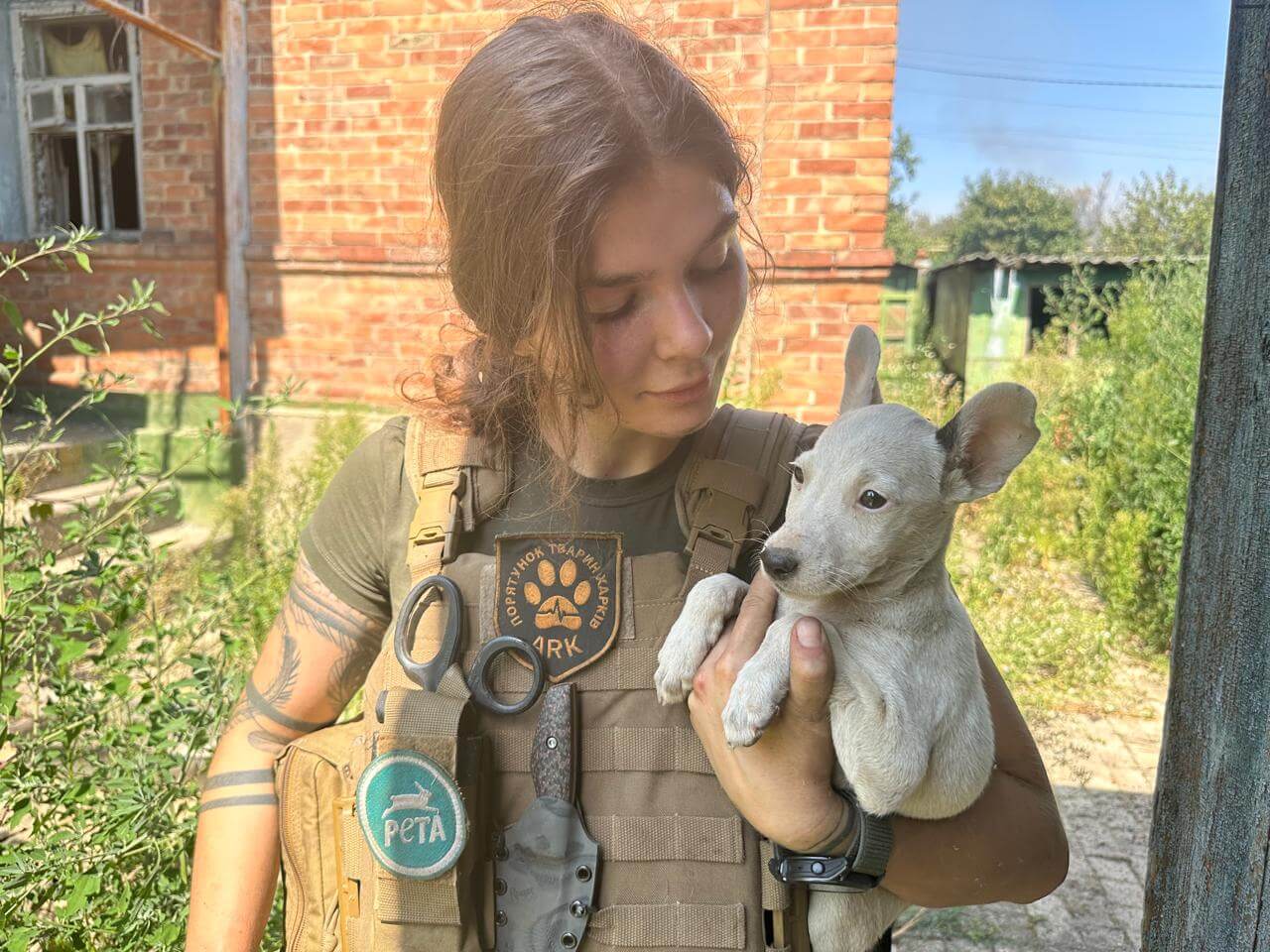
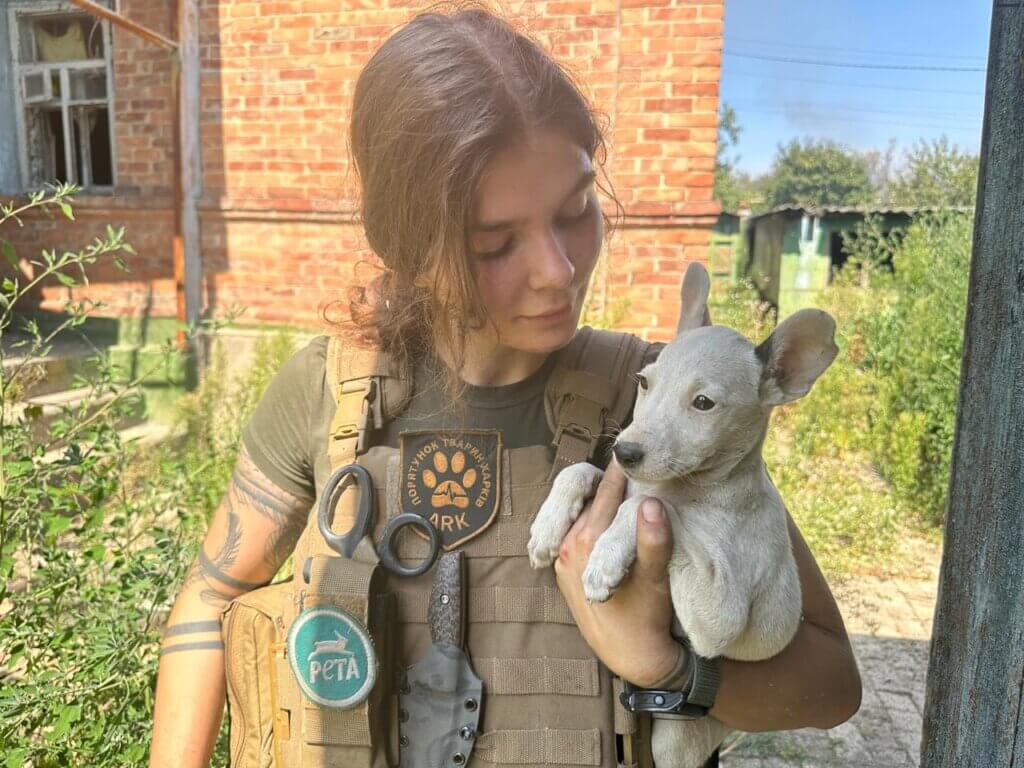
In the early stages of the conflict, animal rescue missions were primarily hindered by traditional artillery shelling and the unpredictability of ground skirmishes. However, four years into the violence, the primary threat to humanitarian and animal welfare personnel has become the ubiquitous presence of First-Person View (FPV) and reconnaissance drones. Simone Eisenbeiss, a 23-year-old animal advocate and veteran of marine conservation efforts with Sea Shepherd, has spent the last two years on the Ukrainian frontlines. Her experiences highlight a stark shift in the safety protocols required for successful evacuations.
According to field reports, the "danger zone" for rescue teams has expanded. Whereas a year ago, teams could operate with relative autonomy at a distance from the immediate contact line, the reach of modern loitering munitions now means that areas as far as 40 kilometers from the frontline are under constant surveillance. This technological evolution has forced rescuers to adopt counter-intuitive survival strategies. Eisenbeiss notes that in certain sectors of the Donbas, rescuers have begun removing standard-issue ballistic helmets and body armor. This decision is based on the observation that drone operators frequently target individuals who appear to be military personnel; by appearing as civilians or non-combatants, rescue teams hope to mitigate the likelihood of being identified as a high-value tactical target.

Chronology of Animal Welfare Efforts in the Donbas
The trajectory of animal rescue in Ukraine can be categorized into three distinct phases. The first phase, beginning in February 2022, was characterized by mass evacuations of pets alongside their owners. During this period, the primary challenge was the logistical bottleneck at border crossings and the lack of veterinary documentation. The second phase, spanning 2023 and 2024, saw the rise of specialized NGOs like Animal Rescue Kharkiv, which focused on extracting animals from "grey zones"—territories that had been abandoned by civilians but were not yet under full military control.
The current third phase, which defines the status of the conflict in May 2026, is marked by the long-term abandonment of urban centers like Toretsk and Rajske. In these areas, the animals remaining are often the second or third generation of strays born into the war. These animals have had little to no human contact, making their capture and stabilization significantly more complex. The missions are no longer just about transportation; they require specialized tactical training, veterinary triage in the field, and a deep understanding of animal psychology under extreme stress.
Statistical Overview of the Crisis
While exact figures are difficult to verify due to the volatility of the region, data compiled by PETA-supported entities and local municipal records provide a sobering look at the scale of the disaster.
- Displacement Volume: It is estimated that over 1.5 million domestic animals remain in the high-conflict zones of Eastern Ukraine.
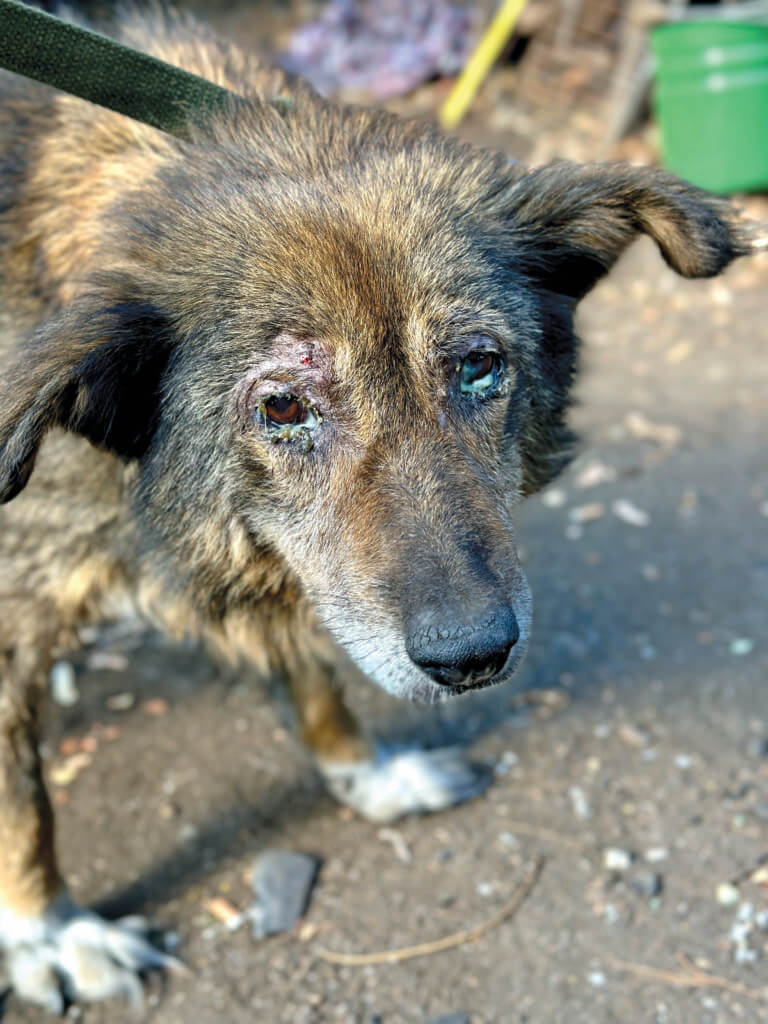
- Health Indicators: Approximately 70% of rescued animals suffer from severe malnutrition, with an additional 40% testing positive for chronic viral infections or parasitic diseases exacerbated by the lack of clean water and the presence of decomposing matter in urban ruins.
- Reproduction Rates: In the absence of spay and neuter programs in frontline towns, the stray population in some districts has grown by an estimated 200% annually, leading to a surge in zoonotic disease risks.
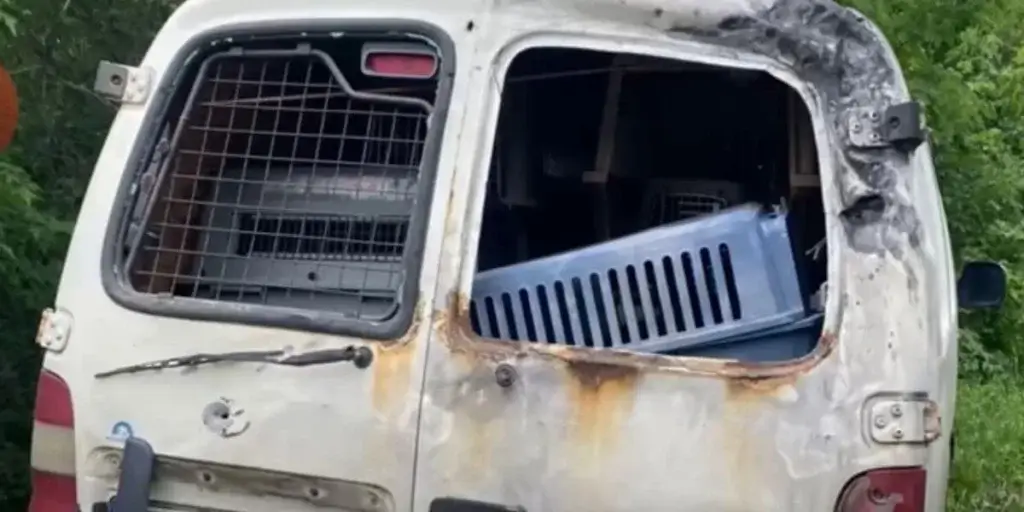
- Operational Toll: Since 2024, NGO vehicles, including those belonging to Animal Rescue Kharkiv, have faced a 30% increase in incidents involving drone strikes or shrapnel damage, necessitating constant fundraising for fleet maintenance and replacement.
Case Study: The Rescue at Rajske
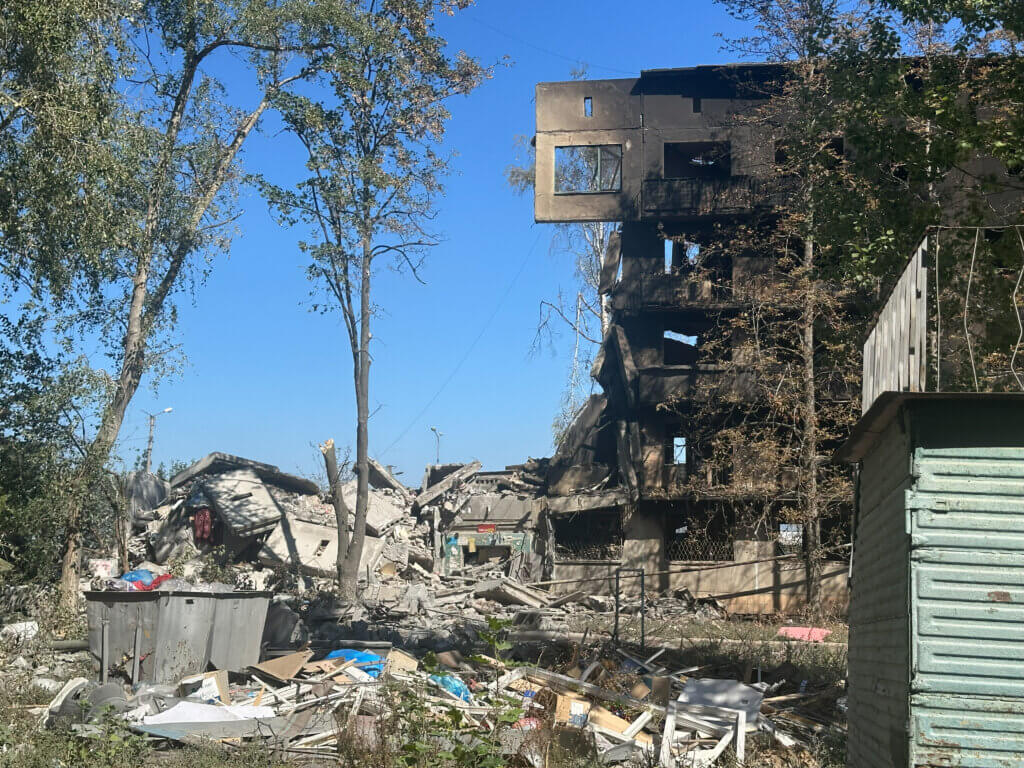
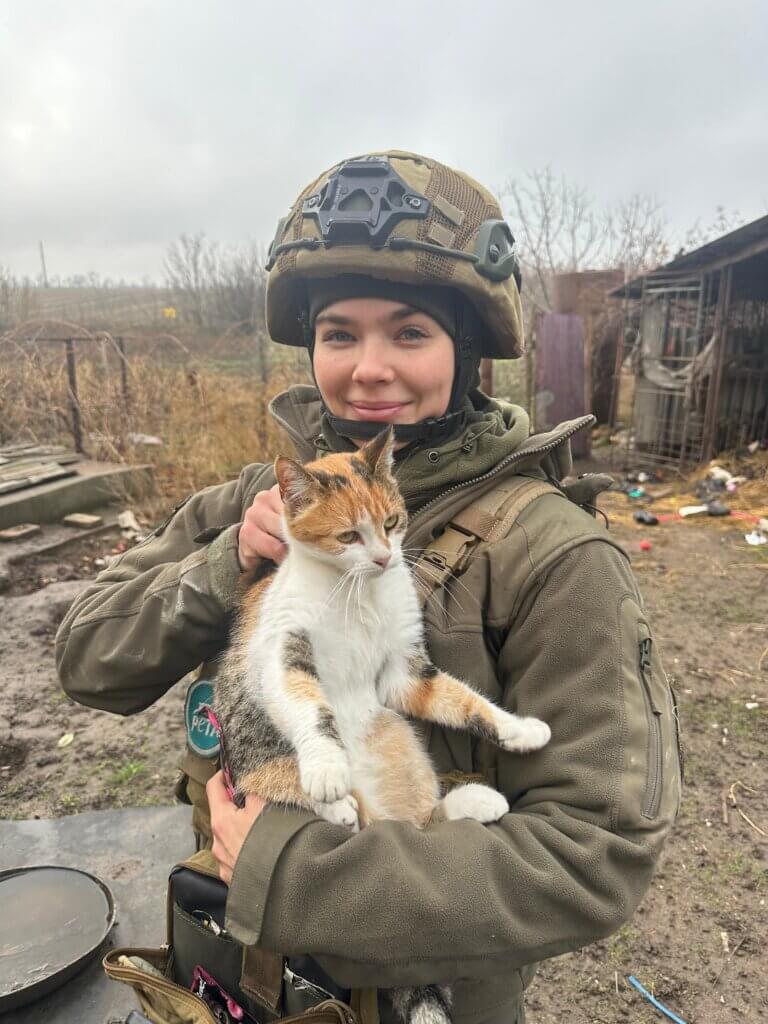
The complexities of modern frontline rescue are best illustrated by a recent mission in the settlement of Rajske. Rescuers Simone Eisenbeiss and her colleague Ruslan entered the area to locate a cat reported to be trapped in a demolished residential structure. The mission, which would have been a routine extraction in a peaceful environment, took on life-threatening dimensions due to the proximity of the frontline.
The cat was found in a state of extreme dehydration, waiting on the veranda of a home that had been reduced to a skeleton of brick and timber. Field observations indicated that the animal was likely waiting for guardians who had long since fled or perished. The rescue took over thirty minutes of patient coaxing while drones circled overhead. This specific incident underscores the psychological toll on rescuers, who must balance the biological imperative to save a life against the immediate physical threat to their own safety. The successful extraction of the cat, which is now recovering in a PETA-supported clinic, serves as a micro-level success in a macro-level tragedy.
Official Responses and International Support
The Ukrainian government, while primarily focused on defense and human services, has acknowledged the vital role played by volunteer organizations. The Ministry of Internal Affairs has occasionally coordinated with NGOs to allow "windows of silence" for animal evacuations, though these agreements are often fragile.
Internationally, the support from PETA’s Global Compassion Fund has been instrumental. This fund provides the financial infrastructure necessary for the procurement of specialized vehicles, fuel, veterinary supplies, and protective gear. Statements from PETA Germany emphasize that the work in Ukraine is a collaborative effort between donors worldwide and the boots-on-the-ground personnel who execute the missions. The organization maintains that the value of an animal’s life is intrinsic and that the ethical obligation to provide aid does not cease at the boundaries of a war zone.
Broader Implications and Long-term Recovery
The long-term implications of this crisis extend beyond the immediate survival of individual animals. The environmental impact of thousands of carcasses in urban areas poses a significant public health risk to returning civilians. Furthermore, the trauma experienced by these animals—ranging from shell shock to extreme social withdrawal—requires a new paradigm of veterinary behavioral health.
As the conflict continues, the work of Animal Rescue Kharkiv and PETA serves as a precedent for animal welfare in modern warfare. The tactics developed here—such as the use of signal-jamming equipment on rescue vans and the adaptation of civilian appearances to avoid drone detection—will likely inform humanitarian responses in future global conflicts.
The dedication of rescuers like Simone Eisenbeiss reflects a broader philosophical stance: that in the midst of human-led destruction, the preservation of life in all its forms is a necessary act of resistance. The resilience of the rescue teams, combined with the continued generosity of the global community, remains the only barrier between thousands of animals and certain death in the ruins of the Donbas.
Conclusion and Future Outlook
Looking ahead to the remainder of 2026, the focus of organizations like Animal Rescue Kharkiv will likely shift toward sustainable sheltering solutions and large-scale sterilization programs in liberated or stabilized territories. The goal is to prevent the "stray crisis" from becoming a permanent fixture of the post-war Ukrainian landscape. While the danger remains acute and the technological challenges of the battlefield continue to mount, the commitment to rescuing those left behind remains unwavering. The story of Ukraine’s animals is not just one of suffering, but one of an extraordinary humanitarian effort that asserts the value of every living being, even in the most desolate of circumstances.

