


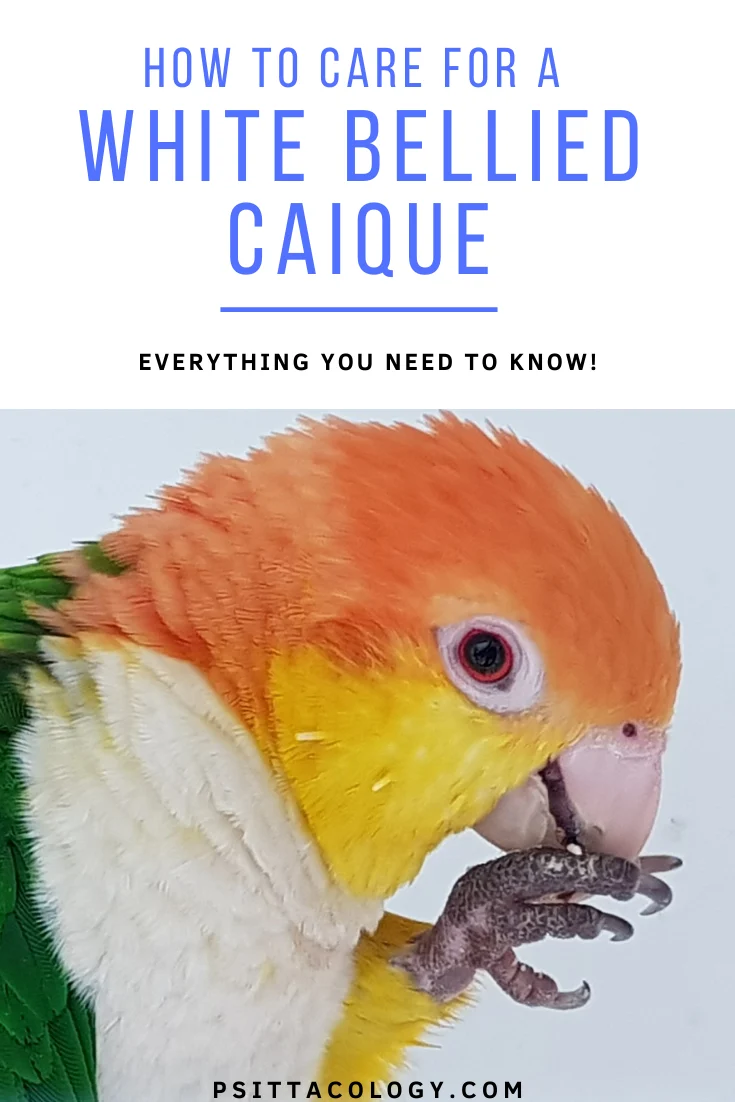
Considering the addition of a white-bellied caique to a household demands a thorough understanding of these vibrant South American parrots, known for their immense personalities and demanding care requirements. These captivating birds, often dubbed the "clowns of the parrot world," offer unique companionship but present significant challenges that prospective owners must be prepared for. This detailed guide explores their distinct characteristics, ecological context, specific care needs, and the ethical considerations surrounding their ownership.
Distinctive Appearance and Evolving Taxonomy
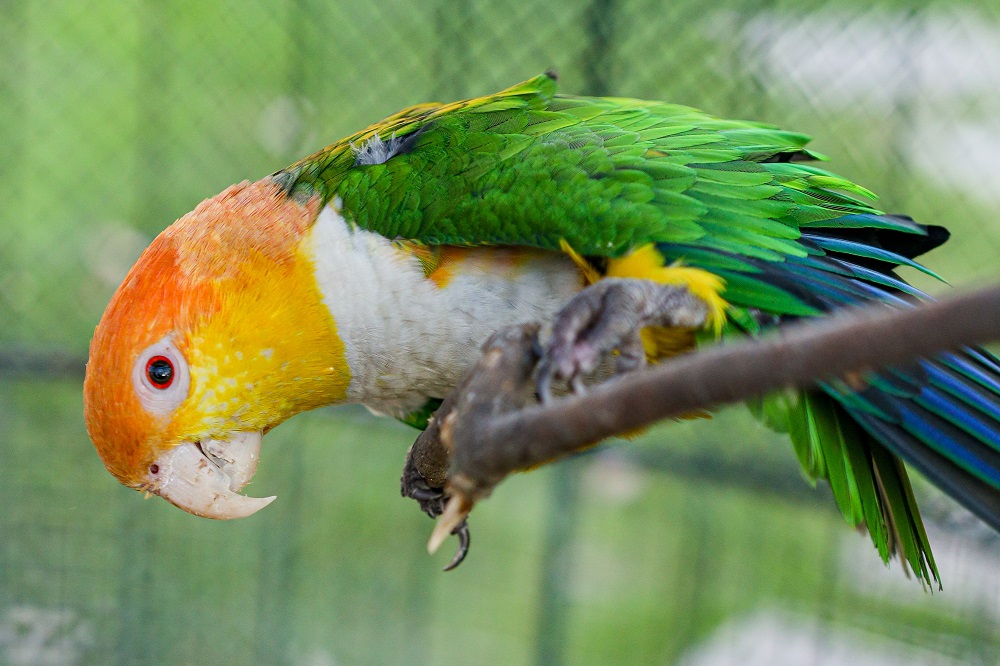
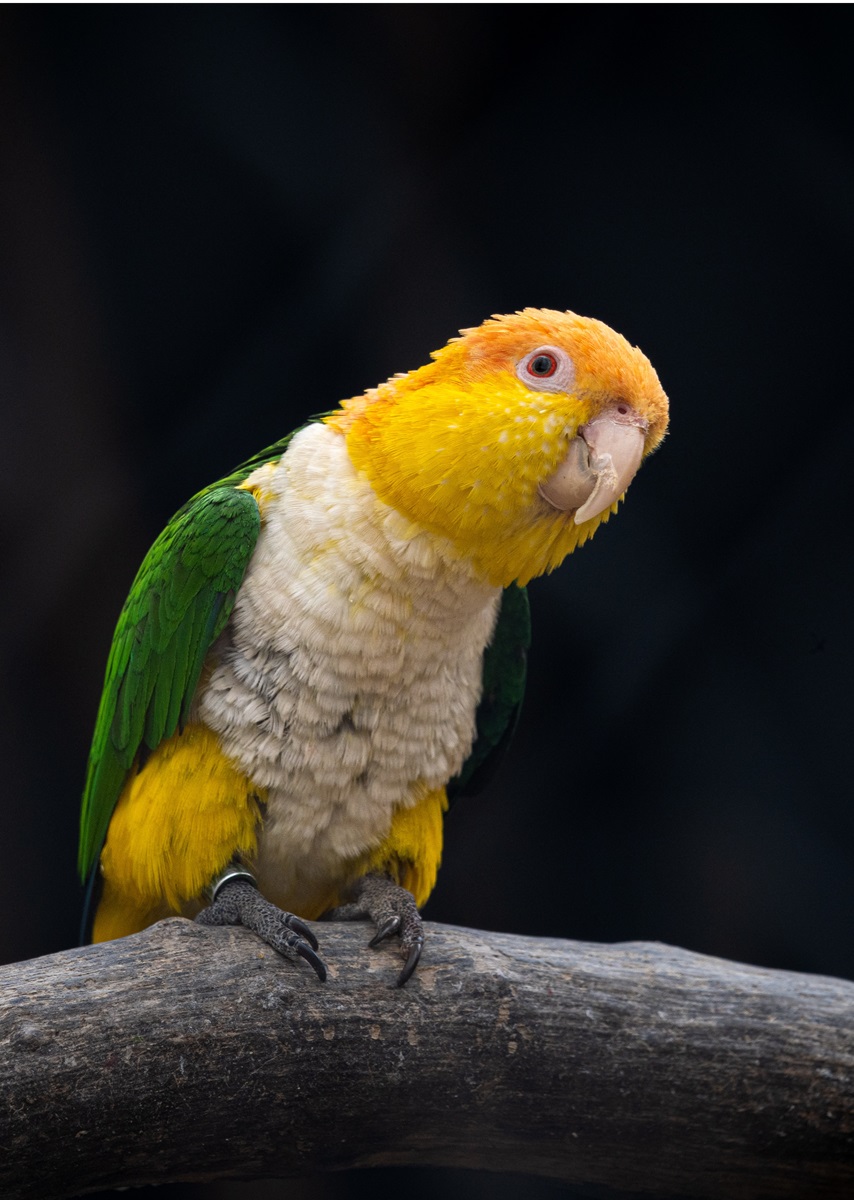
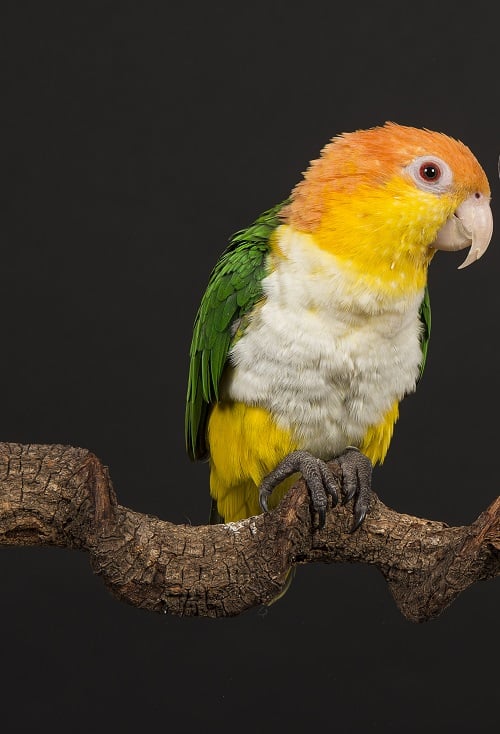
The white-bellied caique (genus Pionites) is a visually striking parrot, characterized by its compact, stocky build, measuring approximately 23 cm (9 inches) in length and weighing up to 170 grams. Its short, somewhat stumpy tail contributes to its unique silhouette. As its name suggests, the ventral side, encompassing the chest and belly, ranges from pristine white to a creamy hue. Vibrant yellow cheeks contrast with an orange head, while the wings and back display a rich green. The beak is typically beige.
A notable feature shared across all subspecies is their unusual reddish eyes, encircled by a bare eye-ring. Sexual dimorphism is not visually apparent in white-bellied caiques, necessitating DNA testing for accurate sex determination.
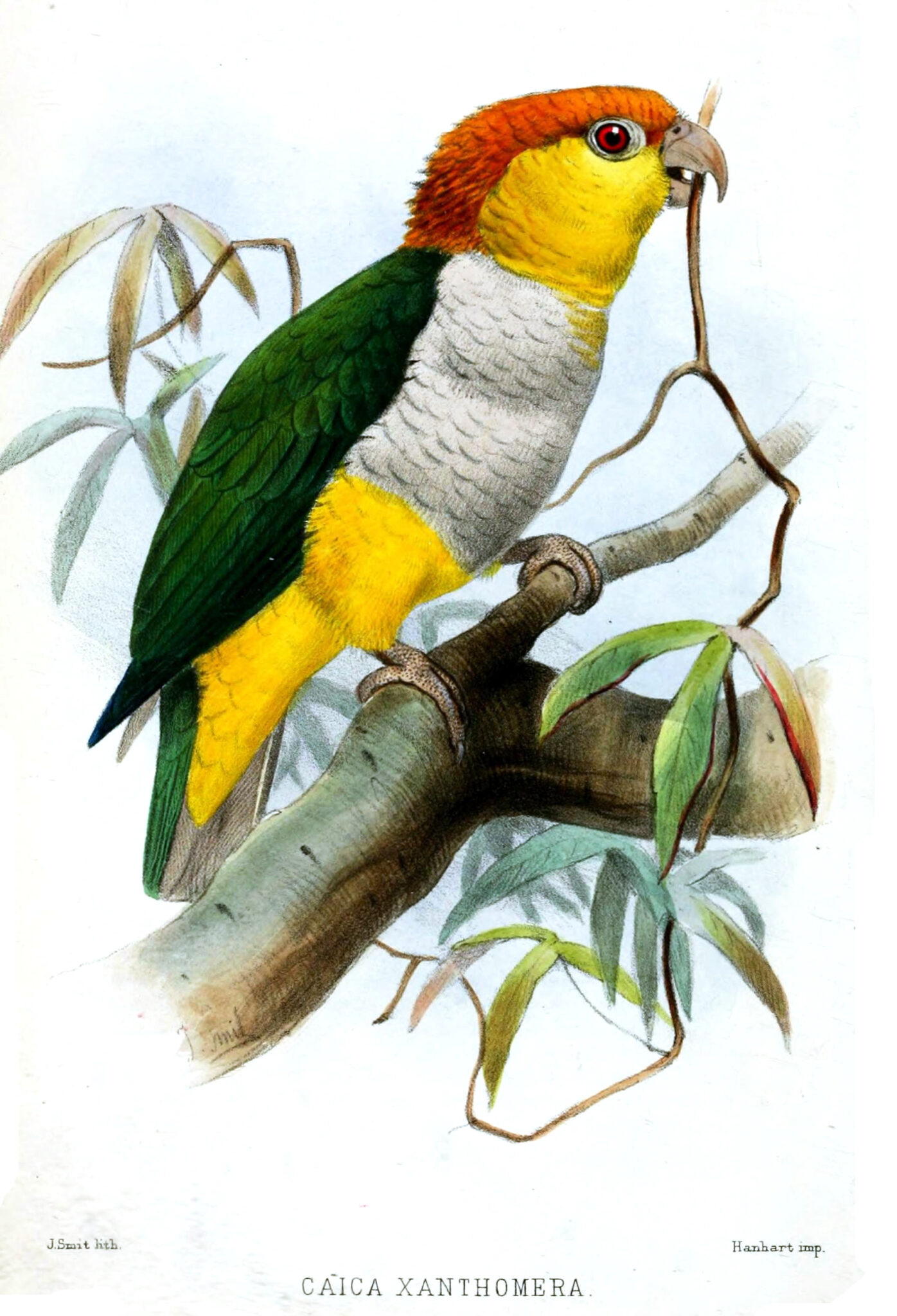
The scientific classification of white-bellied caiques has been a subject of ongoing debate among ornithologists. Traditionally, the genus Pionites comprised two species: the white-bellied caique (P. leucogaster) and the black-capped caique (P. melanocephalus). Under this traditional view, P. leucogaster was further divided into three subspecies: P. l. leucogaster (green-thighed parrot), P. l. xanthomerius (yellow-thighed parrot), and P. l. xanthurus (yellow-tailed parrot), each distinguished by subtle color variations, particularly on their thighs and tail.
However, contemporary sources, including the authoritative Birds of the World, increasingly advocate for elevating P. xanthomerius and P. xanthurus to full species status, separate from P. leucogaster. This reclassification is primarily based on consistent morphological differences in plumage coloration. The scientific community continues to seek definitive genetic studies to conclusively resolve these taxonomic distinctions, highlighting the dynamic nature of biological classification.
Natural Habitat and Urgent Conservation Concerns
White-bellied caiques are indigenous to the rainforest canopies of South America, primarily inhabiting the vast Brazilian Amazon basin. Their range extends into other South American nations, including Bolivia, Peru, and Ecuador. In their natural environment, these social parrots typically form groups of up to ten individuals, foraging and nesting within hollow trees.
Despite their widespread distribution, the majority of white-bellied caique populations are classified as endangered by the International Union for Conservation of Nature (IUCN). This precarious status is predominantly driven by rampant habitat loss resulting from the accelerating deforestation of the Amazon rainforest. Agricultural expansion, logging, mining, and infrastructure development relentlessly encroach upon their vital forested ecosystems. The illegal pet trade also contributes to population declines, with wild-caught birds facing significant stress and mortality during capture and transport.

Conservation efforts are underway, focusing on protecting key rainforest areas and combating illegal trade. Organizations like the IUCN and various local and international wildlife groups are working to raise awareness, support sustainable land use practices, and fund research into caique populations and their ecological needs. The future of these charismatic birds in the wild hinges on urgent and effective conservation interventions.
Complex Temperament: The "Clowns" with a Challenging Edge
The temperament of white-bellied caiques is arguably their most defining characteristic and a primary reason for their popularity, as well as the source of many ownership challenges. While all parrots are intelligent and playful, caiques elevate these traits to an exceptional degree, earning them the moniker "clowns of the parrot world." Their boundless energy, acrobatic antics, and propensity for playful mischief are genuinely entertaining.
Caiques are capable of forming incredibly strong bonds with their human companions. However, this deep attachment can also manifest as intense, sometimes challenging, behaviors, particularly as they mature through puberty. Like many parrot species, they often exhibit a tendency to bond primarily with one individual, potentially becoming territorial or even aggressive towards others in the household. Owners report instances of nipping or "attacking" even their preferred human, a behavior that requires understanding, patience, and consistent positive reinforcement training. This isn’t aggression born of malice, but often a misdirected expression of their strong instincts and high energy.
A well-socialized caique thrives on extensive interaction and playtime. Prospective owners must commit to dedicating several hours daily to their bird’s social needs. Without sufficient attention, caiques can develop behavioral issues such as excessive screaming, feather plucking, or destructive tendencies. For individuals unable to provide this level of daily engagement, acquiring a pair of caiques may be a more suitable option, allowing them to fulfill some of their social needs with a conspecific.

It is crucial to understand that caiques are inherently territorial and should not be housed with other bird species. Their strong protective instincts can lead to serious conflicts, especially over cage space or food resources, potentially resulting in injury or even fatality to other birds. Their energy levels are astounding; they revel in throwing toys, dancing, and engaging in boisterous play. This playful destructiveness means that "when, not if" a caique breaks something is a common sentiment among owners. Their powerful beaks and inquisitive nature make them adept at chewing through various materials. Effective training, starting from a young age, is vital to channel their intelligence and energy into appropriate behaviors, though their innate "mayhem" potential remains a constant factor.
Optimizing the White-Bellied Caique Diet
Understanding the white-bellied caique’s natural diet is paramount to providing appropriate nutrition in a domestic setting. A 2014 study by Lee et al., observing 190 wild white-bellied caiques, documented their consumption of no fewer than 44 different plant species. Their diet exhibited seasonal variation but primarily consisted of seeds from various plants, including fruit seeds, and a wide array of fruits, often unripe. Flowers and flower buds also featured prominently. Another study revealed that caiques are significant pollinators, consuming pollen and nectar. Beyond these, they occasionally ingest leaves, bark, and even ants. A fascinating aspect of their wild diet is their visitation to clay licks, where they consume soil to acquire essential micronutrients.
Replicating this diverse natural diet precisely in captivity is impractical due to the unavailability of specific wild plant species. Therefore, a carefully formulated domestic diet is essential to ensure long-term health. A common pitfall for inexperienced parrot owners is relying solely on seed mixes. These are typically too high in fat and deficient in the comprehensive micronutrients necessary for a caique’s well-being. Similarly, while caiques enjoy fruit, a diet overly reliant on commercially grown fruits is problematic. Cultivated fruits are significantly higher in sugar content than their wild counterparts, and wild caiques frequently consume fruits in their unripe state, further reducing sugar intake.
A balanced domestic diet for a white-bellied caique should incorporate:
- High-quality pelleted diet: This should form the cornerstone of their nutrition, providing a balanced intake of vitamins and minerals. Look for brands specifically formulated for caiques or active medium-sized parrots.
- A variety of fresh vegetables: Dark leafy greens (kale, spinach sparingly due to oxalates), broccoli, carrots, bell peppers, zucchini, and various sprouts offer essential nutrients and fiber.
- Limited amounts of fruit: Offer fruits like berries, melon, apple (seeds removed), and citrus in moderation, prioritizing lower-sugar options.
- Healthy grains and legumes: Cooked quinoa, brown rice, whole-wheat pasta, and cooked lentils or beans can be offered as occasional supplements.
- Occasional protein sources: Cooked chicken or eggs can be given in very small amounts as a treat.
High-fat or high-sugar items such as nuts (especially peanuts due to mold risk) and dried fruits should be reserved as infrequent treats or for training purposes. Fresh water must always be available from multiple sources, and a calcium block is a beneficial addition for bone health and beak conditioning. Consulting an avian veterinarian for specific dietary recommendations tailored to an individual bird’s needs is highly advisable.
Housing and Environmental Enrichment
Given their explosive energy levels, white-bellied caiques require substantial living space. Even with ample out-of-cage time, a spacious enclosure is critical for their physical and psychological well-being. The cage should be robust, constructed from durable materials, and equipped with secure locking mechanisms, as these intelligent birds are adept at escaping. Caiques are inveterate chewers, necessitating a continuous supply of appropriate chew toys.
Beyond toys, a caique’s cage should include multiple natural perches of varying diameters to promote foot health, food and water bowls, and ideally a bird bath. Regular bathing is crucial for feather and skin health.
Because caiques demand several hours of supervised out-of-cage time daily, setting up an external play gym or designated "caique zone" is highly recommended. These playgrounds, often crafted from natural wood to encourage chewing, should be laden with a diverse array of toys to keep them mentally and physically stimulated.

Any area accessible to a caique must be thoroughly parrot-proofed. Their insatiable curiosity and destructive tendencies mean they can quickly get into trouble, posing risks to themselves and property. This includes securing electrical cords, removing toxic plants, ensuring windows and doors are closed, and eliminating small ingestible items. Owners must also be mindful of airborne toxins; scented products, aerosol sprays, non-stick cookware fumes, and candles can be highly dangerous to a parrot’s sensitive respiratory system.
Enrichment is not merely a luxury but a necessity for all parrots, especially caiques, to prevent boredom, loneliness, and the subsequent development of serious behavioral issues like feather plucking, incessant screaming, and aggression. In the wild, they spend their days foraging, interacting within a complex social structure, and constantly engaging their sharp intellect. Replicating these conditions in captivity is paramount.
Effective daily enrichment strategies include:
- Foraging opportunities: Hiding food in toys, shreddable materials, or puzzle feeders encourages natural foraging behaviors and mental engagement.
- Variety of toys: Rotate toys frequently to maintain novelty and interest. Provide a mix of chewable, shreddable, climbing, and puzzle toys.
- Social interaction: Daily, dedicated interaction with human companions is non-negotiable. This includes playtime, training sessions, and simply being present with the bird.
- Physical exercise: Ample out-of-cage time for climbing, flying (if safe and trained), and vigorous play is essential for physical health and energy release.
- Training: Positive reinforcement training not only teaches desirable behaviors but also provides significant mental stimulation and strengthens the bond between bird and owner.
- Exposure to new sights and sounds: Safely introduce new environments, sounds (music, nature sounds), and visual stimuli to keep their environment dynamic.
Vocalization Patterns and Communication
Relative to many other parrot species, white-bellied caiques are considered moderately noisy. While no parrot can truly be described as "quiet," caiques generally produce a range of whistles, beeps, and soft squawks for most of the day, which are often tolerable in an apartment setting. However, they are capable of emitting incredibly shrill alarm calls or contact calls, designed to locate flock members across dense forest canopies. These bursts of loud vocalization, though not constant, can be piercing. Prospective owners must accept that adding any parrot to the family means relinquishing the expectation of consistent silence.
For individuals seeking a highly verbal parrot, caiques are not the optimal choice. While some individuals may pick up a few words or phrases, their talking ability cannot rival that of champion talking species like African Greys or Amazon parrots. However, caiques excel in vocalization training for whistles and tunes. Teaching them short, distinct whistles or melodies, such as a wolf whistle, through consistent repetition and positive reinforcement (treat rewards) can be a rewarding way to interact and expand their repertoire of sounds.
Long-Term Commitment and Health Considerations
Bringing a white-bellied caique into one’s home represents a profound, multi-decade commitment. These birds boast an impressive lifespan, often exceeding 40 years with proper care. This longevity means a caique could easily outlive its initial owner, necessitating careful planning for its long-term welfare.
Prospective owners must also be prepared for potential medical emergencies. Caiques, like all pets, can face health crises. Having the contact information for an experienced avian veterinarian readily available and being able to recognize common symptoms of illness are crucial. Early detection and intervention can be life-saving.
Caiques are particularly susceptible to polyomavirus, a serious viral disease that can cause severe organ issues, especially in young birds (under 4 weeks old). Vaccination against polyomavirus is strongly recommended and should be discussed with an avian vet. Regular veterinary check-ups, even when the bird appears healthy, are essential for preventive care and early detection of potential health issues. A commitment to providing excellent nutrition, a stimulating environment, and attentive care are the cornerstones of ensuring a long, healthy life for a white-bellied caique.
Implications for Responsible Pet Ownership
The multifaceted nature of white-bellied caiques – their engaging personalities, complex care needs, and endangered status in the wild – underscores the importance of responsible pet ownership. They are unequivocally not recommended for beginner parrot keepers due to their demanding temperament, potential for aggression, and extensive needs for socialization and mental stimulation. Owners must be prepared for a bird that can be described as "possessed by demons" during mating season or seemingly without reason, requiring immense patience and a deep understanding of parrot behavior.
Ethical sourcing is paramount. Given their endangered status, prospective owners should prioritize acquiring birds from reputable breeders who can verify the bird’s captive-bred lineage, thereby avoiding any contribution to the illegal wildlife trade. These breeders should also prioritize the health and socialization of their chicks.
Ultimately, the decision to welcome a white-bellied caique into a home should be made with a full awareness of the significant commitment involved. They offer unparalleled companionship and entertainment but demand a dedicated, patient, and knowledgeable owner prepared for the unique challenges and profound rewards of living with these remarkable "clowns of the Amazon."

