


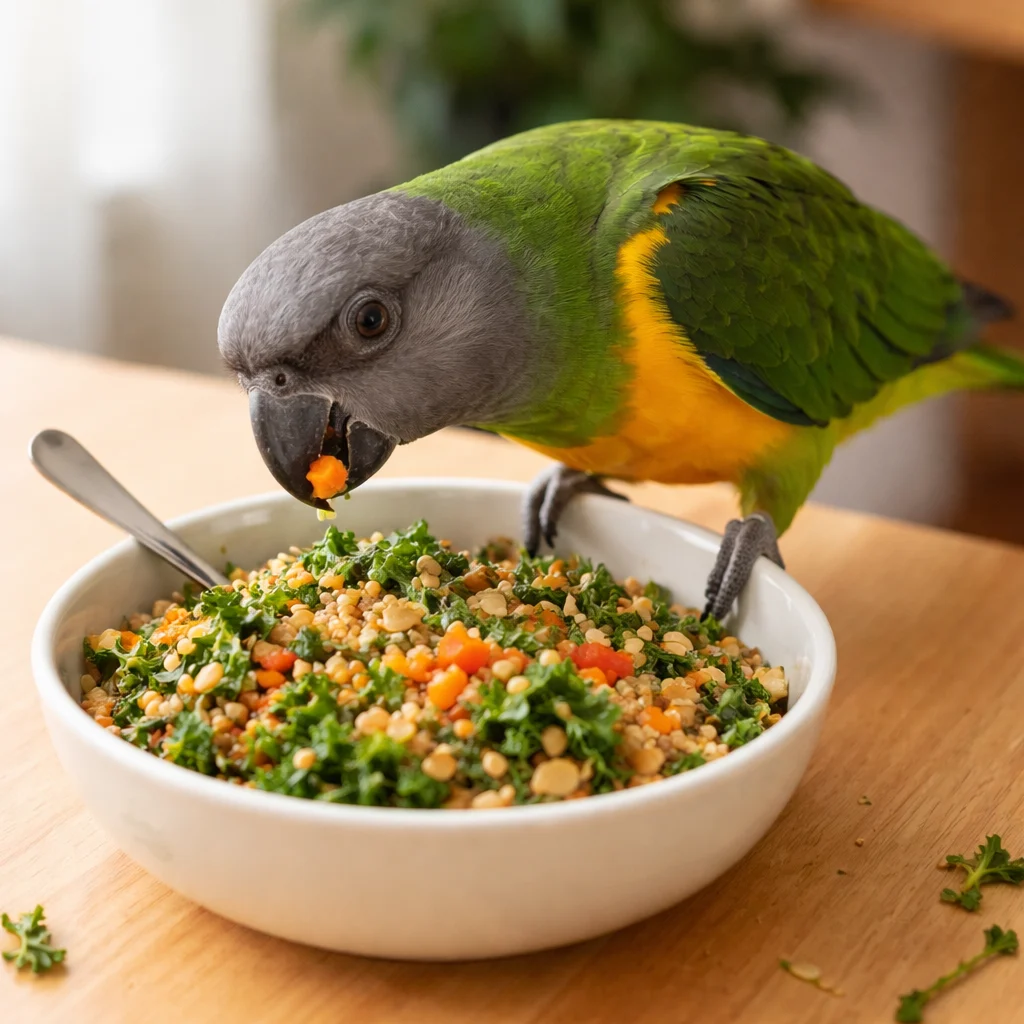
Published on December 18, 2025, with a final update on December 27, 2025, a recent analysis by avian health expert Diane Burroughs addresses a frequently debated question among pet bird owners: whether supplemental antioxidants are beneficial during periods of heightened physiological stress. The nuanced answer, according to Burroughs, founder of BirdSupplies.com and UnRuffledRx™, is "sometimes – in the right situations, and always as part of a bigger nutritional picture." This perspective underscores a growing understanding in avian veterinary and nutritional science that while daily antioxidant supplementation may not be universally necessary, targeted support can play a crucial role in maintaining cellular function and overall resilience when a bird’s body is under increased metabolic demand.
The Evolving Landscape of Avian Nutrition and Oxidative Stress
For decades, the standard diet for pet birds often consisted primarily of seeds, a practice now widely recognized as nutritionally inadequate and a significant contributor to numerous health issues. The evolution of avian care has seen a paradigm shift towards balanced pelleted diets supplemented with fresh, plant-based foods, reflecting a deeper understanding of parrots’ complex dietary needs. Concurrent with this nutritional awakening is an increasing focus on cellular health, particularly the concept of oxidative stress. Oxidative stress is not an anomaly but a fundamental biological process inherent to life. Every metabolic function, from breathing and digestion to feather growth and flight, generates reactive oxygen species (ROS), commonly known as free radicals, as byproducts. These unstable molecules, if left unchecked, can damage cellular components, including DNA, proteins, and lipids, contributing to inflammation, cellular aging, and a weakened immune system.
Birds, with their remarkably high metabolic rates necessary for flight and their vibrant, energetic personalities, inherently produce more free radicals than many other animal species. Their rapid energy conversion means their cellular machinery is constantly working at an elevated pace, necessitating robust internal mechanisms to manage these byproducts. Antioxidants are the body’s natural defense system, a diverse group of nutrients that neutralize free radicals, thereby helping to maintain cellular equilibrium. They don’t halt oxidative processes entirely, which are essential for various physiological functions, but rather assist the body in managing them efficiently, preventing excessive damage. This understanding has propelled discussions within the avian community, from online forums to professional veterinary conferences, regarding when and how to best support a bird’s natural antioxidant defenses. The underlying motivation for many bird owners exploring this topic is not to seek a "miracle cure" but to make informed choices that proactively support their bird’s long-term wellness without over-supplementation.
Deconstructing Oxidative Stress: The Science Behind the Need
To fully appreciate the role of antioxidants, it is essential to delve into the biochemical mechanisms of oxidative stress. Free radicals are atoms or molecules with an unpaired electron, making them highly reactive and eager to "steal" an electron from stable molecules in the body. This theft initiates a chain reaction of damage, leading to cellular dysfunction. While some ROS are produced intentionally by the immune system to fight pathogens, an imbalance between free radical production and the body’s ability to neutralize them leads to oxidative stress.
Antioxidants counteract this by donating an electron to free radicals without becoming unstable themselves, effectively neutralizing the threat. These protective compounds are broadly categorized into enzymatic and non-enzymatic types. Enzymatic antioxidants, such as superoxide dismutase (SOD), catalase, and glutathione peroxidase, are produced by the body and act as the first line of defense. Non-enzymatic antioxidants, predominantly obtained through diet, include vitamins (e.g., Vitamin C, Vitamin E), carotenoids (e.g., beta-carotene, lutein), flavonoids, polyphenols, and certain minerals (e.g., selenium, zinc). A varied diet rich in plant-based foods provides a complex array of these dietary antioxidants, which work synergistically to protect cells. For birds, whose natural diets in the wild are incredibly diverse, the challenge in captivity is to replicate this broad spectrum of nutritional support. Limited foraging opportunities and a narrower range of food items, even high-quality pellets, can sometimes fall short of the diverse antioxidant profiles found in their natural habitats.
The Unique Challenges of Captive Avian Environments
Even the most meticulously cared-for parrots face environmental realities vastly different from their wild ancestors, and these differences contribute significantly to their daily metabolic workload and potential for oxidative stress. In their natural ecosystems, birds engage in extensive flight, foraging for a wide array of plant materials, and experience natural light cycles. They adapt to seasonal changes through migration and breeding, and their social structures are often complex but self-regulated.
In captivity, birds encounter a different set of challenges:
- Indoor Air Quality: Exposure to household pollutants, cleaning agents, dust, and particulate matter from cooking can impact respiratory health and increase oxidative burden.
- Artificial Lighting: The absence of full-spectrum natural sunlight can disrupt circadian rhythms, hormone production, and vitamin D synthesis, affecting overall physiological balance.
- Limited Foraging and Dietary Variety: Despite owners’ best efforts, captive diets often lack the sheer diversity of plant species, insects, and other natural food sources available in the wild, which provide a vast array of phytonutrients and antioxidants.
- Processed Foods: Even quality pelleted diets, while superior to seed-only diets, are processed and may not retain the full spectrum of delicate phytonutrients found in raw, fresh foods.
- Routine Changes and Social Stress: Travel, rehoming, introduction of new pets or people, changes in household dynamics, and even the simple daily routine changes can be significant stressors for highly intelligent and sensitive birds. Chronic stress elevates cortisol levels, which can increase free radical production.
- Reduced Physical Activity: Limited flight and foraging opportunities can lead to obesity and reduced metabolic efficiency, impacting overall health and contributing to oxidative load.
None of these factors necessarily imply "bad care," but they represent normal demands on a bird’s body that require robust nutritional support to cope, recover, and thrive in the long term. This heightened awareness forms the basis for considering targeted antioxidant support during specific periods.
When Targeted Antioxidant Support Becomes Critical
While a healthy bird on a balanced diet may not require daily antioxidant supplements, certain physiological states and environmental circumstances significantly increase metabolic demand, making thoughtful, targeted support beneficial. These are periods when the body is working harder than usual to maintain homeostasis and cellular integrity.
-
Molting: The process of growing new feathers is an incredibly energy and nutrient-intensive undertaking. Feathers are primarily composed of keratin, a protein, requiring substantial amino acid intake, alongside a complex array of vitamins and minerals. The rapid cellular turnover and synthesis involved in feather production inherently generate more free radicals. Even birds on excellent diets can benefit from additional antioxidant support during this time to help manage the increased oxidative load and ensure optimal feather quality and a smoother, less stressful molt.
-
Aging: As birds age, their cellular repair mechanisms become less efficient, and their immune systems may weaken. Older birds, much like older humans, are more susceptible to age-related oxidative damage, which can manifest as reduced energy, slower recovery from illness or stress, and a general decline in vitality. Antioxidant support can help mitigate these effects, potentially improving quality of life and extending healthy lifespans for geriatric and rescue birds who may have experienced nutritional deficiencies or chronic stress earlier in life.
-
Dietary Limitations: Despite advancements in pet bird nutrition, many birds still do not consume a consistently varied diet rich in fresh plant-based foods. Even those that do may have periods of pickiness or limited access to diverse produce. Fresh fruits, vegetables, and herbs are primary sources of natural antioxidants. When a bird’s diet is consistently lacking in variety, or if they are transitioning from a poor diet, targeted antioxidant supplementation can help bridge nutritional gaps and provide essential protective compounds that might otherwise be missing.
-
Hormonal or Seasonal Shifts: Birds are highly attuned to environmental cues like changes in light cycles, which trigger seasonal behaviors, including breeding cycles. These hormonal fluctuations can place significant physical demands on a bird’s body, impacting metabolism, energy levels, and even immune function. Increased physical activity, egg-laying, or even the stress of hormonal aggression can elevate oxidative stress, making supplemental antioxidants a useful tool to support physiological balance during these periods.
-
Environmental or Emotional Stress: Any disruption to a bird’s routine, environment, or social structure can induce stress. This includes travel, rehoming, introduction of new companions, changes in cage placement, loud noises, or even subtle shifts in human interaction. Chronic or acute stress triggers a physiological cascade that includes the release of stress hormones, which can increase free radical production. Providing antioxidant support during these times can help the bird’s body cope more effectively with the physiological demands of stress, promoting faster recovery and maintaining overall well-being.
Distinguishing Appropriate Support from Misguided Intervention
It is crucial to differentiate what antioxidant support is from what it is not.
- It IS: A simple, thoughtful way to provide the body with additional resources to manage normal physiological stress. This typically involves adding helpful, plant-based nutrients to existing food or water, rather than drastic dietary overhauls.
- It IS NOT: A "fix-all" for behavioral issues, a replacement for fundamental good nutrition, consistent routines, enrichment, or appropriate veterinary care. Antioxidants work synergistically with these foundational elements, not in isolation. They are part of a holistic approach to avian wellness.
Thinking of a varied, nutrient-rich diet as a bird’s "protective armor" against everyday stressors is a helpful analogy. Incorporating plant-based nutritional supports, such as herbs, seeds, or specialized food toppers, can consistently reinforce this armor. Rotating different types of plant-based supports over time acts like an insurance policy, proactively addressing potential nutritional gaps before they manifest as health issues, making long-term care more manageable and effective.
Situations Where Extra Support May Be Unnecessary
Conversely, there are circumstances where additional antioxidant support is likely not needed. If a bird is consuming a high-quality pelleted diet supplemented with a consistent variety of fresh, plant-based foods, maintaining a healthy weight, demonstrating appropriate energy levels, exhibiting vibrant and well-formed feathers, and engaging positively and relaxed with its environment and family, its foundational nutritional needs are likely being met. In such cases, the bird’s endogenous antioxidant systems and dietary intake are effectively managing its oxidative load. Some conscientious owners may still opt for gentle, rotating plant-based additions as an extra layer of "insurance," but it’s important to recognize when the baseline care is already robust. Birds are resilient creatures and do not require an endless array of synthetic extras to thrive. Often, simple, consistent, whole-food nutrition, combined with a stable and enriching environment, yields far superior results compared to relying on heavily processed supplements with obscure ingredient lists.
Common Pitfalls in Avian Supplementation
Even with the best intentions, bird owners can inadvertently make mistakes when attempting to enhance their bird’s diet. These errors often stem from a deep desire to provide optimal care but can lead to confusion or even unintended harm.
-
Changing Too Many Variables Simultaneously: A common mistake is to alter diet, lighting, routines, and introduce multiple supplements all at once. When a bird’s health or behavior changes, it becomes impossible to identify which specific intervention was responsible for the effect, positive or negative. A systematic approach, changing one element at a time and observing for several weeks, is crucial for accurate assessment and effective management.
-
Following Advice Without Context: Online bird communities are invaluable for shared experiences and peer support. However, generic advice, even from well-meaning individuals, cannot replace a nuanced understanding of an individual bird’s specific needs, health status, species, age, and environmental factors. What benefits one bird may be unnecessary or even detrimental to another due to differing physiological requirements or underlying health conditions. Always consider the context of your bird and consult with an avian veterinarian for personalized recommendations.
-
Over-Supplementation: The belief that "more is better" can be dangerous. Excessive intake of certain vitamins (particularly fat-soluble vitamins like A, D, E, K) and minerals can lead to toxicity. Even water-soluble vitamins, while generally safer, can upset digestive balance. Antioxidants are powerful compounds, and their delicate balance within the body is key. Indiscriminate supplementation without professional guidance can disrupt this balance.
-
Neglecting the Foundation: No supplement, however potent, can compensate for a fundamentally poor diet, inadequate husbandry, or lack of veterinary care. Antioxidants are supportive agents; they are not a substitute for a balanced pelleted diet, fresh

