


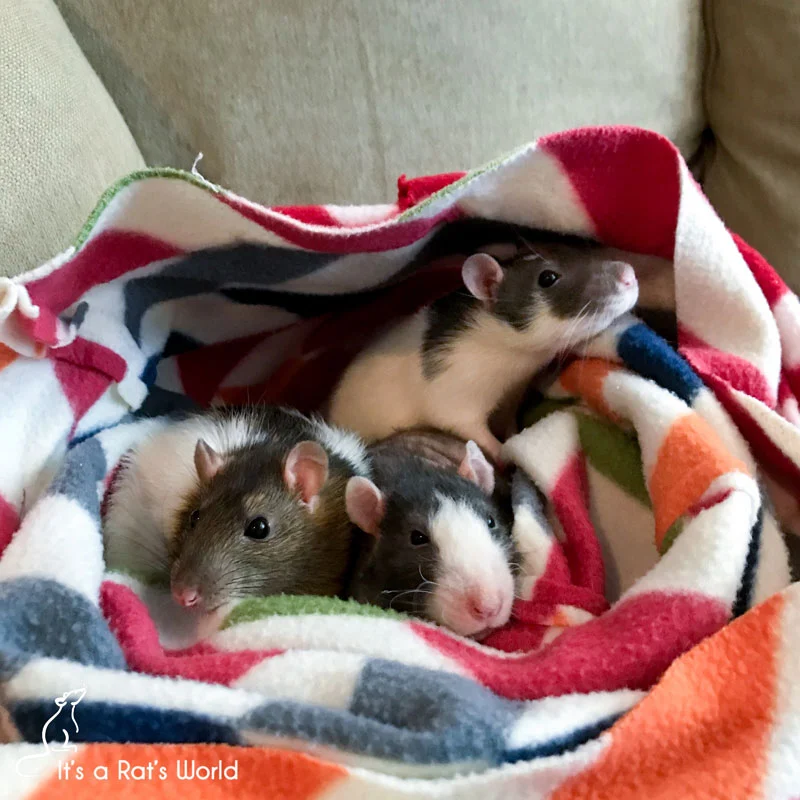
For many pet owners, the annual challenge of summer travel planning is compounded by the difficulty of securing reliable care for exotic pets. While dogs and cats have long been the focus of pet-sitting services and boarding facilities, domestic rats—often categorized as pocket pets—present unique logistical hurdles. Finding qualified individuals comfortable with the specific behavioral and medical needs of rats can be daunting, leading many owners to consider an alternative: bringing their companions along for the journey. When travel plans involve driving rather than flying, integrating pet rats into road trip itineraries is increasingly viewed as a viable, albeit demanding, endeavor that requires meticulous preparation, specialized equipment, and a focus on animal welfare.
The Rationale for Accompanied Travel
The decision to travel with rats is often driven by the need to ensure continuous, high-quality care that a temporary sitter might not be equipped to provide. Rats are social, intelligent creatures that thrive on consistency and established routines. When a pet owner is faced with a prolonged absence, the stress of relocating the animal to a new environment—or the uncertainty of in-home care—can significantly outweigh the complications of bringing the animals along.
Historical precedents in pet husbandry suggest that with proper acclimation, many rats can adjust to the sensory fluctuations of vehicular travel. Owners who have successfully navigated cross-country trips with their pets report that the process fosters stronger human-animal bonds, particularly for individuals who are otherwise shy or standoffish in their home environment. However, this level of travel requires a shift in perspective, moving from viewing the animal as a stationary occupant of a home cage to a mobile companion that requires active management.

Chronology of Acclimation and Preparation
Successful long-distance travel is rarely a spontaneous event; it is the culmination of a staged acclimation process. Experts recommend beginning with short, low-stress outings to desensitize the animals to the sensations of movement and changing environments.
- Short-Distance Familiarization: Owners should begin by introducing their rats to transport vessels—such as secure bonding pouches or ventilated carriers—for short durations, such as brief trips to local errands. This phase is critical for observing the animal’s baseline stress levels.
- Short-Duration Car Rides: Once the animal is comfortable in a carrier, brief drives of 20 to 30 minutes allow the owner to assess how the rats react to the ambient noise, vibrations, and temperature changes inherent in a moving vehicle.
- Environment Simulation: For extended trips, the travel environment should mirror the home cage as closely as possible. This includes providing familiar bedding, hiding spots, and enrichment items. By replicating the sensory profile of the home cage, the animal experiences less cognitive dissonance upon arrival at a new destination.
Logistical Requirements and Equipment Specifications
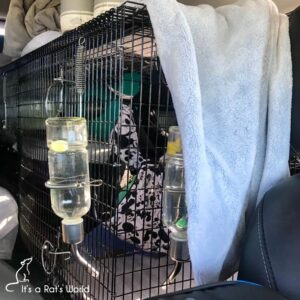
The physical infrastructure required for safe transport is substantial. A primary concern is the selection of a travel cage that balances safety with the animal’s need for space. For long-duration travel, standard pet carriers are often insufficient. Instead, researchers and experienced handlers advocate for cages that accommodate necessary amenities—such as water bottles, food dishes, hammocks, and litter boxes—while remaining compact enough to be secured within a vehicle.

Key equipment considerations include:
- Structural Integrity: The cage must be robust enough to withstand the vibrations of a moving vehicle while ensuring the rats cannot escape or become trapped during sudden stops.
- Temperature Regulation: Rats have a narrow thermal comfort zone. Vehicles must be equipped with climate control systems that remain active even during brief stops, or the owner must ensure the vehicle is never left unattended in direct sunlight.
- Supply Redundancy: A specialized travel kit is essential. This includes multiple leak-proof water bottles (which must be cleaned daily), extra bedding, medical kits, and non-perishable food supplies.
Addressing Health and Stress Factors
The physiological impact of travel on rats cannot be overlooked. Motion-induced stress can manifest as digestive disturbances, such as loose stools. In these instances, traditional, mild dietary interventions—such as small portions of banana—have been noted in historical veterinary observations as a way to stabilize digestive flora, though any severe symptoms should be addressed by a licensed veterinarian.
Hygiene is another critical pillar of the travel experience. Because the animals remain in a confined space for longer periods than usual, the accumulation of waste requires frequent spot cleaning. The use of unscented wet wipes and absorbent, disposable bedding layers is standard practice to maintain a sanitary environment. Furthermore, consistent hydration using filtered water is recommended to avoid the chemical variances of tap water, which can occasionally trigger stomach upset in sensitive animals.
Legal and Lodging Considerations
The integration of rats into hospitality settings requires proactive communication. While "pet-friendly" is a common designation for hotels, it frequently implies dogs or cats. Owners are advised to contact lodging providers well in advance to confirm that rats are permitted and to understand any associated fees or restrictions.

Upon check-in, the use of "Do Not Disturb" signage is a standard safety protocol. This prevents housekeeping staff from entering the room, thereby minimizing the risk of the animals escaping or experiencing unnecessary distress from strangers. Additionally, ensuring that the hotel room’s thermostat is set to a safe, moderate temperature before leaving the animals unattended is paramount.
Broader Implications for Pet Ownership
The shift toward bringing exotic pets on vacations reflects a broader societal trend: the increasing inclusion of animals in the human domestic sphere. As the bond between owners and small mammals continues to deepen, the demand for specialized travel advice and products is likely to grow.

From an animal welfare perspective, the implications are two-fold. First, it requires a higher standard of owner education. The ability to travel with a pet is not a right, but a responsibility that necessitates an understanding of the animal’s physical limits and psychological needs. Second, it highlights the need for a more inclusive definition of "pet-friendly" in the travel industry. As more owners bring rats and other small animals on the road, businesses may need to update their policies to accommodate these animals, provided that owners continue to uphold high standards of hygiene and containment.
Ultimately, while the logistical burden of traveling with pet rats is significant, it is a manageable endeavor for the prepared owner. Through careful planning, environmental control, and a focus on the individual temperament of the animals, the risks can be mitigated, transforming a potentially stressful situation into an opportunity for enrichment and continued companionship. Whether for emergency evacuation or planned leisure, the principles of safety, sanitation, and comfort remain the universal standard for responsible pet travel.

