


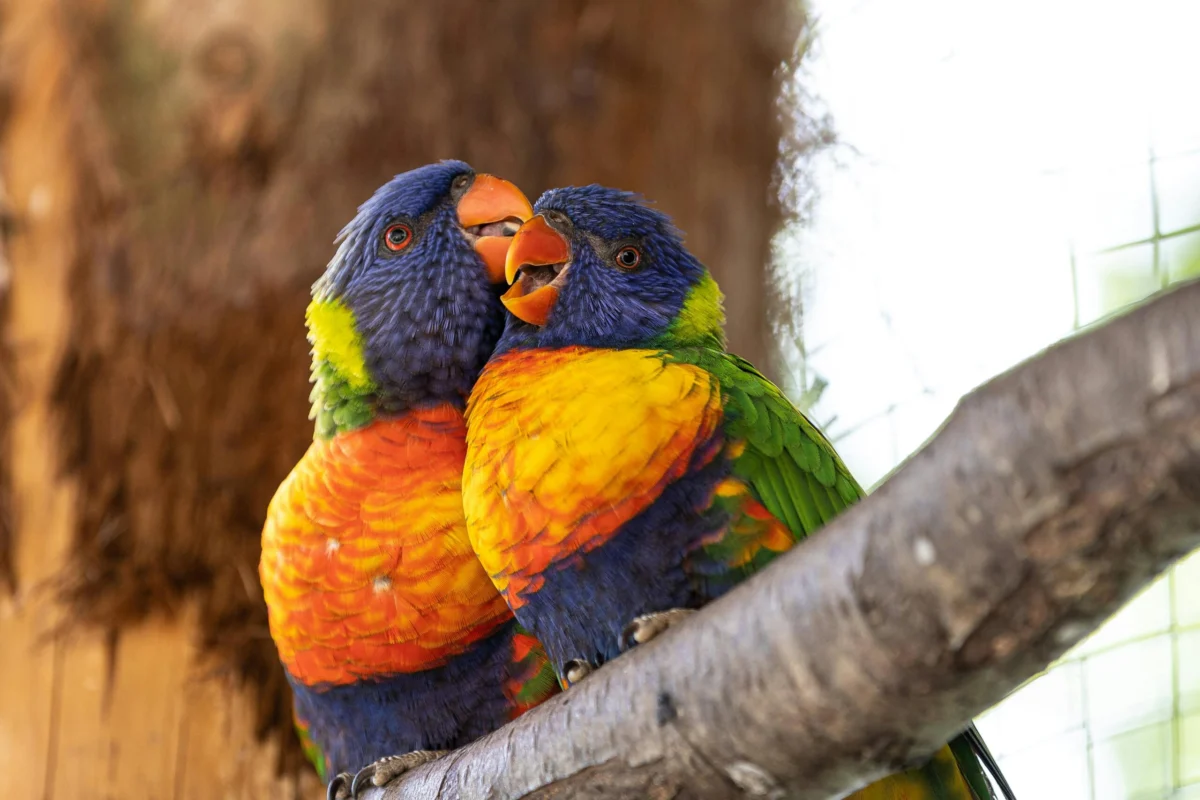
At first glance, many of the birds featured in this exploration of avian wonders might appear to be the product of an artist’s wildest imagination. Their plumage boasts colors so vibrant, patterns so intricate, and forms so striking that they seem more akin to animated characters, digital art, or meticulously crafted toys than living creatures of the natural world. Yet, these astonishing birds are very real, thriving in their respective habitats across the globe. Some can even be found within the United States, offering a glimpse into nature’s extraordinary capacity for creation. This article delves into ten such birds that possess an almost unreal appearance, exploring the evolutionary and ecological reasons behind their breathtaking aesthetics.
The Resplendent Quetzal: A Jewel of the Rainforest
Often hailed as one of the most beautiful birds on Earth, the Resplendent Quetzal (Pharomachrus mocinno) truly looks as though it has flown straight out of a mythical realm. This magnificent bird, found in the cloud forests of Central America, is renowned for its dazzling emerald green plumage, vibrant red breast, and, in males, an exceptionally long, flowing tail of iridescent feathers that can extend up to three feet. This elaborate tail, coupled with its striking coloration, gives the quetzal an ethereal, almost unreal quality.

Why it Looks Unreal: The quetzal’s spectacular appearance is primarily a product of sexual selection. The male’s elongated tail feathers are not only a testament to its genetic fitness but also play a crucial role in courtship rituals. These vibrant colors are achieved through a combination of pigment and structural coloration, where the microscopic structure of the feathers refracts light, producing brilliant, shimmering hues. This visual display is vital for attracting mates and ensuring the continuation of the species. The resplendent quetzal’s existence underscores how evolution can sculpt creatures of unparalleled beauty, driven by the fundamental need to reproduce and thrive. Its elusive nature and the difficulty in observing it in its natural habitat further add to its mythical aura, making sightings a cherished event for ornithologists and birdwatchers alike.
The Mandarin Duck: A Kaleidoscope on Water
The Mandarin Duck (Aix galericulata) is a species that immediately captures attention with its incredibly ornate and varied plumage, particularly in the males. Its appearance is so complex and colorful, featuring a riot of oranges, purples, greens, and whites, that it often evokes comparisons to a painted masterpiece or a meticulously designed ornament. The male duck’s distinctive "sails" – elongated feathers on its back – and its elaborate crest contribute to a silhouette that is both striking and somewhat whimsical.
Where it Can Be Seen: While native to East Asia, small feral populations of Mandarin Ducks have established themselves in various parts of the United States, particularly in well-maintained parks and ornamental ponds. Their presence in these urban and suburban settings, often seemingly out of place due to their exotic appearance, can further enhance the perception of them being unreal. Their ability to adapt to these semi-wild environments, while maintaining their dazzling appearance, is a testament to their resilience.

Why it Looks Unreal: The Mandarin Duck’s flamboyant coloration serves as a powerful signal of health and genetic quality to potential mates. The sheer diversity and intensity of its colors are a result of evolutionary pressures favoring individuals that can produce the most visually appealing displays. This elaborate plumage is not a permanent feature; it is most prominent during the breeding season and is shed and regrown annually, with the males regaining their full splendor before the next mating period. This cyclical display adds to the spectacle and perceived unreality of the bird.
The Painted Bunting: A Living Rainbow
The Painted Bunting (Passerina ciris) is frequently described as the most beautifully colored bird in North America, and for good reason. Males are an astonishing fusion of vibrant colors, boasting a cerulean blue head, emerald green back, and a fiery red underside. This intense and seemingly unnatural combination of hues makes the bird appear as if it were dipped in a palette of bright paints.
Where You Can See It: These stunning birds primarily inhabit the southeastern United States, with significant populations found in states like Texas, Oklahoma, Arkansas, and the Carolinas. They prefer open woodlands, scrublands, and overgrown fields, often visiting bird feeders. Their presence in these accessible areas means that many bird enthusiasts have the opportunity to witness this avian spectacle firsthand, though its vibrant colors still defy easy explanation.

Why it Looks Unreal: The striking coloration of the Painted Bunting is a result of both pigment and structural coloration. The specific pigments in their feathers, particularly carotenoids obtained from their diet (such as berries and seeds), contribute to the red and yellow tones. The blues and greens are created by the way light scatters off the feather’s microscopic structure. This combination of dietary intake and feather physics results in an intensity of color that appears almost artificial, a vivid advertisement of the bird’s health and vigor to potential mates. The stark contrast between the male’s brilliance and the female’s more subdued greenish-brown plumage highlights the role of sexual selection in driving such extreme ornamentation.
The Violet-Backed Starling: An Iridescent Marvel
The Violet-Backed Starling (Cinnyricinclus leucogaster), also known as the Plum-colored Starling, presents a mesmerizing display of iridescence. While its body is a sleek black, its back and wings shimmer with an intense, almost metallic violet hue that shifts and changes with the angle of light. This deep, lustrous sheen can make the bird appear to be a jewel come to life, far removed from the typical earthy tones of many avian species.
Why it Looks Unreal: The starling’s captivating violet coloration is a prime example of structural coloration. Unlike pigments, which are chemical compounds that absorb and reflect light, structural colors are produced by the physical arrangement of microscopic structures on the feather surface. These structures interfere with light waves, causing certain wavelengths to be reflected more strongly, resulting in the brilliant, iridescent effect. This phenomenon means that the bird’s color is not a fixed hue but rather a dynamic display that varies with movement and illumination. This ever-changing appearance contributes to its otherworldly, almost magical quality. It also serves as a powerful visual signal in the complex social lives of starlings, influencing mating and territorial displays. Furthermore, this phenomenon serves as a potent reminder that birds perceive a far broader spectrum of light and color than humans do, making their visual world potentially even more vibrant than we can comprehend.

The Atlantic Puffin: A Comedic Masterpiece
The Atlantic Puffin (Fratercula arctica) possesses a distinctive appearance that often leads to comparisons with cartoon characters. During the breeding season, their faces become adorned with brightly colored bills – a striking combination of orange, yellow, and blue – and they sport bold white patches on their cheeks. Coupled with their stout bodies and upright posture, these features give them a charmingly comical and somewhat artificial look, reminiscent of a character from a children’s book.
Why it Looks Unreal: The puffin’s exaggerated features, particularly its bill, are primarily functional adaptations. The brightly colored bill is thought to play a role in mate recognition and courtship displays. During the breeding season, the bill becomes more vibrant, and the skin beneath it darkens, making the overall coloration more striking. This intensified coloration is a temporary phenomenon; outside of the breeding season, the outer layers of the bill are shed, leaving a smaller, duller beak. This dramatic seasonal change in appearance contributes to the perception of the puffin as an almost theatrical performer, adapting its look for specific biological purposes. Their unique appearance and behavior have made them beloved figures in coastal folklore and popular culture, further solidifying their "unreal" yet endearing image.
The Golden-Headed Quetzal: A Fiery Crown
A close relative of the Resplendent Quetzal, the Golden-Headed Quetzal (Pharomachrus auriceps) also boasts an appearance that seems too extraordinary to be real. While sharing the Resplendent’s impressive tail length and vibrant green body, this species is distinguished by its brilliant golden-yellow head. This striking contrast between the fiery head, the emerald body, and the deep red breast creates a visual impact that is both stunning and otherworldly.

Why it Looks Unreal: Similar to other quetzal species, the Golden-Headed Quetzal’s vivid coloration is a product of both pigment and structural coloration. The iridescent greens and reds are achieved through the scattering of light by specialized feather structures, while the golden head likely derives its color from pigments. This combination of physical and chemical color production results in an intensity and brilliance that can appear digitally enhanced. The golden head, in particular, is a striking feature that likely plays a significant role in mate selection and species recognition within their rainforest habitat. The bird’s name itself, combining the regal "golden" with the mythical "quetzal," hints at its almost legendary beauty.
The Blue Jay: A Common Bird with Uncommon Color
While the Blue Jay (Cyanocitta cristata) is a familiar sight across much of eastern North America, its vivid cerulean blue, black, and white plumage can still evoke a sense of wonder. The intensity of its blue, which appears almost electric against its white and black markings, can sometimes make it seem less like a natural bird and more like a finely crafted model or a character from an animated film.
A Surprising Fact: The striking blue of the Blue Jay is not due to pigment. Instead, it’s a result of structural coloration. The feathers contain microscopic structures that scatter light, reflecting the blue wavelengths. This means that if you were to crush a blue feather, the color would disappear, revealing a dark, uncolored keratinous structure underneath. This phenomenon highlights how nature can create such brilliant hues through physics rather than just chemistry, adding to the bird’s almost magical appearance. Their intelligence and complex social behaviors, including their ability to mimic other birds, further add to their intriguing persona, making them more than just a pretty face.

The Scarlet Macaw: A Splash of Tropical Brilliance
The Scarlet Macaw (Ara macao) is an iconic symbol of the Neotropics, instantly recognizable for its spectacular coloration. Its plumage is a breathtaking mosaic of brilliant scarlet red, complemented by vibrant yellow and azure blue on its wings. This audacious combination of primary colors, set against the backdrop of lush rainforests, creates an image of such intense beauty that it can appear almost surreal, like a painter’s boldest stroke brought to life.
Their Extreme Coloration Helps: The macaw’s flamboyant appearance is not merely for aesthetic appeal; it serves crucial ecological and social functions. The vibrant colors are believed to play a significant role in mate selection, with brighter, more intensely colored individuals likely signaling better health and genetic quality. Furthermore, in the dense foliage of the rainforest, these bright colors can help macaws identify each other from a distance, facilitating flock cohesion and communication. The scarlet coloration also serves as a form of camouflage within the dappled sunlight of the canopy, breaking up the bird’s outline and making it harder for predators to spot. This complex interplay of signaling, identification, and camouflage demonstrates how nature uses color as a sophisticated tool for survival and reproduction.
The Gouldian Finch: A Living Gemstone
The Gouldian Finch (Erythrura gouldiae), native to Australia, is a small bird that packs an extraordinary visual punch. It exists in several color morphs, but the most striking features a vibrant purple chest, neon green back and wings, and a bright yellow or orange face. The combination of these intense, almost luminous colors, along with its small size, makes it look like a living gemstone, an exquisite piece of jewelry rather than a wild bird.

Why it Looks Unreal: The Gouldian Finch’s remarkable coloration is a product of evolutionary pressures related to mate choice and social signaling. The different color morphs, particularly the head color (black, red, or yellow), are genetically determined and play a critical role in mate selection. Birds tend to choose mates with the same head color, reinforcing the genetic lines. The brilliant body colors are likely influenced by diet, particularly the pigments obtained from the seeds and fruits they consume. These vivid colors not only signal the bird’s health and genetic quality but also contribute to the intricate social dynamics within finch populations. Their beauty is so profound that they are highly sought after in the pet trade, though conservation efforts are crucial to protect their wild populations.
The Keel-Billed Toucan: A Bill of Wonders
The Keel-Billed Toucan (Ramphastos sulfuratus) is instantly recognizable for its disproportionately large and vibrantly colored bill, which features a striking rainbow of green, blue, orange, and yellow. This enormous, multi-hued appendage, coupled with the bird’s otherwise dark body and bright yellow throat, creates a visual effect that is both comical and awe-inspiring, appearing almost too fantastical to be real.
A Surprising Function Beyond Aesthetics: While its appearance is undeniably striking, the toucan’s massive bill serves several important practical purposes. One of its primary functions is thermoregulation. In the hot, humid climates where toucans live, the bill acts as a radiator, allowing the bird to dissipate excess body heat. The extensive network of blood vessels within the bill facilitates this process. Additionally, the bill is surprisingly lightweight, composed of a honeycomb-like structure of keratin. This allows it to be used for reaching fruits on branches that might not support the bird’s weight, for plucking and swallowing food, and potentially for defense and visual signaling. The bill’s colors are not pigment-based but are created by the way light reflects off the keratin’s structure. This combination of vibrant, almost artificial-looking color and significant functional utility makes the Keel-Billed Toucan a true marvel of evolutionary design.

Why Birds Evolve Such Unreal Colors
The dazzling array of colors and patterns seen in birds is not a mere accident of nature or an attempt to impress human observers. These remarkable traits are the result of millions of years of evolution, driven by powerful forces that shape life on Earth.
Bright Colors Help Birds:
- Attract Mates: In many species, particularly males, vibrant plumage serves as a visual advertisement of health, vigor, and genetic quality. This sexual selection process encourages the evolution of increasingly elaborate and colorful displays.
- Communicate with Each Other: Colors can convey a wide range of information, including species identity, social status, territorial claims, and warnings. This visual language is crucial for navigating complex social structures and avoiding conflict.
- Camouflage: Paradoxically, some bright colors can aid in camouflage by breaking up the bird’s outline against a colorful or dappled background, making it harder for predators to detect.
- Thermoregulation: As seen with the Keel-Billed Toucan, some brightly colored appendages can play a role in regulating body temperature by radiating heat.
- Warn Predators: Aposematic coloration, common in insects, also appears in some birds, where bright colors signal toxicity or unpalatability, deterring potential predators.
It is also important to note that the visual spectrum perceived by birds is often far broader and more complex than that of humans. Many birds can see ultraviolet light, meaning that colors that appear ordinary to us may possess hidden patterns and intensities to them. This enhanced visual perception allows for a richer and more nuanced communication system, further contributing to the vibrant and seemingly unreal appearances of many avian species.

The Takeaway: Nature’s Unending Creativity
The existence of birds with colors and patterns that challenge our perception of reality serves as a profound reminder of nature’s boundless creativity and ingenuity. These creatures have evolved their extraordinary appearances not to conform to human aesthetics but to fulfill essential biological imperatives: survival and reproduction. Their vibrant plumage is a testament to the intricate interplay of genetics, environment, and evolutionary pressures. Once one begins to observe the diversity and beauty of the avian world, it becomes clear that reality, in its most natural form, often surpasses the wildest flights of our imagination. The study of these birds is an ongoing journey into the astonishing adaptability and artistry of the natural world, revealing that the most spectacular designs are often found not in a studio or a digital canvas, but in the wild heart of evolution itself.

