


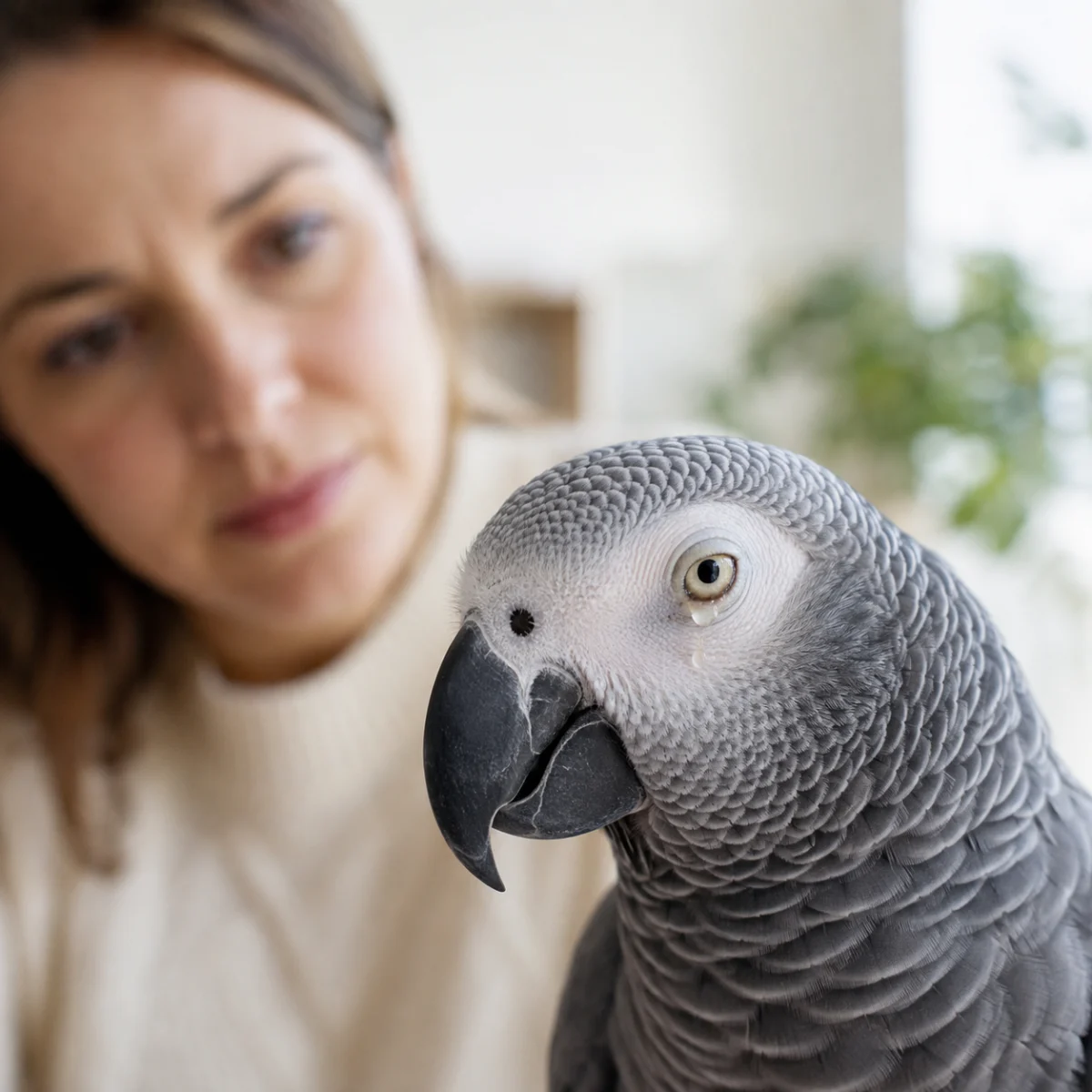
For dedicated bird owners, noticing a slight change in a pet’s appearance—such as a bit of moisture around the eye—often triggers immediate concern. While avian anatomy is complex and delicate, not every instance of ocular moisture is a sign of a medical emergency. However, distinguishing between a benign, temporary reaction to environmental factors and the early warning signs of a serious underlying pathology is a critical skill for any bird guardian. Understanding the nuance of avian eye health requires a shift from passive observation to proactive, informed monitoring.
The Anatomy of Concern: When Moisture is Normal
To understand when to seek help, owners must first recognize the baseline of normal ocular function in birds. A bird’s eye is remarkably efficient, utilizing a protective third eyelid known as the nictitating membrane. This membrane sweeps across the cornea to clear debris and provide lubrication. Consequently, it is common to see a slight, transient appearance of moisture immediately following specific activities.
For instance, after a vigorous grooming session, a bathing event, or during periods of increased dust or dander in the environment, a bird may exhibit minor tearing. In these cases, the moisture should be fleeting. If the eye appears bright, the eyelid edges are clean, and the bird returns to its normal behavioral baseline within a short period, the observation is likely a standard physiological response. The key indicator of health is the recovery rate; a healthy bird’s eye returns to a clear, dry, and comfortable state rapidly.
Distinguishing Pathological Symptoms from Environmental Irritants
The transition from a normal physiological response to a clinical concern is defined by persistence and the appearance of secondary symptoms. Veterinary experts emphasize that any discharge that does not resolve quickly must be treated as a potential medical issue.
Chronologically, the progression of an avian eye disorder often follows a specific pattern. Initially, an owner may notice a slight increase in blinking or a singular "teary" eye. If the cause is a foreign object—such as a piece of seed hull or a feather fiber—the irritation may persist until the particle is flushed out. However, if the root cause is bacterial, viral, or related to systemic sinus inflammation, the symptoms will escalate. Within 24 to 48 hours, the discharge may change from clear and watery to cloudy, thick, or discolored. During this timeframe, observers should look for physical indicators of pain or discomfort: the bird may squint, keep the eye partially closed, or rub the affected side against cage perches and toys.
Data-Driven Analysis of Ocular Discharges
While color and consistency do not provide a definitive diagnosis, they serve as essential diagnostic clues for avian practitioners. According to clinical data in avian medicine, the physical characteristics of discharge often point to different physiological challenges:
- Clear/Watery: Often associated with mechanical irritation, early-stage allergies, or mild upper respiratory involvement.
- White/Cloudy: Frequently suggests the presence of inflammatory cells, indicating that the body is mounting an immune response to a potential pathogen.
- Yellow/Green: Often indicative of a bacterial infection, requiring professional veterinary intervention, including potential culture and sensitivity testing.
- Crusty/Dried: This often represents a "staged" problem where the discharge has been present long enough to accumulate and harden. This is rarely a primary symptom and usually signifies a chronic or recurring condition.
The Systemic Connection: Sinus and Respiratory Links
A common misconception among novice bird owners is that an eye problem is strictly ocular. In avian biology, the eyes, sinuses, and respiratory system are intimately linked. The infraorbital sinuses are located directly beneath and around the eyes. Because of this anatomical proximity, inflammation in the sinuses—often caused by respiratory pathogens like Chlamydiosis or Mycoplasma—frequently manifests as eye swelling or discharge.
This interconnectedness means that an "eye issue" might actually be a symptom of a systemic respiratory infection. Owners are advised to monitor for concurrent symptoms such as sneezing, nasal discharge, changes in vocalization, or labored breathing. If these symptoms are present, the urgency of the veterinary consultation increases significantly, as systemic infections can progress rapidly in avian species due to their high metabolic rates.
Professional Intervention and Diagnostic Protocols
When an owner decides that "watching and waiting" is no longer appropriate, the role of the avian veterinarian becomes paramount. The diagnostic process typically begins with a thorough physical examination, where the practitioner evaluates the cornea for ulcers or scratches—often using fluorescein staining.
The veterinarian may also conduct a cytology exam or a bacterial culture of the discharge to determine the specific pathogen involved. It is critical to note that treating these conditions based on guesswork is dangerous. Applying human ophthalmic drops or leftover antibiotics without a proper diagnosis can mask the underlying problem, lead to drug resistance, or even cause direct harm to the delicate tissues of the eye. For example, some corticosteroid-based drops, if used on a corneal ulcer, can cause the ulcer to worsen or perforate, potentially leading to the loss of the eye.
Nutritional Foundations and Long-Term Wellness
While acute infections require medical treatment, long-term ocular health is deeply tied to nutritional status. Vitamin A is perhaps the most critical nutrient for the maintenance of epithelial tissues, which line the eyes, sinuses, and respiratory tract.
Birds maintained on a diet consisting primarily of seeds are at a significantly higher risk of hypovitaminosis A. Over time, a lack of this nutrient causes the protective tissues to become thin and prone to infection. This is a classic example of a nutritional risk factor manifesting as an ocular symptom. The clinical recommendation is a shift toward a balanced, formulated diet supplemented with dark, leafy greens, carrots, and sweet potatoes, which provide the beta-carotene necessary for healthy tissue integrity. However, it is vital to avoid excessive supplementation, as hypervitaminosis A can be just as detrimental as a deficiency.
The Chronology of Proper Response
In the event that an owner notices persistent discharge, the following timeline is recommended for a standard of care:
- Initial Observation: If the eye is watery, check for environmental debris. Keep the bird in a clean, dust-free environment.
- The 24-Hour Rule: If the eye is still watering after 24 hours, or if the bird is showing signs of lethargy, appetite loss, or facial swelling, contact an avian veterinarian immediately.
- Triage: During the call, describe the appearance of the eye, whether one or both eyes are affected, and if any sneezing or respiratory sounds are present.
- Cleaning Protocol: Only if the discharge is causing significant buildup, use warm water and clean gauze to gently remove the debris. Never force the eye open or use chemical cleaners.
- Clinical Assessment: Follow the veterinarian’s instructions regarding transport. Because stress can exacerbate an ill bird’s condition, follow specific protocols for keeping the bird warm and secure during the trip.
Broader Implications for Avian Care
The prevalence of eye disorders in captive birds serves as a bellwether for overall husbandry standards. Studies in avian clinical medicine suggest that a high percentage of ocular issues are preventable through improved sanitation, adequate ventilation to reduce dander and dust, and the provision of a nutritionally complete diet.
Furthermore, the social nature of many parrot species means that if one bird is suffering from an infectious ocular condition, the risk of transmission to flock mates is a reality that cannot be ignored. Veterinary guidance on isolation and sanitation becomes a necessary component of the recovery process.
Ultimately, the goal for bird owners is to cultivate an observant relationship with their pets. By understanding the difference between a minor, temporary irritation and a chronic health issue, owners can provide the necessary interventions to ensure their birds lead long, healthy lives. When in doubt, the expert consensus remains clear: early detection by a qualified avian professional is the most effective tool in preventing minor ocular irritations from becoming life-threatening conditions.

