


The arrival of new pet rats into a household marks the beginning of a complex, rewarding, and highly interactive relationship that requires specific husbandry knowledge to ensure both the welfare of the animals and the satisfaction of the owner. Domesticated rats, known scientifically as Rattus norvegicus domestica, are highly social, intelligent, and crepuscular mammals. Bringing these animals into a home environment necessitates an immediate transition from their previous habitat to a permanent, secure, and stimulating living space. Understanding the nuances of their behavior, dietary requirements, and health indicators is essential for establishing a long-term bond and maintaining a healthy living environment.
The Initial Transition: From Transport to Habitat Integration
The process of moving a rat from a breeder, rescue, or pet shop to a permanent home is a high-stress event for the animal. Chronologically, the first phase involves the "Homecoming Period," which lasts from the moment of arrival until the rats have acclimated to their new surroundings—typically a window of 24 to 72 hours.
Professional animal husbandry standards dictate that the primary habitat, or cage, must be fully assembled and equipped prior to the rats’ arrival. Upon arrival, the animals should be placed directly into their enclosure. While new owners often feel the urge to handle their pets immediately, behavioral experts suggest a "decompression period." If the travel duration exceeded one hour, the animals should be granted 30 to 60 minutes of undisturbed time to explore their environment and mitigate the physiological effects of transit-induced stress.

Behavioral Expectations and Socialization Protocols
Rats exhibit a spectrum of temperaments, ranging from bold and exploratory to cautious and skittish. Data regarding rodent behavior suggests that these animals rely heavily on established social hierarchies and environmental familiarity to feel secure. Consequently, owners should adopt a proactive, rather than passive, approach to socialization.
Contrary to the misconception that new rats require a period of isolation to "adjust," evidence suggests that daily, consistent interaction is vital for fostering trust. Fear is a natural survival instinct; therefore, the owner must become a predictable, positive presence. This involves:
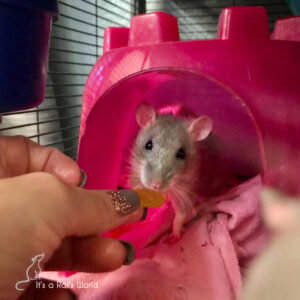
- Positive Reinforcement: Utilizing high-value treats to associate the presence of a human hand with a positive outcome.
- Active Engagement: Incorporating daily out-of-cage time in a secure, neutral zone to facilitate bonding outside of the territorial confines of the cage.
- Monitoring Stress Signals: Identifying signs of distress—such as freezing, excessive grooming, or avoidant behavior—and adjusting the intensity of interaction accordingly, while still maintaining a consistent daily schedule.
Nutritional Requirements and Feeding Regimens
The metabolic rate of a domestic rat is significantly higher than that of larger domestic pets, necessitating a carefully managed feeding schedule. Nutritional experts generally recommend a diet composed of a high-quality, lab-block staple supplemented with fresh vegetables and periodic, small amounts of protein or fruit.
To prevent obesity and encourage natural foraging behaviors, owners are advised to divide the total daily intake into two primary feedings—breakfast and dinner. This dual-feeding approach mirrors their crepuscular activity patterns. Providing fresh, whole foods such as carrots, leafy greens, and cooked legumes adds essential fiber and enrichment. It is important to note that certain environmental factors, such as the use of harsh chemicals or strong perfumes near the cage, can negatively affect a rat’s sensitive respiratory system and olfactory-driven feeding habits.
Environmental Sanitation and Disease Prevention
The maintenance of a rat’s habitat is the most significant factor in preventing respiratory issues and dermatological conditions. Because rats are prone to mycoplasmosis—a common respiratory infection—sanitation is a matter of veterinary health.
A standardized maintenance schedule should include:
- Daily Spot Cleaning: Removal of soiled bedding, uneaten fresh food, and waste from high-traffic areas.
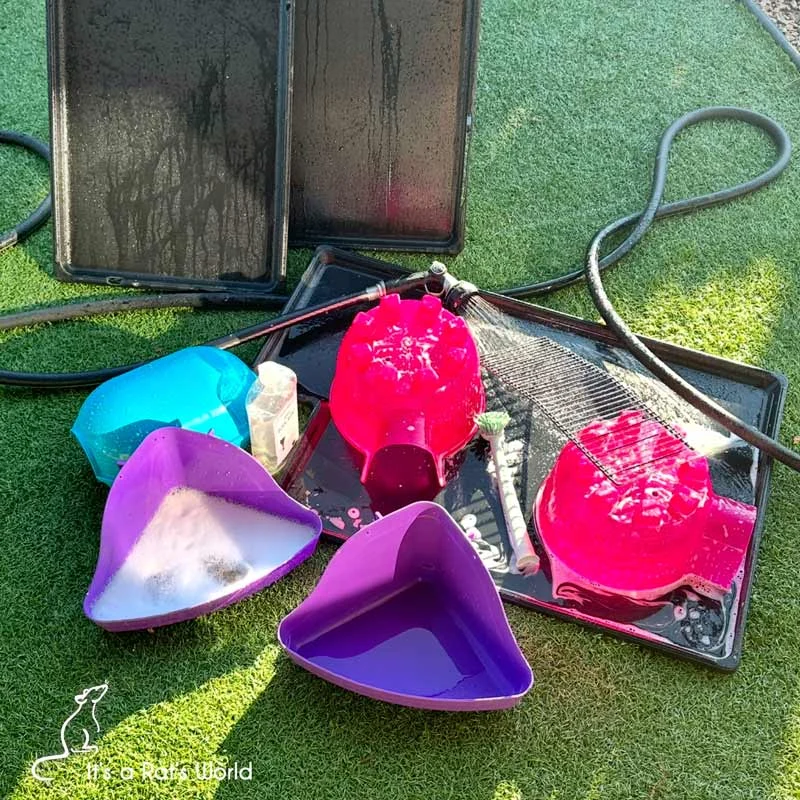
- Weekly Deep Cleaning: A comprehensive sanitization of the cage structure, including the washing of hammocks, plastic accessories, and the removal of accumulated urine from bar surfaces, which can harbor bacteria.
Failure to maintain these standards can lead to ammonia buildup, which is a primary irritant for rat respiratory tracts. Owners should ensure that the cage is located in a draft-free, quiet area of the home with stable temperatures between 65°F and 75°F.
Veterinary Considerations and Health Monitoring
The "first-week" assessment is critical. If the rats were sourced from an environment with poor husbandry standards, the risk of sub-clinical illness is elevated. Owners should observe for specific clinical signs:
- Respiratory: Audible crackling, wheezing, or frequent sneezing.
- Dermatological: Visible lesions, excessive scratching, or dull coat condition.
- Behavioral: Persistent lethargy or refusal to eat.
While established, reputable rescues often provide initial medical clearances, owners should proactively identify an exotic animal veterinarian. Unlike dogs or cats, rats require a specialist who understands the nuances of rodent pharmacology and surgical care. Establishing a "wellness baseline" within the first month of ownership allows the owner to detect subtle health changes more effectively in the future.
Managing Common Behavioral Quirks
New owners are frequently startled by behaviors that are normal for the species but misunderstood as aggression. One such behavior is "sock-biting." This is often a playful, exploratory, or grooming-related behavior where the rat interacts with the fabric of a person’s socks. It is generally non-aggressive and does not indicate a behavioral disorder.
Similarly, the "grooming" of human fingers—sometimes involving gentle nips—is a social bonding mechanism. Misinterpreting these interactions as attacks can lead to a cycle of avoidance, which damages the human-animal bond. Education regarding species-specific communication, such as the distinction between a "warning nip" and social grooming, is a fundamental component of responsible guardianship.
Broader Implications and Long-Term Commitment
The decision to adopt rats is a commitment that typically spans two to three years. The implication of this responsibility is significant: it involves daily physical interaction, regular cage maintenance, and an ongoing financial commitment to veterinary care.

As the animals transition from the "new" stage to becoming integrated members of the household, the focus shifts toward advanced enrichment. This includes providing complex, multi-level environments, puzzle feeders, and regular social time with their human caretakers.
In conclusion, the successful integration of pet rats into a home requires a balance of structure, patience, and informed care. By adhering to a routine that prioritizes hygiene, proper nutrition, and consistent, empathetic socialization, owners can mitigate the initial stress of the transition. The goal for any new owner should be to evolve from a source of apprehension for the animal into a trusted companion. Through ongoing education and a commitment to understanding the unique biological and social needs of Rattus norvegicus domestica, the experience of guardianship becomes a highly rewarding endeavor that facilitates a deep, meaningful connection between human and rodent. Following the guidelines established by veterinary and animal welfare professionals remains the most effective strategy for ensuring a long and healthy life for these intelligent, curious creatures.

