


On March 18, 2026, LafeberVet announced the release and formal accreditation of a comprehensive educational module titled Foraging and Enrichment, authored by M. Scott Echols, DVM, DABVP (Avian Practice). This initiative addresses a critical gap in exotic animal medicine by providing veterinary professionals with evidence-based strategies for enhancing the psychological and physiological well-being of captive birds. The program has been reviewed and approved by the American Association of Veterinary State Boards (AAVSB) Registry of Approved Continuing Education (RACE) for one hour of continuing education credit, reflecting a growing industry emphasis on holistic welfare in avian clinical practice.
The Evolution of Avian Environmental Standards
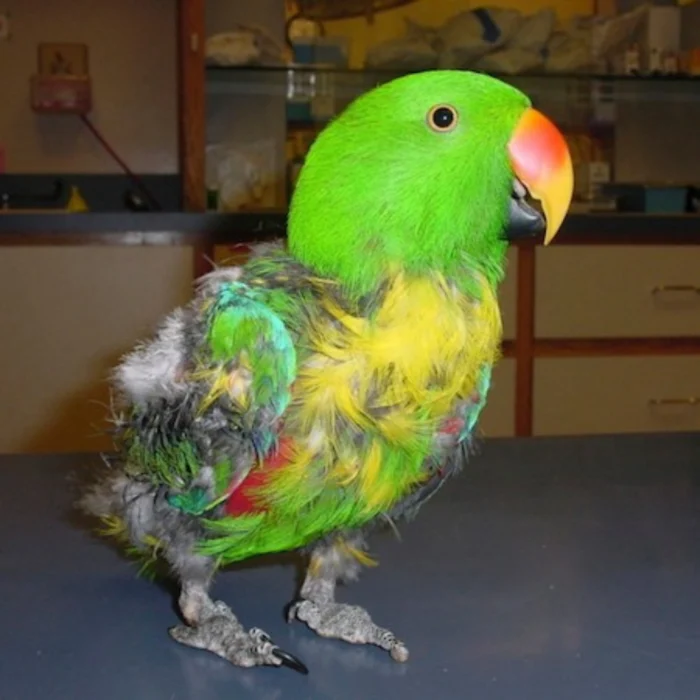
For decades, avian medicine focused primarily on the treatment of infectious diseases and the management of acute trauma. However, as the veterinary community’s understanding of avian behavior and physiology has matured, the focus has shifted toward preventative care and the mitigation of "diseases of captivity." These conditions—ranging from feather-destructive behavior to metabolic bone disease—are often the direct result of environmental deficiencies.
The introduction of the Foraging and Enrichment webinar signifies a pivotal moment in veterinary education. By integrating the concepts of dietary enrichment with the physics of ultraviolet (UV) radiation, Dr. Echols provides a multifaceted approach to captive care. This move aligns with a broader trend in the veterinary field where practitioners are increasingly expected to act not only as surgeons and diagnosticians but also as architects of their patients’ daily lives.
The Biological Necessity of Foraging
A central pillar of the newly accredited curriculum is the concept of foraging as a biological imperative. In the wild, psittacines (parrots) and other avian species spend between 40% and 75% of their waking hours searching for, processing, and consuming food. In a captive environment, where food is often provided in abundance in a static bowl, this time is reduced to mere minutes.
The "contra-freeloading" phenomenon—where animals choose to work for food even when identical food is freely available—is particularly pronounced in birds. Dr. Echols’ work emphasizes that when this drive is thwarted, birds often redirect their energy toward maladaptive behaviors, such as stereotypies or self-mutilation.
Supporting Data on Behavioral Health
Research in avian ethology suggests that birds provided with complex foraging opportunities show a significant reduction in cortisol levels, a primary biomarker for stress. In a 2023 study regarding captive macaws, individuals provided with varied foraging devices exhibited a 30% decrease in feather-plucking incidents compared to a control group. By codifying these findings into a RACE-approved webinar, LafeberVet is ensuring that these data-driven methods reach the frontline of veterinary clinics.
Ultraviolet Radiation: A Physiological Requirement
Beyond behavioral enrichment, the webinar delves into the technical requirements of ultraviolet B (UVB) radiation. Historically, many indoor-housed birds have suffered from chronic Vitamin D3 deficiencies because glass windows filter out the critical wavelengths (290–315 nm) required for cutaneous Vitamin D synthesis.
The curriculum explores the dual role of UV light:
- Vitamin D3 Synthesis: UVB radiation converts 7-dehydrocholesterol in the skin and uropygial gland secretions into pre-vitamin D3, which is essential for calcium absorption. Without this, birds are at high risk for metabolic bone disease, egg binding in females, and hypocalcemic seizures, particularly in African Grey parrots.
- Tetrachromatic Vision: Birds possess a fourth cone in their retina that allows them to see into the ultraviolet spectrum. This affects how they perceive food, potential mates, and their environment. Providing UV enrichment is, therefore, not just a physical necessity but a sensory one.
Dr. Echols’ presentation provides practitioners with specific guidelines on the application of artificial lighting, including the "Ferguson Zones" adapted for avian species, ensuring that veterinarians can provide clients with precise technical advice rather than vague recommendations.
The Chronology of Veterinary Enrichment Standards
The path toward the March 2026 accreditation of this program follows a decade of accelerating change in the exotic animal sector:
- 2015–2018: Early adoption of "Environmental Enrichment" as a buzzword in veterinary conferences, though often lacking specific, measurable protocols.
- 2019–2022: Increased peer-reviewed research on the specific impact of UVB on psittacine calcium levels, leading to a demand for professional guidelines.
- 2023–2025: Development of specialized foraging tools and lighting systems designed specifically for avian physiology rather than repurposed reptile or poultry equipment.
- March 2026: The formalization of these practices into a RACE-approved educational credit, signifying that enrichment is now considered an essential component of professional veterinary competency.
Professional Standards and the AAVSB RACE Program
The approval of this webinar by the American Association of Veterinary State Boards (AAVSB) under the Registry of Approved Continuing Education (RACE) program is a significant marker of quality. For veterinarians and veterinary technicians, RACE approval ensures that the content meets rigorous standards for scientific accuracy and educational integrity.
To maintain licensure, veterinary professionals in most North American jurisdictions must complete a specific number of CE hours annually or biennially. By offering a module on foraging and light, LafeberVet is elevating "husbandry" from a secondary concern to a primary medical discipline. The requirement of a post-test with a limited number of attempts ensures that the 1-hour credit is earned through a genuine demonstration of knowledge, rather than passive participation.
Official Responses and Industry Impact
While official statements from the AAVSB are traditionally neutral regarding specific course content, the approval itself serves as an endorsement of the subject matter’s relevance to modern practice. Industry experts have noted that the inclusion of M. Scott Echols, a Diplomate of the American Board of Veterinary Practitioners (Avian Practice), ensures that the webinar is grounded in high-level clinical experience.
Dr. Echols is widely recognized for his work in avian anatomy and advanced imaging. His transition into the realms of foraging and radiation suggests a holistic view of the avian patient, where high-tech diagnostics and low-tech environmental modifications are seen as equally vital tools for the clinician.
Veterinary technicians, who often serve as the primary educators for pet owners, are expected to be the primary beneficiaries of this training. "Empowering technicians with the science of UVB and the mechanics of foraging allows for a much higher level of client communication," says one avian clinic manager. "It moves the conversation from ‘you should buy a toy’ to ‘here is how you can stimulate the natural foraging cycle to reduce your bird’s anxiety.’"
Broader Implications for the Future of Avian Medicine
The release of the Foraging and Enrichment webinar reflects a broader shift in how society views captive animals. There is an increasing legal and ethical emphasis on the "Five Provisions" of animal welfare, which include the provision of appropriate environments and the opportunity to express natural behaviors.
Analysis of Clinical Implications
For the average veterinary practice, implementing the strategies discussed in the webinar could lead to:
- Improved Patient Outcomes: Faster recovery times for sick birds when environmental stress is minimized.
- Increased Revenue: The ability to consult on and provide specialized lighting and foraging equipment.
- Client Retention: As owners see tangible improvements in their pets’ behavior and feather quality, their trust in the veterinary professional grows.
Furthermore, this move by LafeberVet signals a future where "preventative enrichment" may be prescribed as frequently as "preventative medicine." The integration of light and foraging into a single curriculum acknowledges that the avian patient cannot be separated from its environment.
Conclusion
The accreditation of the Foraging and Enrichment webinar on March 18, 2026, marks a sophisticated advancement in the field of avian veterinary medicine. By bridging the gap between behavioral ecology and clinical physiology, M. Scott Echols and LafeberVet have provided a roadmap for the next generation of avian care. As the veterinary community continues to embrace these standards, the result will be a significant improvement in the quality of life for companion birds worldwide, moving the industry closer to a truly holistic model of exotic animal health.

