


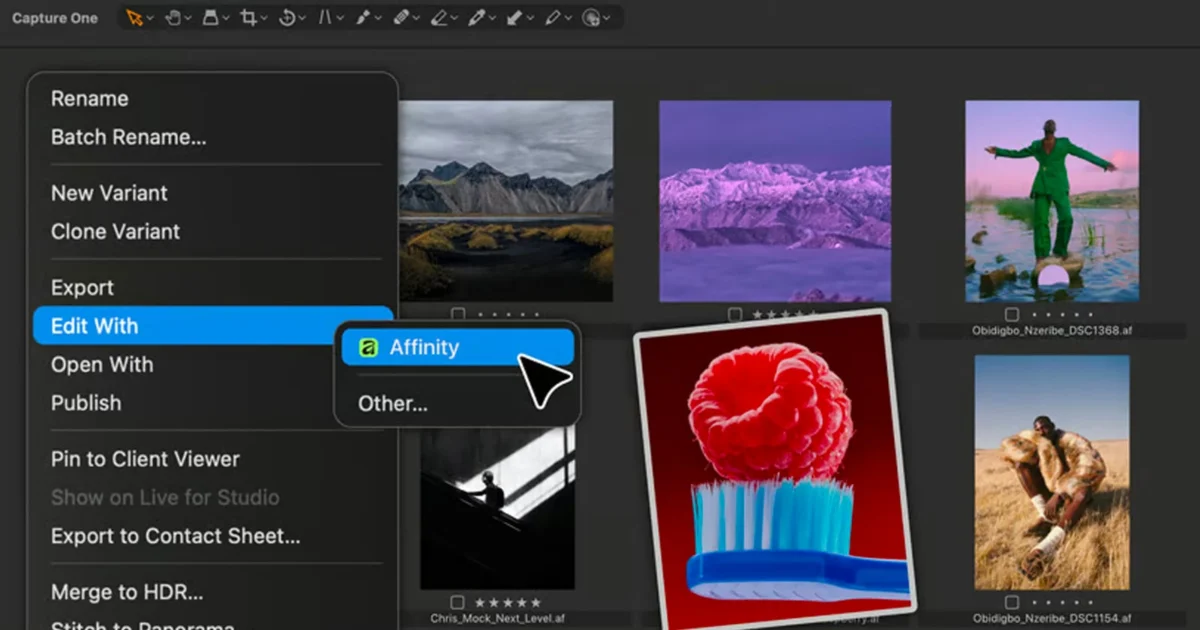
The landscape of professional creative software underwent a significant shift this week as Canva unveiled its latest suite of updates during the Canva Create 2026 event, headlined by the introduction of native support for Affinity’s .af file format within Capture One and DaVinci Resolve. This strategic integration represents a major milestone in the maturation of the Canva-Affinity ecosystem, effectively bridging the gap between professional photography, high-end video production, and collaborative graphic design. By removing the technical barriers that have historically forced creators to rely on intermediary file formats, this update streamlines the professional workflow for millions of users worldwide.
The Evolution of a Connected Creative Workflow
The introduction of native .af file support is designed to address a primary pain point in the creative industry: the "friction" of file conversion. For years, professionals moving between photo editing and video post-production were required to export assets as flattened JPEGs, heavy TIFFs, or Adobe-proprietary PSD files. These steps not only consumed valuable time but often resulted in a loss of metadata, layer flexibility, and overall image integrity.
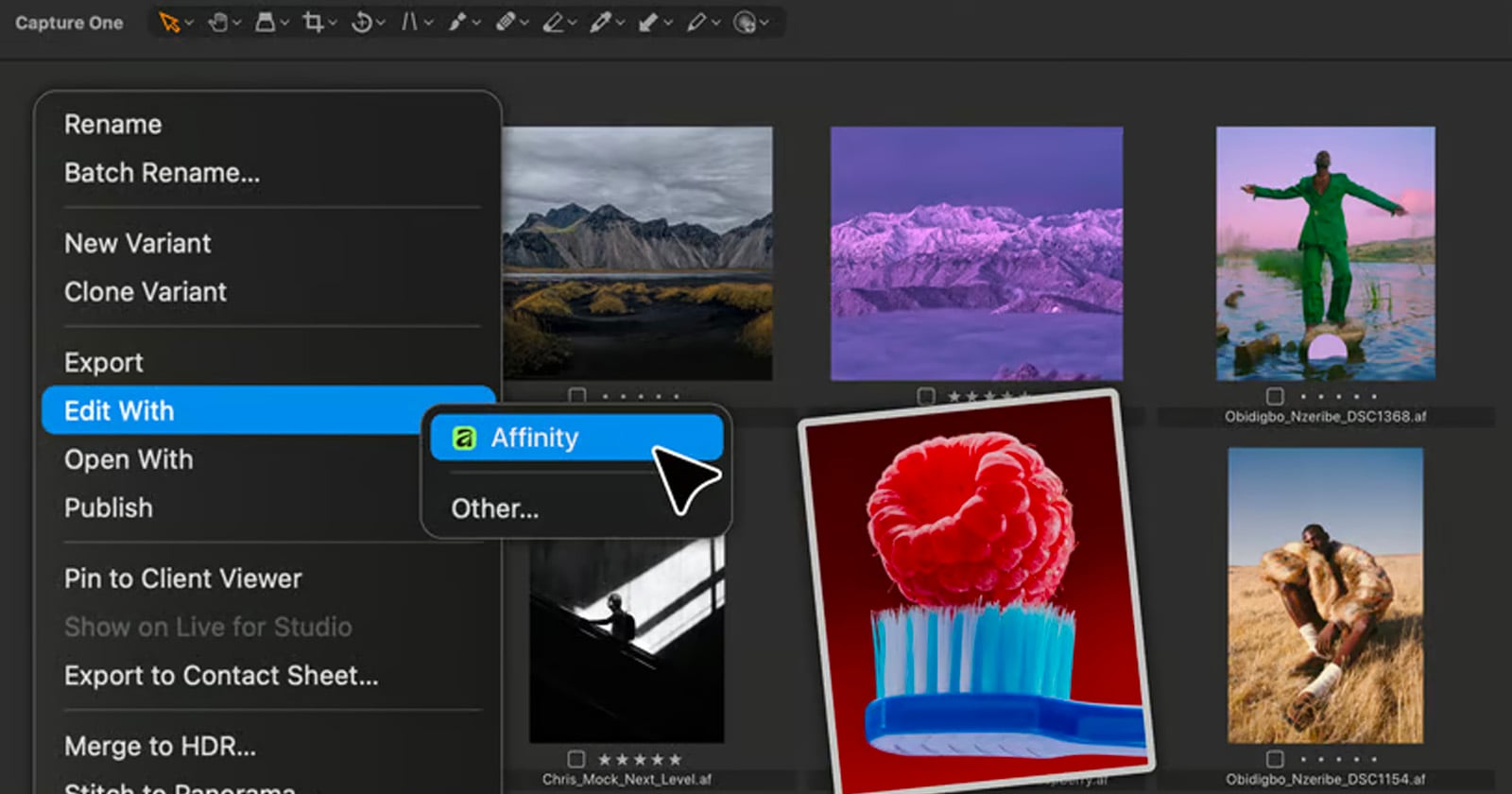
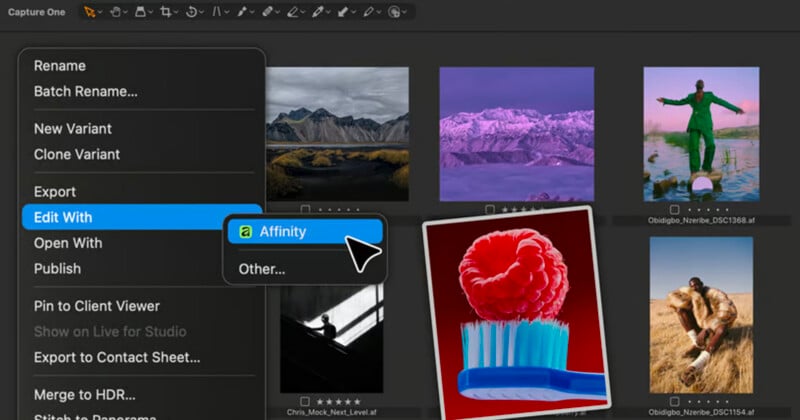
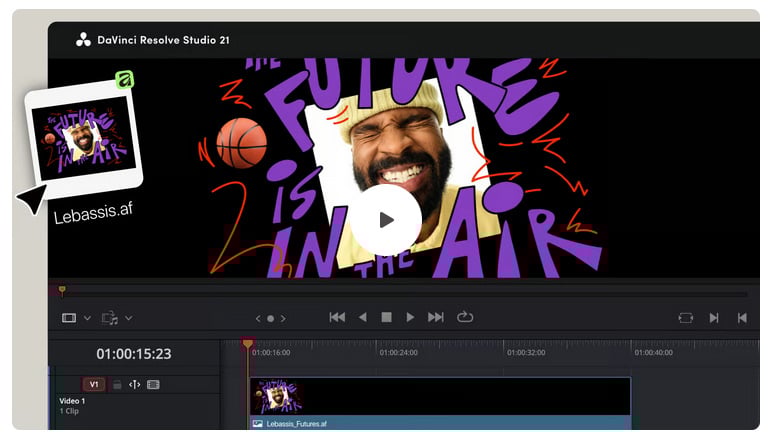
With this update, projects created within the Affinity suite—comprising Affinity Photo, Affinity Designer, and Affinity Publisher—can now be opened directly in Capture One for advanced photographic adjustments or dropped into a DaVinci Resolve timeline for video integration. This native compatibility ensures that the internal structure of the file remains intact, allowing for a level of cross-platform agility that was previously the exclusive domain of the Adobe Creative Cloud.
The most transformative aspect of this integration is the "Live Sync" capability introduced for DaVinci Resolve. When a designer updates an .af file within the Affinity interface and saves the changes, the asset automatically refreshes within the DaVinci Resolve timeline. This eliminates the need for re-exporting and relinking files, a process colloquially known among editors as "file gymnastics." By maintaining a live link between the design and video environments, creative teams can iterate on graphics, titles, and overlays in real-time without breaking the momentum of the editing session.
A Chronology of the Canva-Affinity Integration
The journey toward this level of interoperability began in March 2024, when Canva, the global visual communication platform, announced its acquisition of Serif, the UK-based developer of the Affinity suite. At the time of the acquisition, industry analysts and users expressed a mixture of optimism and concern, questioning whether the professional-grade, perpetual-license model of Affinity could coexist with Canva’s template-driven, subscription-based ecosystem.
Throughout 2024 and 2025, Canva and Serif worked to reassure the professional community by pledging to maintain Affinity’s core identity while leveraging Canva’s vast resources to accelerate feature development. The April 2026 announcements serve as the culmination of these efforts.
The timeline of this integration highlights a deliberate move toward "pro-sumer" and "pro" market dominance:
- Early 2024: Canva acquires Serif (Affinity) to bolster its professional design capabilities.
- Late 2024: Initial cross-platform asset sharing is introduced between Canva and Affinity.
- 2025: Development of the unified .af format begins to gain traction with third-party developers like Blackmagic Design (DaVinci Resolve) and Phase One (Capture One).
- April 2026: Full native support is launched, alongside the integration of Canva’s AI Studio and Brand Systems into the Affinity interface.
Integration of Canva AI Studio and Brand Systems
Beyond file compatibility, Canva is deepening the technical bond between its platforms by embedding its advanced AI and brand management tools directly into the Affinity suite. This move effectively transforms Affinity from a standalone creative tool into a specialized node within the broader Canva ecosystem.
The new Canva AI Studio, now accessible within Affinity, provides professionals with a range of generative tools designed to expedite repetitive tasks. These features include:
- Generative Expand: Allowing users to extend the borders of an image using AI to fill in the background seamlessly.
- Background Removal and Portrait Adjustments: One-click solutions for common retouching needs.
- AI Upscaling: Enhancing low-resolution images for large-format printing or high-definition video.
- Generative Image Creation: Enabling designers to brainstorm and create assets from text prompts without leaving their primary workspace.
Crucially, while Affinity’s core tools remain available through its traditional one-time purchase model, access to these advanced AI features is tied to Canva’s premium subscription plans. This hybrid model allows Canva to cater to both the "no-subscription" purists and the modern professional who values the efficiency of cloud-based AI.
Furthermore, the introduction of the Canva Brand System into Affinity ensures brand consistency across large organizations. Creative leads can now push approved colors, logos, and typography directly into the Affinity workspace of their designers. Once a project is completed in Affinity, it can be exported back into the Canva environment for distribution, ensuring that high-end design work is easily accessible for social media managers and marketing teams who primarily use the Canva web interface.
Market Analysis: Strengthening the Adobe Alternative
The strategic importance of this update cannot be overstated in the context of the current software market. For over a decade, Adobe’s Creative Cloud has maintained a near-monopoly on professional creative workflows. However, recent years have seen a growing "subscription fatigue" and a series of controversies regarding Adobe’s terms of service and data privacy policies.
By fostering a native pipeline between Capture One (the industry standard for tethered shooting and RAW conversion), DaVinci Resolve (the leader in cinematic color grading), and Affinity (the primary alternative to Photoshop and Illustrator), Canva is effectively building a cohesive "Third-Party Alliance."
Data suggests that the "non-Adobe" workflow is gaining significant traction:
- Capture One remains the preferred choice for 70% of high-end fashion and commercial photographers due to its superior color science.
- DaVinci Resolve has seen a massive influx of users from Adobe Premiere Pro, driven by its robust free version and industry-leading GPU acceleration.
- Affinity recently surpassed 3 million users, many of whom migrated during the 2024 "Adobe Terms of Service" backlash.
By enabling these three powerhouses to speak the same native language (.af), Canva is offering a viable, high-performance ecosystem that rivals the Adobe suite in terms of integration while offering more flexible pricing structures.
Industry Reactions and Professional Impact
The response from the creative community has been largely positive, particularly among hybrid creators who manage both photography and video production.
"The ability to move a design from Affinity Photo into a Resolve timeline and see it update instantly is a game-changer for our motion graphics workflow," said one lead editor at a prominent digital agency. "Previously, we were losing hours every week just managing file versions. This update treats the design as a living asset rather than a static export."
Capture One users have similarly praised the move, noting that it simplifies the process of creating complex composites. Photographers can now perform their primary RAW adjustments in Capture One, send the file to Affinity for retouching or vector integration, and bring it back into their asset management system without the bloat of multi-gigabyte TIFF files.
From a business perspective, Canva’s strategy appears focused on "democratizing high-end design." By providing a free Canva account that includes access to Affinity’s core tools, the company is lowering the barrier to entry for students and hobbyists, while the premium AI and brand integrations provide the necessary revenue stream to sustain professional-grade development.
Conclusion: A Small Update with Broad Implications
While the addition of a file format might seem like a technical minutia, the native support of .af files in Capture One and DaVinci Resolve is a symbolic and practical shift in the creative industry. It signals the end of the "siloed" era of software development, where developers prioritized proprietary formats to lock users into a specific ecosystem.
Instead, Canva, Blackmagic Design, and Capture One are demonstrating that interoperability is the new frontier of professional productivity. As the boundaries between photography, design, and video continue to blur, the tools used to create them must follow suit. For the modern creator, this update means fewer interruptions, faster delivery times, and a more intuitive path from the initial spark of an idea to the final, polished delivery.
As Canva continues to integrate its AI and brand management features across these platforms, the creative industry will likely see a continued migration toward this flexible, interconnected ecosystem, further challenging the status quo and driving innovation across the digital landscape.

