


Louisiana, a state renowned for its vibrant jazz heritage, delectable Creole and Cajun cuisines, and captivating bayous, also harbors a rich and often overlooked avian population. Beyond the melodic strains of jazz and the savory aromas of its culinary traditions, the Pelican State is a vital sanctuary for a remarkable diversity of birdlife. With 485 species calling Louisiana home permanently or as seasonal visitors, the state offers a compelling destination for birdwatchers. Among these avian inhabitants, the elusive owls present a particularly intriguing challenge and reward for nature enthusiasts. To glimpse these masters of the night, dawn and dusk excursions often prove more fruitful, as these raptors are adept at remaining concealed, launching swift, decisive ambushes on their prey. This in-depth exploration delves into the fascinating world of nine of Louisiana’s most prominent owl species, offering insights into their habitats, behaviors, and ecological significance.
The allure of owls lies not only in their silent flight and keen senses but also in their crucial role within Louisiana’s diverse ecosystems. The state’s abundance of forests and extensive swamplands provides ideal hunting grounds and nesting sites, ensuring a healthy population of these magnificent birds of prey. While many owl species favor the deep woods for roosting and nesting, some exhibit remarkable adaptability, readily utilizing human-made structures or abandoned buildings. This inherent flexibility allows them to thrive in varied landscapes, from dense wilderness to the fringes of human habitation.
The Majestic Great Horned Owl: A Resilient Apex Predator
The Great Horned Owl (Bubo virginianus) stands as one of Louisiana’s most abundant and recognizable owl species. Its adaptability allows it to inhabit a wide range of environments, from the shadowy depths of the state’s iconic swamps to the diverse foliage of evergreen and deciduous forests. Often referred to as the "Tiger Owl" due to its formidable hunting prowess and striking appearance, this large raptor boasts a mottled brown and gray plumage that provides excellent camouflage against tree bark and foliage.
A defining characteristic of the Great Horned Owl is its prominent ear tufts, which lend it an imposing, almost horn-like profile, contributing to its intimidating aura. This species is known for its diverse and expansive diet, a testament to its status as an apex predator. Its prey often includes smaller owls, hawks, falcons, and even outdoor domestic pets, showcasing its dominance in the avian food chain. While primarily active during dawn and dusk, the Great Horned Owl is also known to hunt effectively under the cover of darkness.
Ecologically, the Great Horned Owl plays a significant role in regulating populations of its prey species. Its ability to occupy a wide array of nesting sites, from abandoned nests of other birds to natural tree cavities and even man-made structures, further highlights its adaptability. Pairs often maintain close proximity, particularly in the lead-up to the breeding season, a period marked by intricate courtship rituals and territorial defense. Understanding the ecological niche and behavioral patterns of this widespread owl is crucial for appreciating the intricate balance of Louisiana’s natural communities.
The Elusive Flammulated Owl: A Master of Camouflage
The Flammulated Owl (Psiloscops flammeolus) is a small, captivating species renowned for its extraordinary camouflage. Its plumage, a sophisticated blend of brown, gray, rust, and white, artfully mimics the textures and colors of tree leaves and bark, rendering it exceptionally difficult to detect. Adding to its stealth is its remarkably low hoot, a soft vocalization that provides minimal acoustic cues for potential predators or observers.
While not as commonly encountered as other owl species in Louisiana, the Flammulated Owl can sometimes be found in city parks, favoring areas with mature trees that offer ample cover and foraging opportunities. Its diet primarily consists of small insects, which it expertly hunts from the upper canopy of trees. Crickets, owlet moths, various bugs, grasshoppers, and beetles are among its preferred prey. The Flammulated Owl is a skilled aerial hunter, relying on its acute vision to track and capture flying insects mid-air.

During the breeding season, the male Flammulated Owl employs its low hoot to delineate its territory and attract a mate. A fascinating aspect of their courtship involves the male diligently bringing food to the female prior to egg-laying, a behavior believed to help her build up the necessary reserves for reproduction. The presence of Flammulated Owls, even in urban green spaces, underscores the resilience of nature and the importance of preserving even small pockets of natural habitat within developed areas.
The Adaptable Eastern Screech-Owl: A Backyard Resident
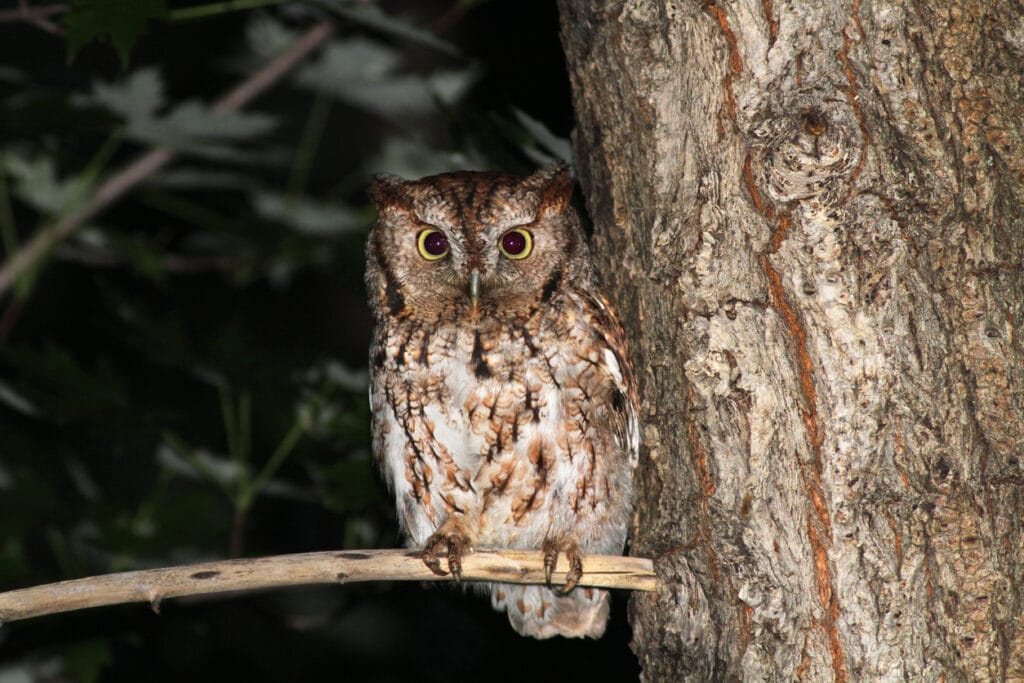
The Eastern Screech-Owl (Megascops asio) is a familiar sight and sound throughout Louisiana, being an all-year resident of the state. This adaptable owl thrives in a variety of wooded environments, including suburban parks and areas adjacent to residential zones, where its preferred prey – small rodents – are readily available. Its diet also extends to reptiles, larger insects, and amphibians, demonstrating its opportunistic foraging strategy.
Characterized by its stocky build and plumage available in both gray and rufous morphs, the Eastern Screech-Owl is perfectly adapted for camouflage. Unlike some more reclusive owl species, the Eastern Screech-Owl has demonstrated a notable tolerance for human proximity, often allowing observers to approach relatively closely. This adaptability has led to its presence in backyards and urbanized landscapes.
For those interested in attracting these fascinating birds, installing a nesting box in a suitable backyard location before the breeding season can be an effective strategy. However, it is crucial to ensure that the nesting box is adequately protected from predators to safeguard the vulnerable nestlings. It is worth noting that the presence of Eastern Screech-Owls can sometimes cause consternation among songbird populations, which may engage in mobbing behavior to drive the owl away from their territories. This interspecies dynamic highlights the complex relationships within local ecosystems.

The Distinctive Barred Owl: A Voice of the Wetlands
The Barred Owl (Strix varia) is a common and vocally prominent resident in many parts of Louisiana, including Baton Rouge and its surrounding areas. These owls typically inhabit large, mature trees and exhibit a strong preference for nesting near the state’s abundant swamps and wetlands. Their distinctive call, a resonant "Who cooks for you? Who cooks for you-all?", is a familiar sound in these humid environments.
The Barred Owl’s name derives from the prominent barring on its plumage, which features a mottled brownish body adorned with white spots and black markings on its underparts. During daylight hours, they are often found roosting quietly in mature trees, where their coloration provides effective camouflage against the tree bark. Locating them often requires a keen eye and patience, paying close attention to the textures and shadows of their arboreal perches.
As nocturnal hunters, Barred Owls launch their attacks from perches, preying on a variety of small animals, including mice, squirrels, voles, and rabbits, as well as other birds. In areas proximate to water bodies, their diet can also include fish and crayfish. When prey is plentiful, they are known to store excess food in tree cavities for later consumption. Smaller prey items are typically swallowed whole, while larger prey is dismembered before ingestion, usually starting with the head. The ecological role of the Barred Owl in controlling rodent populations is significant, contributing to the overall health of its habitat.
The Diurnal Short-eared Owl: A Hunter of Open Fields
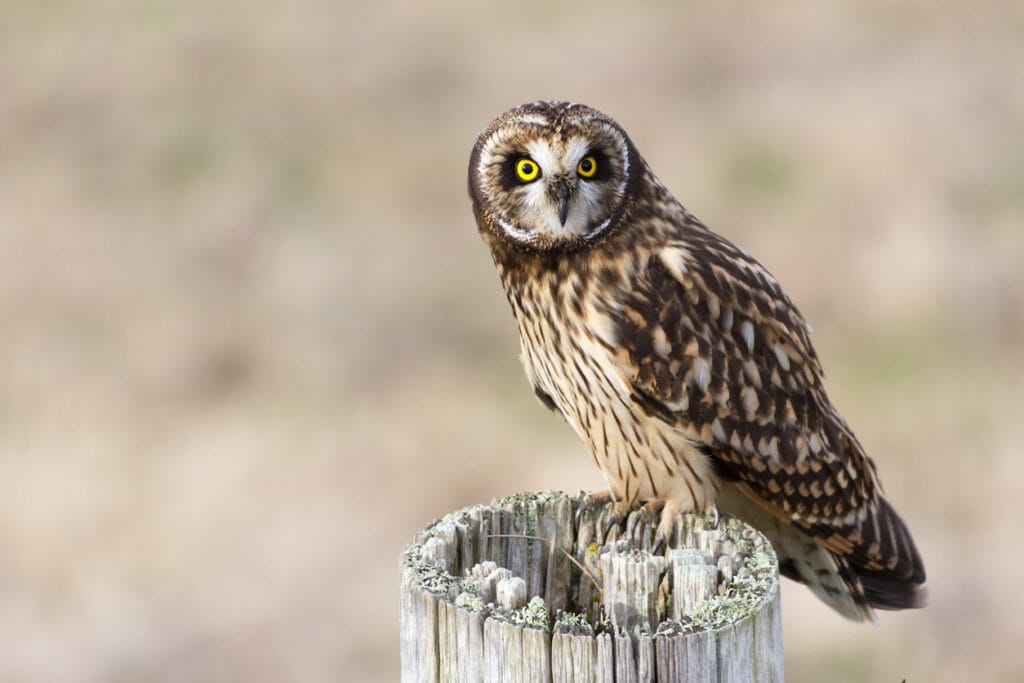
The Short-eared Owl (Asio flammeus) is another species that can be found in Louisiana, occasionally venturing near residential areas, though it primarily favors open habitats such as marshes, meadows, and grass fields for nesting and hunting. This medium-sized owl is notable for its diurnal hunting habits, being active during daylight hours, a characteristic less common among owl species.
Its plumage is a mottled brown-buff with distinctive white feathers on its underparts. While it possesses ear tufts, they are notably short, giving rise to its common name. The Short-eared Owl hunts by flying low over short vegetation, targeting small mammals, particularly mice and voles. Its diet also includes rabbits, weasels, bats, squirrels, and birds. A peculiar feeding habit involves decapitating mammals before consumption and removing the wings of birds prior to swallowing.
During the breeding season, the Short-eared Owl becomes more active throughout the day. The male plays a crucial role in defending the nest and providing food for the incubating female. Ground nesting is typical for this species, with nests being concealed among low-lying plants to evade predators. In a remarkable display of defensive behavior, the female may feign injury, appearing to lead a predator away from the nest, a tactic known as a distraction display.
The Ethereal Barn Owl: A Silent Hunter of the Night
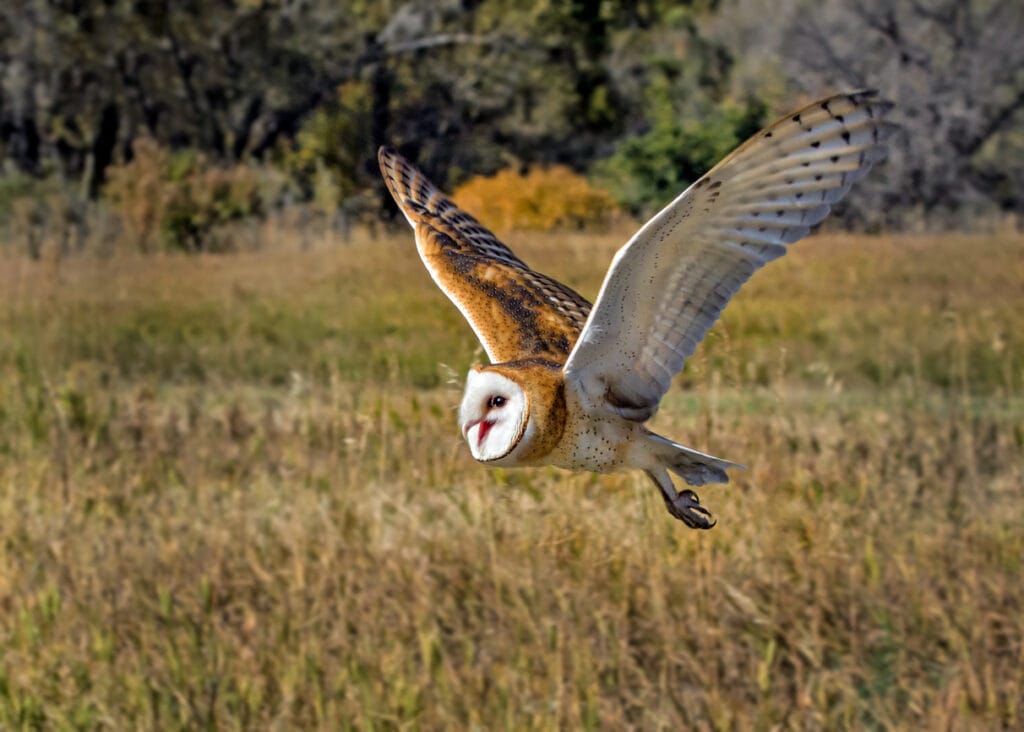
The Barn Owl (Tyto alba) is a widespread species found throughout Louisiana, with a particular affinity for the southern counties, especially in proximity to rice and sugarcane fields, marshlands, and the riparian zones of the Red, Atchafalaya, and Mississippi rivers. Its vocalization, a piercing scream rather than a typical hoot, can be unsettling, yet this bird of prey is highly prized by birdwatchers for its ethereal beauty and hunting prowess.
Visually, the Barn Owl presents a striking contrast in low light conditions, its buff-gray body appearing almost pale white. This species is a highly skilled nocturnal hunter, relying heavily on its acute sense of hearing to pinpoint prey in complete darkness. A key adaptation is its heart-shaped facial disc, which funnels sound waves to its asymmetrically placed ears. This precise auditory localization allows it to determine the exact location of prey with remarkable accuracy.

The Barn Owl’s primary food source is rodents, particularly mice, with an individual owl capable of consuming an astonishing number of mice annually, potentially up to 1,000. The male Barn Owl exhibits aggressive nest defense and shows a preference for females with more prominent body spots, as these are thought to indicate a greater resistance to parasites and diseases. The ecological impact of Barn Owls in rodent control is substantial, making them valuable allies in agricultural and natural landscapes.
The Unique Burrowing Owl: An Underground Dweller
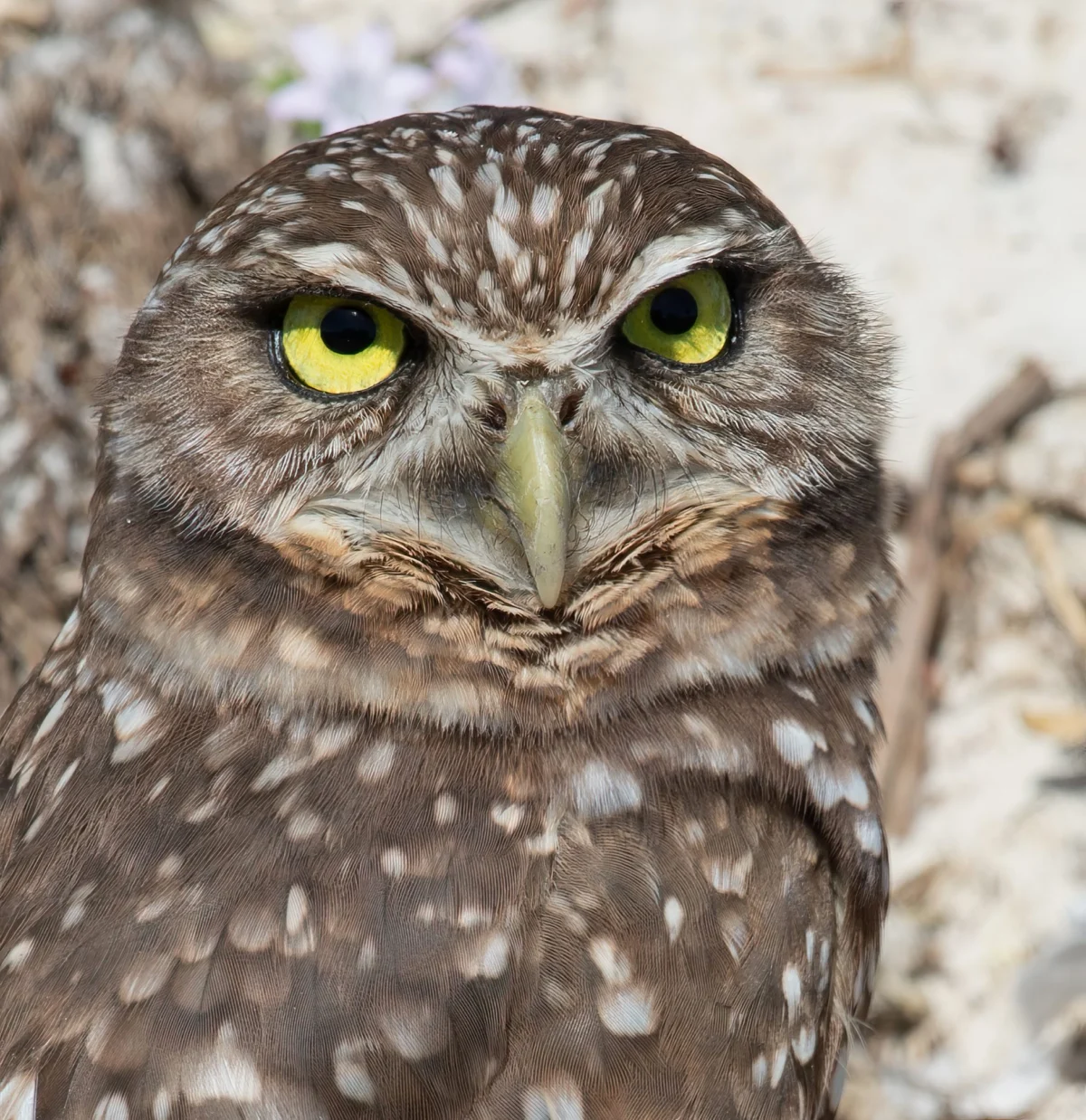
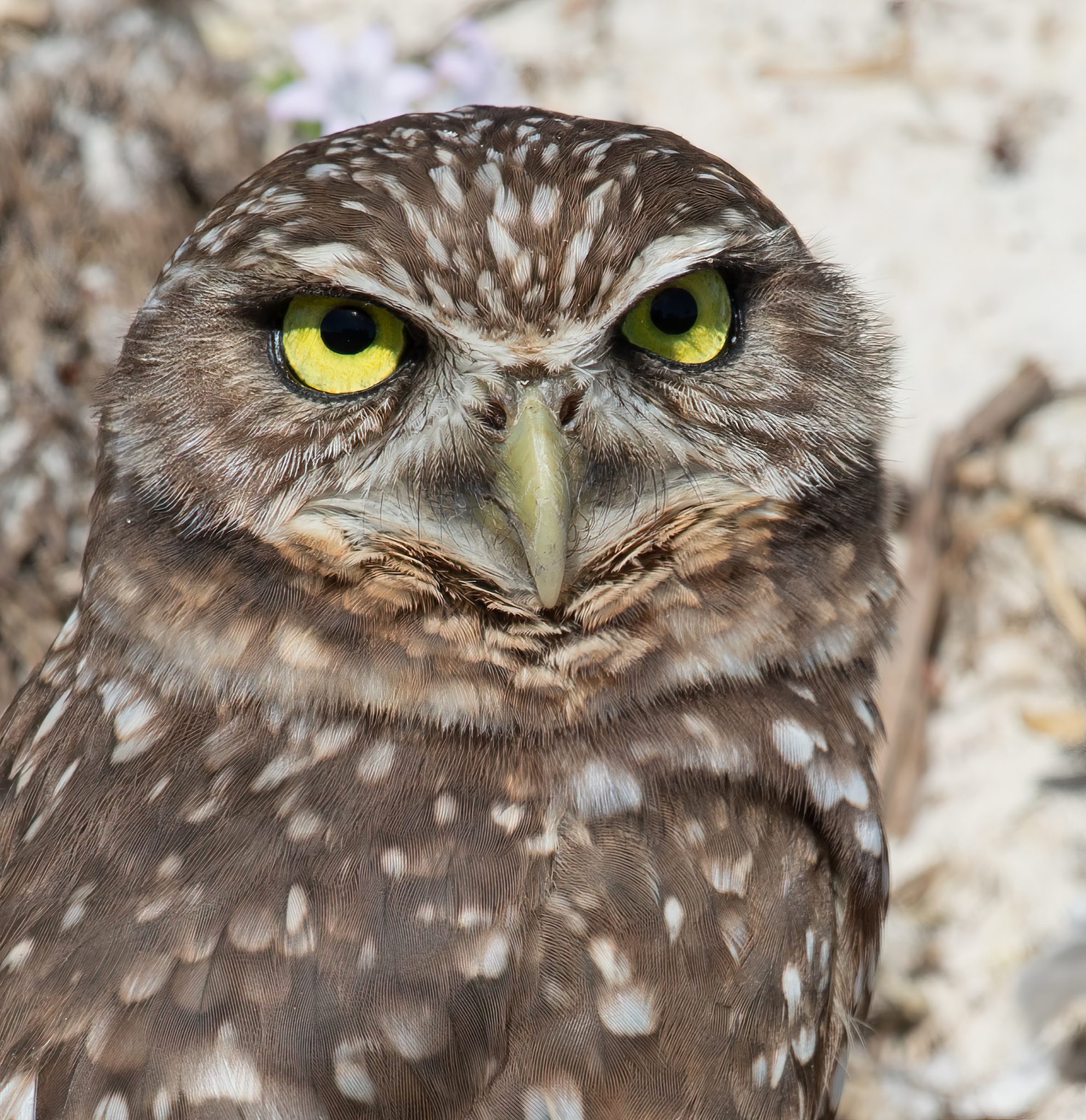
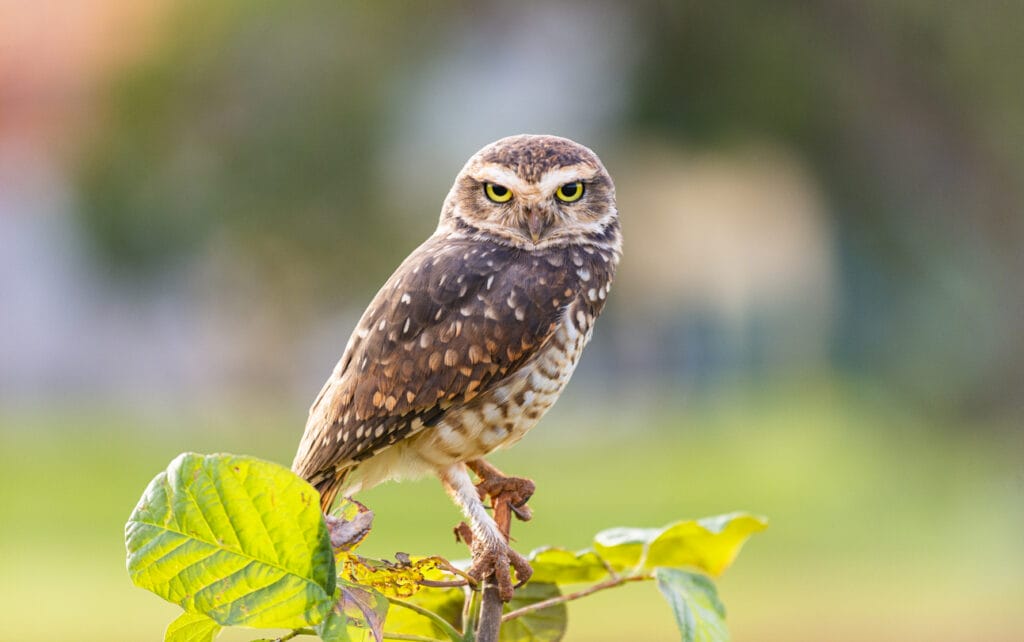
The Burrowing Owl (Athene cunicularia) has a range that extends into southern Louisiana, where it is typically found in pastures, prairies, and other open areas characterized by sparse vegetation. Unlike many other owl species that nest in trees or structures, the Burrowing Owl exhibits a unique preference for underground burrows. These are often excavated by other animals like prairie dogs, squirrels, or tortoises, but the Burrowing Owl will also utilize subterranean man-made structures with accessible surface entrances.
Both male and female Burrowing Owls share similar physical characteristics and possess sandy-colored bodies that provide excellent camouflage within their arid or semi-arid habitats. Their diet is varied, including prairie dogs, mice, reptiles, insects, and small birds. A notable behavioral trait is their ability to hunt both day and night, a departure from the strictly nocturnal habits of many owl species. They employ low-level flight or even run to capture their prey.
An intriguing adaptation of the Burrowing Owl is its high tolerance for carbon dioxide, a consequence of spending extended periods underground. Before laying eggs, the female often lines the entrance of the burrow with animal dung, a practice believed to attract dung beetles, which may form part of their diet or serve as an indicator of suitable nesting conditions. Furthermore, Burrowing Owls have been observed collecting discarded items such as cigarette butts, aluminum foil, and other debris, which they arrange around the burrow entrance, possibly as a territorial marker or to signal occupancy.
The Migratory Snowy Owl: A Winter Visitor
The Snowy Owl (Bubo scandiacus), a native of the Arctic tundra, undertakes southward migrations during the winter months, and with a degree of luck, it can be spotted in Louisiana. While snow is a rare occurrence in the state, this magnificent owl’s presence is a captivating event for bird enthusiasts. Identifying a Snowy Owl, even when it’s present, can be challenging due to its exceptional camouflage.
The most effective strategy for spotting a Snowy Owl is to scan the ground, as a small snowball-like appearance might actually be a perched owl. This large owl is predominantly white, with varying amounts of black markings on its underparts, though mature males tend to exhibit fewer markings. Snowy Owls are known for their vocal nature, producing a variety of hoots and calls for communication. The male’s hoot, in particular, can travel considerable distances, reportedly up to seven miles.
The Snowy Owl possesses exceptionally keen eyesight and hearing, enabling it to locate prey even when it is concealed beneath snow. During the breeding season, males engage in elaborate aerial displays to attract females, often offering prey during their courtship flights. These owls can also exhibit aggressive behavior when feeling threatened, including dive-bombing perceived intruders, a behavior that underscores their protective instincts towards their territory and young.
The Sociable Long-eared Owl: A Master of Silent Flight
The Long-eared Owl (Asio otus) is rarely observed in Louisiana, though it typically inhabits coniferous woodlands and open grasslands. This species is characterized by its buff and black plumage, a narrow facial disc, and notably long ear tufts, which give the owl its distinctive name.
A key adaptation for the Long-eared Owl is its fringed flight feathers, which enable exceptionally silent flight, crucial for ambushing prey. It hovers over its hunting grounds, patiently observing until it identifies its target, then descends with stealthy precision. During the day, its coloration and markings provide excellent camouflage against its roosting environment, making it almost undetectable to the untrained eye.
Unlike some more solitary owl species, the Long-eared Owl is remarkably sociable, with individuals often roosting in large groups. They are also known to coexist peacefully with other bird species, sometimes sharing nesting areas with American Crows. Their diet primarily consists of small mammals, with voles, mice, shrews, and kangaroo rats being favorite prey items. The Long-eared Owl dispatches its prey with a swift bite to the back of the head before swallowing it whole. Indigestible remains, such as fur, bones, and hair, are later regurgitated in the form of pellets. Male Long-eared Owls are typically more vocal than females, emitting repeated hoots at intervals. They often utilize abandoned nests or tree cavities for nesting.
Conclusion: A Symphony of Silent Wings
Owls inhabit diverse locales across Louisiana, gracing both the twilight and midnight hours with their presence. From the depths of state parks and expansive natural areas to the edges of residential communities, these enigmatic birds are a testament to the wild beauty that persists within the state. However, their elusive nature and adept camouflage make them challenging to spot, demanding patience and keen observation from any aspiring owl enthusiast. The reward, however, is profound: a glimpse into the silent, masterful world of Louisiana’s nocturnal predators, an experience that deeply enriches one’s connection with the natural world. This exploration of Louisiana’s owl species underscores the state’s vital role in supporting avian biodiversity and highlights the ongoing importance of conservation efforts to protect these magnificent creatures and their habitats for generations to come.
Frequently Asked Questions About Louisiana Owls
What is the most common owl in Louisiana?
The Barred Owl (Strix varia) is considered locally common in various parts of Louisiana, particularly in wetland and forested areas. Its distinctive call often makes it easier to detect than other species.
Where can I find out more about local owls in Louisiana?
For up-to-date information on owl sightings and distributions within Louisiana, resources like eBird are invaluable. This platform allows birdwatchers to report sightings, and users can search for recent observations of specific owl species or investigate avian activity within particular geographic areas. Local Audubon Society chapters and wildlife refuges also often provide valuable regional information and field trip opportunities.

