


Bringing a parrot into a domestic household introduces unique responsibilities that extend far beyond acquiring an appropriately sized enclosure and stocking up on foraging enrichment tools. Avian veterinarians and animal behaviorists emphasize that while parrots possess remarkable intelligence and problem-solving capabilities, their natural curiosity often places them in perilous situations within human-designed environments. Unlike domesticated mammals that have co-evolved alongside humans for millennia, psittacines—the biological family comprising parrots, parakeets, macaws, and cockatiels—retain wild instincts that make navigating modern homes inherently hazardous.
To mitigate these risks, comprehensive environmental adaptation, commonly referred to as parrot-proofing, is a mandatory precursor to introducing any feathered companion to a living space. Statistical data from avian veterinary practices indicate that a significant percentage of domestic bird injuries and fatalities stem from preventable household hazards, including heavy metal toxicity, thermal trauma from non-stick cookware fumes, and accidental trauma. Establishing rigorous preventative protocols requires a methodical examination of eight primary risk categories within the domestic sphere.
Electrical Infrastructure and Chewing Hazards
The physiological imperative to chew is among the most deeply ingrained natural behaviors in parrots. In their native habitats, species such as budgerigars, conures, and larger macaws utilize their powerful mandibles to excavate and maintain nesting cavities within hollow trees, as well as to condition their continuously growing keratin beaks. When translated into a domestic setting, this biological drive manifests as indiscriminate gnawing on picture frames, drywall, furniture, and, most critically, electrical infrastructure.
Exposed electrical cords present a dual threat of severe lacerations to the beak and catastrophic electrocution. While psittacines can occasionally survive low-voltage electrical shocks, the resulting trauma often causes severe thermal burns, neurological disruption, and secondary infections. Avian medicine specialists strongly advise the complete concealment or physical armor plating of all electrical cables in rooms accessible to free-roaming birds. Protective measures frequently include routing cords through heavy-duty PVC piping, utilizing cord protectors, and ensuring wall outlets are fitted with safety covers when not in active use.
Air Quality and Airborne Toxins
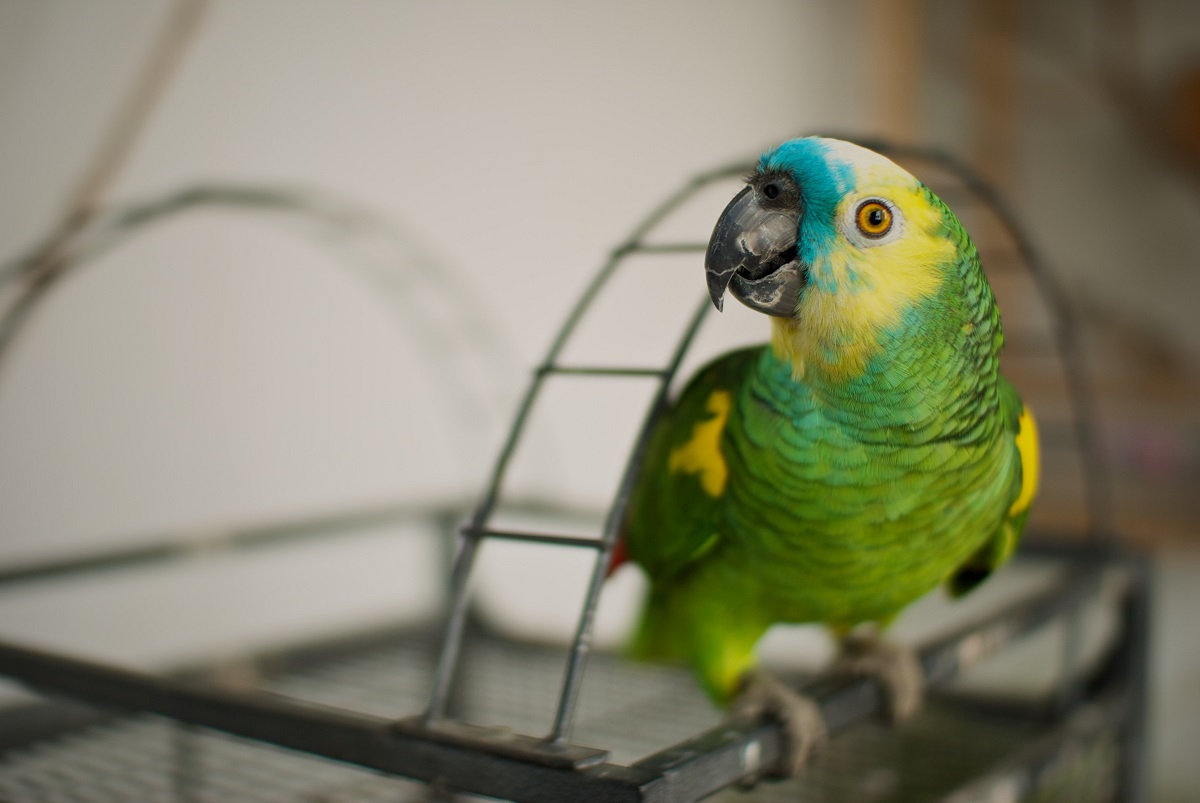
Avian respiratory anatomy is exceptionally specialized and distinct from that of mammals. Parrots possess a complex system of air sacs that permeate their entire skeletal structure, allowing for a continuous, unidirectional flow of air through the lungs during both inhalation and exhalation. While this respiratory efficiency enables sustained flight at high altitudes, it simultaneously renders psittacines extraordinarily vulnerable to airborne toxins and particulate matter.
Historically, canaries served as sentinels in coal mines due to their acute sensitivity to carbon monoxide and volatile organic compounds. Modern parrots exhibit a similarly fragile respiratory threshold. Inhalation of smoke from cigarettes, wood-burning fireplaces, burnt culinary oils, and particulate matter from forest fires can induce rapid respiratory failure. Furthermore, the widespread use of polytetrafluoroethylene (PTFE)—commonly known as Teflon—on non-stick cookware represents a lethal hazard. When heated to high temperatures, PTFE-coated pans release odorless, invisible polymer fume fever toxins that are fatal to birds within minutes.
To maintain a safe domestic environment, avian welfare organizations mandate the complete elimination of aerosol sprays, scented candles, air fresheners, incense, and self-cleaning oven cycles in proximity to birds. Additionally, the installation of interconnected smoke and carbon monoxide detectors is considered a non-negotiable baseline safety requirement.
Ingestion Risks and Botanical Toxicity
The primary tactile organ for a parrot is its beak. Lacking hands, psittacines explore their environment by tasting, nibbling, and ingesting fragments of surrounding materials. This exploratory behavior frequently leads to accidental ingestion of toxic substances, ranging from prescription medications dropped on floors to heavy metals embedded in household items.
Heavy metal toxicity, specifically involving zinc and lead, remains a leading cause of systemic poisoning in pet birds. Galvanized wire cages, cheap metal toys, costume jewelry, stained glass windows, and certain types of hardware coatings release toxic ions when chewed and swallowed. Clinical manifestations of heavy metal toxicity include lethargy, neurological deficits, gastrointestinal distress, and progressive organ failure.
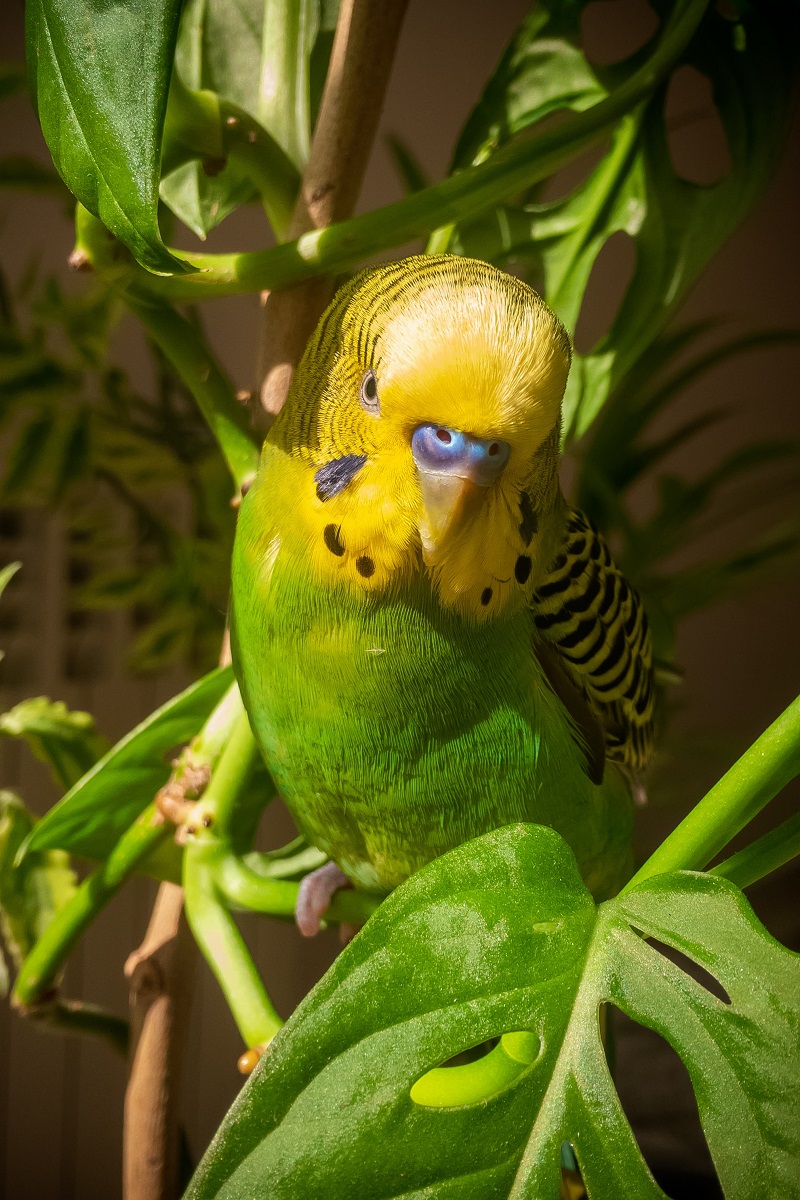
Botanical hazards present an equally pervasive risk. While numerous houseplants are non-toxic, many popular indoor species—such as dieffenbachia, lilies, and certain varieties of philodendrons and monsteras—contain calcium oxalate crystals or other potent phytotoxins that cause severe oral irritation, dysphagia, and fatal systemic toxicity if ingested. Consequently, pet owners must meticulously audit their interior flora and maintain strict storage protocols for human pharmaceuticals, cleaning chemicals, and hazardous foodstuffs such as chocolate, avocado, caffeine, and alcohol.
Spatial Barriers: Doors, Windows, and Reflective Surfaces
Preventing accidental escapes requires a layered defensive strategy. Open doors and windows present immediate opportunities for flighted birds to enter the outdoor environment, where domestic parrots face imminent peril from predators, starvation, and extreme weather conditions. Human error—such as visitors leaving exterior doors unlatched or household members rushing through routines—accounts for a high volume of avian escape incidents annually.
To counteract these vulnerabilities, behaviorists recommend architectural modifications such as the installation of secure screen doors and fine mosquito netting over windows in avian-designated rooms. Behavioral habits, including the implementation of visual warning signage on doors and a strict policy of verifying a bird’s location prior to opening exterior exits, significantly reduce escape probabilities.
In addition to escape prevention, interior spatial hazards demand rigorous mitigation. Transparent glass windows and polished mirrors are recognized hazards that frequently result in high-velocity impact trauma. Parrots lack an innate understanding of reflective surfaces; consequently, they perceive mirrors as continuous open space, risking severe concussions, fractured sternums, or broken necks upon impact. Covering all reflective surfaces and utilizing sheer window treatments are standard preventative recommendations across the veterinary community.
Enclosure Integrity and Toy Safety
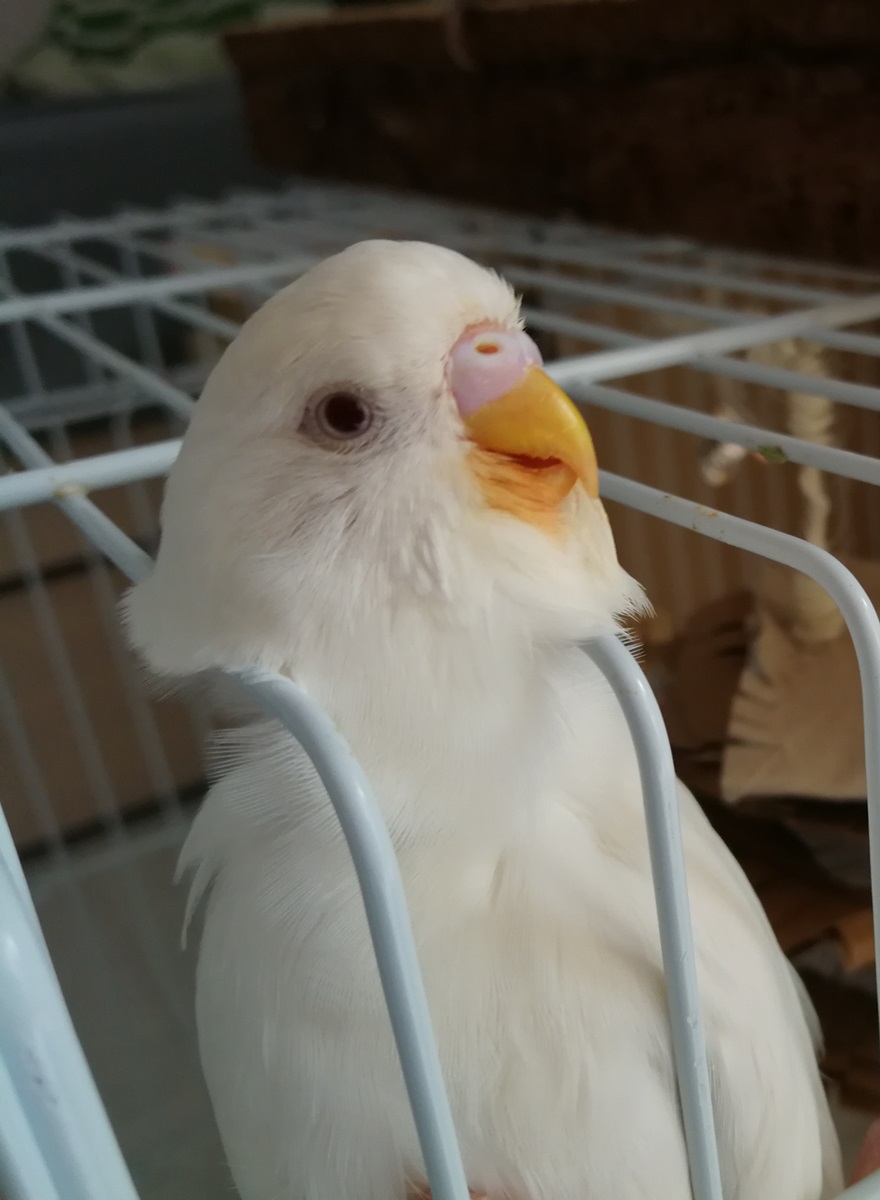
Safety protocols extend directly into the parrot’s primary housing unit. Cage selection must be governed by precise engineering standards, primarily focusing on bar spacing and metallurgical composition. Bar spacing must be narrow enough to prevent the bird from inserting its head through the enclosure, a scenario that frequently leads to asphyxiation or severe cervical trauma if the bird panics and becomes wedged.
Regular structural inspections are necessary to identify corrosion, flaking paint, or structural instability. Large psittacines, such as cockatoos and macaws, exert immense bite pressures capable of compromising substandard cage wire over time. Furthermore, avian enrichment toys require continuous evaluation. A landmark 2008 study published in the Veterinary Clinics of North America: Exotic Animal Practice by Dr. Teresa L. Lightfoot and Dr. Julie M. Yeager documented cases of fatal zinc toxicity resulting from toys and galvanized hardware marketed specifically as bird-safe. Toys exhibiting structural degradation, frayed cotton ropes that can cause crop impaction, or pinch points capable of trapping toes and beaks must be systematically removed or repaired.
Spatial Confinement and Furniture Hazards
The behavioral drive to seek out enclosed, dark cavities—mirroring hollow trees utilized during the breeding season—compels parrots to investigate tight spaces within human homes. Unsupervised access to spaces beneath heavy furniture, inside open drawers, behind appliances, and inside closets creates severe risks of crushing injuries or fatal entrapment.
Avian experts advise the physical blocking of all nooks and crannies accessible to free-roaming birds. Furthermore, interior doors should ideally remain closed or secured with door stoppers to prevent birds from perching on top of doors where a sudden closing action could result in fractured digits, tail feather trauma, or severe skeletal compression.
Aquatic Hazards and Open Water
The inquisitive nature of parrots frequently draws them toward bathrooms and kitchens, where standing or running water poses a catastrophic drowning hazard. Avian medicine literature documents numerous fatalities resulting from birds tumbling into unattended, open toilets, kitchen sinks filled with water, deep bathtubs, or un-hooded household aquariums.
Because the dense plumage of a parrot becomes waterlogged rapidly, impairing buoyancy and inducing exhaustion, any standing water source deeper than a shallow bathing dish must be securely covered, blocked off, or drained immediately after use.
Inter-Species Dynamics and Multi-Pet Households
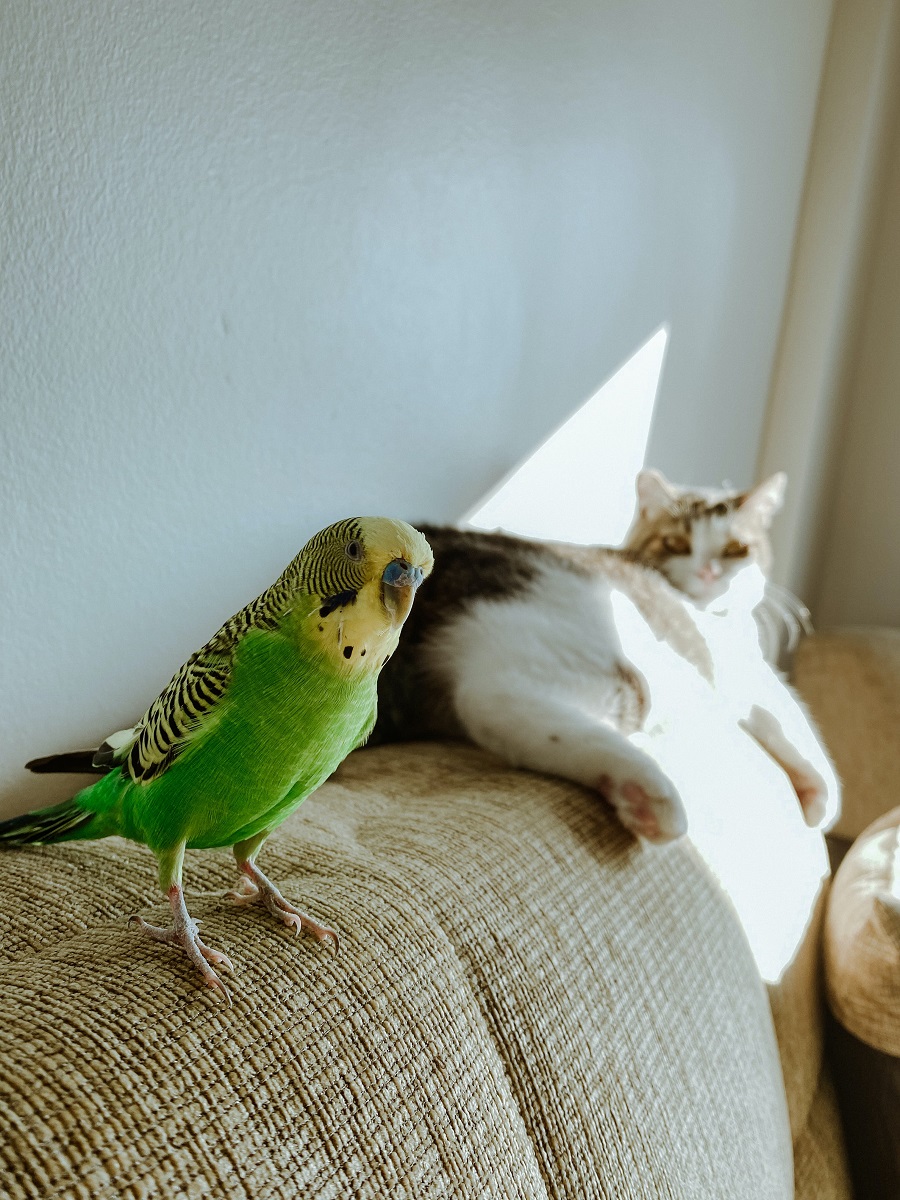
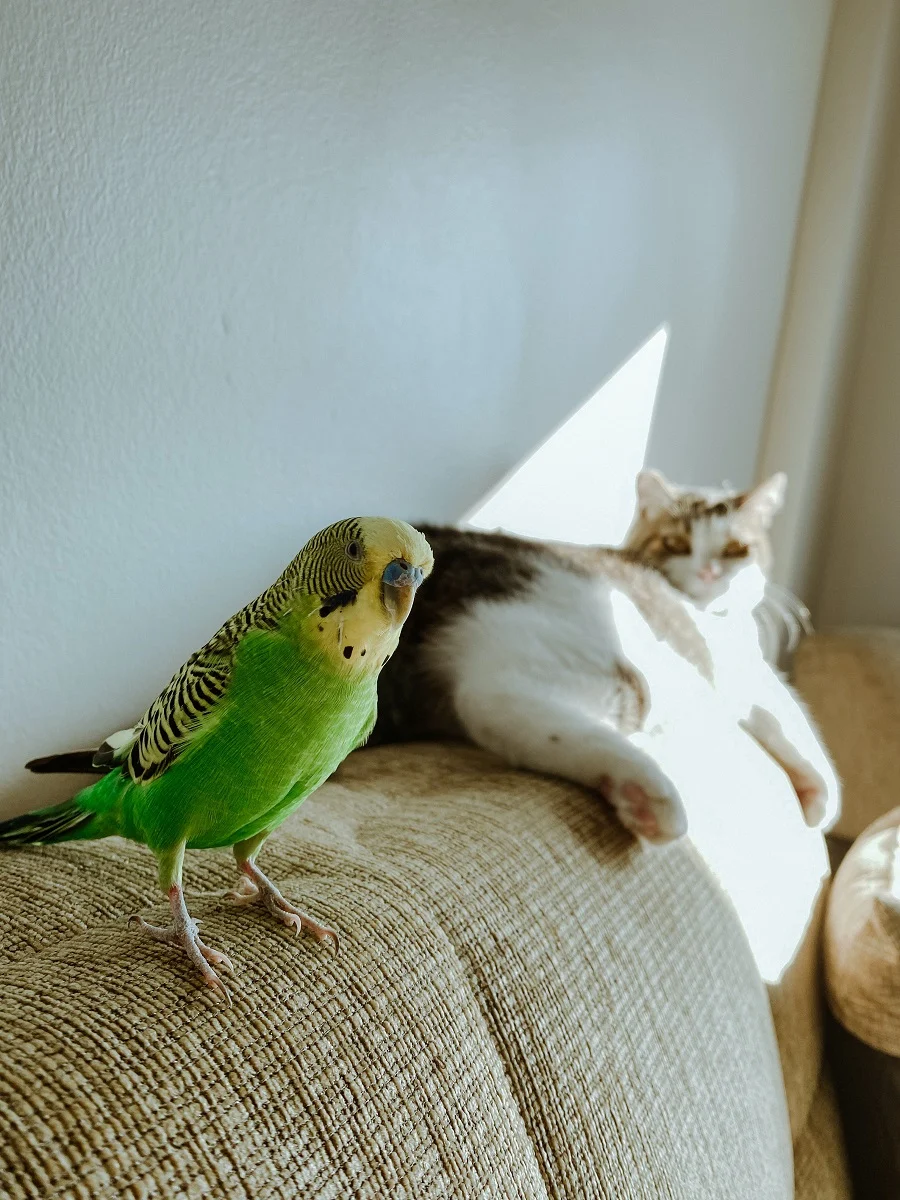
Perhaps the most persistent challenge in domestic avian management involves the co-habitation of parrots with other household pets, particularly dogs, cats, ferrets, and reptiles. Despite anecdotal evidence of amicable interactions between dogs and birds showcased on digital media platforms, animal behaviorists and veterinarians universally caution against unsupervised or close contact between predatory species and prey animals.
Even the most obedience-trained domestic dog or cat retains foundational predatory instincts. A sudden wing flutter or high-pitched vocalization can trigger an instantaneous predatory strike. Furthermore, feline saliva harbors Pasteurella multocida bacteria, which can induce fatal septicemia in an avian organism via a microscopic scratch. Physical separation through dedicated avian rooms, secure secondary caging, and strict supervisory boundaries are essential protocols for multi-species households.
Broader Implications and Veterinary Consensus
The establishment of rigorous parrot-proofing protocols reflects a broader philosophical shift in exotic animal husbandry, moving away from reactive medical intervention toward proactive environmental management. Avian veterinary organizations stress that the onus rests entirely upon the human caretaker to anticipate the cognitive limitations and instinctual behaviors of psittacine pets.
As the popularity of keeping intelligent avian species continues to rise within domestic households, adherence to standardized safety checklists remains the single most effective defense against preventable morbidity and mortality. Prospective and current parrot owners are consistently urged to maintain active lines of communication with certified avian veterinarians, establish emergency response plans, and participate in continuous education regarding animal welfare and behavioral psychology.

