


The state of Georgia, colloquially known as the Peach State, boasts a diverse ecological landscape that serves as a vital habitat for a wide variety of avian species. From the salt marshes along its 100-mile coastline to the expansive Okefenokee Swamp and the rugged peaks of the Blue Ridge and Appalachian Mountains, the region provides unique niches for numerous raptors. While Georgia currently ranks 32nd on the eBird state leaderboard with approximately 438 documented bird species, the raptor population remains a focal point for ornithologists and casual birdwatchers alike. Understanding the classification of these birds—specifically those within the family Accipitridae—is essential for accurately identifying the various hawks, eagles, and kites that frequent the state.

Taxonomic Classification and the Definition of a Hawk
To the untrained eye, the term "hawk" is often applied to any medium-sized bird of prey. However, scientific classification is significantly more nuanced. Most diurnal birds of prey belong to the order Accipitriformes. Within this order, the family Accipitridae represents a vast group including hawks, eagles, and kites. The subfamily Accipitrinae contains the "true hawks," which are divided into five primary genera: Accipiter, Microspizias, Erythrotriorchis, Megatriorchis, and Circus.
While true hawks are defined by their specific evolutionary lineage, the term is colloquially and often taxonomically stretched to include members of the Buteo genus. Buteo hawks are generally bulkier, with broader wings and shorter tails, adapted for soaring over open fields rather than the agile, forest-maneuvering flight of the Accipiter genus. For the purpose of this analysis, we will examine both the true hawks and the Buteo species, as well as the harriers found within Georgia’s borders.
The Buteo Hawks of Georgia: Masters of the Open Sky
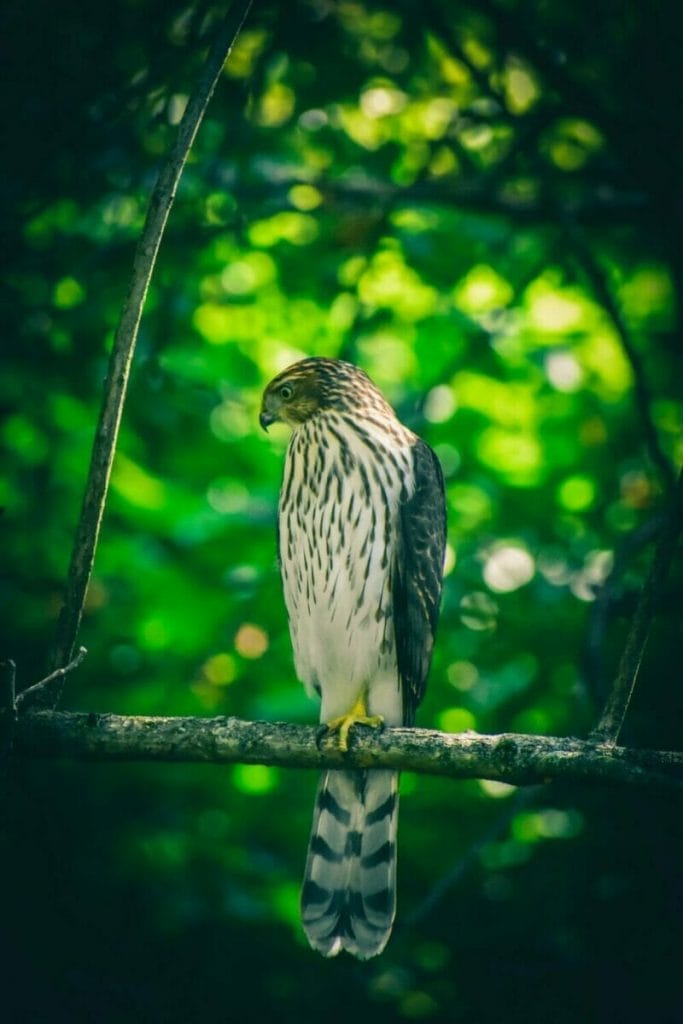
The Buteo genus is well-represented in Georgia, with four notable species often observed by birders: the Red-shouldered Hawk, the Red-tailed Hawk, the Broad-winged Hawk, and the rare Short-tailed Hawk.
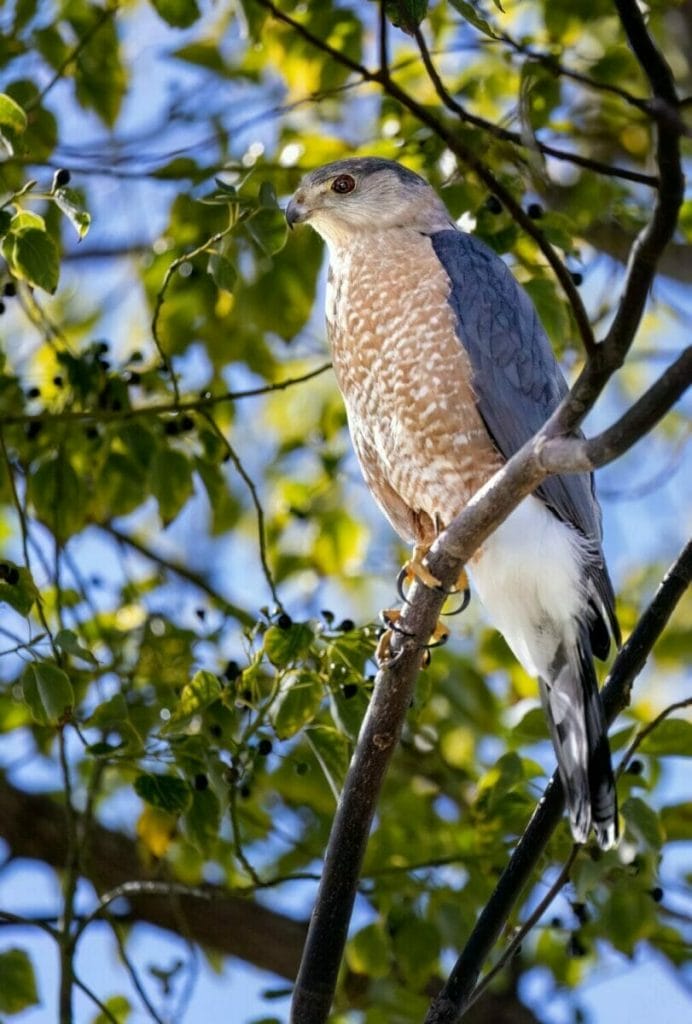
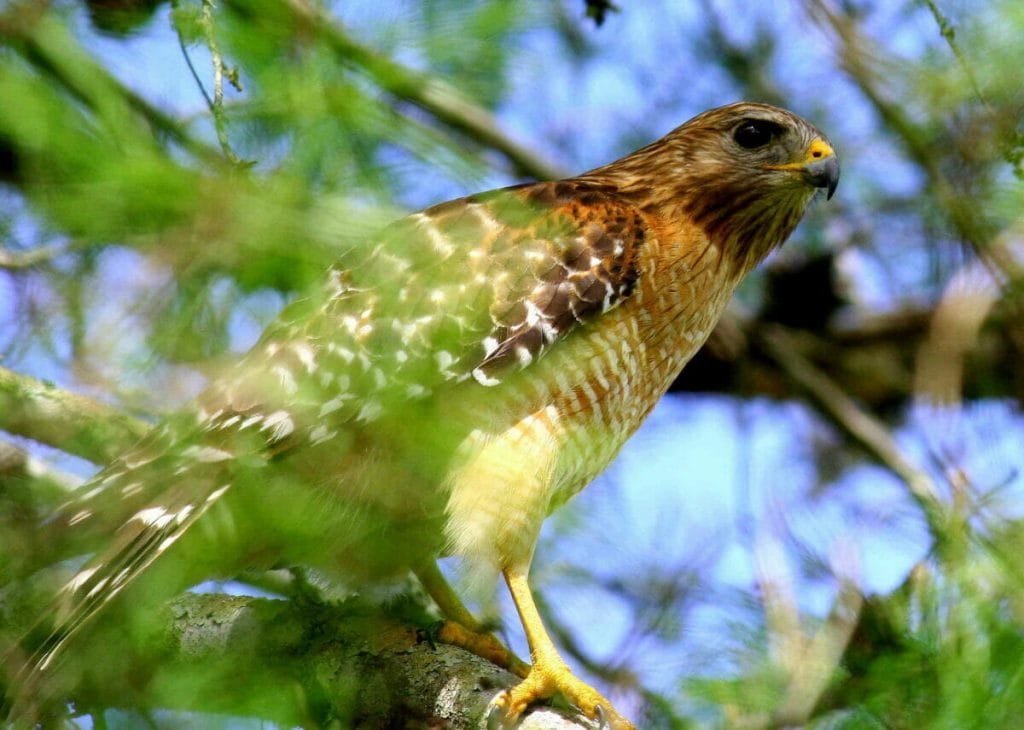
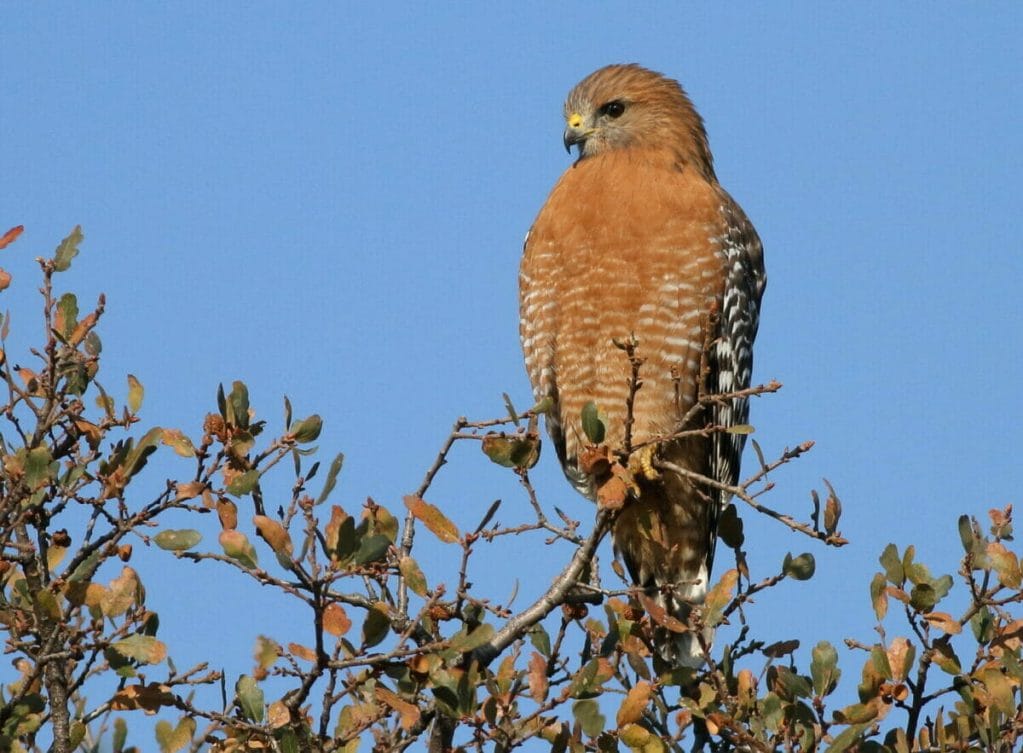
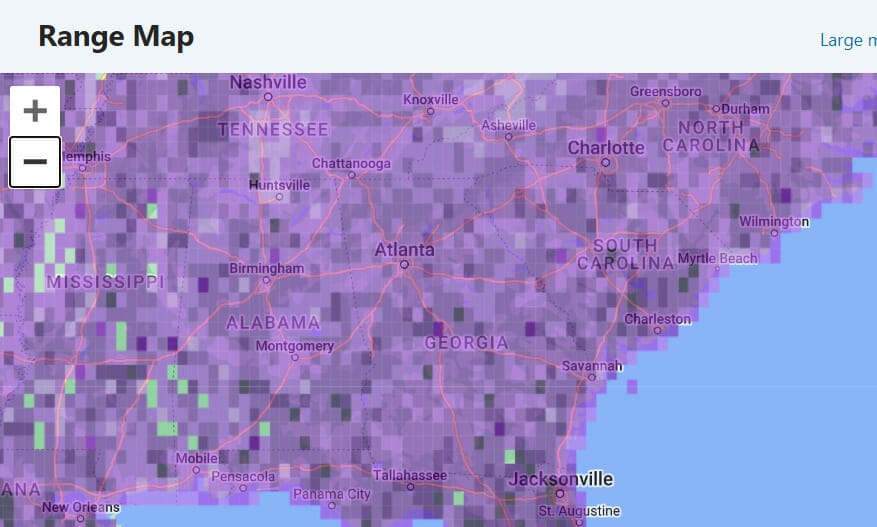
The Red-shouldered Hawk (Buteo lineatus) is a year-round resident throughout the state. Recognized by its striking rufous coloring on the breast and shoulders and its characteristic black-and-white wing barring, this raptor favors forested environments near water sources. It is an opportunistic hunter, feeding on small mammals, amphibians, and reptiles. Its presence is consistent across the varied topography of Georgia, from the northern plateaus to the southern wetlands.
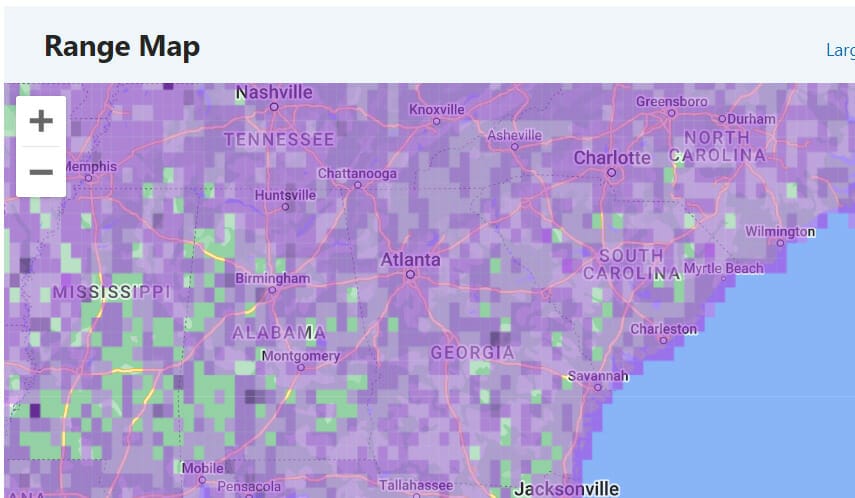
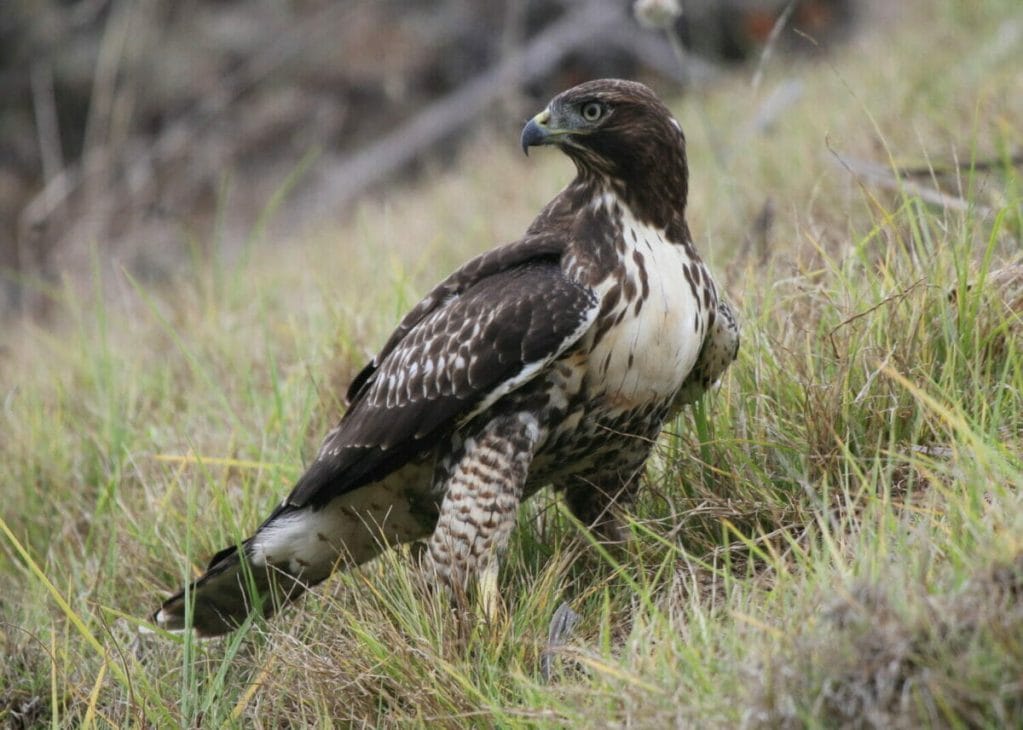
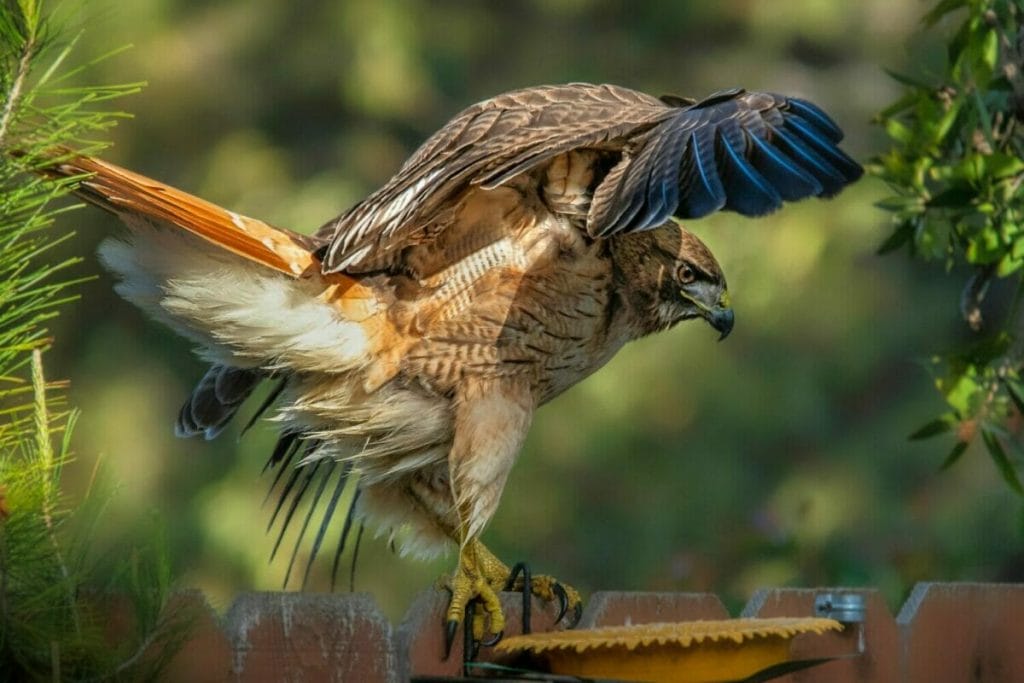
The Red-tailed Hawk (Buteo jamaicensis) stands as perhaps the most recognizable raptor in North America. Its ubiquity in Georgia is supported by its adaptability; these birds are found in nearly every corner of the state, utilizing both rural farmlands and suburban edges. Identifying a Red-tailed Hawk is generally facilitated by the distinct brick-red tail of the adult, though plumage variation can occur. Interestingly, the piercing, shrill call of the Red-tailed Hawk has become a staple in cinematic sound design, frequently used in films to signify wilderness, regardless of the species shown on screen.
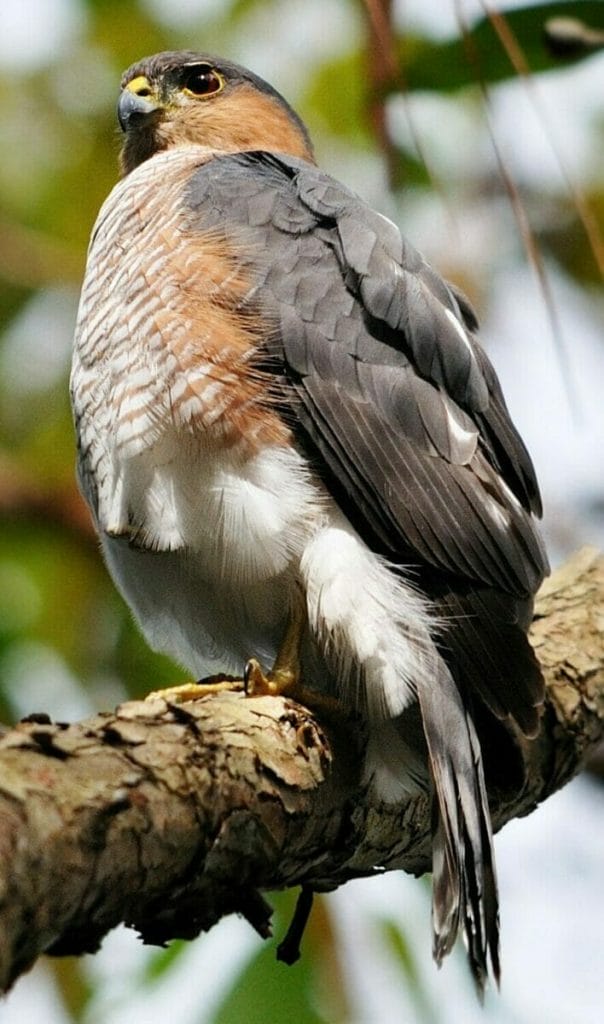
The Broad-winged Hawk (Buteo platypterus) offers a different ecological pattern, acting as a summer breeder in Georgia before migrating to Central and South America for the winter. These birds are best known for their spectacular migratory behavior; during the fall, they form large, swirling flocks known as "kettles." These groups utilize thermals to travel over long distances, creating a visual phenomenon that attracts birdwatchers across the state.
The Short-tailed Hawk (Buteo brachyurus) represents the rarest of the Buteos in Georgia. With fewer than 15 confirmed sightings on record in eBird, this species is primarily a resident of Florida. It is categorized by its two distinct morphs: a dark form, which is more common, and a pale form. Any sighting of this bird in Georgia is considered a significant event by local ornithologists, often representing a rare northern excursion from its primary breeding grounds.
The Accipiter Genus: The Forest Hunters
The Accipiter genus comprises birds designed for speed and precision. In Georgia, this group includes the Cooper’s Hawk, the Sharp-shinned Hawk, and the elusive Northern Goshawk.
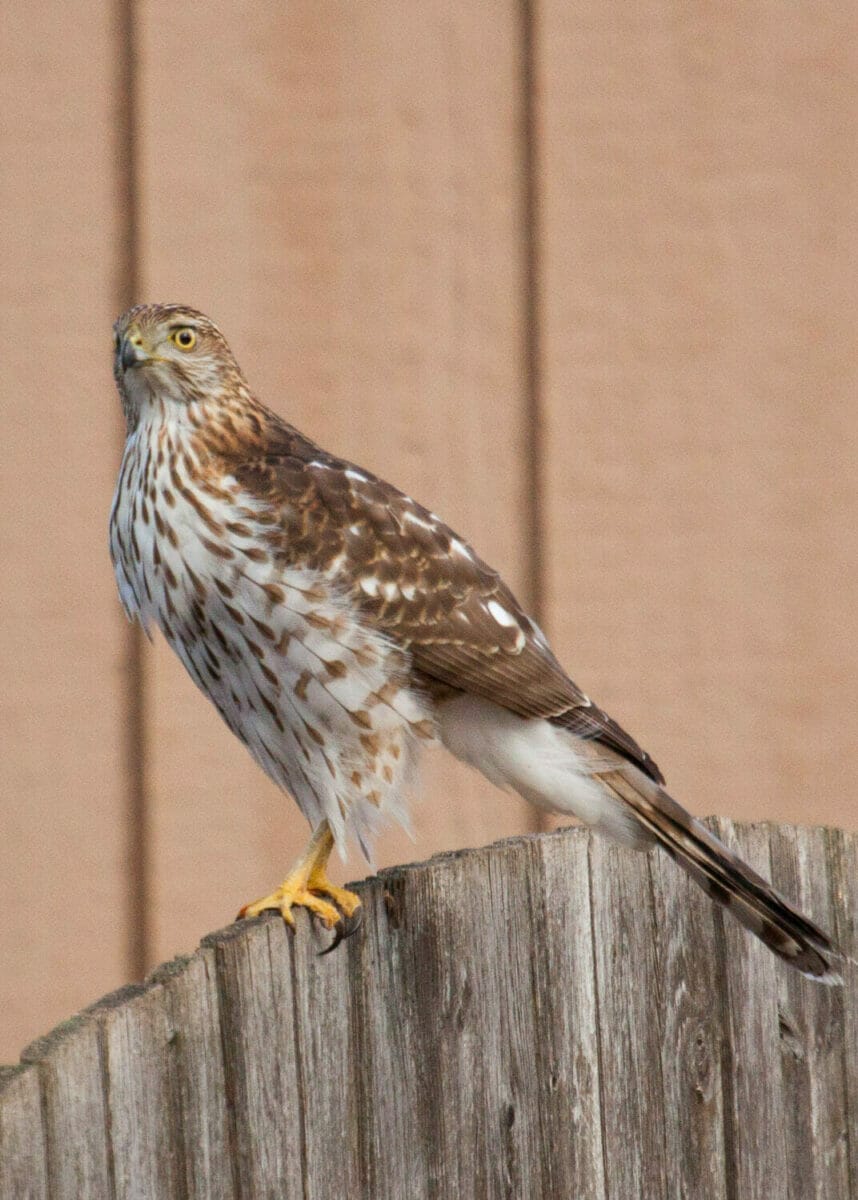
The Cooper’s Hawk (Accipiter cooperii) is a year-round resident in Georgia. Known for its dark gray mantle and orange-barred chest, this raptor is a master of the forest canopy. It utilizes its long tail for rapid navigation through dense vegetation, hunting smaller birds and mammals with a lethal grip. The female is notably larger than the male, a common trait in raptor dimorphism that allows pairs to exploit different prey sizes, thereby reducing competition for food.
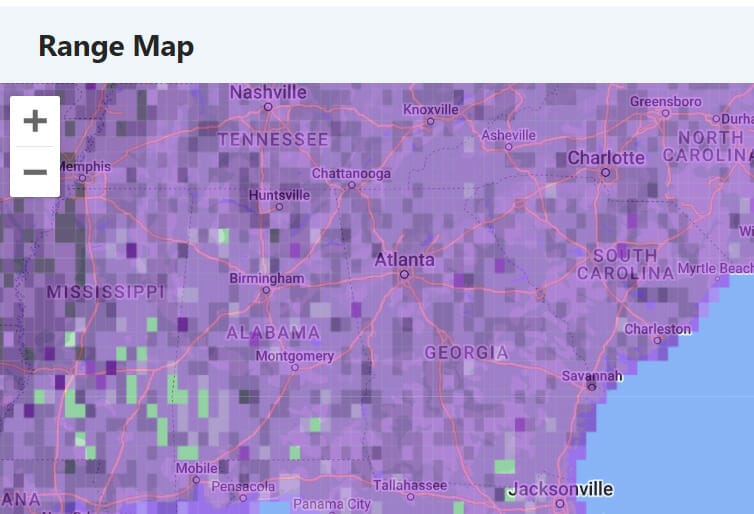
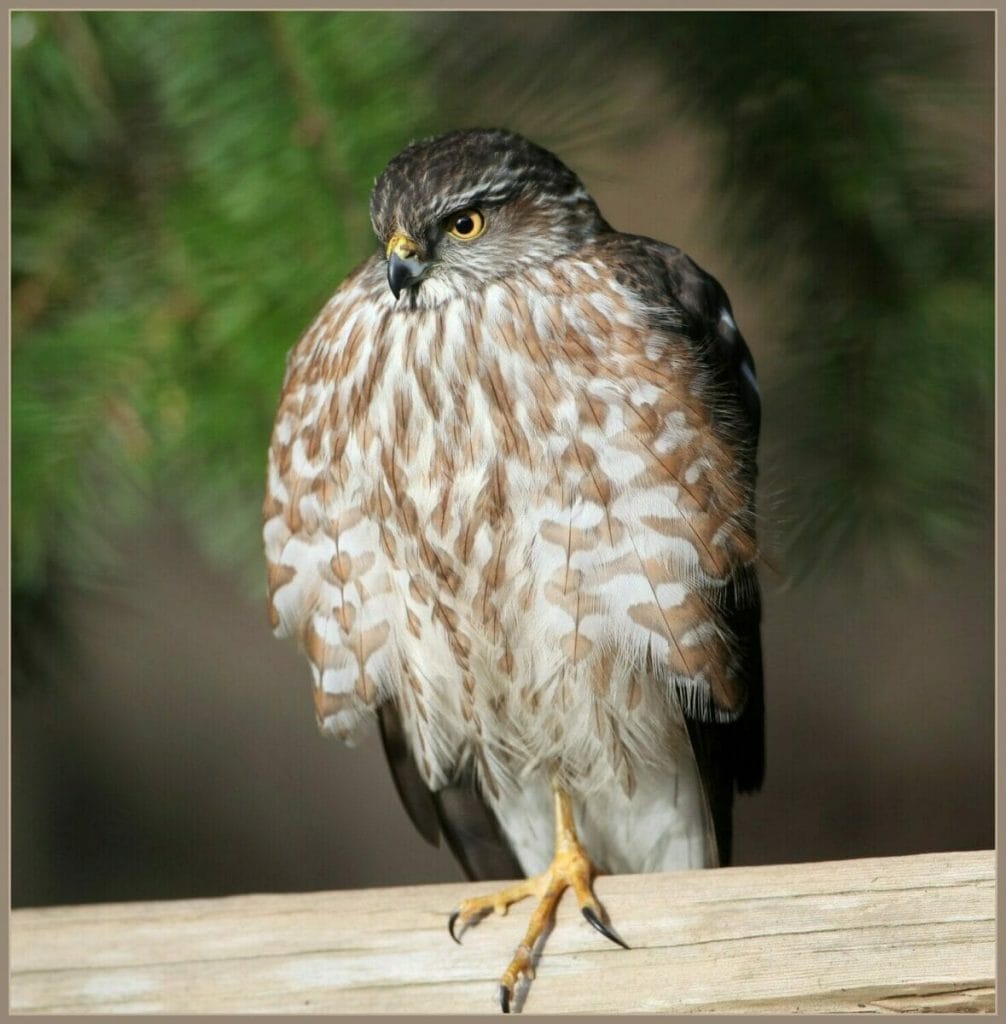
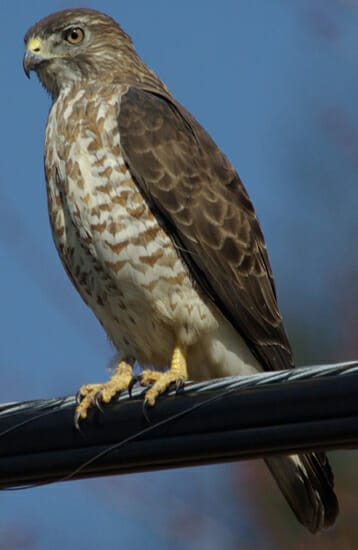
The Sharp-shinned Hawk (Accipiter striatus) is the smallest of the North American hawks. It is a migratory visitor to Georgia, arriving in the fall from its breeding grounds in Canada. Much like the Cooper’s Hawk, the Sharp-shinned is a bird-hunting specialist. It often catches prey and retreats to a secluded branch to pluck its meal before consuming it. Its size, which ranges from roughly 9 to 13 inches in length, and its pale breast distinguish it from its larger cousin, the Cooper’s Hawk.

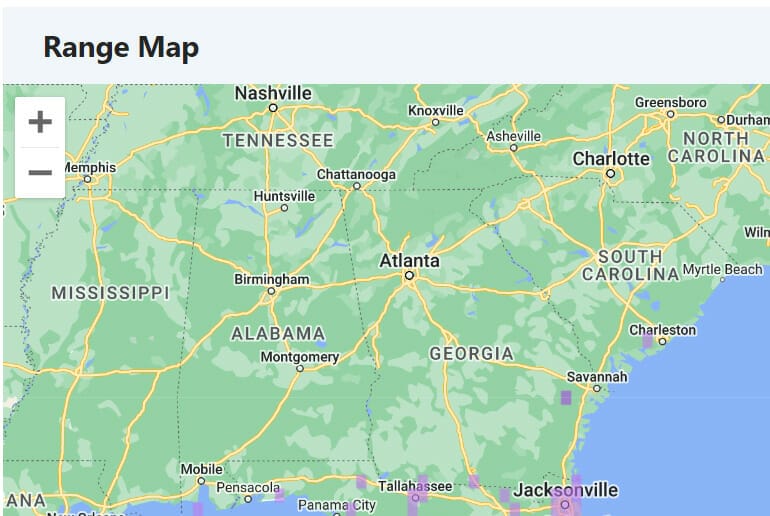
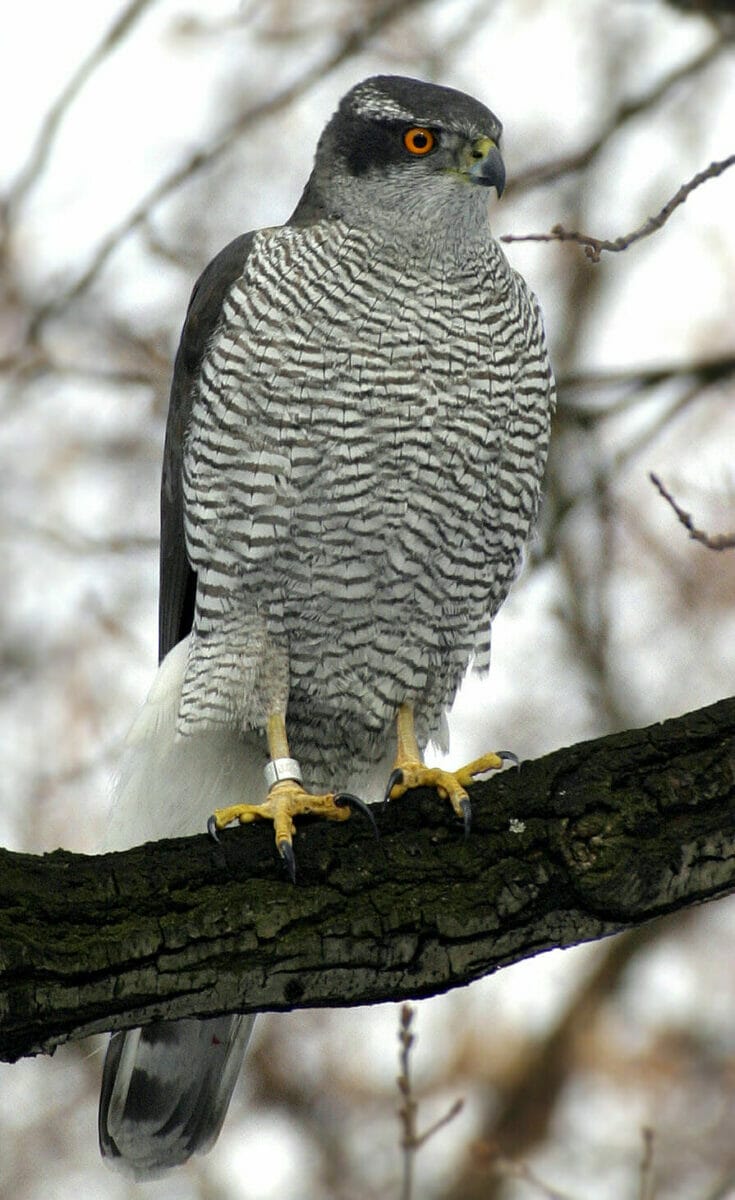
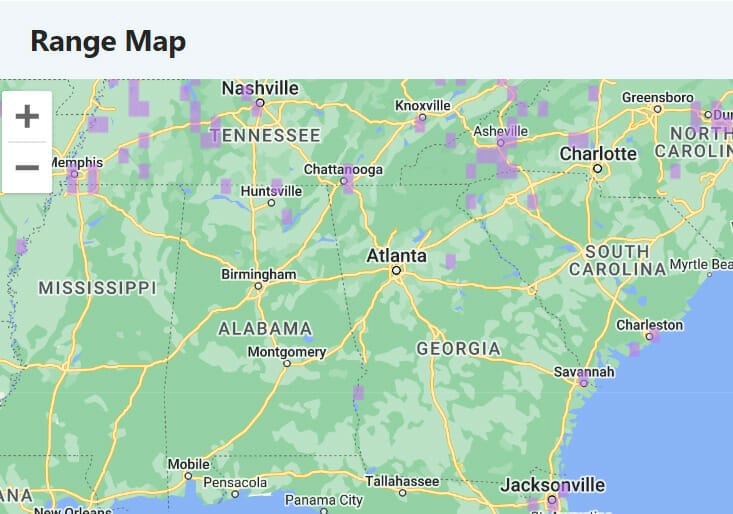
The Northern Goshawk (Accipiter gentilis) is the largest and most formidable of the Accipiters. It is an exceptionally rare visitor to Georgia, with only three reports in the eBird database. The state sits at the extreme southern edge of its wintering range. These birds are highly territorial; during the breeding season, they are known to maintain multiple nest sites, potentially rotating between them depending on the previous year’s success—a testament to their high level of cognitive planning and resource management.
The Northern Harrier: A Unique Representative of the Circus Genus
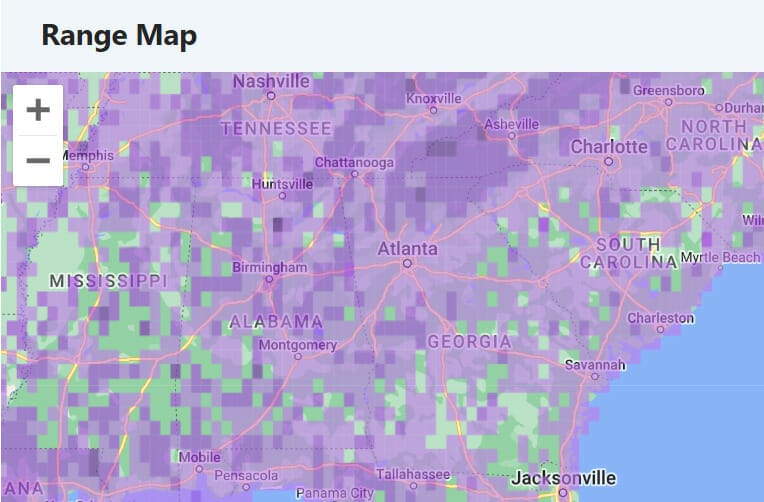
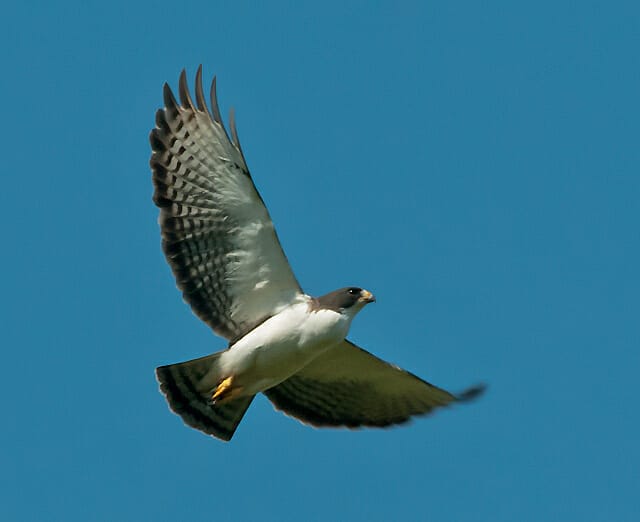
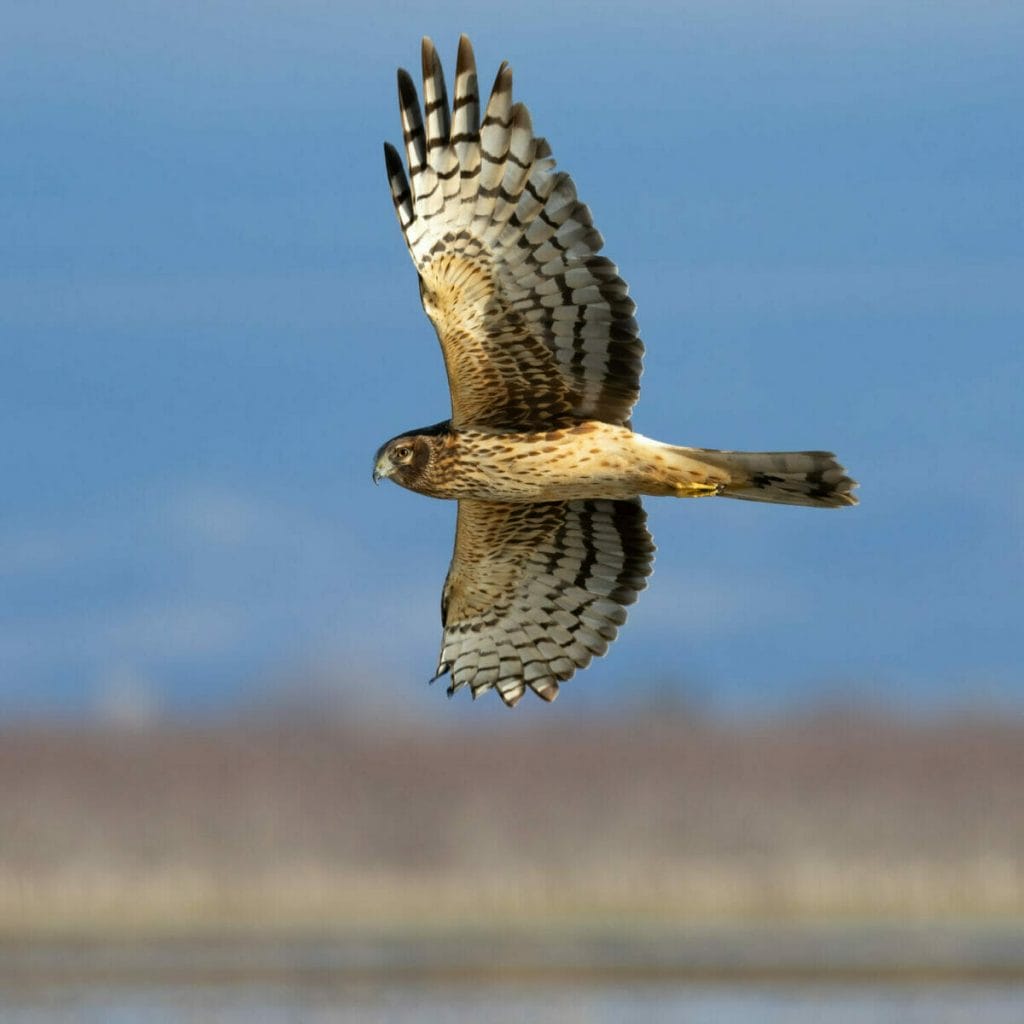
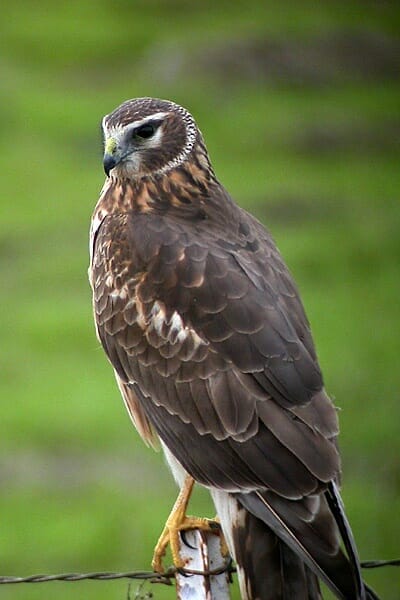
The Northern Harrier (Circus hudsonius) is the sole representative of the Circus genus found in Georgia. Distinct from both the Buteos and the Accipiters, the Harrier is characterized by its slender build, long tail, and an owl-like facial disk that helps it locate prey by sound. Unlike the forest-dwelling hawks, the Harrier is a bird of open spaces, patrolling grasslands, marshes, and agricultural fields. It is a non-breeding visitor to Georgia, frequently sighted during the migration seasons and winter months.
Analysis of Raptor Biodiversity and Ecological Implications
While the diversity of raptors in Georgia is significant, some experts suggest that the state’s potential for biodiversity could be even higher. The current count of eight hawk species is supplemented by the presence of three eagle species—the Bald Eagle, the Golden Eagle, and the Osprey—as well as three falcon species: the American Kestrel, the Merlin, and the Peregrine Falcon.
The health of these raptor populations serves as a key indicator of environmental quality. As apex or near-apex predators, their survival is inextricably linked to the abundance of small mammal and bird populations, which in turn depends on the preservation of Georgia’s various ecosystems. Efforts to protect the Okefenokee Swamp and the mountain corridors are not merely conservation exercises; they are essential actions to maintain the balance of the state’s wildlife hierarchy.
Official Responses and Conservation Outlook
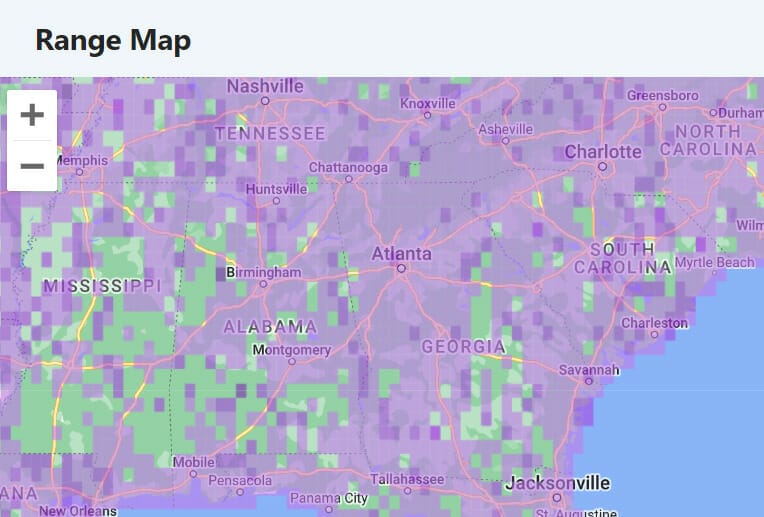
Conservation groups in Georgia continue to monitor these populations through citizen science platforms like eBird. The data collected by enthusiasts provides valuable, real-time insights into shifts in migratory patterns and population distribution. For instance, the increasing frequency of sightings in suburban areas has prompted discussions about human-raptor interactions.
A common query from the public concerns the safety of domestic pets. While it is theoretically possible for a large raptor to interact with a small animal, experts maintain that such events are exceptionally rare and typically occur only in instances of extreme hunger or lack of natural prey. The primary conflict in suburban areas remains the accidental collision of hawks with glass windows, a leading cause of injury for urban-adapted raptors.
In summary, the hawks of Georgia represent a complex, fascinating subset of the avian world. From the soaring Buteos to the stealthy, canopy-dwelling Accipiters, these birds fill critical roles in the state’s food web. As habitats evolve due to urbanization and climate patterns, the continued monitoring and protection of these species remain paramount for maintaining the ecological integrity of the Peach State. The future of these raptors depends on the continued appreciation and stewardship of the environments they call home.

