


Administering medication to a companion bird is a critical component of avian healthcare, yet it remains one of the most significant stressors for both the animal and the owner. When a veterinarian prescribes an oral treatment, the primary objective is to ensure the bird receives the full therapeutic dose to facilitate recovery from illness or infection. As of September 20, 2026, veterinary standards emphasize that achieving this requires a systematic approach rooted in calm, efficient handling and precise administration techniques.
The Clinical Importance of Medication Compliance
Veterinary experts distinguish between dietary supplements and pharmacological interventions. While supplements can sometimes be incorporated into a bird’s daily diet, prescribed medications are formulated to address specific physiological ailments identified through diagnostic testing. According to avian health guidelines, the efficacy of a drug is entirely dependent on "medication compliance"—the consistency of the dosage, the timing of the administration, and the duration of the treatment cycle.
Data suggests that incomplete treatment cycles are a leading cause of antibiotic resistance and recurrent infections in avian patients. When an owner fails to deliver the full dose, or if a significant portion of the medication is lost during the administration process, the pathogen may survive, leading to a resurgence of symptoms that are often harder to treat. Consequently, veterinarians urge owners to treat the prescription with high priority, adhering strictly to the "Right Bird, Right Medication, Right Dose, and Right Time" protocol.
Preparation and the "Staging" Protocol
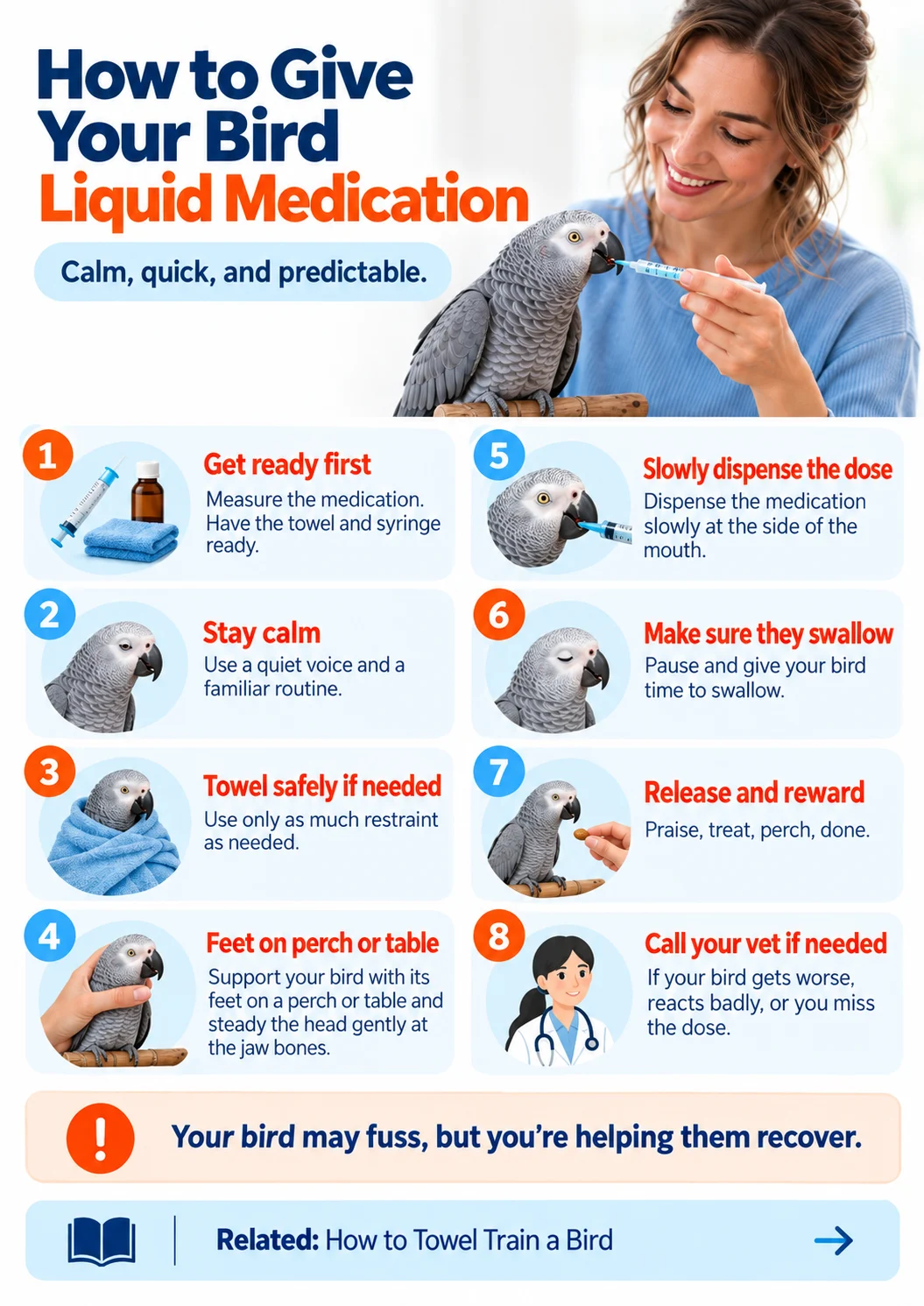
The most common point of failure in medicating a bird is the lack of proper preparation, which leads to prolonged handling and increased stress. Veterinary technicians often recommend a "staging" method. Before the bird is ever handled, the medication should be measured and verified against the prescription label. Supplies—including the syringe, a clean, soft towel for restraint, and a pre-selected reward—should be positioned in a quiet, dedicated area.
By establishing a "medication station," the owner minimizes the duration of the event. A study of domestic bird handling behavior suggests that birds are highly sensitive to their owner’s physiological state. If the owner is frantic or rushing, the bird’s stress hormones rise, leading to defensive behaviors such as biting or escaping. Conversely, a calm, methodical approach acts as a stabilizer, helping the bird remain manageable during the brief period of restraint.
Safe Restraint and Handling Techniques
Safe restraint is essential to prevent injury to the bird’s delicate respiratory system. Unlike mammals, birds do not have a diaphragm; their breathing relies on the expansion and contraction of the chest cavity. Any pressure applied to the keel (the sternum) can lead to respiratory distress or, in severe cases, suffocation.
The standard veterinary technique involves using a towel to gently wrap the bird, pinning the wings against the body to prevent flapping. The head should be held securely but gently at the base of the skull, allowing the bird to maintain an upright posture. The goal is to minimize the duration of the restraint, moving from the capture to the administration of the medicine in seconds. For novice owners, veterinary clinics frequently offer hands-on training sessions to ensure that the grip used does not impede the bird’s ability to breathe.
The Mechanics of Oral Administration
Once the bird is secured, the administration of the medication must be performed with precision. The syringe should be placed at the corner of the beak, allowing the bird to lap or swallow the medication naturally. The common mistake of depressing the syringe plunger too quickly can result in aspiration, where the liquid enters the trachea rather than the esophagus.
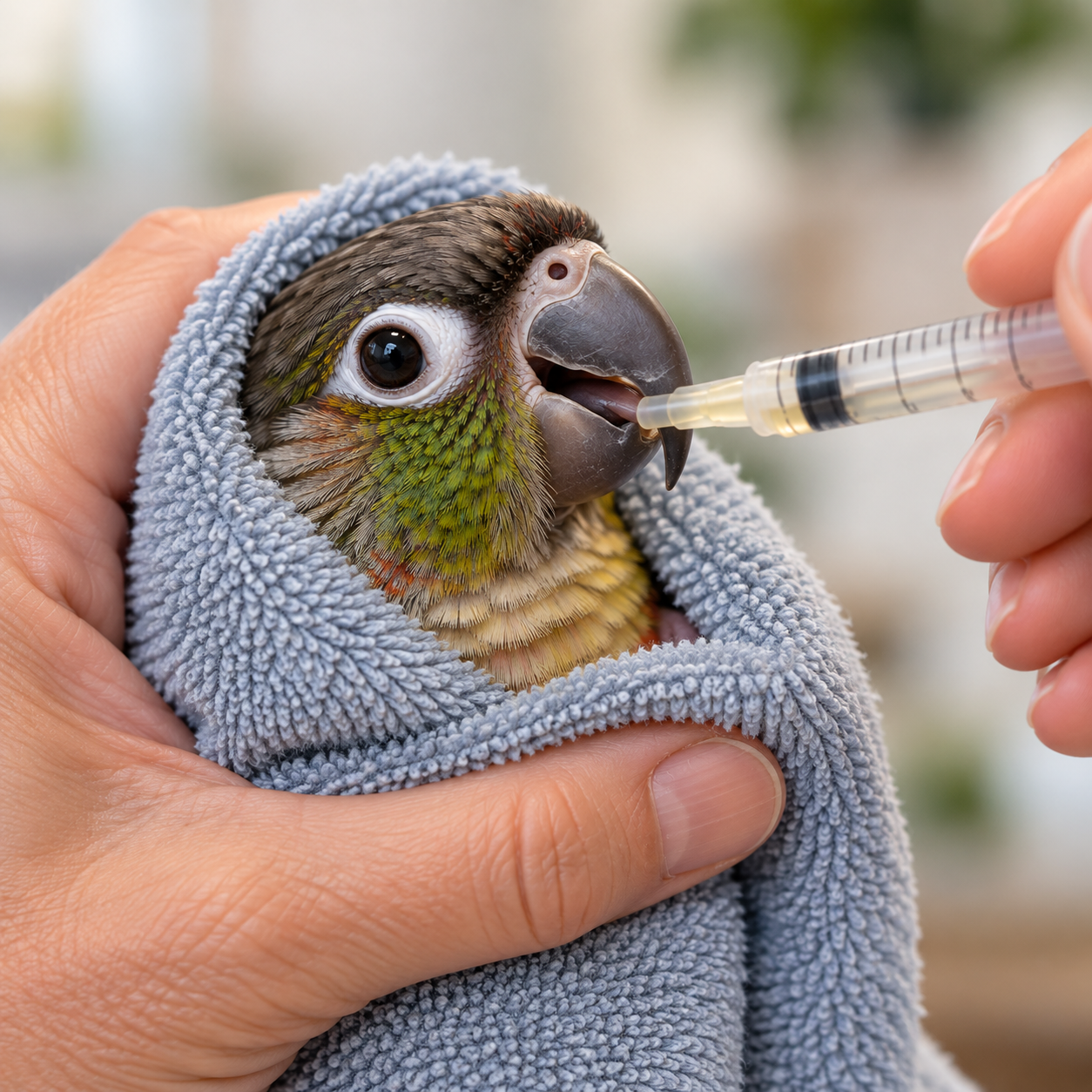
Veterinary professionals emphasize that the administration must be rhythmic. The owner should provide a small amount of liquid, then pause to allow the bird to swallow, repeating this process until the dose is completed. If the bird displays signs of excessive stress or if the medicine is not being ingested, the process should be halted immediately. In such instances, forcing the issue increases the risk of physical injury or aspiration.
Mitigating Stress and Improving Outcomes
The psychological impact of medicating a bird is a frequent concern among pet owners. It is common for birds to exhibit "toddler-like" resistance, including vocalizing, squawking, or attempting to flee. Experts note that this behavior is a normal reaction to the loss of control and does not necessarily indicate a permanent breakdown in the bond between the owner and the bird.
To mitigate this, the process should be kept strictly functional. It should not be combined with other activities like nail trimming or behavioral training, which may confuse the bird. Once the medication is administered, the bird should be released immediately and offered a positive reinforcement, such as a high-value treat or a return to their favorite perch. This "reward" cycle helps the bird associate the end of the session with a positive outcome, effectively turning a stressful event into a predictable, manageable routine.
Professional Guidance and Troubleshooting
There are instances where home administration becomes untenable. If a bird is exceptionally resistant, or if the owner is unable to confirm that the full dose has been swallowed, it is imperative to consult a veterinarian. Some clinics suggest the "two-person" method: one individual performs the gentle, steady restraint, while the other focuses solely on the accurate delivery of the medication.
Regarding common questions about "hiding" medication in food, veterinarians urge caution. While this method appears less stressful, it is medically unreliable. If a bird does not consume the entire portion of the medicated food, the dosage becomes impossible to track, potentially resulting in sub-therapeutic levels of the drug. Similarly, adding medication to drinking water is widely discouraged, as avian water intake is inconsistent, making it impossible to ensure a precise dosage.
Implications of Missed Doses
In the event that a dose is missed, owners should not unilaterally decide to double the next dose, as this could lead to toxicity. The standard medical advice is to contact the prescribing veterinarian to receive specific instructions based on the drug’s half-life and the bird’s condition.
The long-term implication of these protocols is the improvement of bird welfare during chronic illness. By professionalizing the home-care routine, owners contribute significantly to the success of the veterinary treatment plan. While the bird may never "enjoy" the process of taking medication, a structured, low-stress approach ensures that the path to recovery is as smooth as possible.
Summary of Best Practices
For owners navigating this process, the following summary serves as a guide for daily operations:
- Preparation: Ensure all tools are ready and the environment is quiet before handling.
- Safety: Utilize towels for gentle, non-restrictive support of the chest.
- Pacing: Administer liquid slowly to allow for natural swallowing reflexes.
- Consistency: Treat the routine as a predictable event, ending with a reward.
- Communication: Maintain open lines with your avian veterinarian if the process fails or if the bird’s symptoms change.
Ultimately, the goal of home-based avian medication is to bridge the gap between the clinical environment and the bird’s daily life. With proper technique and a focus on minimizing stress, the therapeutic benefits of the medication can be fully realized, significantly increasing the probability of a positive health outcome.

