


The invisible machinery of the North American horse slaughter trade operates across thousands of miles of highway, linking high-profile racing stables, public federal lands, and livestock auction houses directly to foreign processing plants. Recent undercover investigations and investigative journalism have dragged this shadowy industry back into the public spotlight, exposing systemic animal welfare violations, severe regulatory loopholes, and the ongoing export of tens of thousands of American equines—including retired racehorses and federally protected wild mustangs—to slaughterhouses in Canada and Mexico.
While domestic slaughter for human consumption has been effectively halted within the United States due to withheld USDA inspection funding, the trade itself has not ended. Instead, it has been displaced across international borders, creating a multi-million-dollar logistical pipeline characterized by grueling long-distance transport, fraudulent sales of protected animals, and, in severe cases, harrowing instances of extreme cruelty at the point of processing.
Anatomy of an International Pipeline
The journey to slaughter typically begins at local livestock auctions, where horses change hands through intermediaries known in the industry as "kill buyers." These buyers acquire animals for minimal sums—sometimes as low as $25 to $350—depending on the weight, age, and condition of the animal. Once purchased, the horses are loaded onto commercial livestock trucks for transport across state and international lines.
Undercover documentation gathered by animal welfare organizations such as People for the Ethical Treatment of Animals (PETA) and the Canadian Horse Defence Coalition has repeatedly highlighted the systemic abuse inherent in this transit. Investigations tracing transport vehicles traveling from the United States to Canadian processing plants have documented journeys lasting up to 36 hours through sub-freezing temperatures. During these long-haul trips, animals are routinely denied access to adequate food, water, and rest, regardless of whether they are sick, injured, or heavily stressed.
At the processing facilities, the treatment of the animals frequently violates basic humane slaughter standards. Investigative footage released from Canadian facilities has captured severe mechanical and human failures during terminal procedures. In one documented incident at a Canadian slaughterhouse, an ineptly operated captive-bolt gun was discharged 11 times into a horse’s head before the animal collapsed, violently striking a concrete wall. Such catastrophic failures underscore the inherent difficulty of humanely stunning equines in industrial slaughter environments, where processing speeds often compromise animal welfare standards.
The Fate of Thoroughbreds and Protected Mustangs
The population of horses funneling into the slaughter pipeline is remarkably diverse, encompassing everything from unbranded pasture ponies to elite equine athletes.
The Thoroughbred racing industry has long faced scrutiny over the ultimate fate of horses once their racing careers conclude. Thousands of horses are bred for racing every year, but once an animal sustains an injury, loses its competitive edge, or reaches the end of its utility, owners and trainers frequently fail to secure responsible retirement placements. Consequently, many end up at livestock auctions frequented by kill buyers.
A prominent example of this lifecycle is Royale With Speed, a grandson of the legendary Triple Crown winner Secretariat. Bred and raced competitively, the gray Thoroughbred was forced through 23 starts, generating more than $127,000 in winnings before being discarded. Investigators discovered him at a livestock auction in deteriorating health, having recently been sold to a kill buyer for $350. Timely intervention by animal advocates prevented his export to slaughter, allowing him to be nursed back to health and live out his remaining years at a specialized sanctuary, eventually reaching the milestone age of 22.
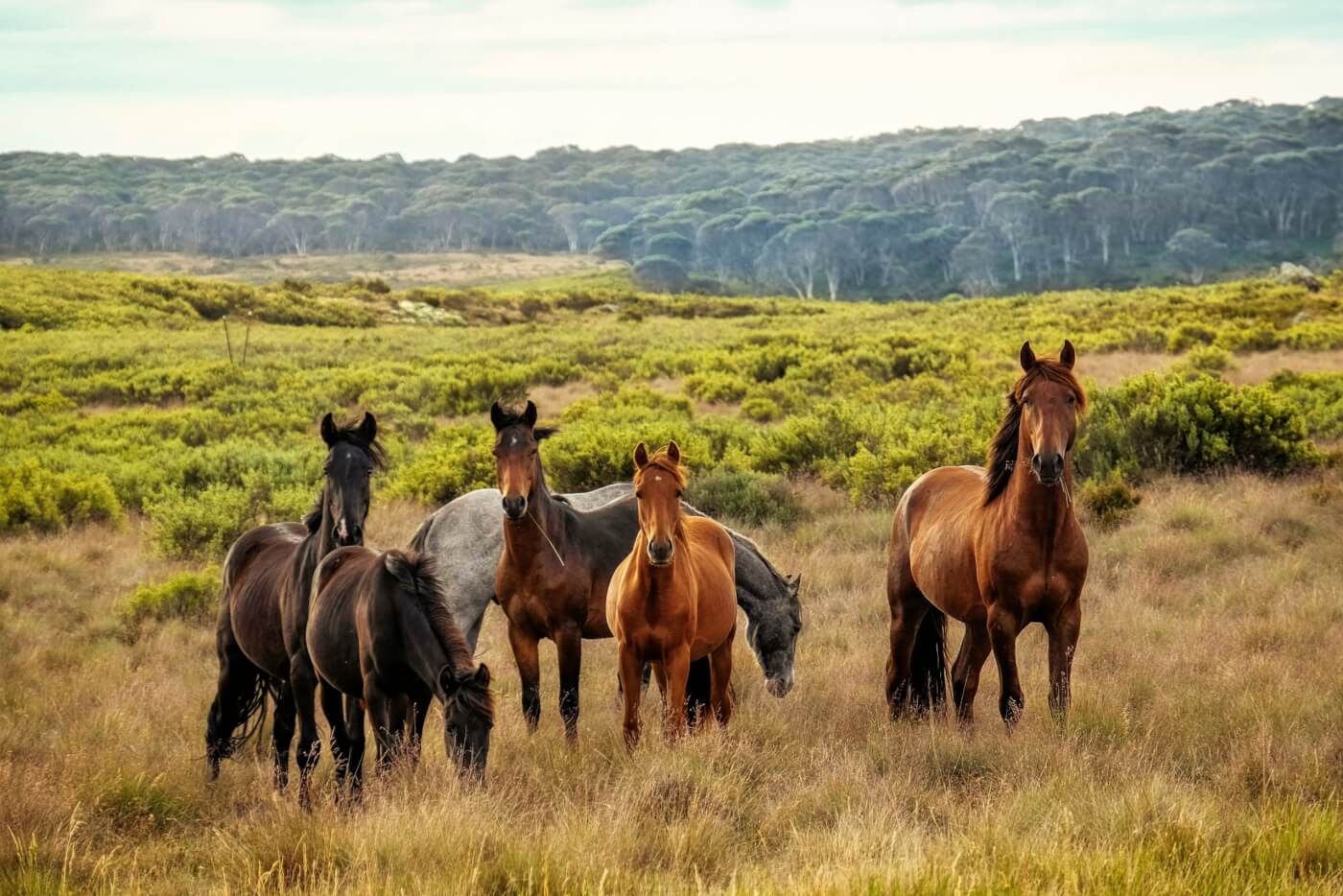
However, retired racehorses represent only one segment of the slaughter population. In August 2026, an extensive investigative report published by The New York Times revealed a persistent, illegal pipeline funneling federally protected wild mustangs from public lands into the commercial meat trade.
Under the Wild Free-Roaming Horses and Burros Act of 1971, the Bureau of Land Management (BLM) is mandated to protect wild mustangs and burros on public lands. Federal law strictly prohibits the direct sale or transfer of these protected animals to slaughterhouses. Despite these statutory protections, investigators and sanctuary operators uncovered a loophole: federal agencies have historically sold excess mustangs to private buyers under adoption or purchase programs without adequate tracking. These buyers subsequently flip the animals to kill buyers who transport them across the border to Canadian processing plants.
Clare Staples, founder of the Skydog Ranch Sanctuary, noted a sharp increase in young mustangs—many aged just two or three years old—appearing at regional auctions frequented by slaughter brokers. While sanctuary operators and rescue networks attempt to intervene at these sales, their capacity is severely limited, allowing the vast majority of these federally protected animals to slip through to commercial processing.
Chronology of Regulatory Crackdowns and Enforcement Actions
The exposure of these illegal networks has triggered swift, localized enforcement responses from state authorities and humane organizations determined to disrupt the cross-border trade.
In late August 2026, just days after the publication of the investigative report detailing the mustang pipeline, New York State Police intercepted and arrested a Pennsylvania man suspected of illegally transporting 25 horses destined for slaughter through New York State. The animals were immediately seized and placed into protective custody, where veterinary evaluations confirmed their safety.
John Scheib of the New York State Humane Association praised the interdiction, issuing a stern warning to commercial traders operating within the region. "We have sent a clear message today: The era of operating in the shadows is over," Scheib stated, highlighting the growing coordination between state law enforcement agencies and animal protection groups.
While states such as New York and California maintain strict statutory prohibitions against the transport of horses for human consumption, the patchwork nature of state-level legislation leaves significant enforcement gaps. Because interstate transport remains federally unregulated regarding final destination checks, traders frequently reroute shipments through states with lax oversight to reach processing plants in Canada and Mexico.
Legislative Solutions and the SAFE Act
To permanently close the regulatory loopholes that allow American horses to be slaughtered for human consumption, federal lawmakers and advocacy groups are renewing their push for the passage of the Save America’s Forgotten Equines (SAFE) Act (H.R. 1661 / S. 775).
The bipartisan legislation would enact a comprehensive, permanent federal ban on the slaughter of horses on U.S. soil, while simultaneously prohibiting the export of horses across international borders for the explicit purpose of human consumption. Proponents argue that the bill is essential not only from an animal welfare perspective, but also due to public health concerns. Unlike livestock raised specifically for the food supply, American horses are frequently administered pharmaceutical substances—such as phenylbutazone (bute) and various deworming agents—throughout their lives that are strictly prohibited by the FDA for human ingestion. The lack of standardized tracking systems means meat derived from these animals routinely enters global food markets without verifiable health histories.
Economic and Social Implications
The ongoing horse slaughter trade presents complex socio-economic challenges for rural communities, equine rescues, and the agricultural sector. Critics of the trade point out that commercial slaughter disincentivizes responsible equine ownership, providing a cheap disposal mechanism for unwanted or neglected animals rather than encouraging investment in sustainable lifetime care infrastructure.
Conversely, some agricultural groups and livestock auction operators have historically defended the trade as an economic safety valve for owners facing the high cost of equine feed, veterinary care, and humane euthanasia. However, animal welfare advocates counter that the growth of nationwide safety nets, retraining programs, and retirement sanctuaries demonstrates that communities are increasingly willing to absorb the responsibility of humane equine stewardship without relying on commercial abattoirs.
As public awareness surrounding the realities of the cross-border slaughter pipeline grows, the pressure on federal legislators to enact the SAFE Act has intensified. For thousands of domestic and wild equines currently at risk of entering the auction-to-slaughter pipeline, the passage of federal legislation remains the single most viable barrier between life and the kill box.

