


The field of macro photography has undergone a significant transformation, evolving from a niche technical discipline into a sophisticated intersection of fine art, scientific documentation, and landscape-style composition. While the genre is fundamentally defined by its ability to capture subjects at a 1:1 magnification ratio—where the size of the subject on the camera sensor is equal to its life size—modern practitioners are increasingly looking beyond mere magnification. Today, the focus has shifted toward creating immersive visual worlds that utilize advanced focus stacking, strategic lighting, and environmental storytelling to elevate tiny subjects into monumental works of art.
The Evolution of Macro Photography: A Technical Chronology
The pursuit of the "miniature world" has been a part of photography since its inception, but the tools and methodologies have shifted dramatically over the last century. In the early 20th century, macro work was largely the domain of scientists and botanists using large-format cameras with massive bellows extensions. These setups were cumbersome, requiring long exposure times and stationary subjects.
By the 1970s and 1980s, the introduction of dedicated macro lenses for 35mm SLR systems democratized the genre. However, photographers were still limited by the physics of optics: as magnification increases, the depth of field (DoF) decreases exponentially. On film, capturing a sharp image of an insect or flower often meant stopping the lens down to f/22 or f/32, which introduced diffraction—a physical phenomenon where light waves interfere with each other, resulting in a loss of fine detail.
The digital revolution of the early 2000s introduced the most significant breakthrough: focus stacking. By taking multiple images at different focal points and blending them in post-processing, photographers could finally bypass the "diffraction limit." In the current decade, mirrorless camera technology has further refined this process with in-camera focus bracketing, allowing for the automated capture of hundreds of frames in seconds. This technological timeline reflects a move away from the limitations of the single exposure toward a more computational and composite-based approach to image-making.
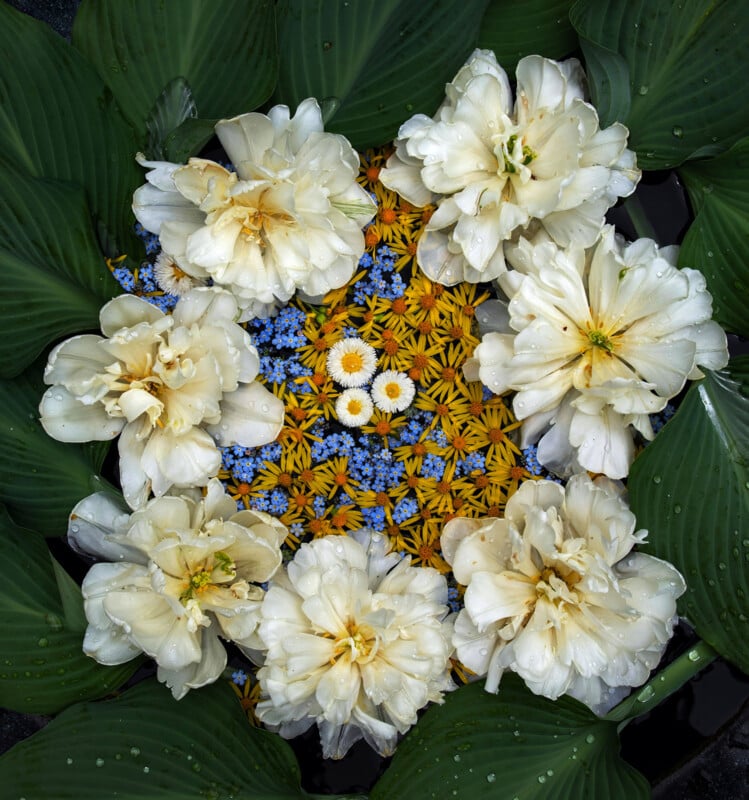
Advanced Focus Stacking: Overcoming Optical Limitations
Focus stacking remains the cornerstone of advanced macro photography. At high magnifications, the depth of field can be as thin as a fraction of a millimeter. For a subject with significant depth, such as a large flower or a textured forest floor "flat lay," a single exposure at any aperture will leave the majority of the scene in a soft blur.
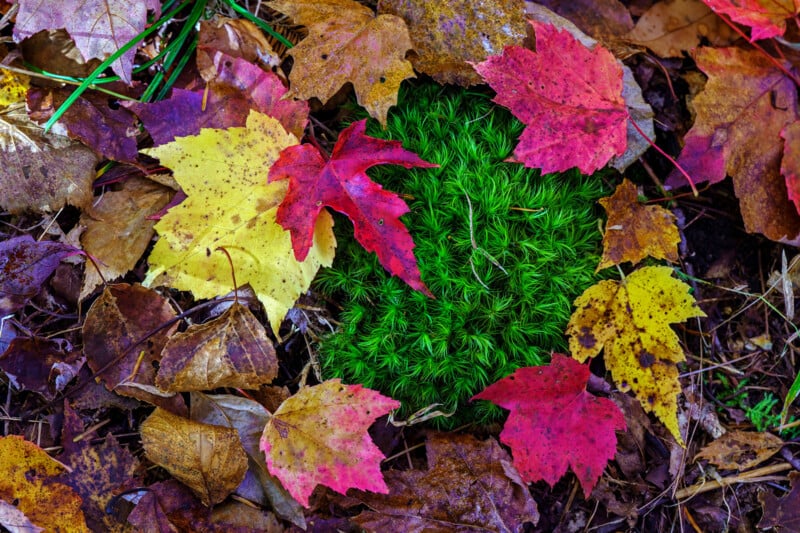
The process of manual focus stacking involves capturing a series of exposures, often ranging from 10 to over 100, depending on the subject’s depth and the desired magnification. The photographer begins at the closest point of interest and incrementally shifts the focus ring through the subject until the furthest point is captured. Precision is paramount; any gap in the "slices" of focus will result in a blurred band in the final composite.

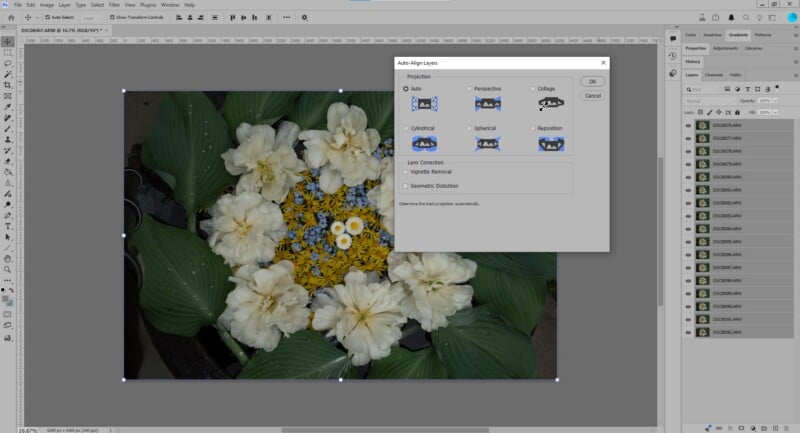
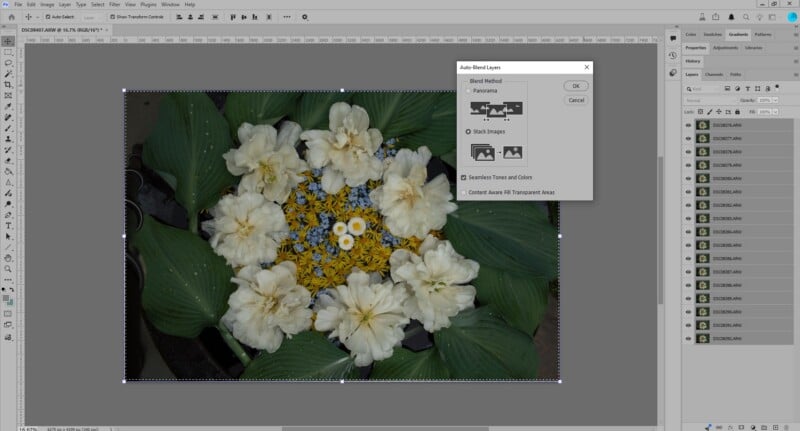
Modern post-processing workflows typically utilize Adobe Photoshop, Helicon Focus, or Zerene Stacker. These programs employ complex algorithms to align the layers—compensating for "focus breathing," where the subject appears to change size as the focus shifts—and then mask out the blurry sections of each frame to reveal only the sharpest pixels. This technique allows for a level of clarity and texture that mimics the human eye’s ability to scan a scene, creating a "hyper-real" aesthetic that single-exposure photography cannot achieve.

Precision Mechanics and the Role of Macro Rails
As magnification moves beyond 1:1 into the realm of "extreme macro" (2:1 to 5:1 and beyond), adjusting the lens’s focus ring becomes insufficient. At these levels, the physical movement of the camera itself is required to shift the plane of focus. This is where macro focusing rails become indispensable.

High-end rails, such as those produced by Cognisys or Novoflex, allow for movements measured in microns. For professional-grade work, automated electronic rails are often used to ensure perfectly even spacing between shots. This level of precision is particularly critical in scientific imaging, where researchers document the microscopic anatomy of insects or the crystalline structures of minerals. The implication of this technology is a shift in the photographer’s role; they become part-artist and part-technician, managing a workflow that is as much about mechanical engineering as it is about aesthetic vision.
The Strategic Placement of the Focal Plane
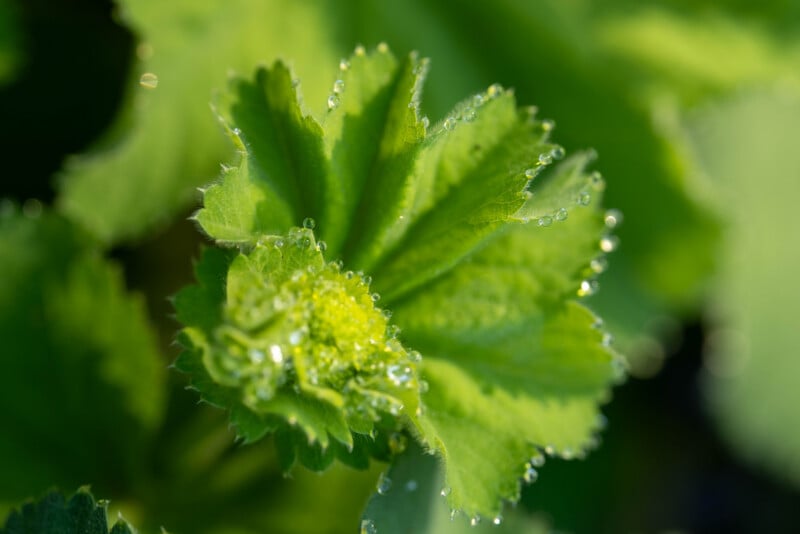
While focus stacking aims to maximize sharpness, selective focus remains a powerful creative tool. In this context, the "focal plane"—the three-dimensional slice of space in perfect focus—is treated as a compositional element. Rather than simply aiming for a sharp subject, advanced photographers angle the camera to tilt the focal plane diagonally through the scene.

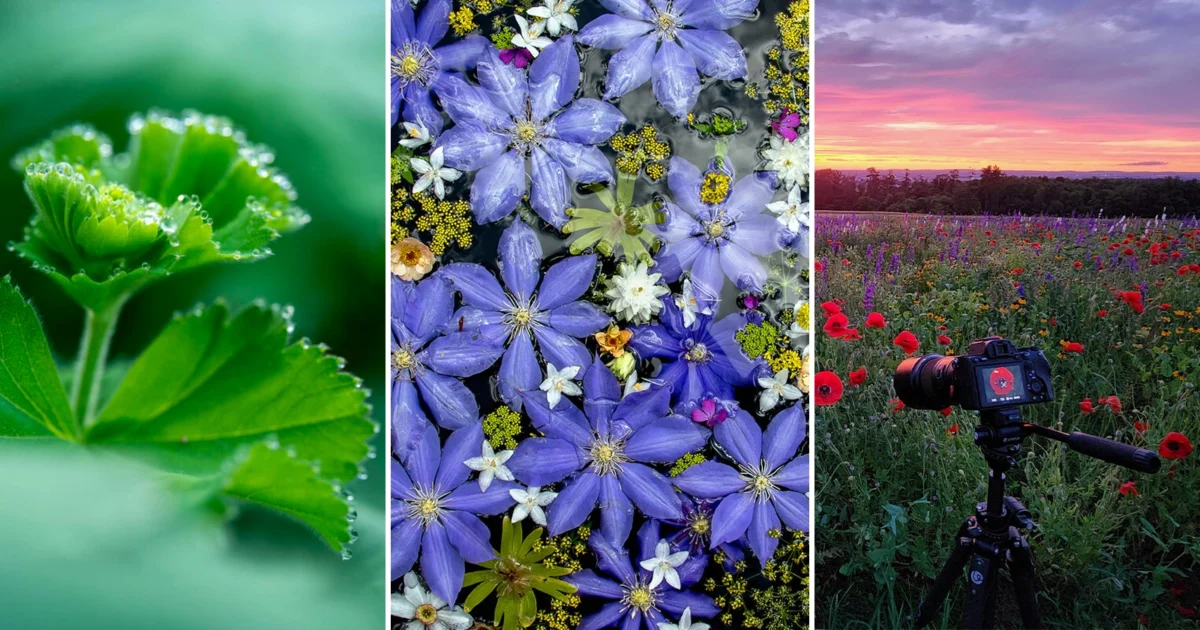
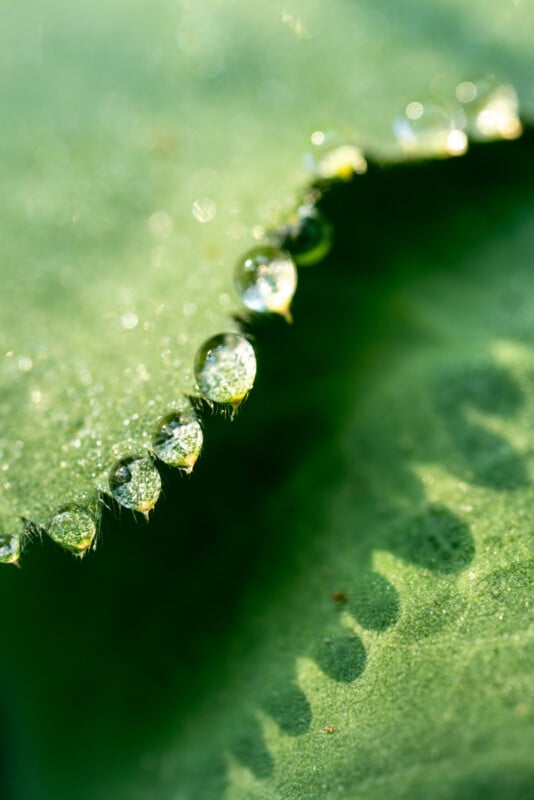
This technique is often used to create a sense of rhythm and flow. For example, when photographing a dew-covered leaf, a photographer might position the camera so the focal plane follows the serrated edge of the leaf, leading the viewer’s eye from the foreground into the background. This approach borrows heavily from portraiture, where the "eyes" of the subject (or the most vital texture) are prioritized, allowing the rest of the image to fall into a creamy, non-distracting bokeh. The strategic use of shallow depth of field helps to isolate the subject from the "visual noise" often found in natural environments.
Lighting: Sculpting Landscapes at a Microscopic Scale
In macro photography, the physics of light are magnified along with the subject. The "Inverse Square Law," which dictates that light intensity drops off rapidly as the distance increases, becomes a major factor. Because the lens is often inches away from the subject, it can block ambient light, necessitating artificial illumination.
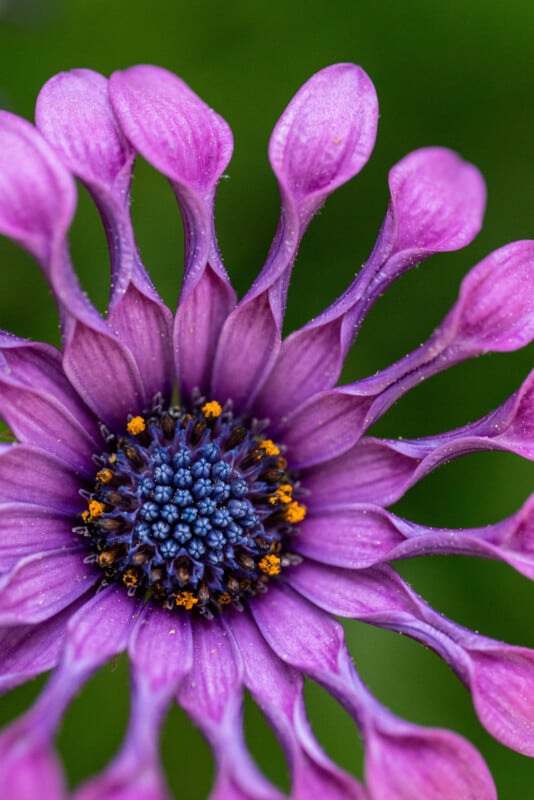
Professional macro lighting setups have evolved beyond the basic ring flash. While ring flashes provide even, shadowless light—ideal for medical or forensic documentation—they often lack the "dimensionality" required for fine art. Modern practitioners favor twin-flash systems or off-camera speedlights equipped with custom diffusion.
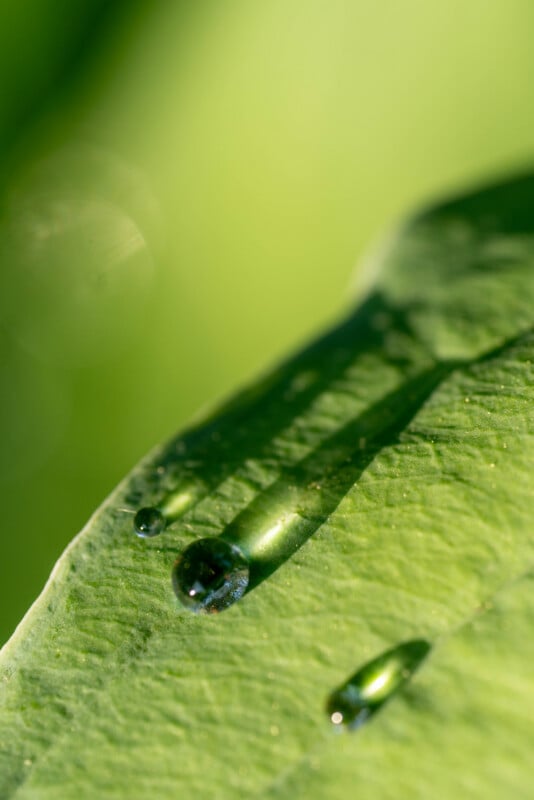
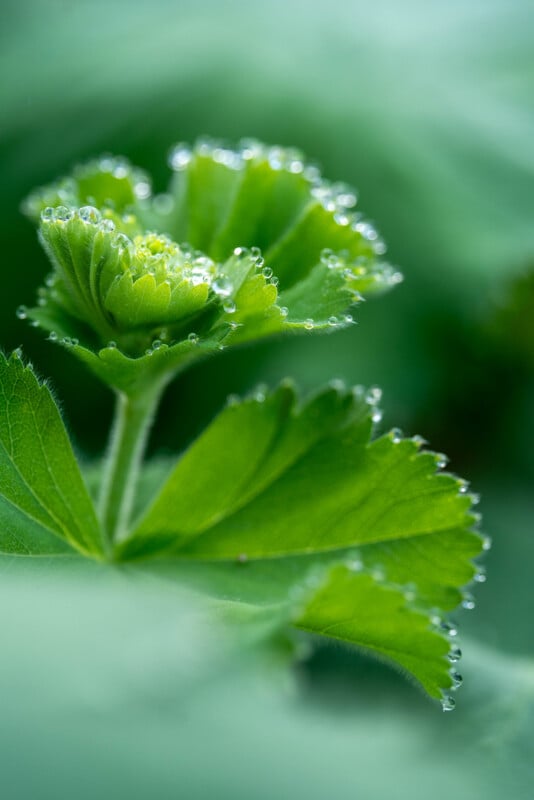
Diffusion is the most critical component of macro lighting. Because the light source is physically large relative to the tiny subject, highly diffused light can mimic the soft, wrap-around quality of a giant softbox in a portrait studio. Photographers often build DIY "tents" or use specialized modifiers like the AK Diffuser to eliminate harsh "specular highlights" on reflective surfaces like beetle shells or water droplets. By controlling the direction and quality of light, the photographer can "sculpt" the subject, emphasizing texture and creating a sense of three-dimensional form.
Composition: Environmental vs. Abstract Approaches
The maturation of macro photography has led to two distinct compositional philosophies: Environmental Macro and Abstract Macro.
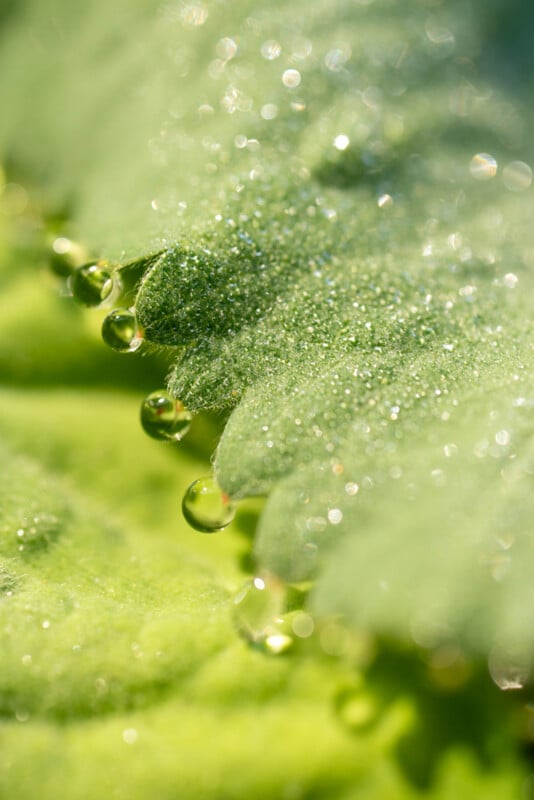
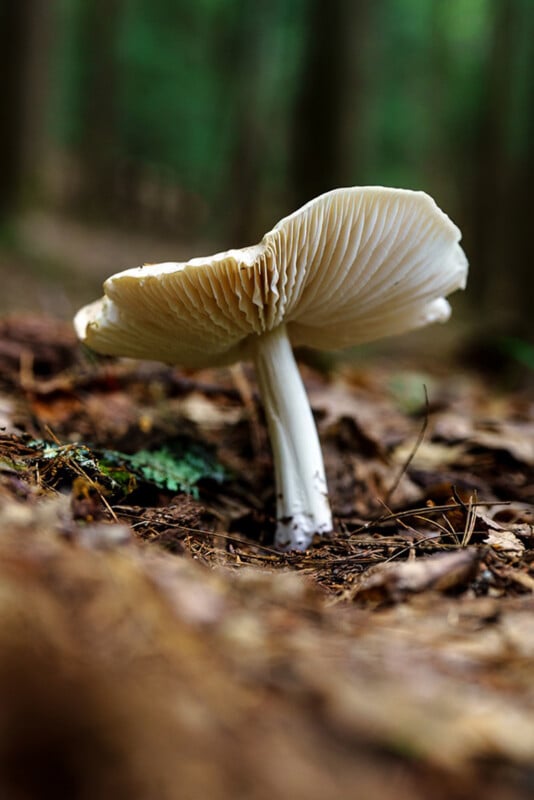
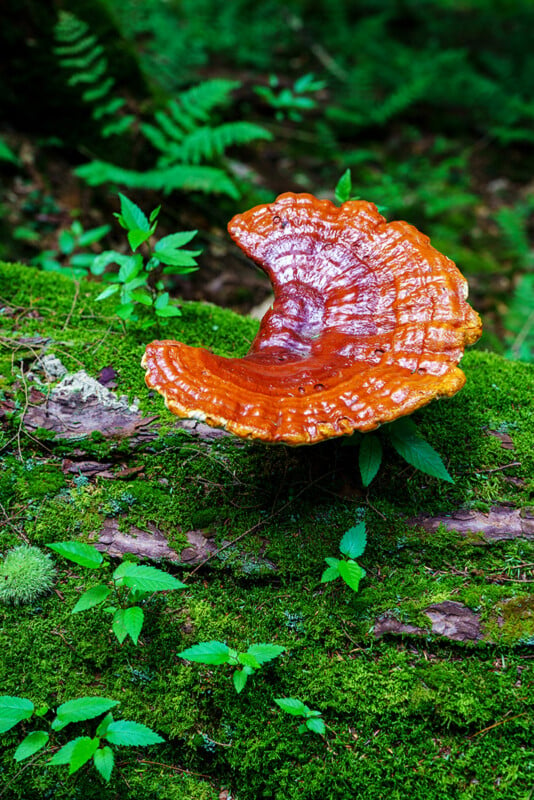
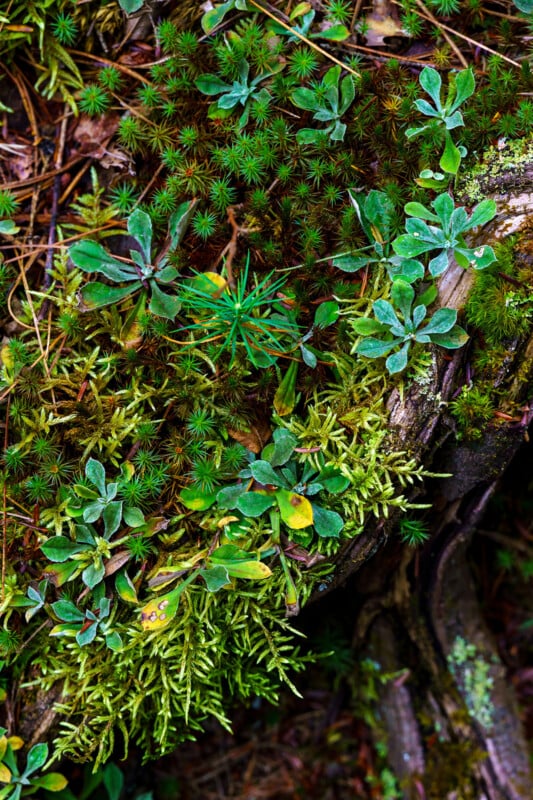
Environmental Macro treats the subject not as an isolated specimen, but as a character within a landscape. This style often uses wider macro lenses (in the 35mm to 60mm range) to include more of the habitat. The goal is storytelling; showing a mushroom among the decaying leaves and moss of the forest floor provides ecological context. This style has seen a surge in popularity within conservation photography, as it helps viewers connect with the "unseen" ecosystems that support larger life forms.
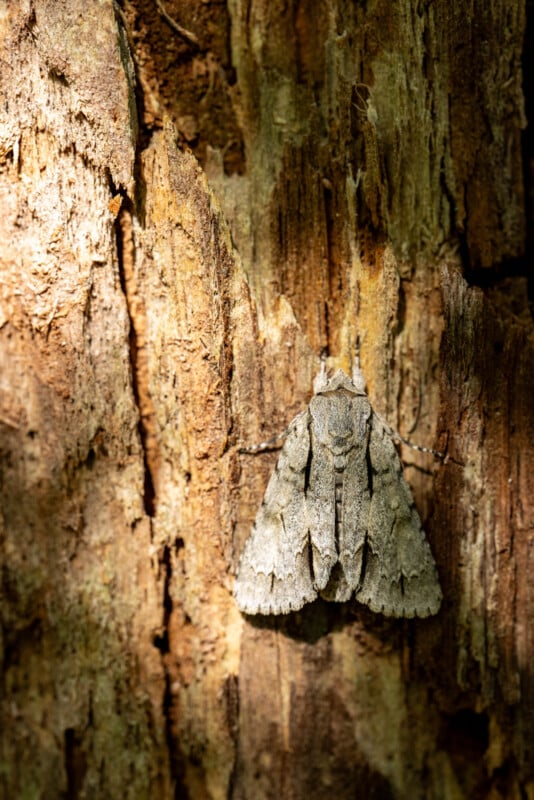
Abstract Macro, conversely, seeks to strip away identity. At high magnifications, the veins of a leaf can resemble an aerial view of a river delta, and the scales of a butterfly wing can look like a tiled mosaic. This approach requires a mental shift from "what is this?" to "what shapes and colors are here?" By focusing on geometry, repetition, and tonal gradients, the photographer creates images that challenge the viewer’s perception of scale.

The Skill of Observation and Biological Context
Beyond the technical gear, the most successful macro photographers possess deep knowledge of their subjects. Observation is an advanced skill that involves understanding the "golden hours" of the miniature world. For instance, many insects are ectothermic (cold-blooded) and remain dormant during the cool temperatures of early morning, providing a window of opportunity for focus stacking that would be impossible once they become active in the heat of the day.
Similarly, understanding the seasonal cycles of flora—such as the exact week a specific wildflower blooms or when autumn leaves reach their peak saturation—is vital. This expertise allows photographers to anticipate moments rather than merely reacting to them. The integration of biological and ecological knowledge into the photographic process marks the transition from amateur enthusiast to professional specialist.
Broader Impact and Future Implications
The advancement of macro photography techniques has significant implications for both the art world and the scientific community. In fine art, macro prints are increasingly being sold in galleries as large-scale installations, where the "miniature" is blown up to several feet wide, revealing a level of detail that feels alien and awe-inspiring.
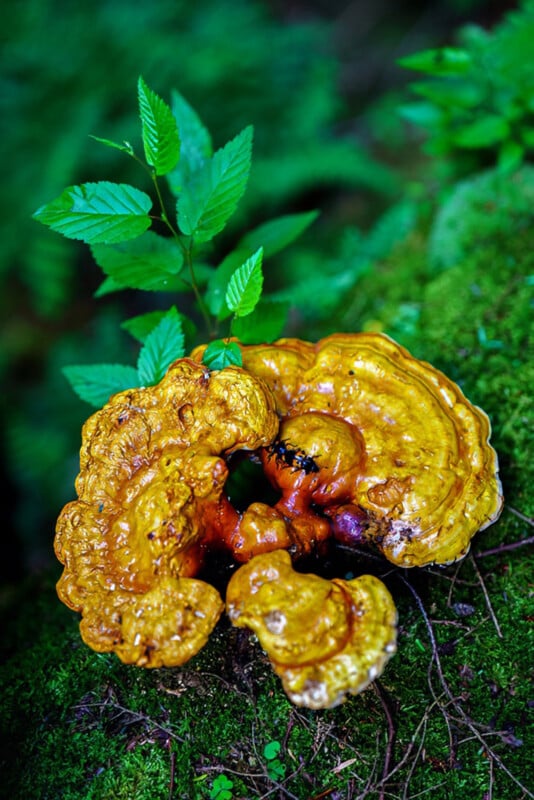
In science, the ability to create high-resolution, deep-focus composites is revolutionizing taxonomy and entomology. Digital "holotypes"—detailed 3D-like images of species—can now be shared globally, reducing the need to ship fragile physical specimens between museums.
Furthermore, the rise of computational photography in smartphones means that basic macro capabilities are now in the pockets of millions. This has sparked a renewed public interest in backyard biodiversity. However, the "advanced" techniques—precision stacking, sculptural lighting, and intentional composition—remain the distinguishing factors that separate professional output from casual snapshots. As technology continues to advance, the boundary between the microscopic and the monumental will only continue to blur, offering a limitless frontier for those willing to master the art of the small.

