


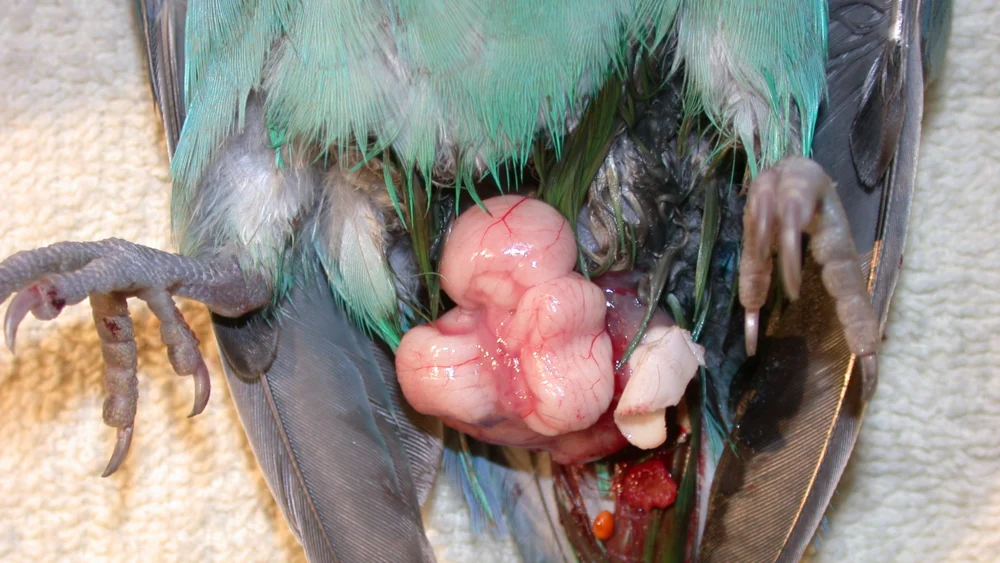
The professional veterinary community and avian specialists have been notified of a significant schedule change regarding the upcoming LafeberVet continuing education series. The highly anticipated webinar titled Reproductive Disease in Female Psittacine Birds, featuring the esteemed Don Harris, DVM, has been officially postponed due to unforeseen health concerns. Originally slated for an earlier release, the session is now rescheduled to take place on Wednesday, December 9, 2026, at 2:00 PM EST. This postponement affects hundreds of registered veterinary surgeons, technicians, and students who rely on LafeberVet’s digital platform for advanced clinical training in exotic animal medicine.
As a direct consequence of this scheduling shift, the registration portal for the event has been temporarily suspended. Organizers have indicated that the registration window will remain closed through the summer and early autumn, with a planned reopening in late October 2026. Prospective attendees and those previously registered are encouraged to monitor official communications to ensure their participation in the rescheduled session, which remains a critical component of the 2026 avian medicine educational calendar.
Context and Scope of the Webinar
Reproductive disorders represent a substantial portion of the caseload in avian clinical practice, particularly among captive psittacine species such as parrots, cockatiels, and budgerigars. The complexities of the avian reproductive system, combined with the environmental stressors often found in a domestic setting, create a unique set of challenges for practitioners. Dr. Don Harris’s presentation aims to address these complexities by focusing on the most prevalent and life-threatening condition encountered in female birds: dystocia, commonly known as egg binding.
Dystocia occurs when an egg fails to pass through the oviduct at a normal rate. While the condition can be triggered by a variety of factors—including nutritional deficiencies, obesity, sedentary lifestyles, or anatomical abnormalities—it frequently presents as an acute emergency. If left untreated, egg binding can lead to metabolic exhaustion, pressure necrosis, and death. Dr. Harris’s webinar is designed to provide a comprehensive overview of the condition, drawing on his four and a half decades of specialized experience to offer safe and effective intervention strategies.
The abstract for the session clarifies that while reproductive disease can manifest in multiple forms—often simultaneously—the focus will remain on the practical resolution of egg binding. Dr. Harris intends to present his personal methodologies developed over 45 years in the field. He notes that while there are various clinical approaches to resolving dystocia, his techniques emphasize safety and efficacy, acknowledging that every medical intervention has inherent limitations.
Profile of the Presenter: Dr. Don Harris
The postponement of the webinar is particularly noteworthy given the prestige of the presenter. Dr. Don Harris is a foundational figure in the world of exotic animal medicine. As the owner of Miami’s first exotics-only veterinary hospital, the Avian & Exotic Animal Medical Center, he has been at the forefront of the industry since the mid-1990s. A graduate of the Louisiana State University School of Veterinary Medicine, Dr. Harris spent his early career in mixed animal practice before dedicating his life exclusively to avian and exotic species in 1990.
His influence extends far beyond his private practice. Dr. Harris serves as a consulting veterinarian for several high-profile institutions, including the Georgia Aquarium Research Center, Miami MetroZoo, and Jungle Island. His leadership roles within the veterinary community are extensive; he is a Past-President of the South Florida Veterinary Medical Association, the Association of Avian Veterinarians (AAV), and the North American Veterinary Community (NAVC). Furthermore, his role as an organizer for the North American Veterinary Conference—the largest of its kind globally—underscores his commitment to veterinary education and the dissemination of specialized knowledge.
Clinical Relevance and Educational Objectives
The clinical relevance of reproductive medicine in psittacines cannot be overstated. In captivity, female birds are often subject to "chronic egg laying," a condition where the bird produces an excessive number of eggs, depleting her calcium reserves and increasing the risk of reproductive failure. This webinar is expected to cover the physiological triggers of such conditions, including photoperiod, diet, and perceived pair-bonding with human caretakers.
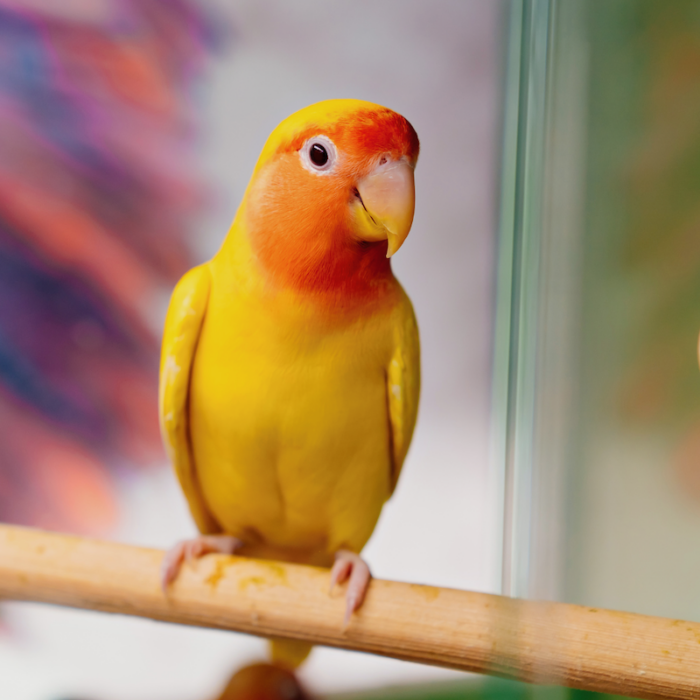
By focusing on dystocia, the webinar addresses a critical gap in general veterinary training. Many general practitioners may feel unequipped to handle the delicate tissues and high metabolic risks associated with avian reproductive emergencies. Dr. Harris’s "my ways" approach offers a pragmatic roadmap for these clinicians. The session is expected to outline:
- Diagnostic Protocols: How to identify egg binding through physical examination, radiography, and blood chemistry.
- Medical Management: The use of calcium gluconate, fluid therapy, and hormonal stabilization.
- Manual and Surgical Intervention: Techniques for ovocentesis or manual delivery, as well as the risks associated with these procedures.
- Long-term Prevention: Strategies for environmental modification and pharmacological options like GnRH agonists to prevent recurrence.
Accreditation and Professional Development
For veterinary professionals, the webinar serves a dual purpose: clinical enrichment and the acquisition of mandatory continuing education (CE) credits. The program is approved for 1.0 credit hour for veterinarians and veterinary technicians in jurisdictions that recognize the American Association of Veterinary State Boards (AAVSB) Registry of Approved Continuing Education (RACE).
The postponement to late 2026 means that practitioners planning their CE requirements for the current cycle may need to adjust their schedules. However, the high demand for Dr. Harris’s expertise suggests that the delayed session will remain a priority for those seeking to maintain their licensure while improving their standards of care for avian patients.
Impact on the Avian Veterinary Community
The delay of this webinar highlights the vulnerabilities within the specialized veterinary network, where the expertise is often concentrated in a few highly experienced individuals. Dr. Harris’s health-related postponement has prompted a wave of support from colleagues across the industry, reflecting his status as a mentor and leader.
From a broader perspective, the focus on female psittacine reproductive disease reflects an evolving trend in pet ownership. As parrots live longer due to better nutrition and husbandry, age-related reproductive issues are becoming more common. This shift requires veterinarians to move beyond basic care and into the realms of endocrinology and advanced soft-tissue surgery. Webinars provided by platforms like LafeberVet are instrumental in this transition, providing accessible, high-level instruction that was once only available at expensive international conferences.
Timeline and Future Expectations
The chronology of this event is now clearly defined by the LafeberVet administration. Following the postponement announcement in the spring of 2026, the community will observe a "quiet period" regarding this specific program. The timeline for the remainder of the year is as follows:
- April – September 2026: Registration remains paused; the educational abstract remains available for review.
- Late October 2026: Registration for the December webinar officially reopens to the public.
- December 9, 2026: The live webinar will be broadcast at 2:00 PM EST, followed by a potential Q&A session (to be confirmed).
- Post-December 2026: The recorded session is typically archived for on-demand viewing, though RACE credit eligibility for recorded versions may vary by jurisdiction.
The veterinary community is advised to use the intervening months to familiarize themselves with the preliminary materials provided by LafeberVet. The organization has a history of providing supplementary reading and citations—such as Dr. Harris’s previous works—to help attendees prepare for the depth of the live discussion.
Conclusion and Strategic Significance
The rescheduling of Reproductive Disease in Female Psittacine Birds is a reminder of the human element behind professional medical education. While the delay is significant, the value of the content remains undiminished. For the avian practitioner, the insights offered by a veteran like Dr. Don Harris are invaluable, particularly concerning a topic as volatile and high-stakes as dystocia.
As the veterinary industry continues to embrace digital learning, the success of such webinars depends on the resilience of the experts who lead them and the patience of the professionals who attend them. The December 2026 session is poised to be a landmark event in the LafeberVet series, reinforcing the importance of specialized knowledge in the ongoing effort to improve the health and welfare of captive psittacine birds worldwide. All stakeholders are encouraged to mark their calendars and prepare for the reopening of registration this October, ensuring they do not miss this critical opportunity for professional growth.

