


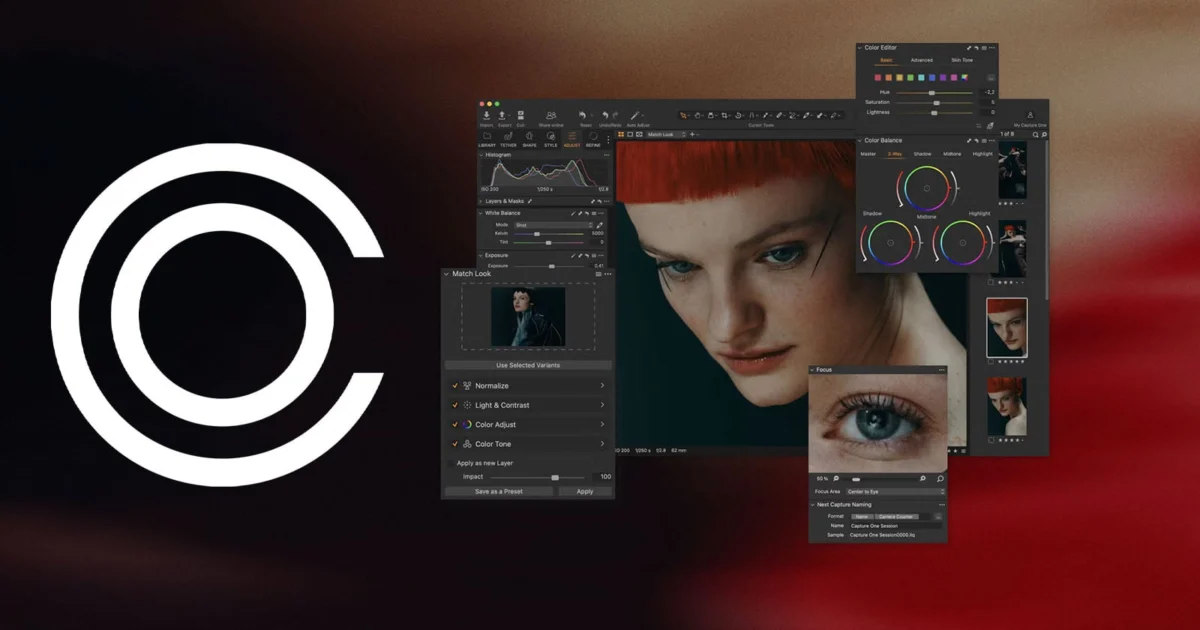
Capture One, the developer of the industry-standard RAW image processing and tethering software, has officially announced a price increase that will affect its entire product catalog. Starting June 2, 2026, the company will implement a 6% price hike across all subscription tiers—including Pro, All-in-One, and Studio—as well as its perpetual license offerings. This adjustment marks a significant shift in the company’s pricing strategy as it seeks to balance rising operational costs with continued investment in its professional-grade feature set.
According to documentation released on Capture One’s official support website, the changes are intended to address the increasing costs associated with maintaining a high-performance creative platform. The 6% increase is a blanket adjustment, meaning it will apply to both monthly and annual billing cycles, as well as the one-time purchase price for users who prefer to own their software outright. While the company has provided a window of notice for current users, the transition represents the latest in a series of pricing adjustments within the creative software industry, reflecting broader economic trends.
Detailed Breakdown of New Pricing Structures
The impact of the 6% increase varies depending on the specific product tier and the billing cycle chosen by the photographer. For many professional users on the "Pro" tier, which remains the most popular option for individual freelancers and wedding photographers, the changes will result in a modest but noticeable annual cost increase.
Currently, the Capture One Pro tier is priced at $17 per month when billed annually. Following the June 2 increase, this rate is expected to rise to approximately $18 per month, totaling an additional $12 per year for the subscriber. For those on the month-to-month Pro plan, which currently sits at $26 per month, the price will climb by more than $1.50, pushing the monthly overhead to approximately $27.50.
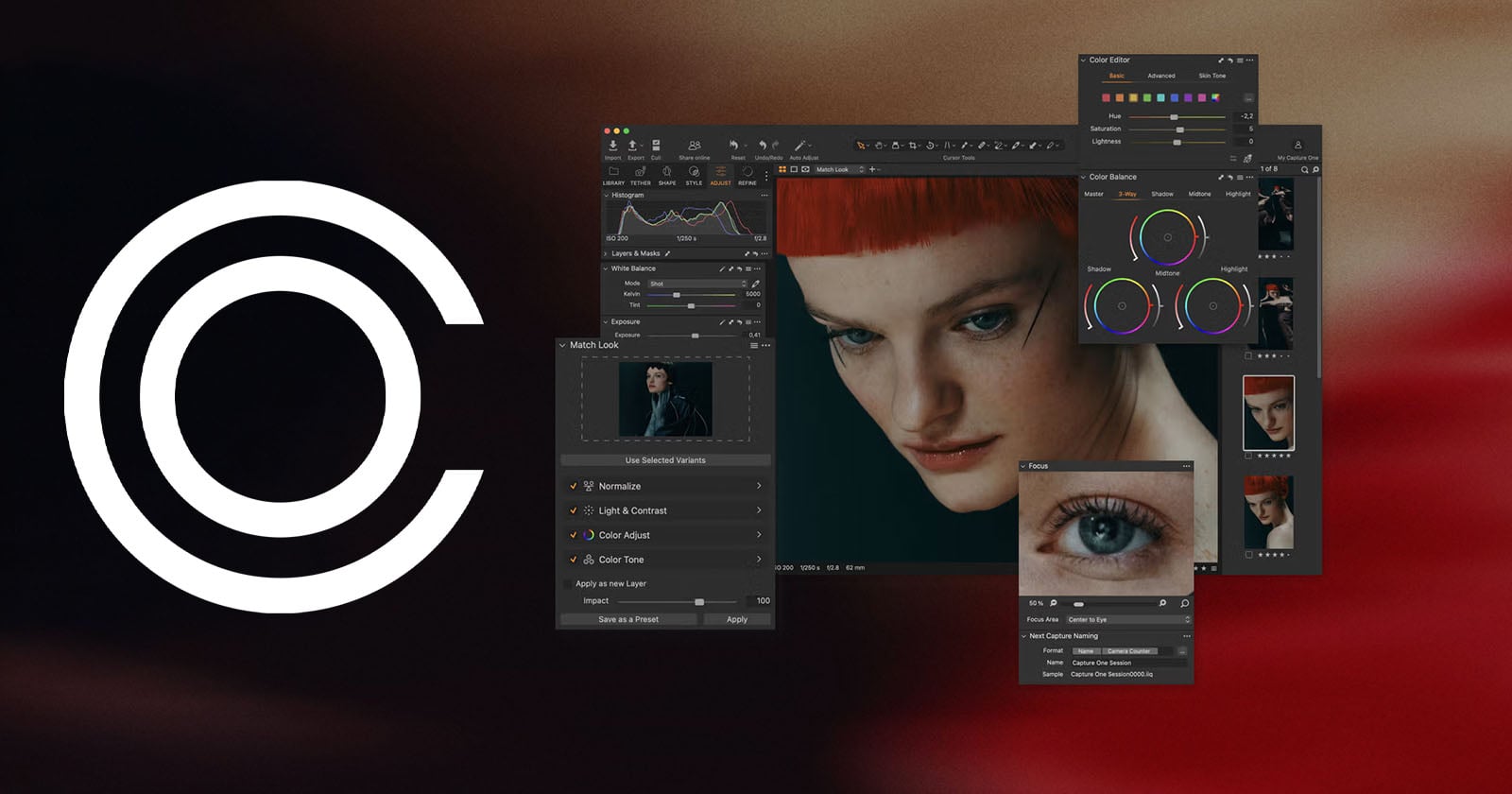
The "All-in-One" subscription, which caters to photographers who require a seamless workflow across different devices, will also see its rates climb. This tier includes the desktop version of Capture One, the iPad and iPhone applications, cloud sharing capabilities, and online collaboration tools. Currently priced at $23.25 per month (billed annually) or $36 on a month-by-month basis, these rates will increase to nearly $25 and over $38, respectively.
The most significant financial impact will be felt by high-volume commercial operations using the "Studio" tier. Designed for large-scale, client-facing photography environments, the Studio tier offers advanced automation and enterprise-level support. Currently, this tier costs $45.75 per month on an annual plan or $59 for a month-to-month commitment. The 6% hike will result in an annual increase of nearly $33 for annual subscribers and over $40 across 12 months for those on the monthly plan.
Timeline for Implementation and Customer Notifications
Capture One has outlined a specific chronology for the rollout of these new prices to ensure transparency and provide users with time to adjust their budgets. The new pricing goes into effect for all new purchases and plan changes on June 2, 2026. However, existing subscribers will not see the change reflected in their billing until their first renewal date occurring on or after July 6, 2026.
To assist users in managing this transition, the company has established a tiered notification schedule:
- Monthly Subscribers: Users will receive reminder emails detailing their specific new pricing seven days and three days prior to their next renewal date.
- Annual Subscribers: Because the financial commitment is larger, annual subscribers will receive alerts at three intervals: 30 days, seven days, and three days before their subscription is set to renew.
Capture One has also provided a strategic window for users looking to mitigate the price hike. The company noted that any monthly subscriber who switches to an annual subscription before the June 2 deadline can "lock in" the current annual price for their next billing cycle, effectively deferring the 6% increase for one year.
Rationale and Official Statements
In an official statement accompanying the pricing update, Capture One emphasized that the decision was driven by the necessity of maintaining a competitive and modern software ecosystem. The company highlighted that the landscape of software development has become more expensive over the last several years due to a variety of external factors.
"Empowering photographers with everything they need, from initial inspiration to final image, costs more now than it did a year ago," the company stated. "Rather than stand still, we’re continuing to invest in the platform and the support around it so you can keep creating extraordinary work."
This investment refers to the ongoing development of AI-driven tools, such as Smart Adjustments and AI Masking, as well as the technical overhead required to maintain compatibility with new camera sensors and operating system updates from Apple and Microsoft. Furthermore, the expansion into mobile ecosystems (iPad and iPhone) and the maintenance of cloud-based collaboration servers represent significant recurring costs that were not part of the company’s balance sheet a decade ago.
Background Context: A Changing Software Landscape
This is not the first time Capture One has adjusted its pricing model, and the move comes amid a period of significant transition for the company. Historically, Capture One was known for its robust perpetual license model, which appealed to photographers who were averse to the "subscription-only" model pioneered by Adobe in 2013. However, in early 2023, Capture One faced significant backlash from its user base when it announced changes to its loyalty program and perpetual license updates, effectively making the subscription model the most viable path for receiving regular feature updates.
The 2026 price hike is part of a broader trend across the Creative Cloud and professional software sectors. Adobe, the market leader with its Lightroom and Photoshop products, has also implemented price increases in various regions over the past 24 months, citing inflation and the integration of generative AI features like Firefly. Similarly, other tools in the photographic workflow—ranging from hardware like memory cards and storage to cloud backup services—have seen price adjustments due to global supply chain fluctuations and economic instability.
Professional Implications and Market Reactions
For the professional photography community, the 6% increase is likely to be viewed with a mix of resignation and scrutiny. While 6% is relatively modest compared to some software-as-a-service (SaaS) price jumps, the cumulative cost of a professional "tech stack" is becoming a point of contention for many freelancers. A typical commercial photographer may pay for Capture One, Adobe Creative Cloud, cloud storage (such as Dropbox or Google Drive), client delivery galleries (such as Pixieset or Pic-Time), and business management software.
Industry analysts suggest that Capture One’s decision to apply the hike to perpetual licenses as well as subscriptions is a clear signal that the company is prioritizing its recurring revenue model. By increasing the cost of the one-time purchase, the "entry fee" for the software becomes higher, potentially nudging more users toward the subscription tiers which offer lower upfront costs but higher long-term expenditure.
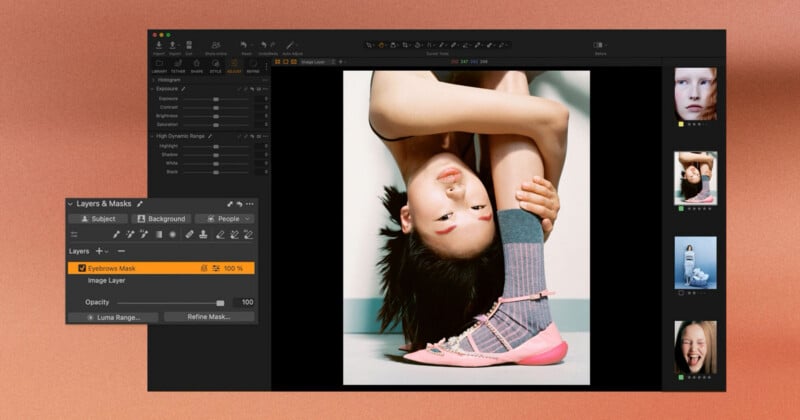
Despite the increase, Capture One remains the dominant choice for high-end fashion, commercial, and studio photographers due to its superior tethering stability and advanced color grading tools. For many in these sectors, the software is considered a "non-negotiable" expense, making them less likely to churn despite the higher price point. However, hobbyists and enthusiasts—who may not require the advanced studio features—might find the increasing costs a reason to explore alternatives such as DXO PhotoLab, Affinity Photo, or the increasingly capable open-source options.
Analysis of Long-term Impact
The move by Capture One reflects a broader economic reality in the tech sector: the "SaaS era" of cheap, subsidized growth is transitioning into a period of sustainability and margin protection. As global inflation continues to impact labor costs for software engineers and the energy costs associated with data centers, software providers are passing these expenses onto the end-user.
For Capture One, the challenge will be to ensure that the "continued investment" promised in their statement translates into tangible value for the user. With the rapid advancement of AI in photography, users expect frequent, meaningful updates that significantly reduce editing time. If the company can deliver on these technological fronts, the 6% increase may be viewed as a necessary maintenance cost for a premium tool. If feature updates remain incremental, however, the company risks alienating the mid-tier segment of its market.
As the June 2 deadline approaches, photographers are advised to review their current subscription status and determine if a shift to an annual plan or a final perpetual license purchase is the most cost-effective path forward for their specific workflow requirements. For now, the 6% increase stands as a reminder of the rising costs of doing business in a digital-first creative economy.

