


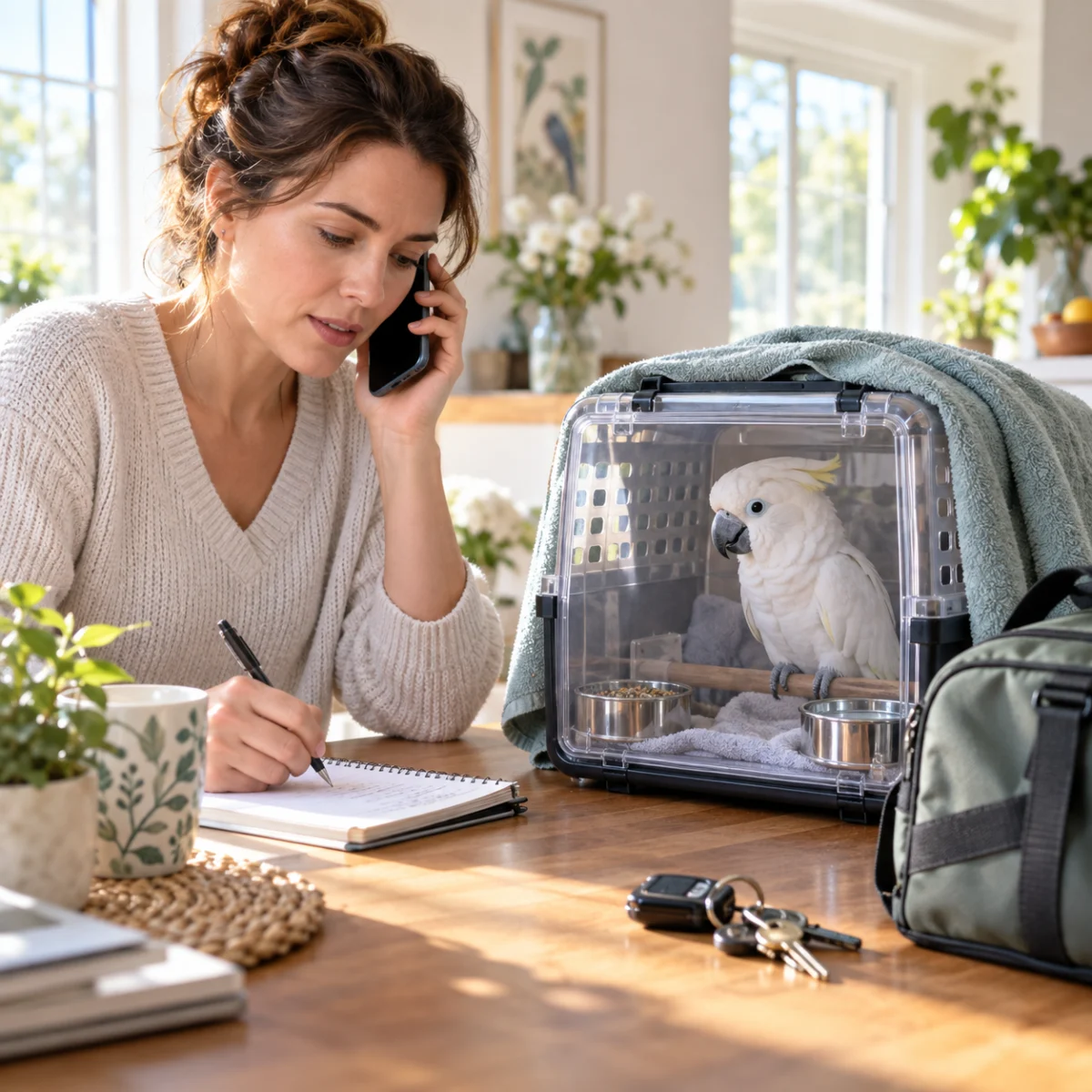
The health of companion birds presents a unique set of challenges for pet owners, primarily because avian medicine remains a highly specialized field. Unlike cats or dogs, which can be treated by the vast majority of general practice veterinarians, birds often require specialized knowledge in anatomy, physiology, and pharmacology. When an emergency arises—such as sudden respiratory distress, trauma, or suspected toxicosis—the absence of an avian-specific practitioner can lead to critical delays in care. Understanding how to navigate the veterinary landscape during off-hours or in underserved regions is essential for any bird owner.
The Landscape of Avian Veterinary Access
Data from the Association of Avian Veterinarians (AAV) suggests that while interest in avian medicine is growing, the density of clinics offering specialized care is unevenly distributed. Many urban centers host high-quality exotics practices, but rural and suburban areas often face a "veterinary desert" regarding specialized avian services. This geographic disparity creates a significant hurdle during acute medical events.
Veterinary emergencies in birds often manifest rapidly due to their high metabolic rates and specialized respiratory systems. Because birds are prey animals, they have evolved to mask symptoms of illness until they are significantly compromised. By the time an owner notices signs of distress—such as fluffed feathers, lethargy, or tail bobbing—the condition is frequently already advanced. This makes immediate access to professional stabilization not just a preference, but a necessity for survival.
Step-by-Step Protocol for After-Hours Care
When a bird requires urgent attention and the primary clinic is inaccessible, the search strategy must be systematic and efficient. The first point of contact should always be the regular avian veterinarian. Even if the office is closed, the answering service or automated voicemail system is the primary gateway to emergency protocols.
Many specialized clinics maintain formal partnerships with 24-hour emergency hospitals. If the office is closed, the recorded message often provides a dedicated contact number for an on-call veterinarian or a nearby emergency facility that has established a triage protocol for avian patients. If the clinic is open but unable to accept new patients, the most vital question to pose to the receptionist is: "Where do you refer your bird emergencies when you are at capacity?" This question leverages the existing professional network of the clinic, bypassing the need for manual, time-consuming searches.
Expanding the Search to Exotics and Teaching Hospitals
If the primary veterinarian cannot provide a referral, owners should widen their search to include "exotics" veterinarians. These practitioners focus on non-traditional pets, including reptiles, amphibians, and birds. While they may not specialize exclusively in avian medicine, they are typically trained to manage the stabilization of common bird species.
In larger regions, veterinary teaching hospitals attached to universities are the gold standard for emergencies. These facilities are often equipped with advanced diagnostics, such as specialized imaging and blood analysis equipment, and are staffed by specialists who can handle complex cases. When contacting these facilities, it is critical to use precise language. Instead of asking if they have an "avian vet," which may result in a binary "yes" or "no" based on current staffing, inquire if there is a clinician on duty who is comfortable with avian triage and stabilization.
Triage and Stabilization: A Holding Pattern
While arranging transport to a clinic, the primary objective is to minimize stress and prevent further physical decline. The concept of a "hospital cage" is a standard recommendation in avian medicine. This involves placing the bird in a secure, low-stimulus environment, such as a smaller travel cage, lined with paper towels to monitor droppings and minimize bacterial exposure.
Environmental temperature control is often the most critical component of home stabilization. Many birds in distress struggle to maintain their body temperature; providing a heat source, such as a heating pad placed on the outside of the cage or a heat lamp positioned at a safe distance, can help conserve the bird’s energy. However, this must be monitored strictly to prevent overheating. During this time, it is imperative that the bird remains in a quiet, dark, and warm area to reduce the metabolic tax of environmental stimuli.
Identifying Life-Threatening Emergencies
The line between a condition that can wait until the morning and one that requires an immediate emergency room visit is thin. Veterinary experts emphasize that the following symptoms constitute an immediate crisis:
- Respiratory Distress: Visible tail bobbing, open-mouth breathing, or audible wheezing.
- Acute Trauma: Significant bleeding, fractures, or wounds sustained from attacks by other animals.
- Neurological Impairment: Seizures, inability to maintain balance, or unresponsiveness.
- Toxicosis: Known or suspected ingestion of heavy metals, non-stick cookware fumes (PTFE/PFOA), or toxic household plants.
- Persistent Collapse: Inability to perch or stand for extended periods.
In these instances, time is the primary determinant of prognosis. If a local facility cannot handle these conditions, the owner should immediately request a transfer to a larger center, even if it requires travel.
Professional Resources and Preparedness
To mitigate the panic associated with an emergency, proactive preparation is vital. Experts recommend keeping a physical "Emergency Veterinary Checklist" with the bird’s medical records. This document should include the contact details of the regular avian veterinarian, the nearest emergency hospital that accepts birds, and the contact information for a nearby veterinary school or specialist.
Organizations like the AAV and the American Board of Veterinary Practitioners (ABVP) provide digital directories that allow owners to filter practitioners by specialty and board certification. While board certification indicates a high level of expertise, many general practitioners with an interest in avian medicine are highly capable of providing the initial stabilization necessary to save a bird’s life.
Broader Implications for Avian Healthcare
The current scarcity of after-hours avian care is a reflection of the broader challenges in the veterinary industry, including staffing shortages and the high costs of specialized equipment. The rise of telemedicine has provided some relief for initial consultations, but it remains a poor substitute for the hands-on diagnostics—such as radiographs, blood gas analysis, or fluid therapy—that are often required for avian emergencies.
As pet ownership trends shift toward more exotic species, the pressure on veterinary infrastructure is likely to increase. Industry analysts suggest that the future of avian emergency care lies in the development of regional "centers of excellence"—specialized hospitals equipped with avian-specific surgical suites and intensive care units. Until such infrastructure becomes more widespread, the burden of emergency readiness falls on the owner’s ability to build a comprehensive network of care providers.
Ultimately, the goal of avian emergency management is to bridge the gap between home and the operating table. By understanding the capabilities of local veterinary clinics, maintaining a readiness kit, and identifying the symptoms of an emergency early, owners significantly improve the likelihood of a positive outcome. The goal is not necessarily to find a specialist in the middle of the night, but to find a competent clinician capable of stabilizing the patient until definitive care can be provided. This strategic approach to veterinary access is a cornerstone of responsible avian stewardship in an era where specialized care is not always immediately available.

