


The practice of pet photography has evolved significantly over the last two decades, transitioning from simple snapshots to highly stylized, thematic portraiture that mirrors human professional photography. Central to this evolution within the niche community of fancy rat enthusiasts was the publication It’s a Rat’s World (IARW), a monthly magazine that operated from 2007 to 2020. Over its thirteen-year tenure, the magazine established a high standard for rodent-focused imagery, blending technical photography with intricate, hand-crafted set design. This retrospective examines the logistical challenges, artistic growth, and the broader cultural impact of documenting the lives of small companion animals through a professional editorial lens.
The Evolution of Pet Photography as Editorial Content
When Brandi Saxton launched It’s a Rat’s World, the objective was to provide a dedicated platform for rat owners, a demographic often overlooked by mainstream pet media. Photography was not merely a secondary component of the publication; it was the primary vehicle for reader engagement. Each issue required a high-quality cover image and a recurring segment known as "The PapRATzi," which highlighted reader-submitted photos.
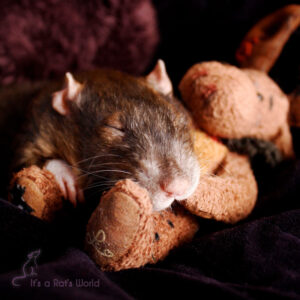
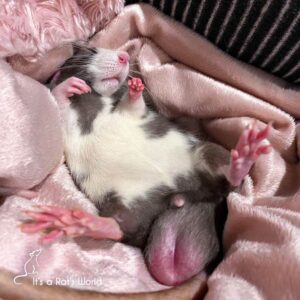
Data from the magazine’s archives suggests that consistent, themed photography helped normalize the ownership of fancy rats, moving the public perception away from historical stigmas toward an appreciation of their intelligence and social complexity. The logistical requirements of these shoots were substantial. Unlike domesticated dogs or cats, rats are highly active, nocturnal, and naturally inquisitive, making them difficult subjects for posed portraiture. Photographers in this space often report that successful images are usually captured during natural lulls in the animals’ activity, such as during grooming or sleep cycles, or through the use of elaborate, stimulating environments that capture their attention for brief intervals.
A Chronology of Creative Development
The aesthetic trajectory of IARW spans from 2007 to 2020, marked by a noticeable refinement in technical skill and thematic complexity.
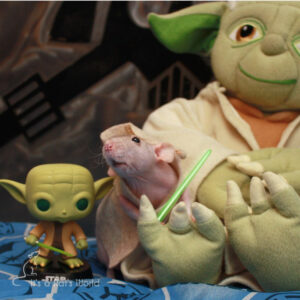
- 2007–2010: The Formative Years: Early photography focused on candid lifestyle shots. During this period, the emphasis was on accessibility, encouraging owners to document basic behaviors like eating, grooming, and social interaction.
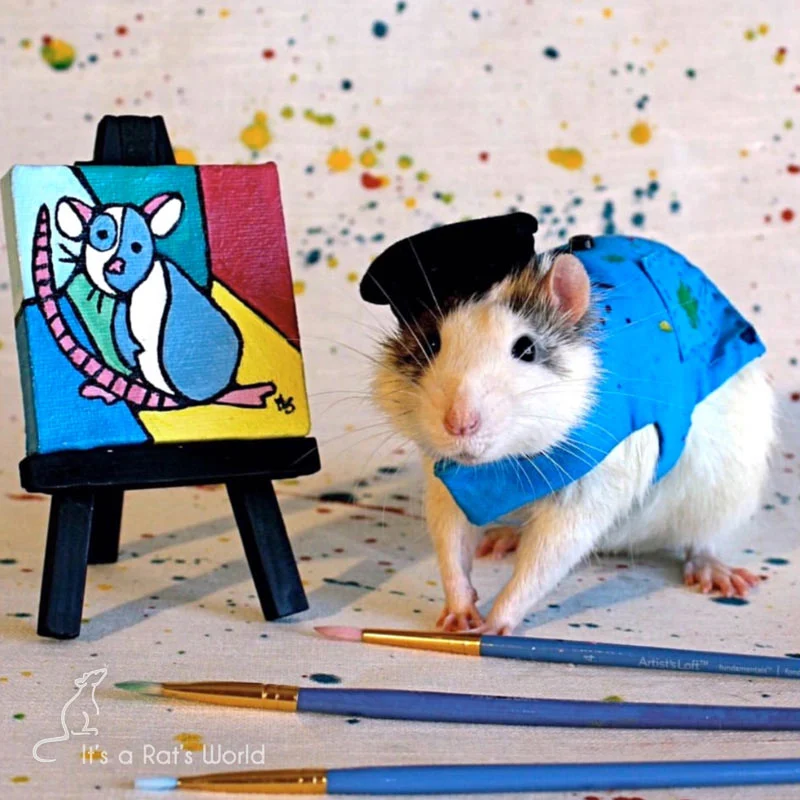
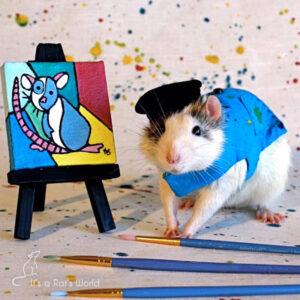
- 2011–2015: The Rise of Thematic Sets: The magazine began experimenting with studio-style setups. This period saw the introduction of complex, hand-sewn costumes and custom-built props. Notable examples include the use of miniature props—such as artist smocks, berets, and seasonal holiday backdrops—which required significant pre-production time.
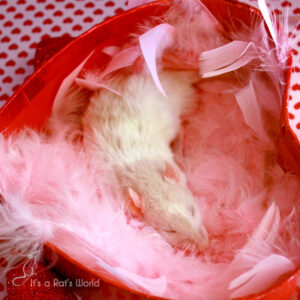
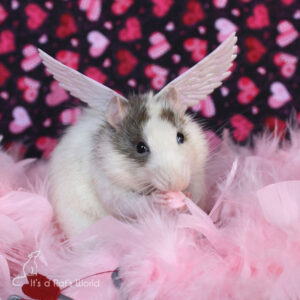
- 2016–2020: Technical Maturity: The final years of the publication featured more sophisticated lighting and color palettes. The transition from traditional red-and-green holiday motifs to softer, pastel-themed sets in 2018 and 2019 demonstrated an understanding of color theory and editorial aesthetics.
The Logistics of Small-Scale Studio Sets
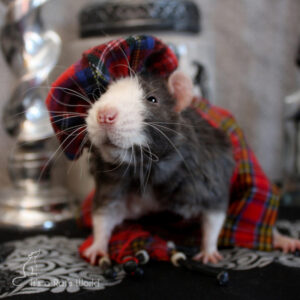
The production of an IARW cover was a multifaceted process involving sourcing, fabrication, and animal management. Many of the costumes featured on the covers were custom-tailored, as standard pet apparel is designed for larger animals. For instance, the creation of a "Scotsman" look for a rat involved sourcing authentic tartan fabric and hand-constructing miniature bagpipes, an exercise in both craftsmanship and patience.

From an animal welfare perspective, these shoots required strict adherence to the animals’ comfort levels. Experts in small-animal behavior note that the key to successful portraiture without causing stress is keeping sessions brief and ensuring the animal is free to move. Many of the most iconic images from the IARW archives, such as the "sleeping" series, were achieved by utilizing the rats’ natural tendency to nap in cozy, enclosed environments. By creating a "sugary, pastel wonderland" for the 2019 Christmas cover, the production team was able to provide an environment that encouraged natural, calm behavior, resulting in a higher percentage of usable images compared to earlier, more rigid setups.
Supporting Data and Digital Preservation
The volume of imagery generated during this thirteen-year period is vast. Archival estimates indicate that a single dedicated hobbyist or professional in this space may accumulate over 10,000 images annually. However, the preservation of this digital history faces significant challenges. Rapidly evolving file formats, the degradation of external storage media, and the obsolescence of older hardware have resulted in the loss of approximately 10% of pre-2016 assets in many private collections.
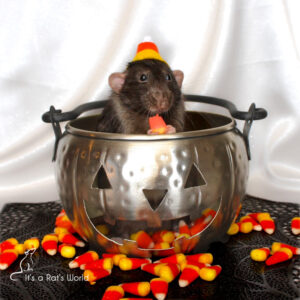
The digital footprint of these images has also extended into the tattoo industry and merchandising. For example, a 2014 photograph of a rat in a candy corn hat gained secondary fame when it was adapted into an illustration and subsequently used as a design for a large-scale tattoo. This illustrates the broader impact of specialized pet photography: it creates a visual iconography that resonates far beyond the immediate readership of the magazine.
Implications for the Pet Media Industry
The legacy of It’s a Rat’s World serves as a case study for the success of micro-niche publications in the digital age. By elevating the standard of pet photography, the magazine contributed to a shift in how owners perceive the individual personality of their rats. The "heart rat" phenomenon—the tendency of owners to form deep, individual bonds with specific rats—was effectively documented through the magazine’s long-term portrait series.
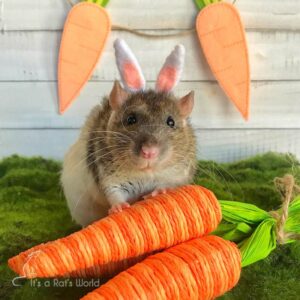
From a journalistic standpoint, the success of these photographs was not solely dependent on the technical equipment used, but on the narrative framing of the animal. By assigning roles to the subjects—such as the "artist," the "Scotsman," or the "holiday model"—the magazine humanized the subjects, making them relatable to a wider audience. This storytelling approach is now a standard practice in social media-driven pet marketing, where the personality of the animal is treated as an essential component of the brand identity.
Conclusion: The Lasting Impact
The conclusion of It’s a Rat’s World in July 2020 did not mark the end of the cultural movement it helped foster. Rather, it transitioned the community toward decentralized platforms, such as Instagram and independent blogs, where the photographic standards set by the magazine continue to influence current trends.

The primary lesson from this thirteen-year retrospective is the importance of archival consistency. Even "blurry" or imperfect photos hold historical value, representing a specific moment in the life of a companion animal. For the owners and readers who followed the magazine, these images are not merely archival assets; they are a visual record of a community’s growth. As digital photography continues to evolve, the challenge for future chroniclers of the pet world will be the long-term curation and preservation of these memories, ensuring that the work of photographers like those at IARW remains accessible to future generations of enthusiasts. The images remain a testament to the fact that with enough patience, creativity, and understanding of animal behavior, even the smallest creatures can command the professional stage.

