


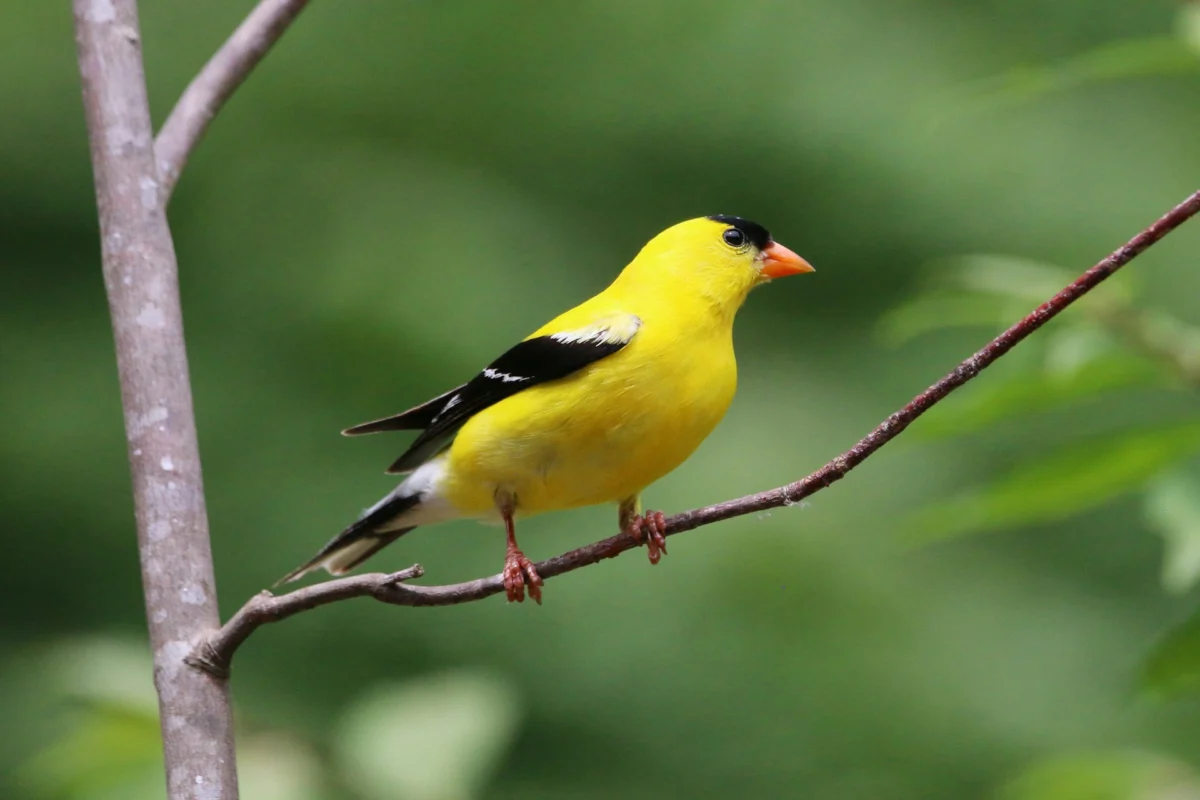
The American Goldfinch, scientifically known as Spinus tristis, is a staple of the North American avian landscape, celebrated for its striking plumage and melodious vocalizations. While these birds are often associated with the warmth of summer, their presence during the winter months remains a significant interest for ornithologists and backyard bird enthusiasts alike. As temperatures plummet, the survival of these small songbirds depends heavily on the availability of consistent food sources and accessible water. Creating a hospitable environment during the winter season requires a strategic approach to landscaping and supplemental feeding, ensuring these vibrant visitors remain a consistent part of the local ecosystem.
Understanding the Seasonal Biology of the American Goldfinch
The American Goldfinch undergoes a remarkable physiological transition as the seasons change. Unlike many other species that migrate strictly based on temperature, the goldfinch’s movement is primarily driven by food availability. In the Northeastern United States, these birds are considered permanent residents, remaining in the region throughout the winter. However, populations in more northern latitudes or areas with scarce resources may exhibit nomadic behavior, shifting south to secure stable nutrition.
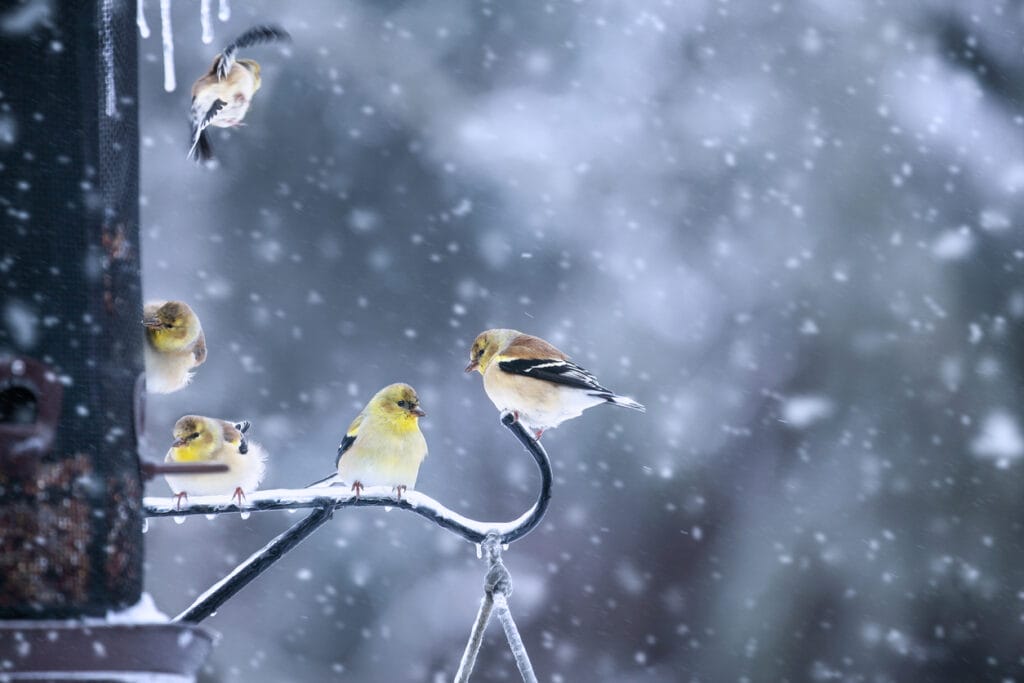
The most distinct change for the casual observer is the bird’s appearance. During the breeding season, males display a vivid, lemon-yellow plumage contrasted by jet-black caps and wing markings. By late autumn, they undergo a complete molt, transitioning into a muted, olive-brown color that provides essential camouflage against the harsh, monochromatic landscape of winter. This adaptation is not merely aesthetic; it is a survival mechanism that helps the birds evade predators when foliage is sparse and snow cover is prevalent.
Step 1: Optimizing Nutritional Intake During Winter
The metabolic demands on a small bird during the winter are intense. Maintaining body temperature requires a high-calorie diet, and for the goldfinch, this translates into a need for high-fat, energy-dense seeds. Research into avian diet indicates that the goldfinch’s digestive tract is specialized for processing small, oil-rich seeds, such as those from the sunflower and the Asteraceae family.

To effectively attract these birds, homeowners should prioritize black-oil sunflower seeds and Nyjer (thistle) seeds. Nyjer is particularly effective because of its high oil content, which serves as a vital fuel source for thermoregulation. Because these seeds are small, they are best served in specialized mesh feeders or "thistle socks." These devices mimic the natural feeding behavior of the goldfinch, which typically feeds on the seeds of thistle, dandelion, and ragweed while clinging to stalks. Furthermore, ensuring that seeds remain dry is critical. Damp seeds can rapidly develop fungal growth or freeze into a solid, inaccessible mass, rendering the feeder useless during a cold snap. Replacing food supplies every three to four weeks—or sooner if weather conditions have been wet—is a standard best practice to ensure freshness and safety.
Step 2: Selecting the Appropriate Feeder Infrastructure
The architecture of a bird feeder can determine which species visit a backyard. Larger birds, such as Blue Jays or European Starlings, can be aggressive and may dominate feeders, effectively excluding smaller species like the goldfinch. To mitigate this, birders are encouraged to utilize tube feeders with small, strategically placed perches. These feeders are specifically designed to accommodate the goldfinch’s unique anatomy, allowing them to cling and extract seeds while limiting access to larger birds that lack the necessary agility.
Beyond structural design, the placement of the feeder plays a role in the birds’ comfort. Positioning feeders in areas that offer quick access to cover, such as dense shrubs or evergreen trees, provides a vital "escape route" from predators like the Sharp-shinned Hawk. By minimizing the time spent in exposed areas, homeowners can reduce the stress levels of the visiting goldfinches, encouraging repeat visits.
Step 3: Cultivating a Supportive Habitat
For those looking to move beyond supplemental feeding, incorporating native vegetation into the landscape is the most sustainable way to attract goldfinches. Plants such as purple coneflowers (Echinacea), black-eyed Susans (Rudbeckia), and various species of asters provide a natural, late-season harvest. Leaving the dried seed heads of these plants standing throughout the winter serves two purposes: it provides a natural food buffet and creates a structure that collects snow, providing a micro-environment for the birds to forage.
However, caution must be exercised regarding invasive or problematic species. While some plants provide food, others can be detrimental. For instance, common burdock, while attractive to some insects, produces burs that can tangle in the feathers of small birds, potentially leading to entrapment or death. A curated, native-focused garden that prioritizes seed-bearing perennials is the gold standard for long-term avian support.

Step 4: Establishing Security and Predator Management
The presence of domestic cats and raptors represents a significant threat to backyard songbirds. To create a true "safe haven," the yard must be evaluated from the bird’s perspective. This includes the elimination of low-lying brush where predators might lie in wait and the installation of feeders at a height that is inaccessible to climbing predators.
Furthermore, social dynamics among bird species must be considered. While goldfinches will happily share space with fellow small songbirds like the Black-capped Chickadee or the Chipping Sparrow, the presence of more dominant, territorial species can cause the goldfinches to abandon a site. Providing multiple feeding stations spread throughout the yard can reduce competition and allow different species to coexist without excessive friction.
Step 5: The Necessity of Hydration in Sub-Zero Temperatures
A common misconception is that birds can satisfy their hydration needs by consuming snow. In reality, the caloric cost of melting snow within the body is prohibitive and can lead to rapid heat loss. Access to liquid water is essential for both hydration and the maintenance of plumage. When a bird’s feathers are clean and properly groomed, they provide superior insulation. A dirty or matted coat loses its ability to trap air, leaving the bird vulnerable to hypothermia.
Installing a heated birdbath or an immersion heater in an existing basin is an effective way to keep water accessible during sub-zero temperatures. This simple addition can drastically increase the frequency of visits, as water is often a scarcer resource than food during the peak of winter.
Scientific Context and Environmental Implications
The American Goldfinch has a lifespan typically ranging from three to six years in the wild. Throughout their lives, they serve as critical ecological actors, acting as both pollinators for wildflowers and seed dispersers for various plant species. As urban expansion continues to encroach on natural habitats, the role of private backyards as "stepping-stone" habitats becomes increasingly important.
The decline of natural meadowlands has placed more pressure on suburban landscapes to provide the resources necessary for these birds to survive the winter. According to data from the Cornell Lab of Ornithology, population trends for the American Goldfinch have remained relatively stable, but their local distribution is highly sensitive to the availability of habitat. By maintaining feeders and native plantings, homeowners contribute to a larger, decentralized network of refuge that supports regional biodiversity.
Frequently Asked Questions
How does the goldfinch song evolve during the winter?
Goldfinches are highly vocal throughout the year. Their signature flight call—often described as a rhythmic, robotic "per-chic-o-ree"—is frequently heard as they move in flocks. During the winter, their songs become more sporadic, often serving as a social cue to keep the flock together while foraging.
Are goldfinches the same as "yellow finches"?
There is no officially recognized species known as the "yellow finch" in North America. Confusion often arises between the American Goldfinch and the Yellow Warbler. The latter is entirely yellow with reddish breast streaks and is a summer migrant that does not remain in northern climates during the winter.
How do I distinguish between males and females in the winter?
During the winter, sex identification becomes challenging. Both males and females lose their distinct breeding plumage, adopting a dull, brown-gray appearance. Only close observation of the wings—which retain subtle black and white markings—and subtle behavioral cues can assist in identification during the non-breeding season.
Conclusion
Attracting the American Goldfinch in winter is an exercise in both patience and environmental stewardship. By providing a consistent source of high-energy seeds, ensuring access to liquid water, and fostering a secure, natural habitat, individuals can provide these songbirds with the support they need to survive the most challenging months of the year. Beyond the immediate benefit to the birds, this practice offers an opportunity for closer observation and a deeper understanding of the seasonal rhythms that govern the lives of these resilient, vibrant creatures. As the winter deepens, the sight of a flock of goldfinches descending upon a feeder serves as a poignant reminder of nature’s persistence, even in the coldest of climates.

