


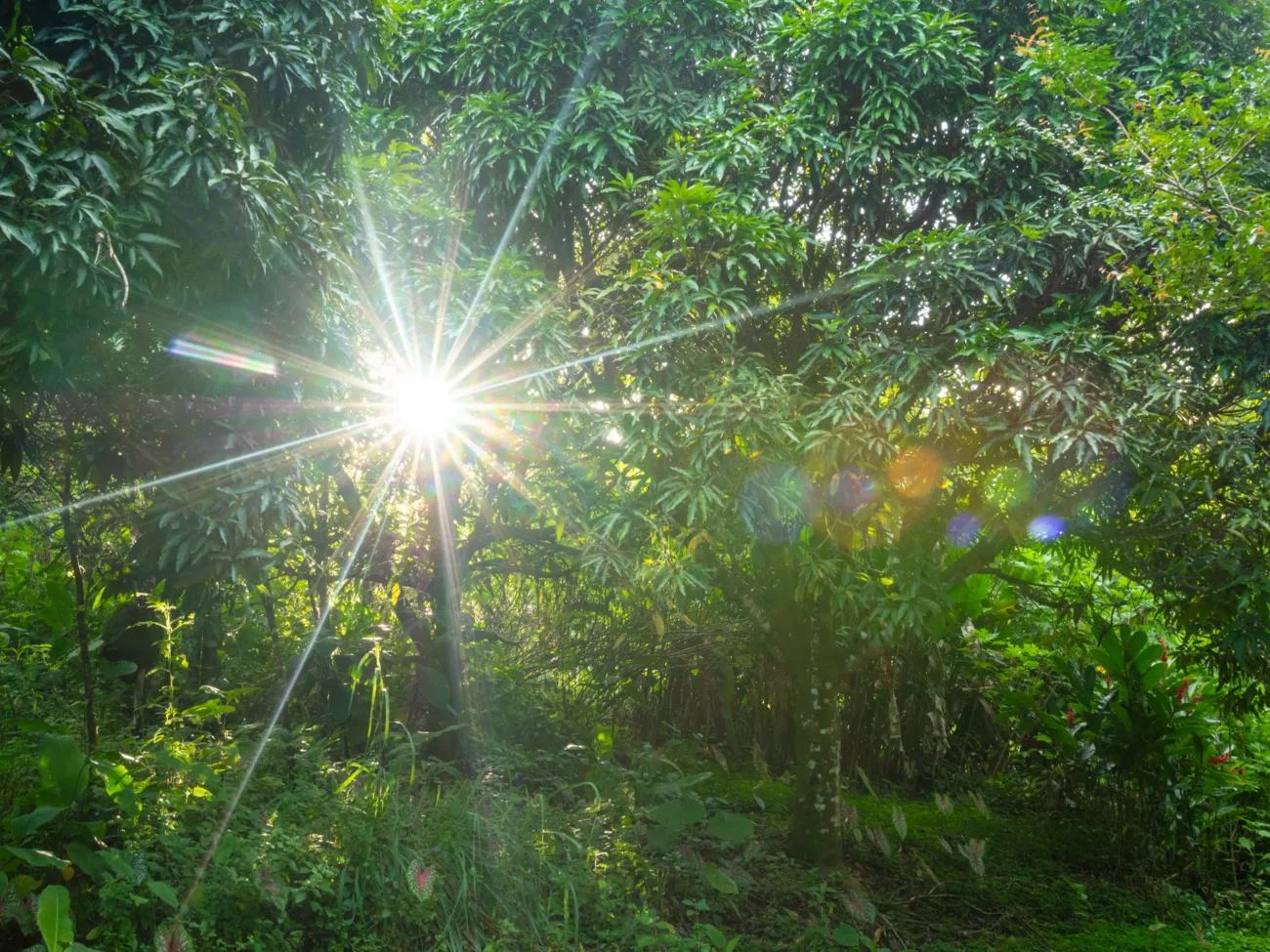
For decades, the Atlantic Forest, a globally recognized biodiversity hotspot, has been subjected to relentless deforestation, driven by expansive cattle ranching, the relentless spread of sugarcane monocultures, and widespread land-use changes. Today, a stark reality confronts this vital biome: more than 80% of its original expanse has vanished. What remains are isolated forest fragments, poignant reminders of what once was, yet these remnants continue to harbor an extraordinary wealth of biodiversity, including hundreds of bird species found nowhere else on Earth. However, the narrative of the Atlantic Forest is far from solely a chronicle of loss. It is also a powerful testament to resilience and the enduring spirit of persistence.
A Legacy of Loss, A Future of Hope
The historical trajectory of the Atlantic Forest is undeniably marked by significant ecological decline. Originating along Brazil’s southeastern coast and extending into Paraguay and Argentina, this biome was once a sprawling emerald tapestry. Its rich soils and humid climate proved highly attractive for agricultural expansion. The 16th century, with the arrival of European colonizers, marked the beginning of intensive logging for brazilwood, a valuable timber, and later, the establishment of vast sugarcane plantations. This early exploitation set a precedent that continued for centuries, exacerbated by the growth of cattle ranching in the 19th and 20th centuries, which often led to further clearing of forestland for pasture.

The impact of these historical land-use practices is profound. Studies indicate that the Atlantic Forest has suffered one of the highest rates of habitat fragmentation globally. This fragmentation isolates populations of species, making them more vulnerable to local extinction due to reduced gene flow, increased susceptibility to disease, and limited access to resources. The consequence is a dramatic decline in species richness and abundance, with many endemic species teetering on the brink of disappearance. The intricate web of life that characterized this ecosystem has been severely frayed, leaving a mosaic of fragmented habitats where ecological processes are often disrupted.
A Collaborative Effort to Champion Conservation
Amidst this challenging landscape, a beacon of hope emerged recently in northeastern Brazil. BirdLife International, in conjunction with its esteemed partners Aves Argentinas, Guyra Paraguay, and SAVE Brasil, convened a critical regional workshop. This gathering was not merely a forum for discussion; it was a strategic convergence aimed at accelerating the implementation of the Atlantic Forest Action Plan. The plan is built upon three interconnected and vital priorities: protection, restoration, and the promotion of sustainable land use practices.
The workshop, held in a region deeply affected by the historical deforestation, provided a crucial platform for knowledge exchange, strategic planning, and the strengthening of collaborative networks. Representatives from these leading conservation organizations, alongside local stakeholders, engaged in in-depth discussions to identify key challenges and devise innovative solutions tailored to the specific ecological and socio-economic contexts of the Atlantic Forest. The focus on these three pillars – protection, restoration, and sustainable land use – reflects a holistic approach to conservation, recognizing that long-term ecological health is inextricably linked to human well-being and economic viability.

Grounding Conservation in the Territory: Stories of Persistence
Beyond the confines of meeting rooms and technical deliberations, the true essence of the workshop was experienced firsthand, deeply embedded within the very territories that are the focus of these conservation efforts. The team embarked on immersive field visits across forest fragments in the states of Alagoas and Pernambuco. These excursions provided invaluable insights into the tangible work being done on the ground by individuals and communities dedicated to sustaining conservation initiatives.
One particularly inspiring encounter was with João Evangelista, a local producer whose family has transformed their land into a living testament to the power of agroforestry. His work is a direct continuation of his father’s legacy, demonstrating a profound commitment to ecological stewardship. In a region historically dominated by extensive cattle ranching and large-scale sugarcane cultivation, João’s approach offers a compelling alternative – a paradigm where agricultural production and ecological conservation are not mutually exclusive but rather synergistic forces.
On João’s land, banana trees flourish alongside native vegetation, creating a vibrant understory that mimics the natural forest structure. The cultivation of cacao and coffee further diversifies the land, providing economic benefits while simultaneously contributing to the ecological health of the landscape. This integrated system allows the forest to gradually reclaim spaces that were once cleared for monoculture or pasture. João’s perspective highlights the multifaceted benefits of such practices. For him, the act of restoring degraded land is intrinsically linked to protecting vital water sources, enhancing crop resilience and yield through natural pest control mechanisms, and crucially, creating opportunities for younger generations to remain connected to their rural heritage and livelihoods. This model of integrated farming not only supports biodiversity but also fosters economic sustainability and social cohesion.

"Where there are trees, there are birds," João explained during the visit, his words resonating with the wisdom of generations who have lived in harmony with the forest. "And where there are birds, the land becomes healthier." This simple yet profound observation underscores the interconnectedness of ecological systems and the vital role that biodiversity plays in maintaining the vitality of the landscape. The presence of birds, he noted, often indicates a healthy ecosystem, capable of supporting a wide range of ecological functions, from pollination and seed dispersal to natural pest control.
People Powering Forest Survival: The Pedra D’Antas Reserve
The conservation journey continued with a visit to the Reserva Particular do Patrimônio Natural (RPPN) Pedra D’Antas, a private nature reserve safeguarded by SAVE Brasil for over two decades. Nestled within the dwindling forest fragments, this sanctuary serves as a crucial refuge for an astonishing array of wildlife. The reserve is home to more than 250 bird species, including 14 that are globally threatened, alongside a rich diversity of mammals, amphibians, and unique endemic plant life. These species continue to resist the pressures of fragmentation and habitat loss that have plagued the wider region for decades.
At Pedra D’Antas, the team engaged with the custodians of this vital ecosystem: local guides, dedicated park rangers, diligent researchers, and members of the surrounding communities. Their collective experiences revealed a profound truth: conservation in this region has become intrinsically woven into the fabric of daily life. It is inseparable from the development of sustainable livelihoods, the growth of eco-tourism, the ongoing efforts in habitat restoration, and the long-term stewardship of the territory.

The RPPN Pedra D’Antas exemplifies a model where conservation is not an abstract concept but a daily, hands-on endeavor. The individuals involved possess an intimate understanding of these forests, cultivated through years of observation, dedication, and a deep-seated commitment to their protection. They continue to safeguard these precious fragments of biodiversity, even as the pressures on the surrounding landscape intensify. Their work is a testament to the power of local knowledge and community engagement in achieving conservation goals.
The Broader Impact: Partnerships and the Decision to Resist
The Atlantic Forest, though existing today in a fragmented state, is not a collection of disconnected patches. These fragments remain deeply interconnected through a robust network of people, forging vital partnerships and engaging in collective action that transcends geographical boundaries. The shared vision and collaborative spirit demonstrated by BirdLife International and its partners, alongside local communities and producers like João Evangelista, are crucial for the biome’s survival.
This resilience is not merely about preserving biodiversity; it is about a fundamental "decision to resist." It is a conscious choice by individuals and organizations to actively counter the forces of destruction and degradation. This resistance manifests in various forms: the establishment and management of protected areas, the implementation of sustainable land-use practices, the restoration of degraded habitats, and the advocacy for stronger environmental policies.

The implications of this ongoing struggle are far-reaching. The Atlantic Forest plays a critical role in regulating regional climate, protecting watersheds that supply water to major urban centers, and supporting economies through ecotourism and sustainable resource management. The continued degradation of this biome poses significant risks to these essential ecosystem services, impacting human populations and economies alike.
Conversely, the success of conservation efforts, even in fragmented landscapes, offers valuable lessons and models for other ecosystems facing similar challenges. The innovative approaches to agroforestry, the dedication of private reserve managers, and the empowerment of local communities demonstrate that a harmonious coexistence between human development and ecological preservation is not only possible but essential for a sustainable future. The story of the Atlantic Forest is, therefore, a narrative of loss, yes, but more importantly, it is a powerful saga of human ingenuity, unwavering dedication, and the enduring hope that persists in the face of adversity. The ongoing efforts represent a crucial stand against the tide of environmental degradation, a testament to the belief that even fragmented landscapes can be nurtured back to health through persistent, collaborative action.

