


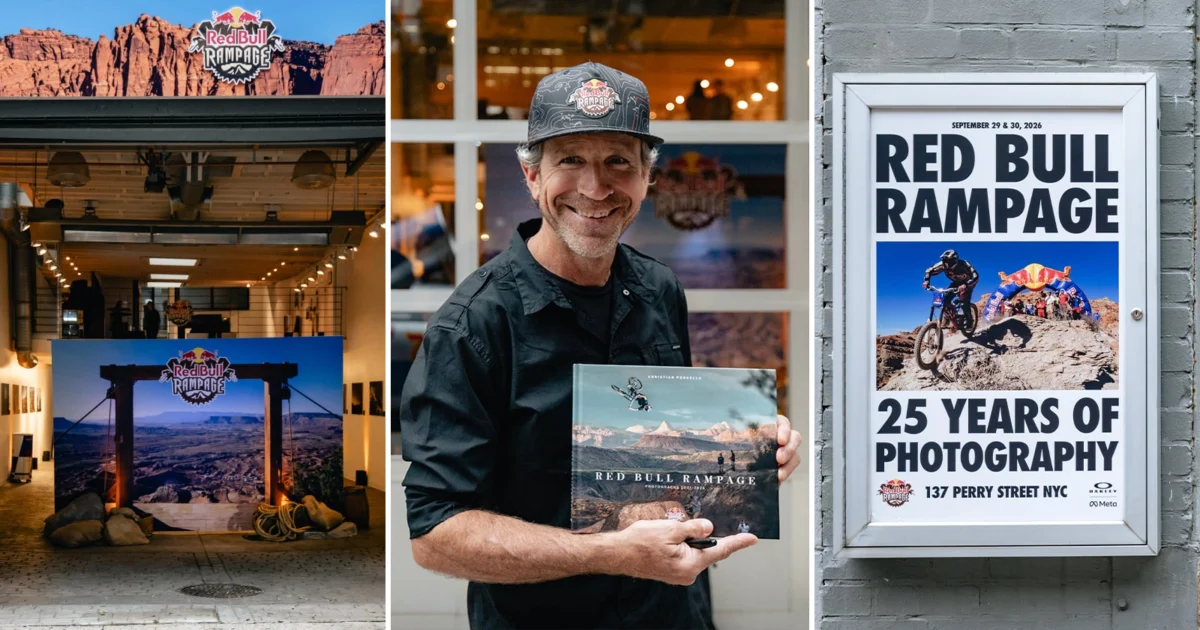
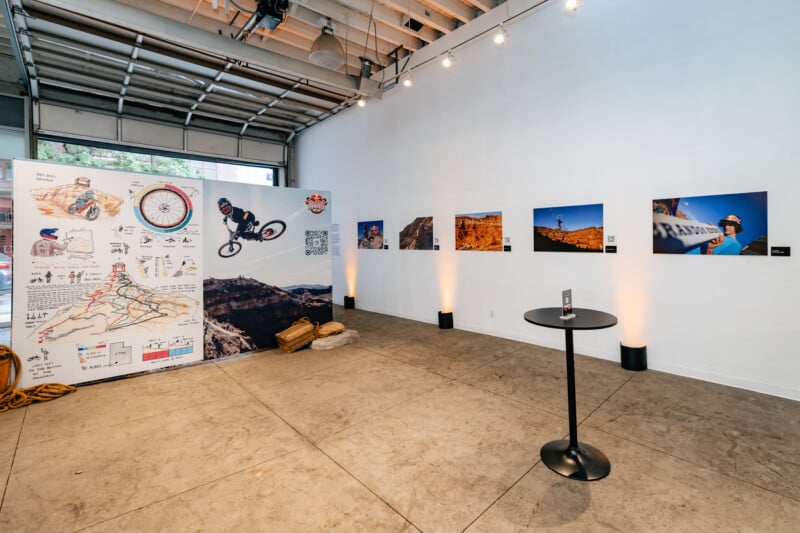
For a quarter-century, Red Bull Rampage has defined the absolute pinnacle of freeride mountain biking, pushing athletes to the precipice of physical possibility amidst the unforgiving, vertical sandstone cathedrals of southwest Utah. While global audiences focus on the riders defying gravity, a parallel narrative has been unfolding in the shadows of the cliffs: the Herculean efforts of the photographers tasked with documenting these feats. To celebrate its 25th anniversary, a special exhibition in New York City has pulled back the curtain, shifting the spotlight from the riders to the visual storytellers who risk their own safety to capture the definitive images of the sport.
The Genesis and Evolution of an Extreme Sport
The inaugural Red Bull Rampage took place in 2001, born from the raw, untamed spirit of early 2000s mountain biking. At that time, the event was a guerrilla-style competition that tested the limits of both the riders and the nascent field of adventure sports photography. Unlike controlled stadium events, Rampage was an organic, chaotic, and dangerous experiment in terrain management.
Over the last 25 years, the event has undergone a massive transformation. What began as a loosely organized gathering has evolved into a high-production, broadcast-ready spectacle. This evolution is mirrored in the photography archives. In the early 2000s, the gear was heavy, manual, and limited by the constraints of film or early-generation digital sensors. Today, photographers utilize high-frame-rate mirrorless systems, stabilized drone cinematography, and sophisticated wireless lighting rigs. Despite these technological leaps, the fundamental challenge remains: the terrain in Virgin, Utah, is fundamentally hostile to both human physiology and sensitive electronic equipment.
The Photographer’s Burden: A Specialized Craft
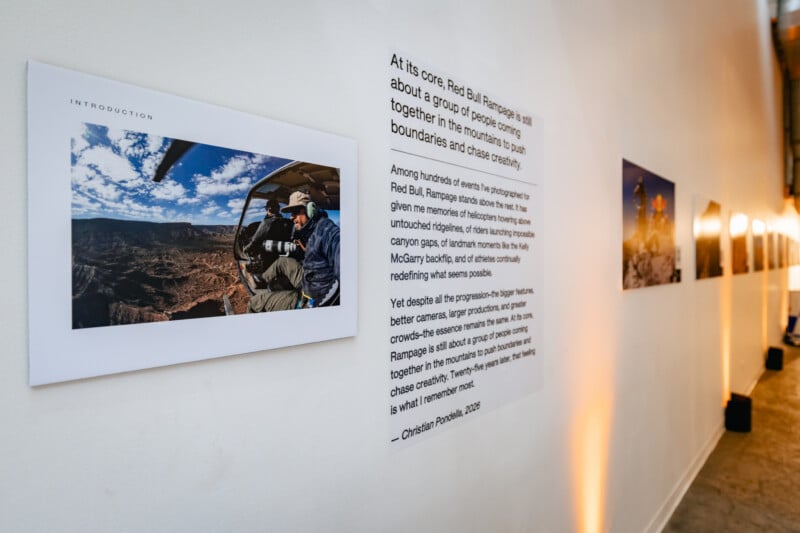
To capture a single frame of a rider descending a 60-degree chute, a photographer must often undergo a grueling ascent of their own. Christian Pondella, who has been documenting the event since its inception in 2001, is a central figure in the NYC retrospective. His career highlights the necessary crossover skills required for this niche: a professional Rampage photographer must be part mountaineer, part athlete, and part technician.
Pondella’s archive—a staggering collection of over 50,000 images—provides a chronological roadmap of the sport’s progression. His work reflects the transition from simple, side-profile shots of riders on basic dirt tracks to the high-stakes, multi-camera sequences that define modern freeride coverage. The exhibition showcases not only the final, polished images but also the context of the photographer’s position, illustrating that for every breathtaking shot, there is a photographer clinging to a cliffside with tens of thousands of dollars in gear strapped to their back, often in extreme heat and treacherous wind conditions.
Data and Logistics: The Scale of the Operation
The logistical scale of Red Bull Rampage is often underappreciated. According to recent production reports, the event requires the transport of tons of specialized equipment to remote, high-altitude locations. For the photography team, this involves:
- Site Surveying: Photographers spend days prior to the event hiking the "lines" with riders to understand the trajectory of potential jumps.
- Equipment Resilience: The desert environment is characterized by fine, abrasive dust and extreme temperature swings. Cameras must be weather-sealed to an industrial standard to prevent failure during critical moments.
- Multi-Angle Coordination: To ensure comprehensive coverage, the media team coordinates a "web" of photographers positioned at key technical features, ensuring that the audience at home experiences the event from multiple, synchronized perspectives.
The 25-year history of the event has seen the introduction of advanced safety protocols. Photographers now operate under strict guidelines to ensure they do not interfere with the "line" of the rider, a delicate balance between getting the shot and maintaining the structural integrity of the trail features.
The Human Element: Community and Collaboration
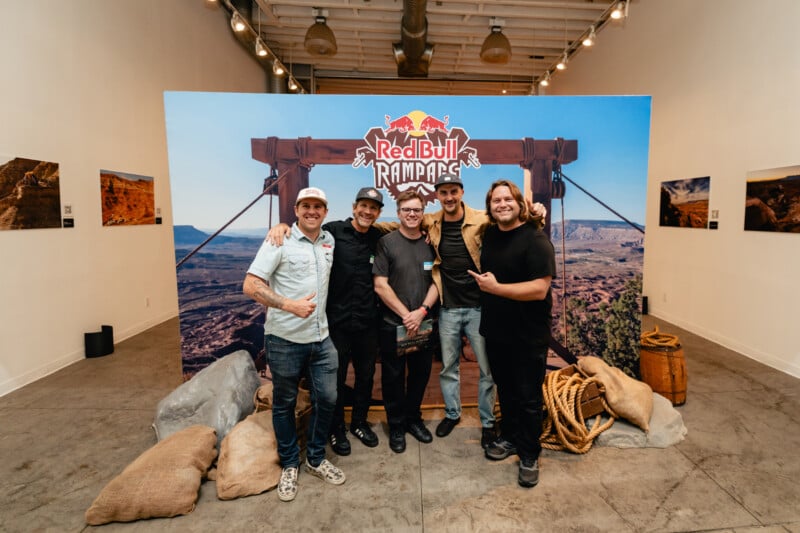
While the spectacle is driven by high-speed descents and massive backflips, the consensus among the veterans of the event—including photographers like Paris Gore and long-time contributors like Faith Nguyen—is that the culture of Rampage is built on deep-seated trust.
"It’s a family," notes Pondella, echoing the sentiment of the entire production crew. This sentiment is not merely anecdotal; it is a structural necessity. A rider’s mental state before dropping into a 50-foot gap is fragile; knowing that a photographer is positioned safely and accurately allows the athlete to focus entirely on the execution of their trick. Conversely, the photographer relies on the rider to stay within the predicted flight path. This symbiotic relationship forms the bedrock of the event’s success. The NYC exhibition highlights this camaraderie, featuring candid shots of the crew, the behind-the-scenes preparation, and the quiet moments of mutual support that define the event’s culture.
Broader Impact and Industry Implications
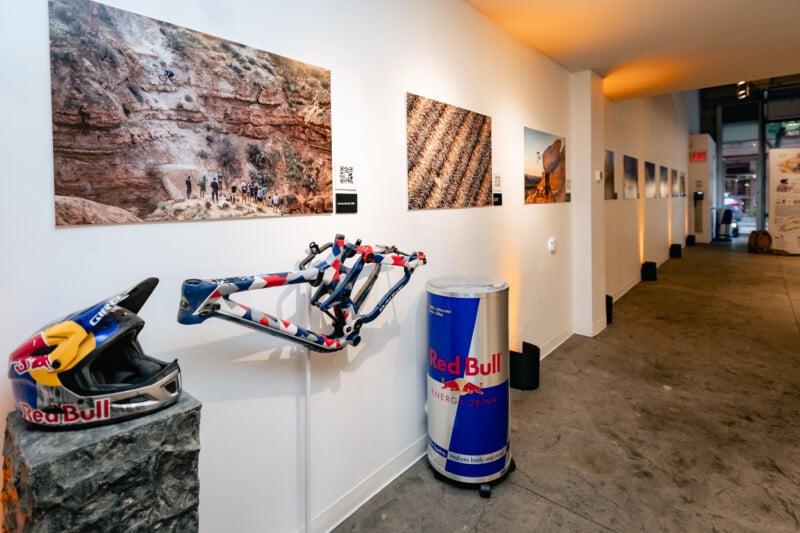
The 25th-anniversary retrospective serves a dual purpose. It is a celebration of the sport’s history, but it also functions as a case study in the evolution of extreme sports media. The influence of Rampage-style photography can be seen across the digital landscape, from the rise of GoPro-sponsored content to the professionalization of adventure cinematography in mainstream cinema.
The industry has moved toward a model where the photographer is no longer a passive observer but an active, integrated component of the athlete’s performance. By documenting the "unseen" labor, the exhibition invites the viewer to appreciate the art of "anticipatory photography." This involves reading the rider’s body language, predicting the landing, and framing the vastness of the Utah landscape to ensure the viewer understands the true scale of the risk involved.
Looking Ahead: The 2026 Competition
As the event enters its next quarter-century, the 2026 edition stands as a testament to its longevity. The return to a two-day format—with the women’s competition on Thursday, October 8, and the men’s on Saturday, October 10—reflects the growth and diversification of the sport.
The inclusion of the women’s field has been one of the most significant developments in the recent history of the event, bringing new technical standards and a fresh perspective to the terrain. The 2026 broadcast, accessible via Red Bull TV and the Red Bull Bike YouTube channel, aims to bridge the gap between the physical event in Utah and the global audience.
The Legacy of the Lens
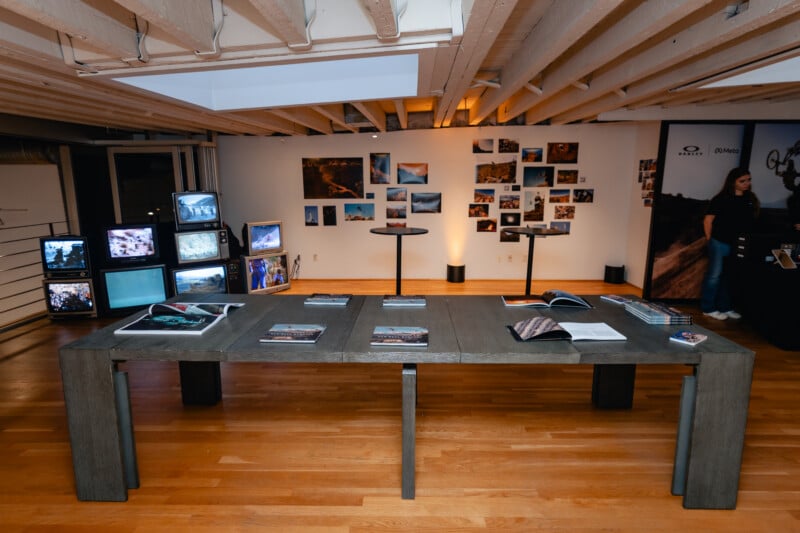
Ultimately, the Red Bull Rampage 25th Anniversary Photo Gallery is a tribute to the power of the still image in an age of infinite video. While video provides the "what" and the "how" of the rider’s performance, the still photograph captures the "why." It freezes the moment of peak tension, allowing the viewer to linger on the details: the dust kicking off the tires, the intensity in the rider’s eyes, and the sheer, overwhelming scale of the cliff faces.
For the photographers who have dedicated years to this project, the goal is simple: to make the impossible feel tangible. As we look back on 25 years, the images displayed in New York serve as a historical record of human potential, preserved by those who chose to stand in the line of fire to share the story. Whether through the lens of a veteran like Pondella or the fresh perspective of emerging talent, these images remain the definitive account of one of the world’s most challenging athletic endeavors. They remind us that the story of Red Bull Rampage is not just one of speed and air, but of the collaborative, often dangerous, and deeply human pursuit of capturing history in the making.

