


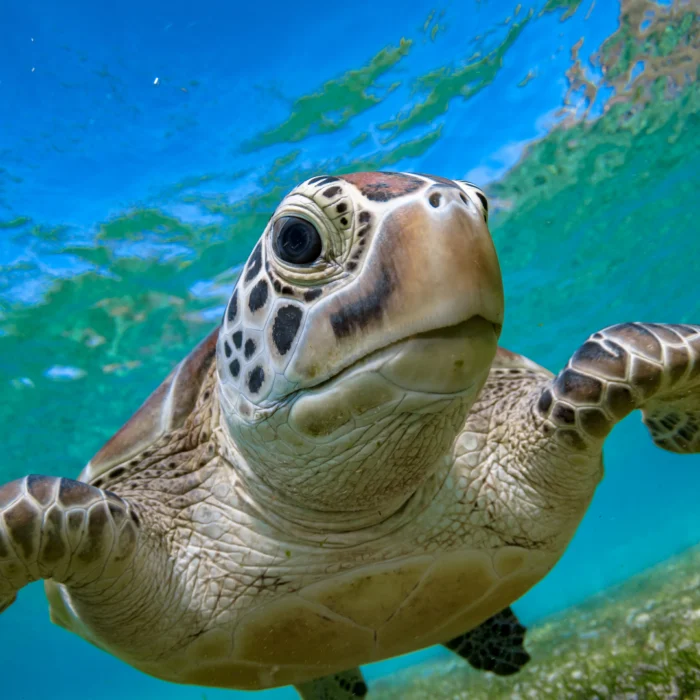
Sea turtle rehabilitation represents one of the most complex frontiers in modern veterinary medicine, requiring a delicate balance between specialized clinical intervention and strict regulatory compliance. On July 29, 2026, Dr. Heather Barron, a distinguished veterinarian board-certified in avian practice and aquatic animal medicine, will lead a live, interactive webinar co-hosted by the Wildlife Disease Association. This session, which has been granted RACE (Registry of Approved Continuing Education) approval for one credit hour, aims to provide veterinary professionals with a comprehensive framework for addressing the physiological and anatomical challenges inherent in treating members of the families Cheloniidae and Dermochelyidae.
The Regulatory and Conservation Framework
The conservation status of sea turtles remains a matter of global concern, with seven extant species currently categorized as threatened or endangered under various international frameworks, including the U.S. Endangered Species Act and the IUCN Red List. Because these animals are highly migratory and protected, any clinical intervention is governed by a rigorous landscape of state and federal permitting. Veterinary practitioners cannot simply treat a stranded sea turtle without authorization from agencies such as the National Oceanic and Atmospheric Administration (NOAA) or the U.S. Fish and Wildlife Service.
Dr. Barron’s presentation emphasizes that the regulatory burden is not merely bureaucratic but is a vital component of population management. Proper documentation and reporting of rehabilitated animals provide researchers with essential data regarding mortality trends, disease prevalence, and environmental hazards. As anthropogenic stressors—including plastic ingestion, vessel strikes, and habitat degradation—continue to rise, the role of the veterinarian has shifted from a peripheral observer to a primary stakeholder in the recovery of these keystone species.
Anatomical and Physiological Considerations
Effective rehabilitation necessitates an intimate understanding of chelonian anatomy, which differs significantly from terrestrial mammals. The rigid carapace and plastron present unique challenges for physical examination, diagnostic imaging, and intravenous access. Dr. Barron’s clinical approach centers on minimizing patient stress, a critical factor for ectothermic animals whose immune systems can be severely compromised by the cortisol spikes associated with handling and confinement.
Clinical diagnostics often involve a multi-modal approach. Physical examinations are prioritized to assess body condition scores and search for external lesions, such as fibropapillomatosis, a common and debilitating viral disease characterized by external tumors. Imaging techniques, including radiography and ultrasonography, are essential for identifying internal injuries, such as shell fractures or gastrointestinal impactions caused by marine debris. Furthermore, laboratory testing must be interpreted through the lens of reptilian physiology; for instance, hematological parameters can fluctuate significantly based on water temperature and the metabolic state of the individual turtle.
The Evolution of Critical and Supportive Care
The therapeutic phase of rehabilitation is perhaps the most demanding aspect of clinical practice. Many sea turtles arrive at medical facilities suffering from systemic shock, dehydration, or malnutrition. Fluid therapy, when administered correctly, is a cornerstone of resuscitation, yet it requires precise calculation of volumes and flow rates tailored to the animal’s specific metabolic rate.
Nutritional support is equally nuanced. Veterinarians must design specialized diets that account for the species-specific requirements of the patient, whether it is an herbivorous green sea turtle or a crustacean-eating loggerhead. Addressing complications such as hypoglycemia or electrolyte imbalances requires constant monitoring and adjustments to the care plan. Dr. Barron’s methodology advocates for evidence-based nutritional protocols that promote rapid physiological recovery, thereby shortening the duration of captivity and improving the success rate of post-release survival.
Diagnostic Challenges: From Arrhythmia to Trauma
The clinical spectrum of stranded sea turtles is vast. Trauma cases, often resulting from boat strikes or entanglement in fishing gear, present immediate surgical and stabilization needs. However, internal pathologies are equally prevalent. Cardiomyopathy and cardiac arrhythmias are frequently observed in geriatric or chronically ill individuals, necessitating the use of specialized monitoring equipment.
Furthermore, endocrine-related issues, such as insulinoma or glucose regulation disorders, present unique diagnostic puzzles. The webinar will delve into these sophisticated diagnostic techniques, offering a masterclass in how to apply advanced medicine to a patient that cannot communicate its discomfort. The focus remains on supportive care—pain management through analgesia and anesthesia—which must be managed carefully to ensure the animal remains stable throughout invasive procedures.
Broader Implications for Marine Ecosystems
The rehabilitation of a single sea turtle is rarely an isolated event; it is a sentinel event for the health of the broader marine environment. By analyzing the causes of morbidity in rehabilitated turtles, veterinary teams can identify regional threats. For example, a spike in fibropapilloma cases may indicate poor water quality in local estuaries, while an increase in trauma cases can serve as an impetus for local policymakers to enforce "no-wake" zones for vessel traffic.
The integration of clinical medicine with environmental science is the defining characteristic of modern conservation medicine. Veterinarians involved in these programs are increasingly becoming public ambassadors, translating medical data into policy advocacy. The forthcoming webinar serves as a critical educational tool for practitioners looking to bridge the gap between individual patient care and species-level conservation.
Chronology of Rehabilitation Efforts
Historically, sea turtle rehabilitation was largely observational and rudimentary. Over the past three decades, however, the field has undergone a professionalization that mirrors the advancements in companion animal and zoo medicine. The establishment of specialized rehabilitation centers, equipped with sophisticated filtration systems, temperature-controlled tanks, and dedicated veterinary staff, has drastically improved survival outcomes.
The current trend emphasizes "One Health," a collaborative, multisectoral, and transdisciplinary approach that recognizes the interconnection between people, animals, plants, and their shared environment. By standardizing treatment protocols, as Dr. Barron intends to do through her curriculum, the veterinary community can ensure that every stranded turtle receives a consistent, high standard of care regardless of where it is found.
Expert Analysis of Future Needs
Looking toward the future, the primary challenge for the veterinary community is the scaling of rehabilitation efforts to meet the rising demand caused by environmental change. Climate change, which alters nesting beach temperatures and ocean currents, is expected to increase the frequency of strandings. This creates an urgent need for more trained professionals and better-funded facilities.
The reliance on continued education, such as the webinar offered by LafeberVet and the Wildlife Disease Association, is paramount. As diagnostic tools evolve—such as the increased use of molecular diagnostics for viral identification or portable point-of-care testing—veterinarians must commit to lifelong learning. The shift from reactive treatment to proactive, evidence-based rehabilitation is essential for the long-term viability of sea turtle populations.
Conclusion and Call to Action
The upcoming presentation by Dr. Heather Barron is more than a professional development opportunity; it is a vital step toward safeguarding the biodiversity of our oceans. By synthesizing complex anatomical, diagnostic, and regulatory information, the webinar provides a roadmap for veterinarians to navigate the ethical and clinical complexities of sea turtle care.
For practitioners and researchers alike, the message is clear: the health of the ocean is reflected in the health of its most vulnerable inhabitants. Through the application of rigorous medical standards and a dedication to conservation, the veterinary profession plays an indispensable role in ensuring that these ancient mariners continue to navigate the world’s oceans for generations to come. Prospective participants are encouraged to register through the official portal, ensuring they are prepared to meet the evolving demands of marine wildlife medicine in an era of unprecedented environmental transition.

