


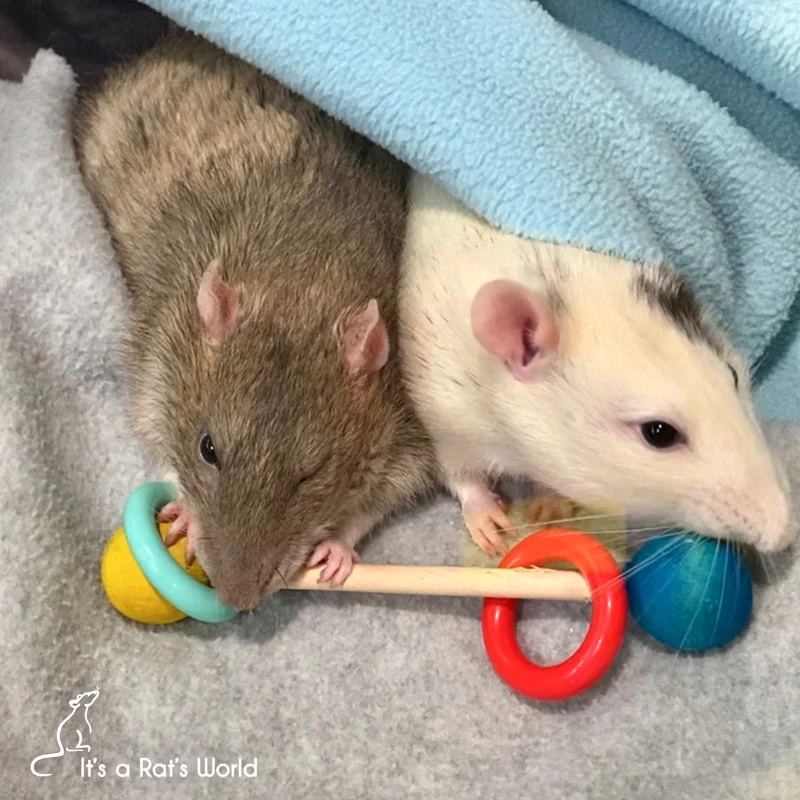
The notion of exercise has evolved significantly from its 1980s roots, where it was often perceived as a means to achieve a certain aesthetic. Today, the understanding is far more comprehensive, recognizing exercise as a critical component of both physical and mental well-being for humans and, as it turns out, for our pet rats as well. Just as humans benefit from regular physical activity to maintain health and prevent disease, rats, despite their often-sedentary domestic environment, require consistent opportunities to move their bodies. This article delves into the multifaceted benefits of exercise for rats, exploring practical and engaging ways to ensure they remain vibrant, healthy, and mentally stimulated.
The Profound Benefits of Exercise for Rats
Regular physical activity plays a pivotal role in maintaining a rat’s overall health. For their bodies to function optimally and to effectively ward off illness, a consistent exercise regimen is paramount. One of the most significant physical benefits is the prevention or mitigation of obesity. Excess body weight in rats can place undue stress on their skeletal and muscular systems, leading to a cascade of health issues. These can include joint degeneration, particularly in the hind legs, cardiovascular strain, the development of diabetes, and the formation of lipomas (fatty tumors), among other ailments.
The prevalence of obesity in pet rats is a growing concern for veterinarians and owners alike. While precise statistics can vary, anecdotal evidence from veterinary clinics specializing in exotic pets suggests an increase in overweight rodents presenting with related health complications. This underscores the importance of proactive measures to manage a rat’s weight through diet and exercise. Owners concerned about their rat’s body condition are encouraged to consult resources that help assess weight status, such as dedicated articles on identifying whether a rat is overweight. These resources often detail the various causes of weight gain, emphasizing the direct correlation between diet, feeding habits, and a rat’s physique.
Beyond the tangible benefits of a trimmer physique, exercise is equally crucial for a rat’s mental health. A lack of physical activity can quickly lead to boredom, a state that can manifest as depression and a range of undesirable behavioral issues. This is particularly relevant given that pet rats spend the majority of their lives within the confines of a cage. The absence of novel stimuli and opportunities for exploration can lead to a decline in their cognitive function and emotional state. Therefore, providing consistent opportunities for movement is not merely about physical health; it is about fostering a rich and engaging environment that supports their psychological well-being.

It is important to note that this discussion pertains to healthy rats who do not have pre-existing mobility restrictions due to conditions such as hind leg degeneration, illness, or injury. For rats facing such challenges, a personalized exercise plan developed in consultation with a veterinarian is essential. Veterinary professionals can provide tailored recommendations to ensure that these rats can still benefit from appropriate physical activity without exacerbating their condition.
Engaging Your Rats: Exercise Without the Gym Membership
Unlike their wild counterparts, domesticated rats often exhibit a more sedentary lifestyle, necessitating proactive intervention from their owners to facilitate activity. The good news is that encouraging exercise in rats does not require elaborate or expensive equipment, nor does it involve the anthropomorphic notion of rats participating in human-like fitness classes. They do not experience the same physiological responses to exertion as humans; for instance, they do not sweat. Instead, their exercise needs are met through providing daily opportunities and motivation to move their bodies and engage with their environment.
The spectrum of activities that promote exercise in rats is broad and can be creatively integrated into their daily lives. This includes encouraging exploration of new spaces, providing a variety of engaging toys, introducing puzzle feeders that challenge them to work for their food, setting up simple agility courses, and even employing clever training techniques that naturally lead to physical exertion. The key is to make these activities enjoyable and stimulating, transforming what might otherwise be a sedentary day into an active and enriching experience.
Optimizing Cage Activity for Enhanced Rat Well-being
To combat the natural tendency for rats, especially as they age, to become less active and spend more time sleeping, their cage environment must be thoughtfully designed to promote movement. While a multilevel cage provides vertical space, it is often insufficient on its own to ensure adequate activity. The introduction of additional items that encourage physical exertion is vital.
The Role of Exercise Wheels
Exercise wheels can be a valuable addition to a rat’s environment, though their effectiveness can vary. Some rats readily take to running on a wheel, embracing it as a form of natural locomotion. Others, however, may choose to use it as a resting place. Despite this variability, a safely designed and appropriately sized wheel can serve as an effective substitute for a rat’s natural treadmill.
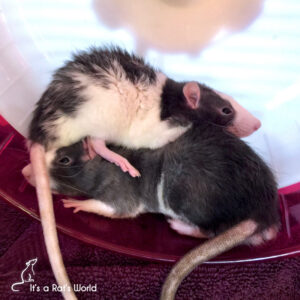
When selecting an exercise wheel, several factors are critical for ensuring safety and functionality. The wheel should be sufficiently large to accommodate adult rats comfortably, with an "extra-large" size typically being appropriate. It must be constructed from a solid material, free from any bars or gaps where a rat’s tail or feet could become ensnared. Furthermore, the wheel needs to be securely fastened to the cage or possess a stable stand that eliminates any space between the wheel and the cage bars, which could trap a rat’s head or other body parts.
Introducing an exercise wheel early in a rat’s life, ideally when they are still young, can significantly increase the likelihood of them utilizing it for exercise rather than for sleeping. As rats, particularly adult males, enter stages of increased maturity, a predisposition towards inactivity can set in, leading them to view the wheel as a bed or to ignore it altogether. Research into newer brands and models of exercise wheels is recommended to ensure owners are opting for the safest and most effective designs available.
Interactive Cage Decor and Environmental Enrichment
Beyond wheels, a wealth of interactive items can be incorporated into a rat’s cage to keep them engaged and active. Many owners successfully utilize a combination of commercially available pet products and everyday household objects repurposed as climbing structures, bridges, tunnels, and dig boxes.
Creative cage makeovers can transform a basic enclosure into a dynamic environment. For instance, a wooden bird perch can be affixed to the cage side and serve as a holder for a toilet paper roll, allowing rats to "redecorate" by shredding and distributing the paper. Modifying ramps and pathways within the cage can also encourage more effortful movement. These adaptations are particularly beneficial for younger, more mobile rats. It is essential to remember that senior rats or those with specific health needs will require different considerations and may benefit from more accessible enrichment items.
Encouraging Activity Outside the Cage: Expanding the Play Space
A change of environment is often the most potent motivator for rats to become active. Their innate curiosity to explore, investigate new stimuli, and interact with novel spaces can be harnessed to encourage sustained activity.

The Benefits of Free-Ranging
The opportunity to move freely outside their cage is a highly anticipated event for most rats, even those who tend to be more laid-back. This does not necessitate granting them unrestricted access to the entire home. Instead, owners can designate specific times and rat-proofed rooms for free-ranging. During these periods, it is beneficial to provide various items that encourage continuous engagement and movement.
A common and effective strategy involves utilizing a rat-proofed bathroom. The introduction of igloos, tubes, cardboard boxes, and other structures that rats can climb on or explore can transform the space into an engaging playground. Owners can also become part of this interactive environment, serving as a "human jungle gym" for their curious companions.
One particularly amusing and surprisingly effective activity for rats is what has been colloquially termed "TPing the bathroom." This occurs when rats discover a toilet paper holder and, through ingenuity and determined effort, ascend it to grab the dangling paper. They then slide back down, leading to a cascade of shredding and scattering, which can keep them actively engaged for extended periods. This activity not only promotes physical exertion but also fosters problem-solving skills and cooperative behavior within the group. Allowing this natural behavior, and even providing an extra roll of toilet paper, can turn a simple enclosure into an exciting adventure zone.
For owners considering free-ranging their pet rats, it is crucial to consult comprehensive guides on safe free-ranging practices. These resources detail the necessary precautions, potential hazards, and best practices to ensure a positive and secure experience for both the rats and the household.
Designing Effective Playpens and Play Areas
A dedicated play area or pen serves as a safe, confined space where rats can expend energy, akin to a schoolyard recess. While store-bought playpens can be an option, rats are often adept at finding ways to escape. Therefore, many owners opt to build their own custom play areas.

The efficacy of a play area in promoting exercise is directly linked to its design and the types of enrichment items it contains. To prevent lethargy and encourage movement, the area should be equipped with stimulating activities. Puzzle toys designed for pets or a dig box filled with safe materials can keep rats physically active and mentally stimulated. Items that encourage climbing and navigating in and out of structures, such as igloos, tunnels, or even a wheel on a stand, are also highly beneficial.
Creativity is key when sourcing materials for a play area. Everyday household items or inexpensive finds from dollar stores can be transformed into engaging elements. A small desktop trash can, for example, can be filled with various paper scraps, tissues, and cardboard, providing rats with an activity of emptying the "trash" and redistributing the contents.
Maintaining a rat’s interest in the play area’s contents requires a dynamic approach. Offering a variety of items and regularly rotating them can prevent boredom and keep the environment fresh and exciting. Instead of presenting all available items at once, a weekly or bi-weekly rotation of toys and structures ensures a continuous sense of novelty and discovery.
For those who prefer to construct their own play areas, innovative designs can integrate elements of a "rat gym." For instance, two shallow storage containers connected by various sizes of plastic piping can create an elaborate play structure. Smaller pipes can serve as balance beams, while larger ones can function as tunnels, encouraging movement and exploration between different sections.
The Power of Play and Interactive Toys
Direct play with rats using safe, rat-appropriate toys can also be a significant source of exercise. Rolling cat toys, which can be chased, or a cat teaser wand, with its enticing feather or object attached by a string, can capture a rat’s attention and encourage them to pounce, chase, and engage in playful physical activity. The unpredictable movements of these toys often trigger a rat’s natural hunting instincts, leading to energetic play sessions.

Constructing Rat Agility Courses
For owners seeking a more ambitious and engaging way to provide exercise, setting up an agility course can be a rewarding endeavor. Online resources offer numerous examples of rat agility courses, showcasing how these intelligent animals can navigate tunnels, weave through poles, and conquer small obstacles. Such courses not only provide substantial physical exercise but also serve as an excellent platform for teaching rats new tricks and commands, fostering a strong bond between owner and pet.
Tricking Your Rats into Activity Through Food-Based Motivation
As rats age, their activity levels naturally decline, a phenomenon mirrored in humans. Male rats, in particular, can become notably sedentary, especially if they have been neutered. This tendency towards inactivity, often endearing as "couch potato" behavior, requires a strategic approach to ensure they remain active. The use of food as a motivator is a highly effective, yet gentle, method to encourage exercise.
Making Them Work for Their Meals
The way food is presented can significantly influence a rat’s activity levels. Instead of placing food in a standard bowl on the cage floor, owners can opt for alternative feeding methods that require more effort. Food crocks that are elevated, foraging wheels, or treat dispensers necessitate that the rat stand, stretch, and exert more energy to access their sustenance. Even a simple adjustment of placing the food dish a few inches above the cage floor can encourage rats to stand and reach for each bite, promoting muscle engagement.
Foraging wheels and treat foragers require rats to manipulate the device to release the food, a process that takes considerably more time and effort than simply eating from a bowl. This prolonged engagement with their food source translates directly into increased physical activity.
The Popularity of "Pea Fishing"
"Pea fishing" is a simple yet highly effective activity that rats universally enjoy. This exercise requires a heavy, tip-proof food container, water, and frozen peas. Rats exhibit an innate fascination with "fishing" for the peas in the water. Even if initially hesitant, they quickly become enthusiastic participants, eagerly scooping out the peas.
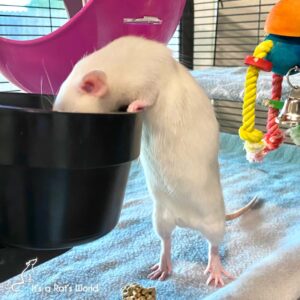
When multiple rats engage in pea fishing simultaneously, the competitive aspect of trying to secure peas from each other further increases their activity levels. This shared activity not only burns calories but also provides a social and engaging experience, making it a consistently popular choice for owners looking to boost their rats’ exercise.
Understanding Individual Differences: Not All Rats Are the Same
It is a common misconception that an overweight rat is necessarily one that receives little to no exercise. Personal experience and anecdotal evidence suggest this is not always the case. Some of the author’s own rats, despite having extensive freedom to roam throughout the house and ample opportunities for activity, remained genetically predisposed to being somewhat chunky. This was not due to overfeeding, as their diets were carefully managed.
In such instances, genetics can play a significant role in a rat’s body composition. If a rat exhibits significant weight issues, it is highly recommended to consult a veterinarian. A veterinary professional can help determine whether the weight problem stems from underlying health conditions, dietary imbalances, or if a more structured and tailored exercise plan is required.
In our increasingly busy lives, meeting the daily exercise needs of our pet rats can present a challenge. However, by incorporating a variety of engaging activities and environmental enrichments throughout the day, owners can significantly contribute to their rats’ overall health, happiness, and longevity. The commitment to providing these opportunities for movement is a testament to the growing understanding of the complex needs of our cherished animal companions.

