


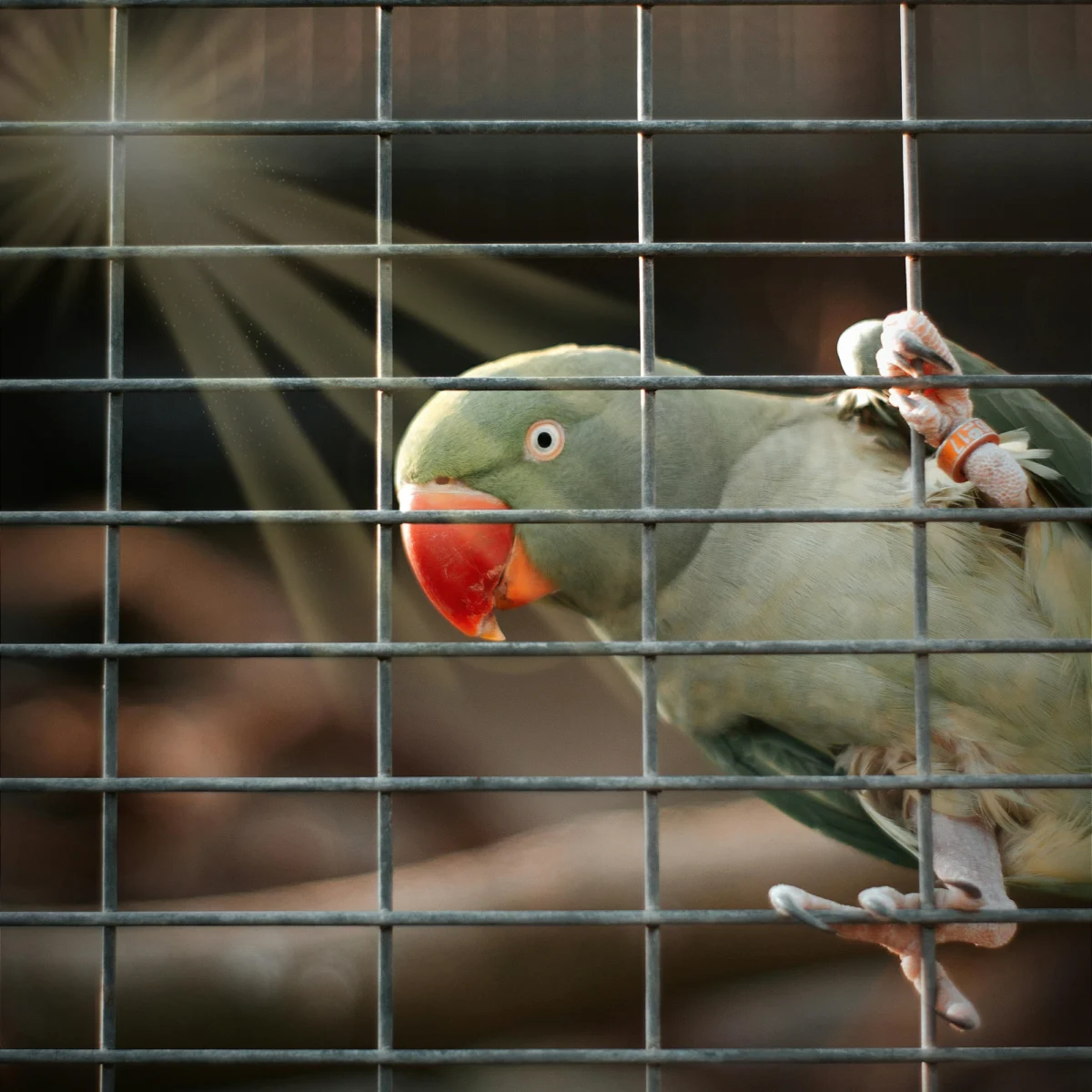
As summer temperatures escalate, often into the hazardous 80s and 90s Fahrenheit (27-32°C) and beyond, the well-being of companion birds becomes a critical concern for caregivers. While wild avian populations possess innate adaptive behaviors—seeking natural shade, frequent bathing, and foraging for moisture-rich foods—domesticated birds are entirely dependent on their human companions to replicate these essential survival strategies. This reliance underscores the paramount importance of a meticulously curated diet and environmental management to ensure their health and comfort during prolonged periods of heat.
The Escalating Challenge of Avian Heat Stress in a Warming Climate
The global climate crisis has ushered in an era of more frequent, intense, and prolonged heatwaves, posing significant challenges to both wild and domestic animal populations. For birds, these extreme temperatures are not merely uncomfortable; they represent a profound physiological stressor that can rapidly lead to dehydration, heat exhaustion, and potentially fatal heatstroke. Unlike mammals, birds do not possess sweat glands. Their primary thermoregulatory mechanisms involve behavioral adaptations, such as seeking shade and reducing activity, and physiological processes like gular fluttering (rapid vibration of the moist membranes in the throat to increase evaporative cooling) and panting. These methods, while effective to a degree, demand significant metabolic energy and can quickly overwhelm a bird’s system when external temperatures remain high.
Reports from avian conservation organizations and veterinary clinics increasingly highlight the devastating impact of heat on birds, from widespread mortality events in wild fledgling populations to a rise in heat-related emergencies among pet birds. This alarming trend underscores the urgent need for proactive and informed care, with nutrition emerging as a foundational pillar of heat resilience.
Understanding Avian Thermoregulation and the Impact of Heat
A bird’s core body temperature typically ranges from 104-106°F (40-41°C), slightly higher than humans. Maintaining this narrow thermal window is crucial for optimal physiological function. When ambient temperatures rise, the bird’s body works harder to dissipate excess heat. This increased effort manifests as:
- Elevated Respiration: Rapid, shallow breathing (panting) and gular fluttering increase evaporative cooling from the respiratory tract. While effective, this process leads to significant moisture loss.
- Vasodilation: Blood vessels near the skin surface expand to allow more blood flow, facilitating heat transfer from the body to the cooler environment.
- Behavioral Changes: Reduced activity, fluffed feathers (paradoxically, to create an insulating layer against external heat, or to allow air circulation near the skin), holding wings away from the body, and seeking shade.
When these mechanisms are insufficient, or when the bird becomes dehydrated, its internal temperature can rise dangerously. This hyperthermia can lead to a cascade of negative effects, including organ damage, neurological dysfunction, and cardiovascular collapse. Small bird species, overweight birds, older individuals, and those with pre-existing health conditions (e.g., respiratory disease, heart issues) are particularly vulnerable due to their reduced physiological reserves or compromised cooling capabilities.
Critical Nutritional Pillars for Summer Bird Health
The right dietary approach can significantly bolster a bird’s internal cooling system, providing the necessary tools to combat heat stress from within. This involves focusing on hydration-boosting foods, anti-inflammatory agents, and nutrients that support key physiological functions.
-
Electrolytes: The Foundation of Hydration and Cellular Function
Electrolytes—minerals such as potassium, sodium, magnesium, and calcium—are indispensable for maintaining fluid balance, nerve impulse transmission, muscle contraction (including cardiac function), and overall cellular integrity. In hot weather, birds lose increased amounts of these vital minerals through accelerated respiration and more frequent droppings. A deficit in electrolytes impairs the body’s ability to retain water, leading to rapid dehydration, fatigue, and potential metabolic disturbances.- Scientific Rationale: Electrolytes are critical for osmotic regulation. Sodium and potassium gradients across cell membranes drive water movement, ensuring cells remain properly hydrated. Magnesium and calcium are involved in numerous enzymatic reactions and muscle function.
- Dietary Sources: Offer fresh, water-rich vegetables like cucumber, celery, bell peppers, and leafy greens. Fruits such as watermelon and cantaloupe are excellent sources of natural electrolytes and moisture. Soaked or sprouted seeds and legumes also provide hydration and essential minerals. In severe heatwaves or for birds recovering from stress, a veterinarian-approved avian electrolyte supplement may be warranted.
-
Omega-3 Fatty Acids: Anti-inflammatory and Feather Support
Omega-3 polyunsaturated fatty acids (PUFAs), particularly EPA and DHA, play a dual role in hot weather. They are crucial for maintaining healthy skin and feather quality, which are integral for insulation and thermal regulation. Furthermore, omega-3s are potent anti-inflammatory agents, helping to mitigate systemic inflammation that can be exacerbated by heat stress.- Scientific Rationale: Omega-3s are precursors to anti-inflammatory prostaglandins and leukotrienes, which help regulate the body’s inflammatory response. Healthy cell membranes, enriched with omega-3s, are more resilient to oxidative stress induced by heat. Well-maintained feathers provide a critical barrier, preventing direct heat absorption and facilitating airflow for cooling.
- Dietary Sources: Ground flaxseed meal, chia seeds, and certain avian-safe oils like small, appropriate amounts of red palm oil (which also provides Vitamin A) are excellent sources. Fish oil supplements designed for birds, under veterinary guidance, can also be considered.
-
Vitamin A (Beta-Carotene): Respiratory and Immune Fortification
Vitamin A is fundamental for maintaining the integrity and moisture of mucous membranes, particularly in the skin, sinuses, and respiratory tract. In dry, hot conditions, these tissues are more susceptible to irritation and dehydration. Adequate Vitamin A levels help preserve a robust first line of defense against environmental irritants like dust, dry air, and airborne pollutants (e.g., wildfire smoke), which can be prevalent during summer. It also supports overall immune function, which can be compromised by prolonged heat exposure.- Scientific Rationale: Vitamin A (retinol) is essential for epithelial cell differentiation and maintenance. Beta-carotene, a precursor to Vitamin A, acts as an antioxidant. Healthy mucous membranes are vital for trapping pathogens and maintaining proper hydration of respiratory passages, which is crucial for evaporative cooling.
- Dietary Sources: Provide a variety of vibrant orange and dark leafy green vegetables, which are rich in beta-carotene. Examples include carrots, sweet potatoes, butternut squash, kale, collard greens, and dandelion greens.
-
Antioxidants (Vitamins C & E, Selenium): Combating Oxidative Stress
Heat stress can increase metabolic activity and lead to the production of reactive oxygen species, causing oxidative stress and cellular damage. Antioxidants like Vitamin C, Vitamin E, and selenium help neutralize these free radicals, protecting cells and tissues.- Scientific Rationale: Antioxidants are crucial for cellular protection. Vitamin E, a fat-soluble antioxidant, protects cell membranes, while Vitamin C, a water-soluble antioxidant, works in the aqueous phases of the body. Selenium is a cofactor for antioxidant enzymes.
- Dietary Sources: Vitamin C: bell peppers, broccoli, kiwi, berries. Vitamin E: sunflower seeds (in moderation), spinach, broccoli. Selenium: Brazil nuts (tiny amount, very rare), certain greens.
Strategic Dietary Adjustments for Summer
Beyond specific nutrients, the overall composition and presentation of a bird’s diet require seasonal modification.
-
Prioritizing Moisture-Rich Foods: The cornerstone of summer avian nutrition is hydration. Fresh vegetables and certain fruits should form a substantial portion of the daily intake. A well-prepared "chop" (a finely diced mixture of various bird-safe vegetables and greens) can be refrigerated and offered cool.
- Summer Cool-Down Bird Chop (Example for a medium-sized parrot, adjusted proportionally for smaller birds):
- Ingredients: 1/3 cup diced cucumber, 3 tbsp chopped bell pepper (any color), 3 tbsp finely chopped broccoli, 3 tbsp shredded carrot, 1/3 cup chopped kale/collard/dandelion greens, 2 tbsp fresh herbs (cilantro, basil, parsley), 1/4 cup sprouted lentils or mung beans.
- Optional Cooked Additions (cooled): 2 tbsp cooked sweet potato, 2 tbsp cooked quinoa or brown rice.
- Preparation: Wash all produce thoroughly. Chop or shred ingredients to an appropriate size for your bird. Mix well. Portion into ice cube trays for easy freezing and thawing.
- Serving: Thaw a portion and serve cool. Consider topping with a small pinch of Avian Naturals (e.g., a calming herbal blend like chamomile or a seed fusion rich in omega-3s) or a tiny drop of Red Palm Oil for an added nutrient boost.
- Summer Cool-Down Bird Chop (Example for a medium-sized parrot, adjusted proportionally for smaller birds):
-
Moderating Protein Intake to Reduce Metabolic Heat: Digestion of protein is a metabolically intensive process that generates "metabolic heat." While protein is vital for feather growth, muscle maintenance, and immune function, excessive intake in hot weather can burden a bird’s thermoregulatory system.
- Scientific Rationale: The specific dynamic action (SDA) or thermic effect of food is highest for protein. This means a significant portion of the energy consumed as protein is released as heat during its metabolism.
- Summer Guideline: Adjust protein to 10-18% of the total diet volume, depending on the bird’s size and activity level. Offer protein-rich foods primarily in the cooler morning hours.
- Foods to Moderate: Nuts, seeds, legumes, eggs, and commercial soy-based pellets should be given in smaller quantities and avoided during the hottest parts of the day.
Seasonal Protein Guidelines by Bird Size (Percentages based on food volume):
Bird Size Winter Protein Intake Summer Protein Intake Small (Budgie, Cockatiel) 15–20% 10–12% Medium (Conure, Quaker) 18–22% 12–15% Large (Amazon, African Grey) 20–25% 15–18% Note: These are general guidelines. Always consult an avian veterinarian for species-specific and individual dietary needs, especially for breeding, molting, or recovering birds.

Enhancing Hydration: Beyond the Water Bowl
While fresh, clean water is paramount, pet birds often benefit from additional hydration strategies.
- Multiple Water Sources: Offer water in several locations within the cage and play areas.
- Shallow Dishes for Bathing: Many birds enjoy misting or bathing. A shallow dish of cool, clean water can encourage self-cooling.
- Moisture-Rich Treats: Offer chilled slices of cucumber, melon, or berries as refreshing snacks.
- Soaked Pellets/Seeds: Soaking commercial pellets or seeds in water before serving increases their moisture content and makes them more palatable.
Recognizing Signs of Overheating and Seeking Veterinary Care
Early detection of heat stress is crucial. Pet birds, being prey animals, often instinctively conceal signs of illness or distress. Caregivers must be vigilant for subtle indicators:
- Panting and Gular Fluttering: More pronounced or sustained than usual.
- Wings Held Away from Body: To maximize airflow and dissipate heat.
- Fluffed Feathers: Can be an attempt to trap an insulating layer of air or facilitate heat release.
- Lethargy or Weakness: Reduced activity, reluctance to move, resting at the bottom of the cage.
- Changes in Droppings: May appear watery or profuse due to increased fluid intake or stress.
- Reddened Skin: Especially on the feet or around the eyes.
- Loss of Appetite: Reduced interest in food.
- Disorientation or Seizures: In severe cases of heatstroke, neurological signs may appear.
If any of these signs are observed, immediate action is required: move the bird to the coolest possible area, offer cool (not ice-cold) water, and contact an avian veterinarian without delay. Heatstroke is a medical emergency.
Storage, Spoilage, and Food Safety in Hot Climates
Summer heat and humidity create an ideal environment for bacterial and fungal growth, making food safety even more critical.
- Prompt Removal of Fresh Foods: Fresh chop, fruits, and vegetables should never be left in the cage for more than two hours, or even less if ambient temperatures exceed 80°F (27°C). Remove uneaten portions promptly to prevent spoilage and bacterial contamination.
- Proper Storage: Prepare chop in batches and store it in airtight containers in the refrigerator for no more than 2-3 days, or freeze in individual portions for longer storage.
- Water Bowl Hygiene: Change water at least twice daily, and more frequently if it appears murky or contains food debris. Scrub water and food bowls with hot, soapy water daily to eliminate bacterial biofilms. The insidious growth of Aspergillus fungus, particularly in damp, warm environments, can lead to severe and often fatal aspergillosis in birds. Regular, thorough cleaning is paramount to prevent mold accumulation in cage corners, crevices, and food/water dishes.
- Avoid Contamination: Use separate cutting boards and utensils for bird food preparation to prevent cross-contamination.
Conclusion: A Proactive Approach to Summer Avian Wellness
The summer months present unique challenges for pet bird caregivers, demanding a proactive and informed approach to nutrition and environmental management. By understanding the physiological demands of heat stress, strategically adjusting dietary components to prioritize hydration and reduce metabolic heat, and implementing rigorous food safety protocols, owners can significantly enhance their birds’ resilience.
The emphasis on moisture-rich foods, appropriate protein modulation, and targeted supplementation with electrolytes and antioxidants provides a robust internal defense against the rigors of high temperatures. Coupled with vigilant monitoring for signs of distress and prompt veterinary intervention when necessary, these measures ensure that companion birds not only survive but thrive through the warmest seasons. Investing in these practices is not merely a matter of comfort; it is a fundamental aspect of responsible pet ownership, safeguarding the health and longevity of our cherished feathered companions.

