


The Critical Need for Specialized Veterinary Care
Marine turtles—all seven species of which are classified as threatened or endangered under the International Union for Conservation of Nature (IUCN) Red List—require highly specialized medical intervention when encountered in a clinical setting. Unlike terrestrial reptiles, sea turtles present unique physiological challenges, including deep-diving adaptations, specialized salt-excretion glands, and massive metabolic requirements.
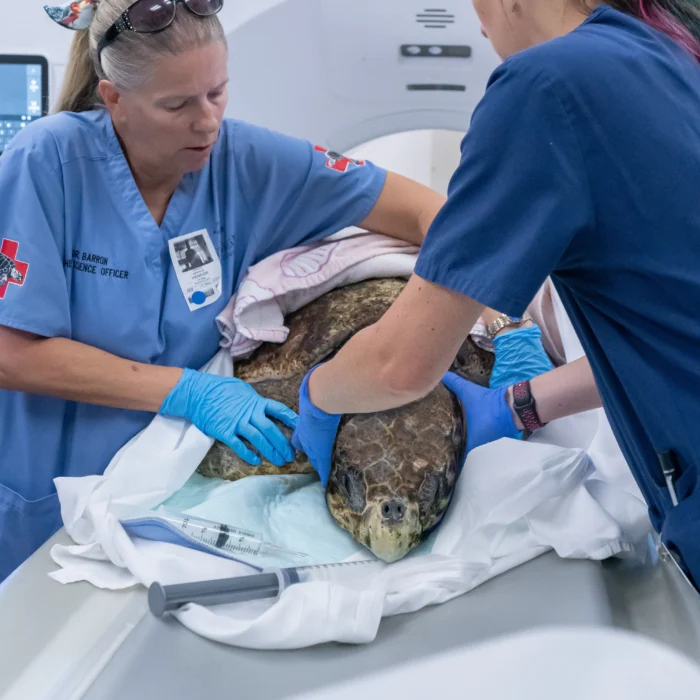
Veterinary professionals are frequently the first line of defense in the rehabilitation process. When a turtle is found stranded or injured, the initial triage often determines the animal’s survival rate. Common conditions requiring medical expertise include fibropapillomatosis (a tumor-causing disease), severe buoyancy disorders, entanglement injuries from discarded fishing gear, and ingestion of plastic debris. The recent educational rollout underscores the necessity for standardized, evidence-based protocols to ensure that rehabilitation centers provide consistent, high-quality care across global networks.
Chronology of Clinical Advancement in Marine Biology
The formalization of "Sea Turtle Medicine" as a distinct clinical discipline has evolved rapidly over the past two decades. In the early 2000s, marine turtle care was largely decentralized, relying on local expertise and ad-hoc arrangements between marine biologists and small animal practitioners.
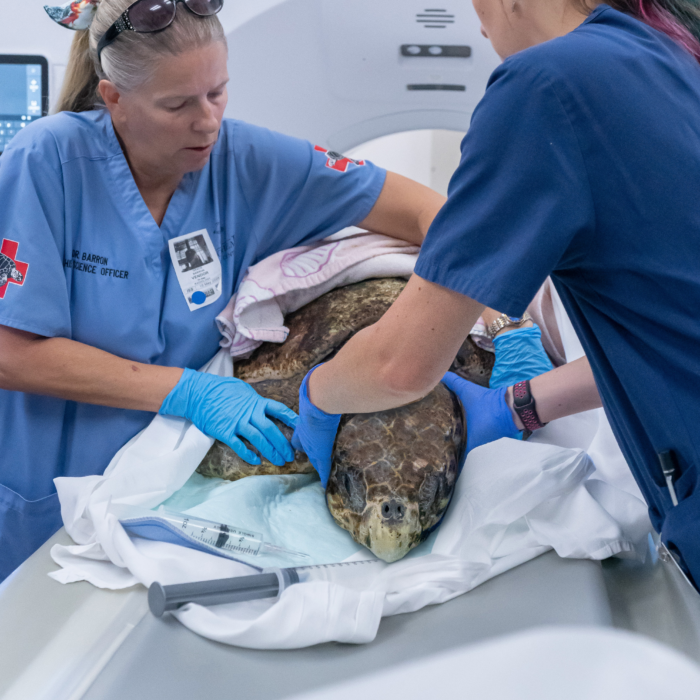
By 2010, the formation of organizations such as the Sea Turtle Health & Rehabilitation Alliance began to bridge the gap between field research and clinical practice. The subsequent decade saw the introduction of sophisticated diagnostic imaging, such as portable ultrasound and advanced hematological analysis specifically calibrated for marine reptile species. The current educational modules represent the culmination of this evolution, incorporating lessons learned from large-scale rescue operations, such as those following the Deepwater Horizon oil spill, which highlighted the urgent need for standardized protocols in managing mass stranding events.
Supporting Data and Conservation Metrics
The urgency of this medical training is reflected in the current statistics surrounding marine turtle survival. According to data from the National Oceanic and Atmospheric Administration (NOAA), a significant percentage of sea turtle mortality is human-induced.
- Bycatch and Entanglement: An estimated 250,000 sea turtles are captured annually in commercial fishing gear, leading to high rates of limb amputations and internal trauma.
- Fibropapillomatosis (FP): In some tropical habitats, the prevalence of FP in green sea turtles (Chelonia mydas) has reached as high as 50% to 70% in localized populations, necessitating complex surgical and supportive care protocols.
- Pollution Impact: Recent studies indicate that over 50% of sea turtles examined worldwide have ingested plastic, which often leads to impactions, requiring surgical intervention or intensive supportive therapy, such as the use of specialized nutritional support like EmerAid Herbivore.
These figures underscore the importance of programs that offer RACE-approved continuing education (CE), ensuring that veterinarians are not only theoretically informed but practically equipped to perform life-saving interventions.
Professional Development and Educational Framework
The current educational program provides a multi-faceted approach to professional development. By integrating an automated grading system and providing personalized continuing education certificates, the program incentivizes veterinarians and veterinary technicians to maintain high standards of practice.

The inclusion of a "Housekeeping" PDF, which acts as a master document for the curriculum, allows practitioners to access a centralized repository of diagnostic tools and therapeutic guides. This structured approach is vital for remote clinics or those in regions with limited access to specialized marine biology expertise. By standardizing the "how-to" of turtle medicine—from venipuncture sites to fluid therapy administration—the program aims to reduce variability in treatment outcomes, thereby increasing the overall efficacy of rehabilitation centers worldwide.
Official Perspectives and Industry Partnerships
The partnership between academic educational platforms and nutritional manufacturers, such as the sponsorship provided by EmerAid, highlights the symbiotic relationship between medical research and industry support. Experts in the field, including leading veterinary specialists like Dr. Terry Norton and Dr. Charles Manire, have frequently advocated for the necessity of nutritional support in the intensive care of debilitated reptiles.
"Effective rehabilitation is a team effort that relies on the intersection of diagnostic imaging, surgical skill, and nutritional rehabilitation," notes a representative from the clinical veterinary community. The sponsorship of the webinar series is not merely a commercial endeavor but a logistical necessity; specialized diets are often the difference between a turtle that recovers enough to be released and one that suffers from prolonged immunosuppression during the healing process.
Broader Impact and Global Implications
The dissemination of these medical practices carries implications that extend far beyond the individual patient. Each successfully rehabilitated turtle represents a potential contribution to the breeding population of a species that is struggling to recover.

Furthermore, as "sentinel species," sea turtles provide valuable data on the health of the ocean ecosystem. When veterinarians document the causes of injury—such as specific chemical pollutants or regional debris patterns—this data is synthesized by marine biologists to influence public policy, shipping lane regulations, and plastic usage legislation.
By standardizing the medical care of these animals, the veterinary community is inadvertently contributing to the broader field of environmental science. A well-treated, successfully released turtle is an indicator of effective policy and scientific advancement. As the educational content continues to evolve, the inclusion of feedback loops—such as the survey mechanisms provided for participants—ensures that the curriculum remains responsive to the real-world challenges encountered by those in the field.
Future Directions for Marine Veterinary Science
Looking ahead, the focus of marine turtle medicine is expected to shift toward preventative care and molecular diagnostics. The rapid development of genomic sequencing allows for better identification of the viruses that cause fibropapillomatosis, while advancements in telemedicine are beginning to allow specialists in centralized laboratories to assist local clinics in real-time.
The integration of these new resources into the mainstream veterinary toolkit marks a turning point in the field. No longer relegated to the periphery of veterinary practice, the medicine of marine reptiles is becoming an essential pillar of biodiversity conservation. The commitment shown by organizations like LafeberVet in providing free, accessible education ensures that the barrier to entry for qualified practitioners remains low, while the standard of care remains high.

As climate change continues to shift the distribution of sea turtle nesting grounds and feeding habitats, the need for a global, educated, and connected network of veterinary professionals has never been more acute. Through the combination of rigorous clinical training, industry-supported nutritional solutions, and a dedication to data-driven rehabilitation, the veterinary community is positioning itself to be a vital partner in the ongoing efforts to secure the future of these ancient mariners. By bridging the gap between clinical excellence and ecological conservation, the professionals who utilize these resources are ensuring that the medical interventions performed today will have a lasting impact on the marine environments of tomorrow.

