


Respiratory disease remains the single most prevalent health challenge facing the domestic rat population (Rattus norvegicus). Veterinary data consistently identifies respiratory infections as the primary cause for clinical consultation among rat owners, largely due to the biological predisposition of the species to a bacterium known as Mycoplasma pulmonis. This chronic, often subclinical condition, frequently referred to by enthusiasts as "myco," is ubiquitous within the respiratory tracts of nearly all pet rats, having been acquired from the dam shortly after birth. While the presence of this bacterium does not necessitate active disease, it creates a fragile equilibrium that, when disrupted by environmental or physiological stressors, can lead to chronic, debilitating illness.
The Biological Context of Murine Mycoplasmosis
The pathogenesis of murine mycoplasmosis begins with the colonization of the respiratory epithelium by M. pulmonis. In a healthy, robust rat, the immune system may effectively suppress the proliferation of the bacteria, allowing the animal to live a normal lifespan without experiencing significant respiratory distress. However, the bacteria are highly contagious, transmitted easily through aerosolized droplets and direct contact.
When the immune response is compromised—whether through environmental irritants, secondary infections, or genetic predispositions—the condition can escalate into severe respiratory disease. Research indicates that the damage caused by M. pulmonis to the cilia and lining of the airway serves as a precursor for secondary bacterial infections, such as those caused by Streptococcus pneumoniae. Furthermore, the progression of the disease can extend beyond the respiratory system, potentially causing otitis media (inner ear infections) or even systemic complications such as congestive heart failure. Veterinary pathologists note that because the disease is progressive and often chronic, long-term management rather than a definitive "cure" is the standard clinical objective.
Chronology and Symptomatic Progression
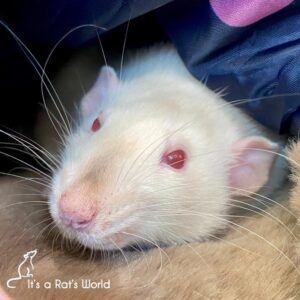
The clinical timeline of a respiratory flare-up often follows a predictable, albeit subtle, pattern. Initial indicators are frequently overlooked by novice owners. The first clinical sign is typically the appearance of porphyrin, a red-pigmented substance secreted by the Harderian gland located behind the eye. While frequently mistaken for blood by the uninitiated, porphyrin is a normal secretion that increases in volume during times of stress, illness, or irritation.
In the early stages of a respiratory infection, owners may observe:

- Frequent, localized sneezing or "snuffling" sounds.
- An accumulation of dried, rust-colored discharge around the nares and ocular regions.
- Behavioral changes, such as mild lethargy or decreased interest in social interaction.
As the condition advances, symptoms become more acute. If the infection migrates to the middle or inner ear, the animal may display neurological symptoms, including a noticeable head tilt, ataxia (loss of coordination), or circling. If the infection reaches the lower respiratory tract, the prognosis becomes more guarded. Audible respiratory distress—characterized by wheezing, clicking, or rattling sounds during inhalation and exhalation—indicates that the infection has settled deep in the chest cavity. At this stage, clinical intervention, including the administration of systemic antibiotics and anti-inflammatory medications, is essential to prevent permanent pulmonary scarring or respiratory failure.
Environmental Variables and Risk Mitigation
The environmental management of a rat colony is perhaps the most significant factor in disease prevention. Professional veterinary consensus suggests that air quality is a primary determinant of respiratory health. Rats possess a highly sensitive respiratory system, making them susceptible to airborne contaminants that might be imperceptible to humans.
Common household irritants that trigger respiratory flare-ups include:
- Ammonia Buildup: Poor sanitation and inadequate ventilation lead to the accumulation of ammonia from urine, which acts as a caustic irritant to the delicate mucosal lining of the rat’s respiratory tract.
- Volatile Organic Compounds (VOCs): Fragranced products, including scented candles, essential oil diffusers, aerosol sprays, and harsh cleaning agents, are known to exacerbate underlying respiratory conditions.
- Particulate Matter: The use of softwood beddings, such as pine or cedar, has been largely deprecated by the veterinary community. These materials contain phenols and aromatic hydrocarbons that are toxic to rodents and significantly correlate with the development of chronic respiratory inflammation.
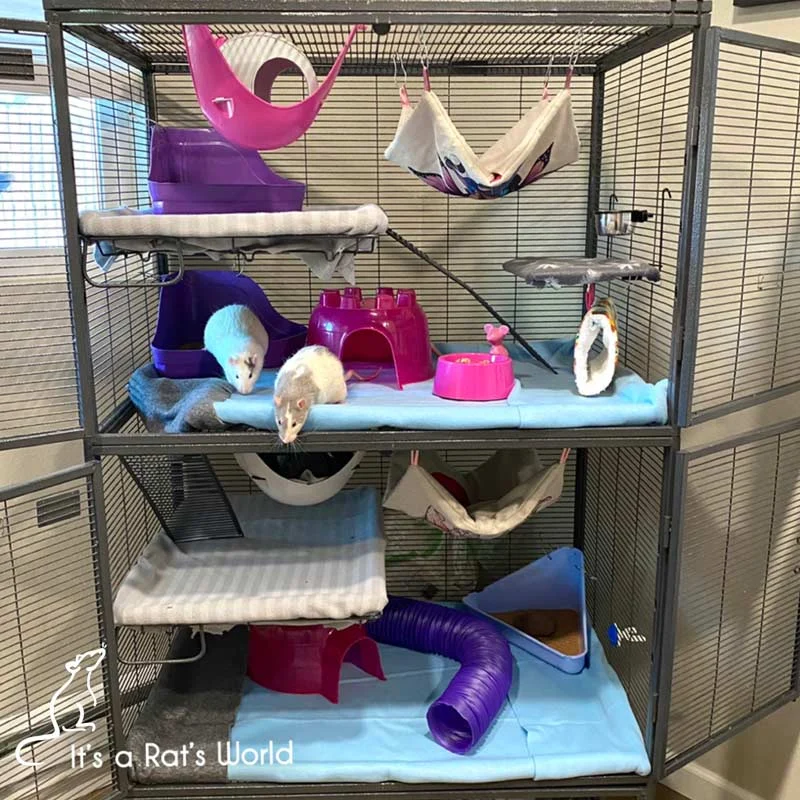
To mitigate these risks, experts advocate for the use of dust-free, paper-based, or aspen bedding and emphasize the necessity of high-ventilation, wire-mesh cage construction over solid-sided aquariums or plastic enclosures, which trap humidity and gases.
The Role of Responsible Husbandry and Genetic Selection
The origin of the animal plays a critical role in its baseline health. Rats sourced from high-volume, commercial breeding operations—often referred to as "feeder" breeders or pet store suppliers—are frequently subjected to overcrowded conditions and minimal veterinary oversight. This environment is an ideal vector for the rapid spread of not only M. pulmonis but also parasites like lice and mites, which weaken the immune system and increase the likelihood of secondary infections.
Ethical breeders and rescue organizations operate with a focus on husbandry, which includes strict quarantine protocols. A mandatory two-week, complete physical separation of new animals from an existing colony is the industry standard for disease control. This quarantine period must occur in a separate airspace to prevent the transmission of airborne pathogens. During this time, the animals should be monitored for signs of respiratory distress, dermatological issues (such as scratching or scabs, indicative of parasites), and general malaise.
Professional Clinical Analysis and Treatment
When respiratory symptoms manifest, the urgency of treatment cannot be overstated. Because rats are prey animals, they possess an evolutionary instinct to mask signs of illness until the disease is in an advanced state. A rat that appears lethargic or is "fluffed up" (a sign of distress and pain) is often in critical condition.
Veterinary treatment typically involves a multimodal approach. Antibiotic therapy—often utilizing combinations of drugs like enrofloxacin and doxycycline—is the frontline defense. The duration of this treatment is often prolonged, sometimes spanning weeks or even the remainder of the animal’s life, to suppress the bacterial load of M. pulmonis.
From an epidemiological perspective, the implications for rat owners are clear: the management of respiratory disease is a test of long-term vigilance. There is no vaccine for M. pulmonis, and the bacteria’s resilience means that total eradication is currently medically impossible. Therefore, the focus must remain on the minimization of stress and the optimization of the living environment.
Broader Implications for Animal Welfare
The persistence of respiratory disease in pet rats highlights a broader issue within the companion animal industry regarding the welfare of "small" or "pocket" pets. Unlike dogs or cats, rats are often perceived as low-maintenance, disposable pets, which leads to a lack of investment in preventative veterinary care.
However, as awareness grows, the standard of care for these intelligent, social animals is evolving. Veterinarians specializing in exotic animal medicine are increasingly emphasizing the necessity of routine check-ups. The integration of high-quality, nutritious diets, the provision of adequate space for physical exercise, and the psychological enrichment of the environment are now recognized as essential components in maintaining the immune system’s ability to keep the inevitable presence of M. pulmonis in check.
In conclusion, while respiratory disease is an inherent part of owning a rat, it is not an inevitable death sentence if owners are equipped with the knowledge to recognize early symptoms and the resources to mitigate environmental stressors. Through a combination of ethical acquisition, diligent quarantine practices, and a proactive relationship with a knowledgeable veterinarian, the impact of these common ailments can be significantly managed, thereby ensuring a better quality of life for these highly adaptable and affectionate companions.

