


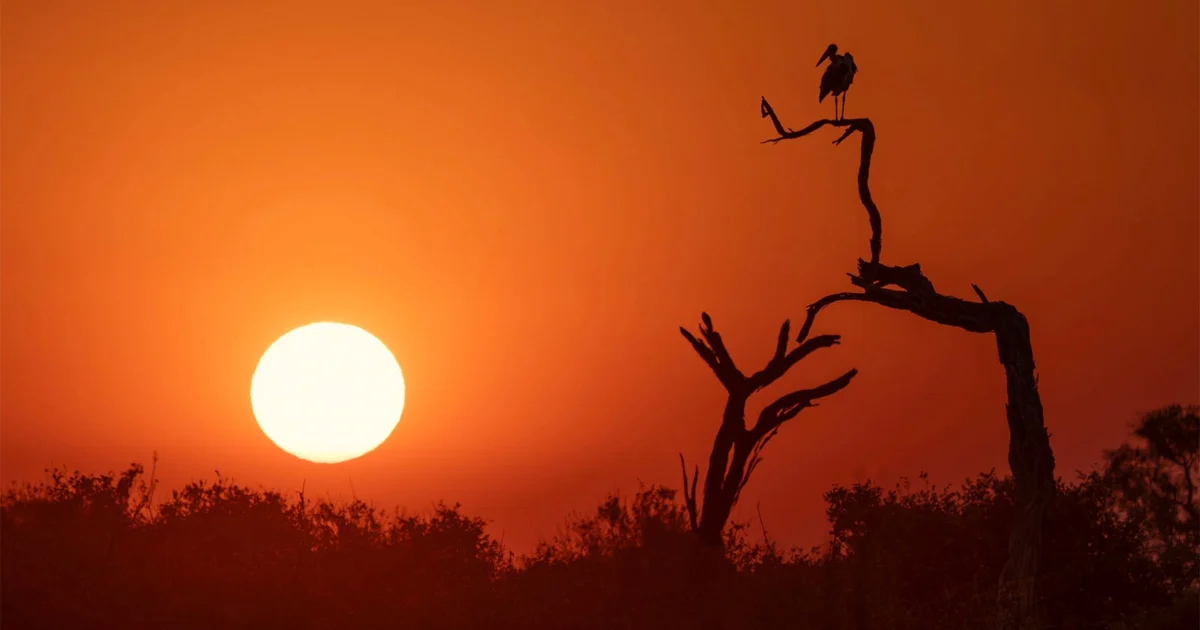
Wildlife photography has undergone a seismic shift over the past three and a half decades, evolving from a craft defined by the rigid physical limitations of analog film to a digital frontier dominated by advanced computational processing. For many veteran photographers, the transition has been marked by a departure from the "slide-era" reliance on technical perfection toward a modern emphasis on artistic narrative and environmental storytelling. This evolution is not merely a change in equipment; it represents a fundamental recalibration of what constitutes a successful image in an era where technical excellence is no longer a differentiator, but a baseline expectation.
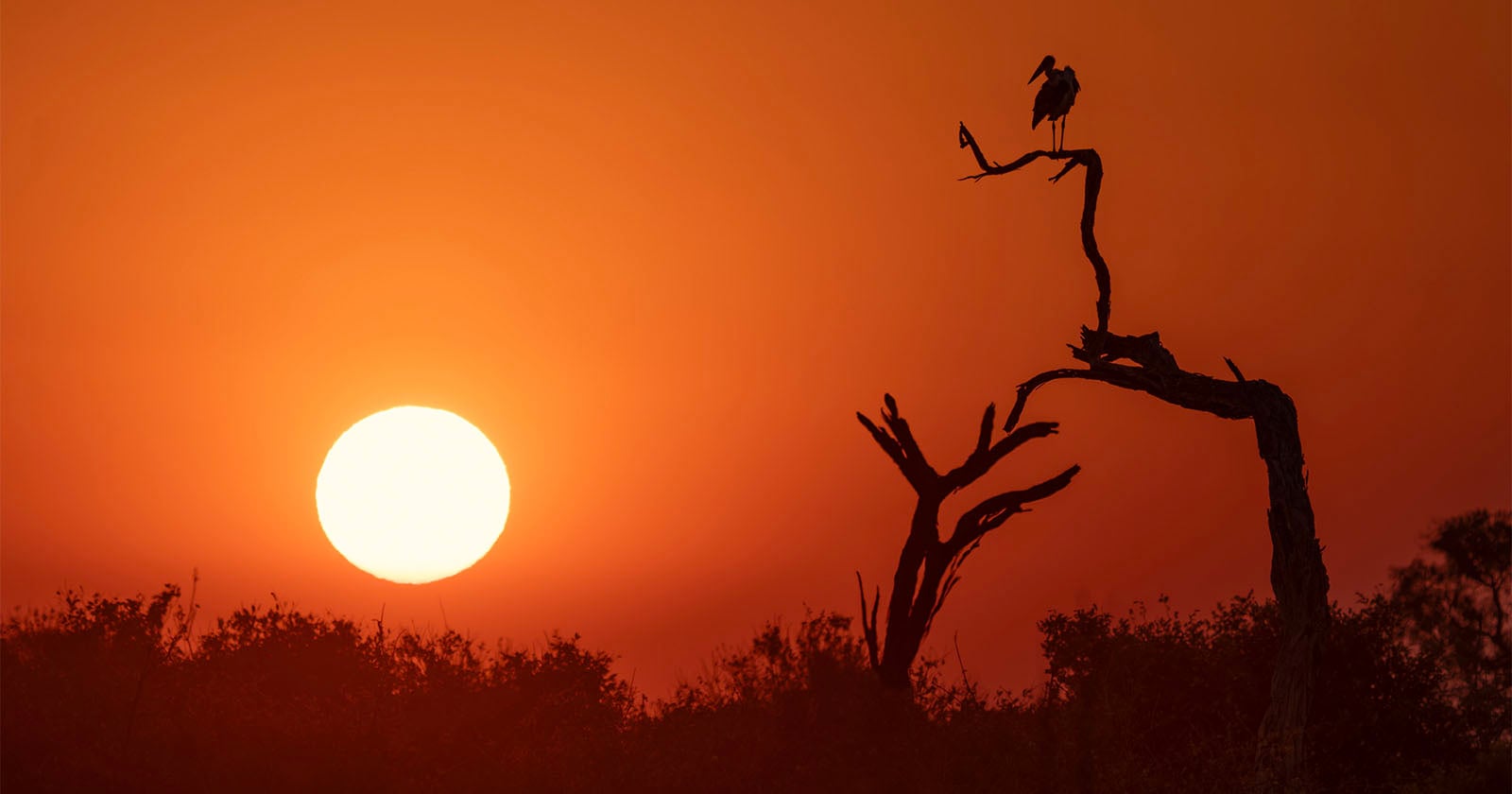
A Chronology of Technological Transformation
The landscape of nature photography can be categorized into three distinct eras, each defined by the relationship between the photographer’s skill and the camera’s mechanical constraints.
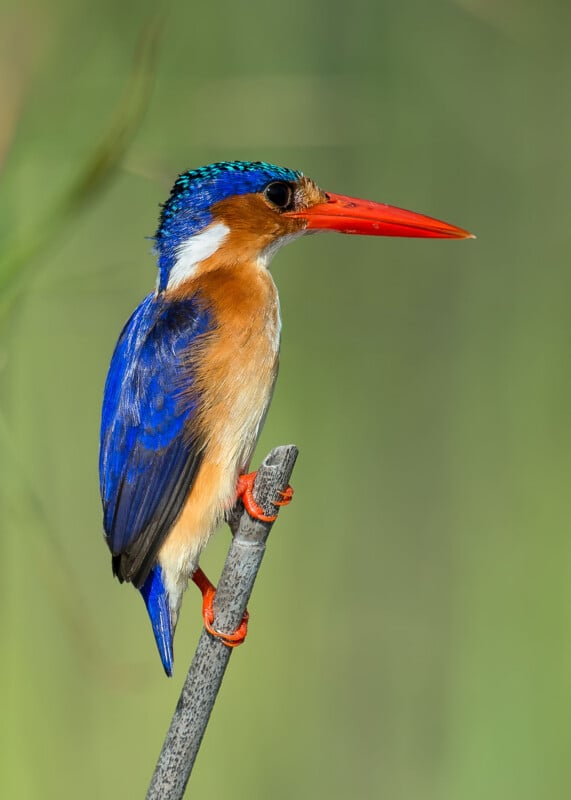
Between 1993 and 2004, the "Slide Era" reigned supreme. During this period, success in photographic salons and club competitions was predicated on a narrow set of criteria: perfect exposure in "golden hour" light, strict adherence to the rule of thirds, and absolute sharpness. Because film stock—often limited to ISO 50 or 100—offered little latitude for error, the photographer’s mastery of the exposure triangle was the primary determinant of quality. Subject matter was frequently static, focusing on solitary birds in clean, uncluttered environments. A perfectly focused image of a bird on a twig was often sufficient to secure a top-tier award.
The mid-2000s ushered in the digital transition, bringing with it the democratization of action photography. As sensor technology improved, higher ISO capabilities and rudimentary autofocus systems allowed for the first widespread capture of birds in flight. Cropping, once a destructive process in the darkroom, became a digital utility, enabling photographers to isolate subjects that were previously too distant to capture effectively.
The most recent shift, beginning in the early 2020s, has been the "Mirrorless Revolution." The integration of high-speed processors, artificial intelligence-driven subject detection, and frame rates exceeding 30 frames per second has essentially removed the technical barrier to entry for action photography. With cameras now capable of tracking a bird’s eye at 1/8,000th of a second, the role of the photographer has shifted from a manual operator to an artistic curator.
The Impact of Automated Excellence
The proliferation of mirrorless technology has created a paradox: while the quality of average wildlife imagery has increased exponentially, the difficulty of distinguishing one’s work in a crowded field has intensified. Industry data suggests that the volume of high-quality nature imagery submitted to global competitions has risen by nearly 40% since 2020, driven largely by the ease of capturing sharp, high-resolution action shots.
This technological floor has led to a stagnation in creative progress within many amateur photographic clubs. Judges and assessors, often accustomed to the traditional standards of the slide era, continue to reward "technically perfect" images that lack narrative depth. This has created a cycle where photographers are incentivized to produce conventional, high-fidelity images rather than experimenting with the creative tools now at their disposal.
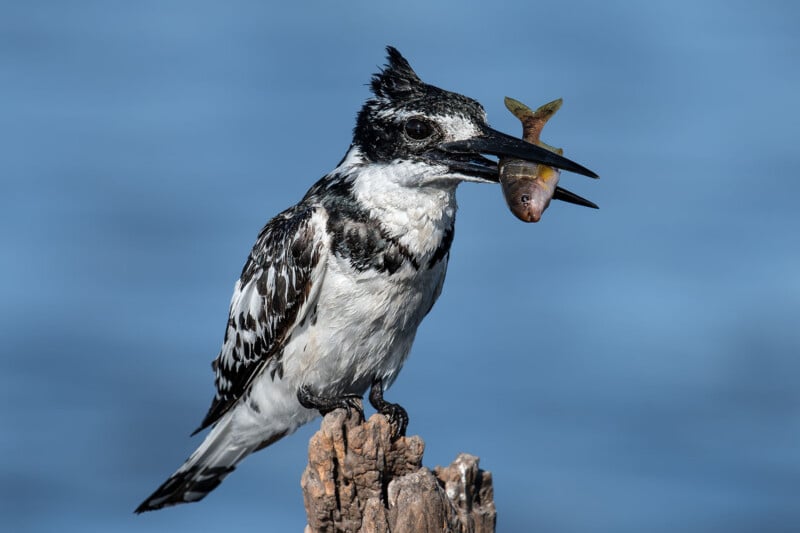
According to institutional benchmarks set by organizations like the Natural History Museum’s Wildlife Photographer of the Year, the current standard for success has moved well beyond technical proficiency. In elite competitions, where acceptance rates can drop below 1%, the criteria emphasize "impact" and "uniqueness." A technically perfect image of a bird is now considered a baseline; the winning images are those that communicate emotion, habitat context, and behavioral nuance.
Reassessing the Creative Workflow
To remain relevant in this competitive environment, professional wildlife photographers are increasingly abandoning the "tight crop" mentality. By incorporating the environment into the frame, photographers provide scale and context, transforming a portrait into a story.
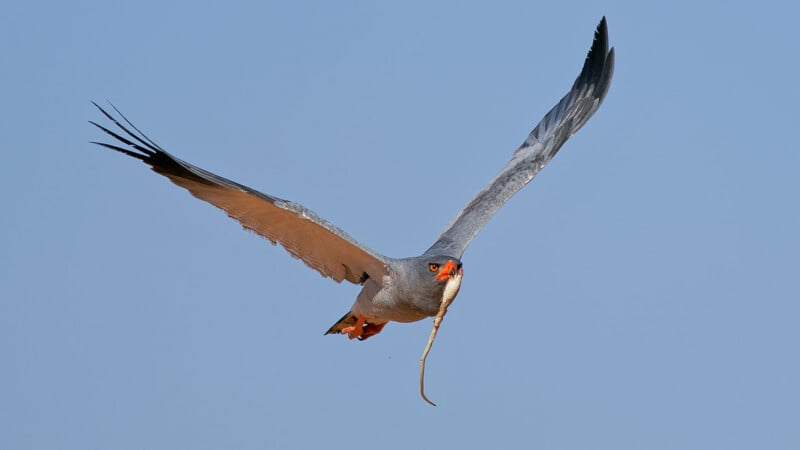
Modern camera settings, once reserved for basic exposure, are now being used as creative instruments. Photographers are utilizing intentional motion blur—often achieved through extreme long-exposure techniques and high-density neutral filters—to convey the energy of a flock, or conversely, high-key, black-and-white conversions to emphasize the abstract patterns of wildlife in motion. These techniques move the medium away from documentary-style capture toward a form of visual expressionism.
Analytical Perspectives on Industry Standards
The divide between traditional club judging and high-level international competition reveals a systemic tension. Many local photographic clubs rely on a quota-based acceptance system, where a fixed percentage of entries are accepted regardless of the overall caliber of the work. This system naturally favors conventional, "safe" imagery that conforms to long-standing, albeit outdated, technical rubrics.
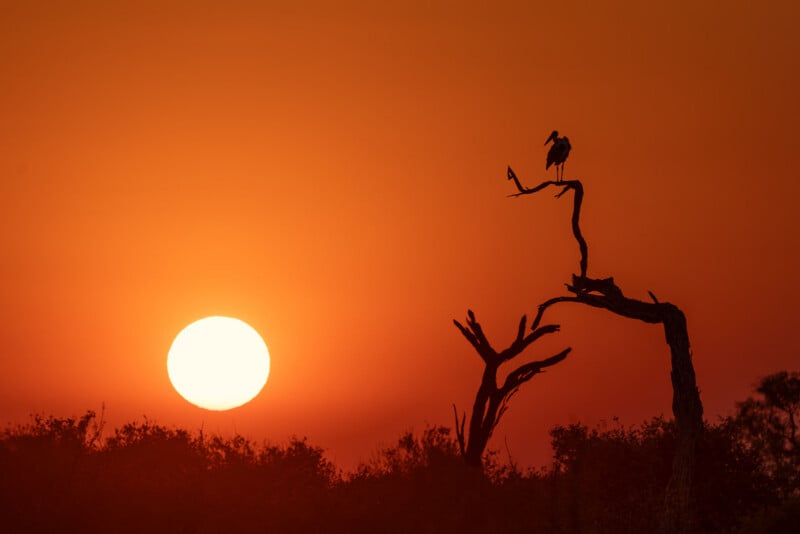
In contrast, elite competitions operate on meritocratic, non-quota systems. In these environments, the lack of an obligation to fill a space forces judges to curate based on innovation. Analysis of successful submissions over the last three years shows a clear trend: the most highly regarded images are those that challenge the viewer’s perception of the subject. Whether through wide-angle environmental portraits or unconventional lighting, the "different and unique" approach is currently the only reliable path to recognition.
Implications for the Future of Nature Photography
The future of the craft lies in the synthesis of human vision and machine capability. As the camera continues to handle the "capture" phase with increasing efficiency, the photographer must shift their focus to the "creation" phase. This requires a deeper understanding of animal behavior, light conditions, and composition, rather than a reliance on the camera’s internal autofocus and burst-rate capabilities.
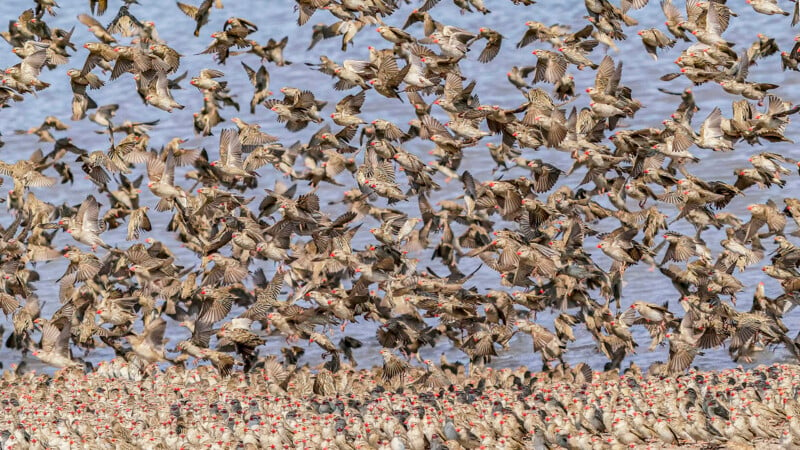
The primary implication for the industry is that the value of professional wildlife photography will no longer reside in the rarity of the capture, but in the originality of the perspective. As equipment manufacturers continue to push the boundaries of automated performance, the responsibility of the photographer to provide human-centric artistic direction becomes paramount.
For the modern practitioner, the challenge is clear: technology has made the "what" of photography easier than ever before. The "how"—the artistic decision-making process—remains the final, insurmountable frontier that separates a record of an animal from a work of art. The transition from capturing a subject to creating an image is not just an aesthetic upgrade; it is a necessary evolution for the survival and relevance of the art form in the digital age.
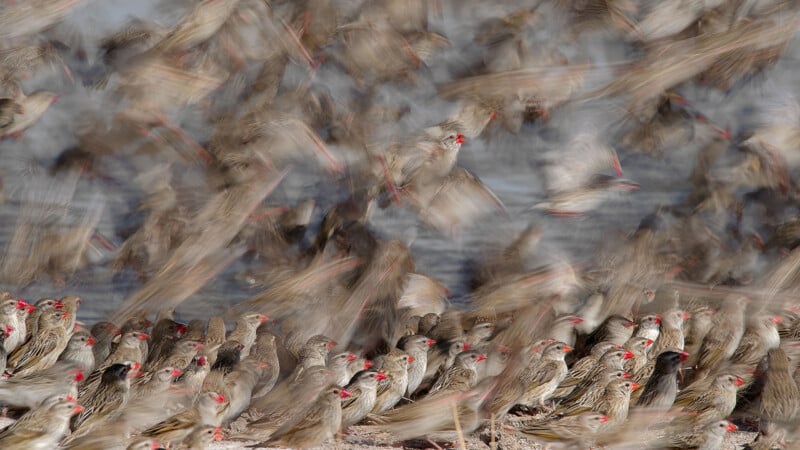
As the market becomes saturated with technically flawless images, the photographers who succeed will be those who resist the urge to rely on automation and instead use their cameras to interpret the natural world in ways that cameras—regardless of their processing power—cannot do on their own. The lens is no longer the final arbiter of quality; the mind behind the viewfinder is.

