


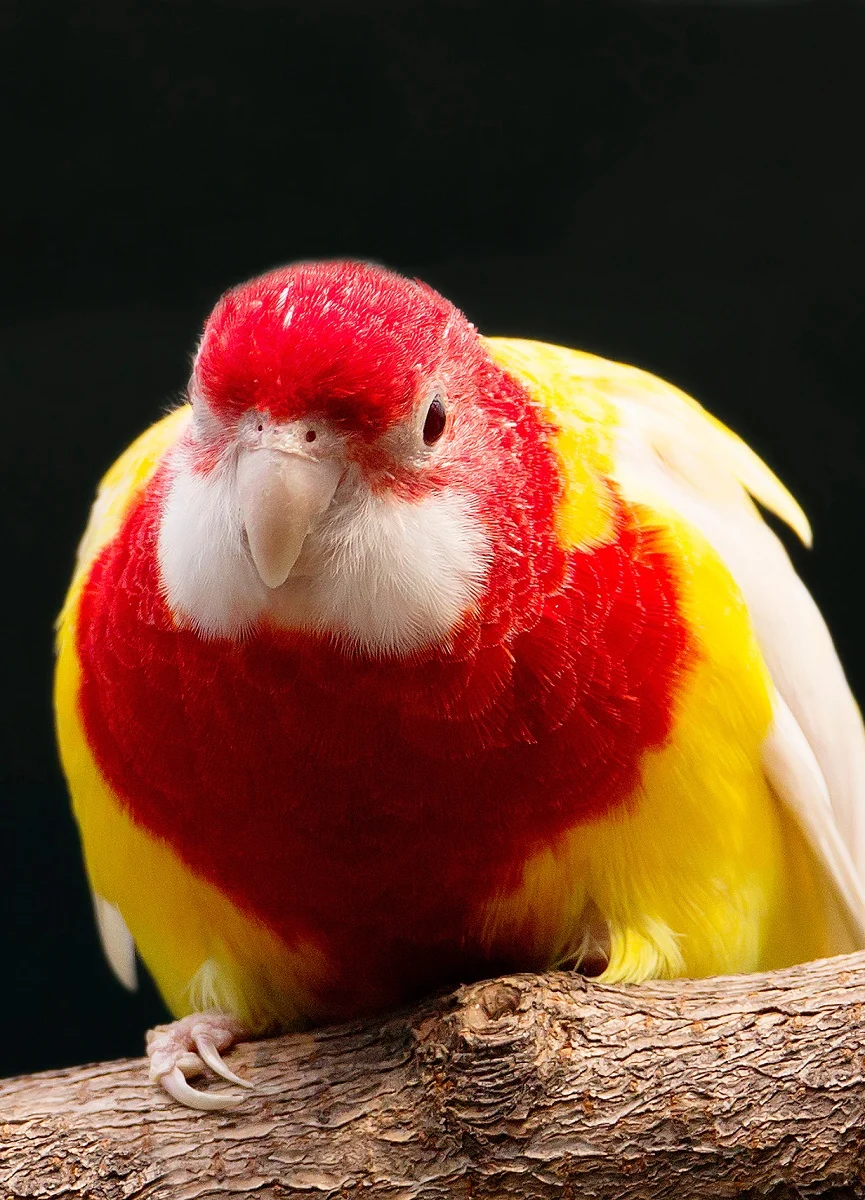
The eastern rosella, scientifically classified as Platycercus eximius, stands out as one of the most vividly colored and recognizable parrot species native to the Australian continent. While it is not among the largest members of the parrot family—typically measuring around 30 centimeters (12 inches) in length and weighing roughly 100 grams—its striking plumage makes it exceptionally difficult to overlook. Characterized by a brilliant red head and chest, contrasting white cheeks, a yellow-green belly, scalloped yellow-green and black wings, and a long blue-green tail, the eastern rosella has captured the attention of ornithologists, birdwatchers, and aviculturists alike. Beyond its visual appeal, the species has secured a prominent place in the global pet trade, largely credited to its lively, friendly demeanor and moderate vocalization levels compared to larger, louder parrot species.
Natural History, Geographic Distribution, and Taxonomy
Endemic to eastern and southeastern Australia, the natural habitat of the eastern rosella spans New South Wales, Victoria, Tasmania, and parts of southeastern South Australia. Within these regions, the birds predominantly inhabit lightly wooded areas, open forests, forest edges, eucalyptus groves, and agricultural lands, frequently utilizing environments modified by human activity. They generally thrive at moderate altitudes up to 1,250 meters (4,100 feet) and show a distinct preference for zones with reliable access to fresh water and abundant rainfall.
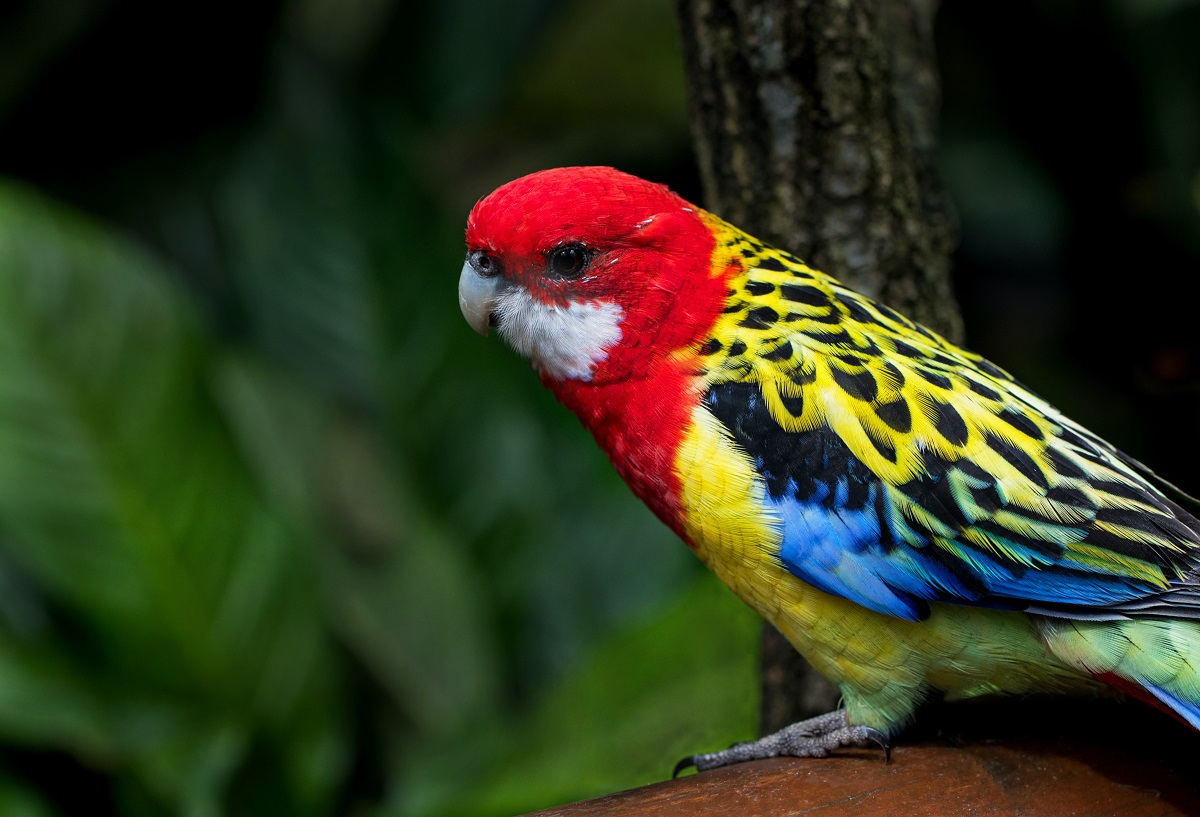
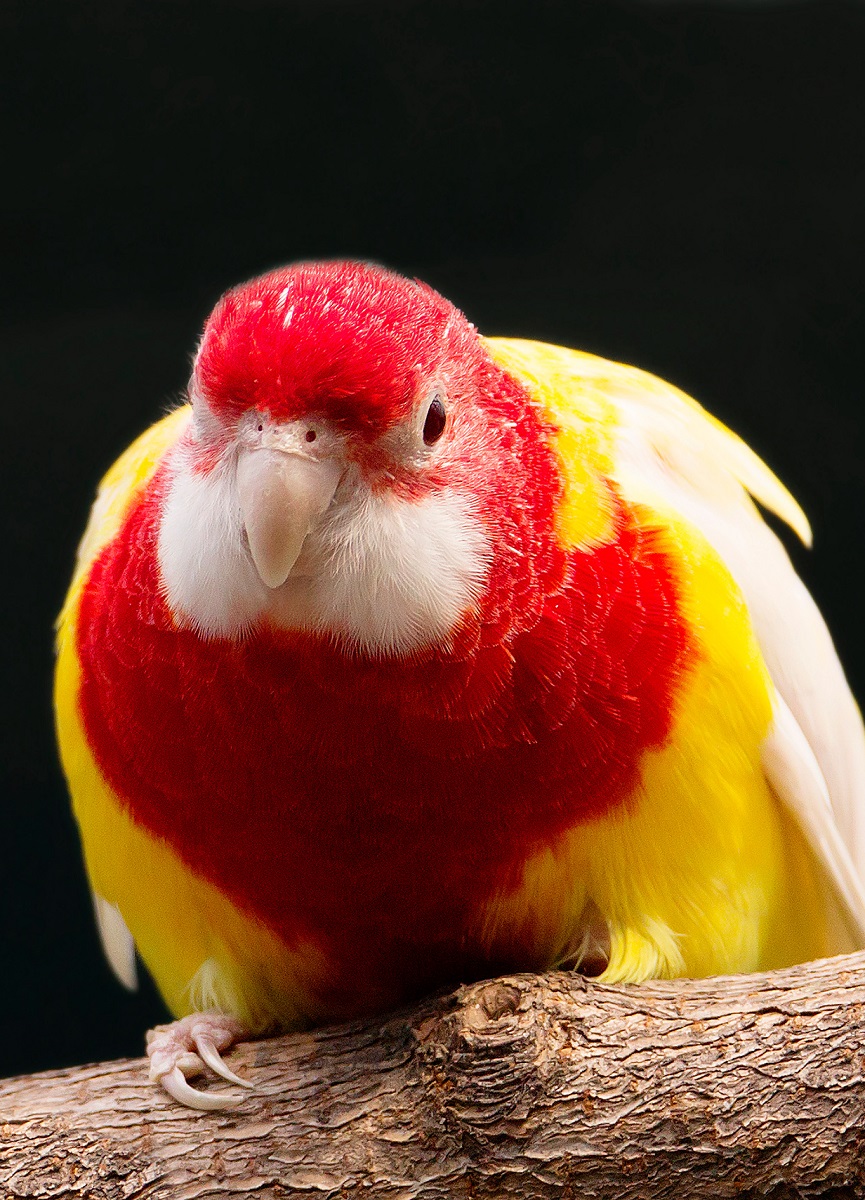
Ornithologically, Platycercus eximius is divided into distinct subspecies, each exhibiting subtle geographic and morphological variations. Juveniles display a more muted color palette compared to adults, featuring a yellowish beak that transitions to white following their first major molt, which typically occurs between two and six months of age. Furthermore, selective breeding programs within the aviculture industry have successfully established various color mutations, most notably the "Rubino" morph, which trades the classic blue, green, and black markings for a striking combination of red, yellow, and white. Hybridization is also documented in the wild and in captivity, where the eastern rosella occasionally interbreeds with closely related species such as the crimson rosella (Platycercus elegans) and the pale-headed rosella (Platycercus adscitus), producing visually distinctive offspring.
Introduction and Global Distribution Beyond Australia
While firmly rooted in Australian ecosystems, the eastern rosella has established notable feral populations outside its native range, most prominently in New Zealand. Introduced during the late 19th and early 20th centuries—largely through accidental escapes from captivity and, in some instances, intentional releases following import refusals by regulatory authorities—the species successfully adapted to the New Zealand landscape. Today, feral populations are well-established in regions such as the North Island and parts of the South Island, including Dunedin and the surrounding Otago countryside. Ecological studies indicate that these introduced populations coexist with native fauna, though local agricultural and horticultural sectors monitor them closely due to their propensity to forage in cultivated fields.
Dietary Habits and Agricultural Conflict
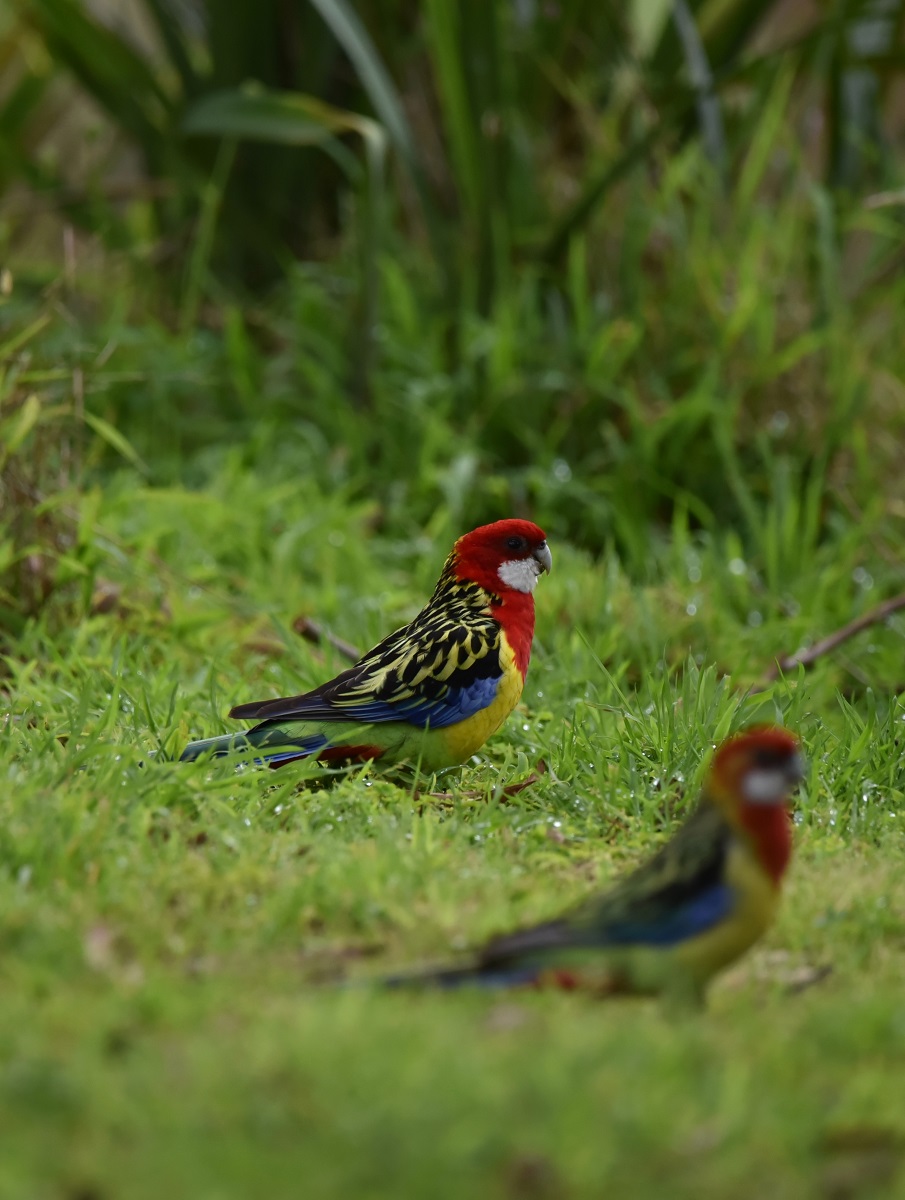
In the wild, the eastern rosella maintains an omnivorous diet centered primarily on grass seeds, thistle seeds, tree buds, blossoms, berries, and various fruits. Field research indicates that the species also incorporates insects and larvae into its diet, particularly during the breeding season when nutritional demands are heightened.
This dietary adaptability, however, has historically placed the eastern rosella at odds with agricultural interests. Since European settlement in Australia, the species has frequently been categorized as an agricultural pest due to its habit of raiding orchards, grain crops, and newly sown fields. Consequently, commercial fruit growers and farmers have long sought population management solutions. While the eastern rosella is protected under various state and federal wildlife conservation laws, agricultural departments in several jurisdictions issue specialized control permits. These permits allow landholders to cull rosellas under strict regulatory oversight, provided they can demonstrate tangible economic damage to crops and the exhaustion of non-lethal deterrents such as netting or acoustic repellers.
Conservation Status and Population Trends
Despite localized conflicts with agriculture, the broader conservation outlook for the eastern rosella remains stable. The International Union for Conservation of Nature (IUCN) classifies Platycercus eximius as a species of Least Concern. Global population assessments indicate that the species maintains a wide natural distribution range and stable or even increasing population trends. Ironically, landscape modifications such as wide-scale deforestation for agriculture have inadvertently benefited the species by expanding open foraging grounds and creating an abundant, reliable food supply through cultivated crops.
Avicultural Care, Husbandry, and Domestic Management
Globally, the eastern rosella is widely kept as an aviary bird and, increasingly, as an indoor companion. Experienced bird keepers note that while well-socialized rosellas can be playful, curious, and interactive, their inherently territorial nature means they generally do not mix well with smaller, docile aviary species like budgerigars.
In a domestic setting, maintaining the health and longevity of an eastern rosella—which can live between 20 and 30 years—requires careful attention to nutrition, housing, and mental enrichment. Modern veterinary standards, supported by avian specialists, emphasize that a diet restricted purely to seeds is nutritionally inadequate. A balanced captive diet should feature a foundation of high-quality formulated pellets, supplemented daily with fresh leafy green vegetables, root vegetables, and moderate amounts of seasonal fruit. Additional dietary enrichment can include sprouted seeds, cooked whole grains, and occasional protein sources such as boiled eggs or freeze-dried insects.
Housing requirements dictate that captive rosellas need substantial physical space to prevent obesity and psychological distress. Avian welfare guidelines recommend enclosures with a minimum length of one meter (40 inches) to allow for adequate flight and wing-stretching, utilizing bar spacings no greater than 1.25 centimeters (0.5 inches) for safety. Because these birds possess high intelligence, dedicated mental stimulation—including foraging toys, untreated wooden perches, and puzzle feeders—is essential to prevent behavioral abnormalities such as feather plucking.
Vocalization and Human Interaction
In terms of acoustics, the eastern rosella is often favored by urban pet owners due to its relatively low noise level compared to larger parrot species such as cockatoos or macaws. Their vocal repertoire typically consists of soft whistles, chatters, and musical cheeps rather than piercing flock calls, making them suitable for apartment living under most circumstances. While they are not recognized among the premier talking parrots, individual birds can occasionally learn to mimic household sounds, short tunes, or a limited vocabulary through consistent, patient training.
Ultimately, whether observed in the open eucalyptus woodlands of southeastern Australia, navigating agricultural landscapes, or kept as a long-lived companion in a home aviary, the eastern rosella remains a testament to the remarkable evolutionary success and visual splendor of Australasian psittacines.

