


Identifying whether a pet bird is experiencing a medical emergency or simply vocalizing requires a nuanced understanding of avian physiology and behavior. For the average bird owner, the sudden emergence of a clicking, wheezing, or raspy sound can be a source of significant anxiety. While many sounds produced by parrots and other companion birds are entirely normal expressions of their personality or comfort, others serve as critical indicators of underlying respiratory dysfunction. Distinguishing between these scenarios is not merely a matter of observation; it is a vital skill that can dictate the difference between proactive care and a life-threatening crisis.
The Physiology of Avian Sound Production
To differentiate between a voluntary noise and a clinical symptom, one must first understand how birds produce sound. Unlike mammals, which utilize a larynx, birds possess a syrinx located at the base of the trachea. This structure allows for the complex vocalizations, mimics, and whistles that define avian communication. When a bird is healthy, its respiratory cycle—consisting of inspiration and expiration—is typically silent.
Clinical observations from avian specialists suggest that sounds synchronized with the breathing rhythm, particularly while the bird is at rest, warrant immediate veterinary scrutiny. A rhythmic "click" or "tick" that occurs consistently with each breath suggests an obstruction or inflammation within the respiratory tract, such as the trachea or air sacs. Conversely, sounds that change in pitch, cadence, or intensity in response to environmental stimuli—such as a human voice or a new toy—are likely intentional vocalizations.
Establishing a Diagnostic Timeline
For owners concerned about new or persistent noises, the establishment of a chronological log is essential. A sudden onset of raspy breathing that coincides with exposure to environmental irritants—such as aerosol sprays, non-stick cookware fumes (PTFE toxicity), or household cleaning agents—suggests an acute environmental reaction. In contrast, a subtle, progressive change in a bird’s vocal quality over several weeks may point toward chronic conditions such as aspergillosis, a fungal infection common in captive birds, or metabolic issues like hypovitaminosis A, which weakens the mucosal linings of the respiratory system.
When documenting these occurrences, owners should note the specific context. A bird that exhibits a momentary squeak immediately after drinking may simply be clearing its choana (a slit in the roof of the mouth). However, if that same sound persists for minutes after the activity has ceased or occurs while the bird is motionless on its perch, the probability of a mechanical or infectious obstruction increases significantly.
Categorizing Abnormal Respiratory Sounds
Veterinary data indicates that respiratory disease is one of the most common presenting complaints in avian medicine. The following classifications help owners organize their observations for professional consultation:
- Rhythmic Clicking: Often described as a "tick" or "pop," this sound, when tied to the breathing cycle, is a primary red flag. It may indicate air sac inflammation or the presence of foreign material in the upper respiratory tract.
- Wheezing or High-Pitched Airflow: These sounds often suggest a narrowing of the airway. In budgerigars specifically, research has noted that an enlarged thyroid gland can compress the trachea, leading to audible, strained breathing.
- Voice Changes: A bird that suddenly sounds "hoarse" or "wet" is likely experiencing localized inflammation of the syrinx or surrounding tissues. This is frequently linked to upper respiratory infections caused by bacteria, fungi, or viruses.
The Fallacy of Normal Behavior
One of the most dangerous misconceptions in avian care is the belief that if a bird is eating, playing, and socializing, it cannot be suffering from a significant respiratory ailment. Birds are evolutionarily predisposed to hide signs of illness to avoid predation; by the time a bird demonstrates obvious lethargy or fluffed feathers, the condition may be advanced.
Analysis of clinical outcomes shows that birds often maintain a facade of normalcy long after the initial onset of respiratory irritation. Owners should look for subtle indicators of diminished stamina: a bird that takes longer to recover after a flight, one that chooses to nap more frequently than usual, or one that exhibits "tail bobbing"—a rhythmic vertical movement of the tail caused by the extra effort required to breathe.
Environmental and Clinical Triggers
The intensity of a respiratory sound can often be amplified by physiological stress. Just as human breathing quickens and becomes more audible after exertion, a bird’s respiratory rate will increase during flight, handling, or periods of high stress. A sound that is barely audible while the bird is sleeping may become prominent when the bird is active. The critical diagnostic test is the recovery period: a healthy bird should return to silent, rhythmic breathing within a few minutes of returning to a state of rest. If the wheezing or clicking continues unabated after the bird has calmed down, it is an indicator of pathology rather than exertion.
Emergency Protocols
When a bird exhibits clear signs of respiratory distress—such as open-mouth breathing while at rest, extreme lethargy, the inability to remain perched, or visible gasping—the situation has transitioned from an observational concern to an emergency. In these instances, the priority is to minimize stress.
- Limit Handling: Avoid unnecessary restraint, as this can further deplete the bird’s limited oxygen reserves.
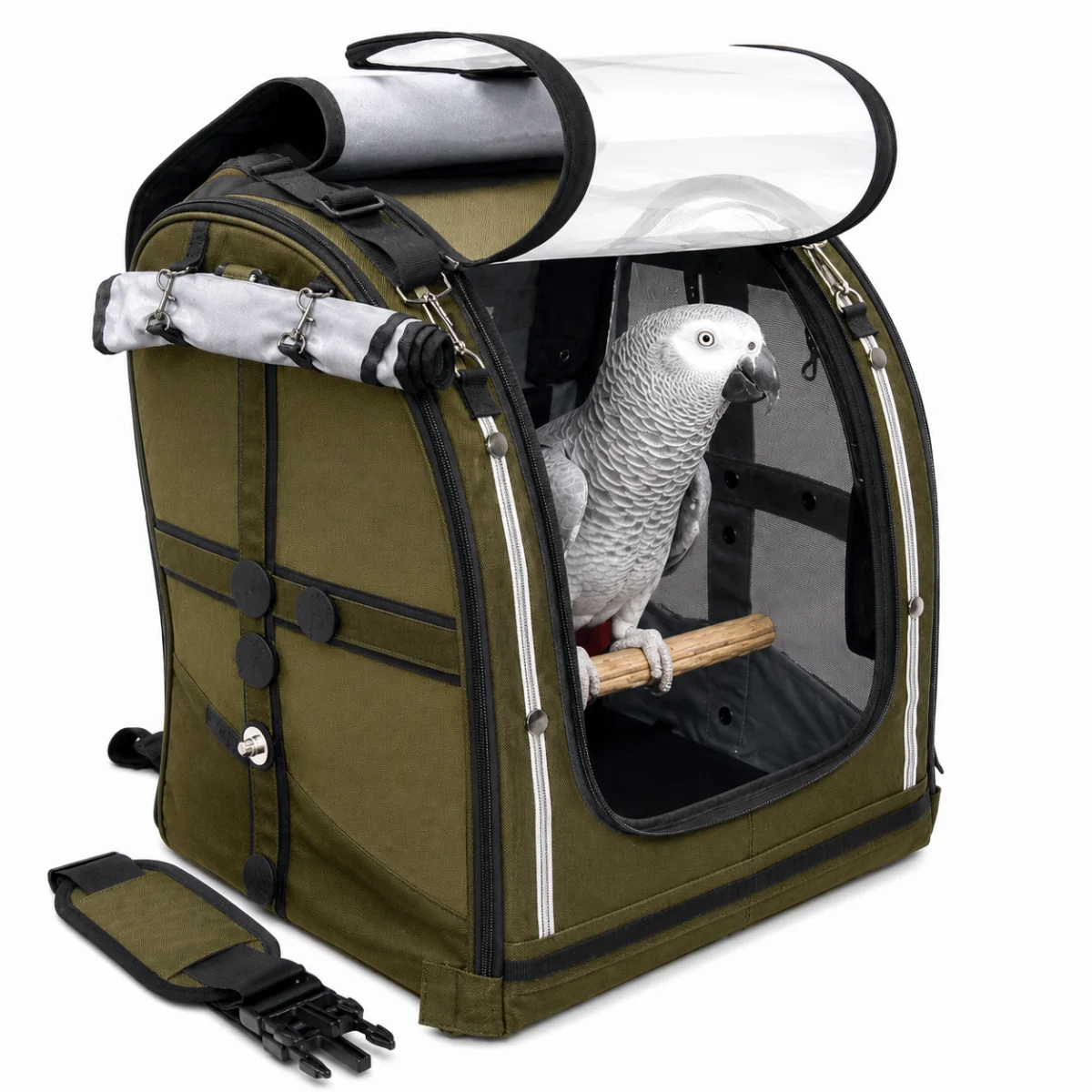
- Stabilization: Place the bird in a secure, pre-warmed carrier.
- Professional Intervention: Contact an avian-certified veterinarian immediately. If a specialized avian facility is unavailable, contact a 24-hour emergency clinic and clearly state that the patient is an avian species experiencing respiratory distress. This allows the staff to prepare appropriate equipment, such as oxygen support or nebulization units, prior to arrival.
Broader Impact and Veterinary Perspectives
The implications of ignoring minor respiratory sounds can be severe. Respiratory infections in birds are rarely self-limiting; they tend to progress, affecting the efficiency of gas exchange in the lungs and air sacs. Because the avian respiratory system is highly efficient and delicate, even minor inflammation can lead to rapid systemic decline.
Furthermore, the prevalence of environmental toxins in modern homes—specifically those related to cooking fumes and volatile organic compounds (VOCs)—has increased the incidence of respiratory irritation. Many owners remain unaware that standard household items, such as scented candles, incense, or self-cleaning ovens, can cause immediate and lasting damage to the sensitive avian respiratory epithelium.
Data-Driven Monitoring for Better Outcomes
To facilitate a more accurate diagnosis, modern veterinary practices encourage the use of technology. A high-quality, short video recording of the bird while it is exhibiting the sound—captured while the bird is unaware of the owner—is often more valuable to a veterinarian than a physical demonstration in the exam room. This allows the specialist to observe the bird’s posture, the rhythm of the breathing, and the specific cadence of the noise without the confounding factor of "vet visit" stress.
In summary, the presence of an unusual sound in a bird should be treated as a signal for investigation rather than an immediate diagnosis. By combining careful observation of the breathing rhythm, a record of the duration and context of the sound, and an awareness of the bird’s overall activity levels, owners can provide essential data that allows for early and effective veterinary intervention. While not every click or squeak signifies a terminal illness, the ability to recognize when these sounds deviate from the norm is an indispensable component of responsible avian stewardship. Through vigilance and prompt consultation with qualified professionals, the long-term health and respiratory wellness of companion birds can be significantly improved, ensuring that these intelligent creatures lead full, active lives.

