


Respiratory disease stands as the most prevalent and significant health challenge facing the domestic rat (Rattus norvegicus) population. Veterinary data consistently indicates that upper and lower respiratory infections are the leading cause of morbidity among these small mammals. At the center of this medical challenge is Mycoplasma pulmonis, a highly contagious bacterium that resides within the respiratory tract of virtually all pet rats. While the presence of this pathogen does not guarantee clinical disease, it serves as the foundational catalyst for murine mycoplasmosis, a condition that can progress from mild respiratory distress to severe, irreversible pulmonary or systemic complications.
The clinical trajectory of respiratory illness in rats is often insidious. Because rats are prey animals, they possess a biological predisposition to mask signs of illness until a condition has reached a critical stage. Consequently, owners often witness a rapid deterioration in health, which can lead to life-threatening complications such as pneumonia, chronic obstructive pulmonary disease, and secondary congestive heart failure.
The Pathophysiological Basis of Mycoplasmosis
Mycoplasma pulmonis is a specialized bacterium that lacks a cell wall, allowing it to adhere to the epithelial cells of the host’s respiratory tract. In a healthy, stress-free environment, a rat’s immune system may keep the bacterial load in check, allowing the animal to live a full lifespan without overt symptoms. However, environmental stressors, poor air quality, or genetic predisposition can trigger a flare-up.
When the immune system is compromised, the bacteria proliferate, causing inflammation, excess mucus production, and structural damage to the lungs. Once the respiratory lining is breached, secondary bacterial invaders—such as Streptococcus pneumoniae—often colonize the weakened tissue, exacerbating the condition and transforming a manageable infection into a medical emergency.
Clinical Indicators and Symptomatology
The early detection of respiratory distress is paramount for successful treatment. Veterinary professionals emphasize the importance of monitoring for porphyrin, a red-pigmented secretion produced by the Harderian gland located behind the eyes. While a small amount of porphyrin during grooming is normal, excessive accumulation around the nares or eyes often signals systemic stress or infection.
The progression of symptoms typically follows a distinct chronology:
- Initial Phase: Occasional sneezing, slight porphyrin discharge, and minor behavioral changes, such as reduced activity levels.
- Intermediate Phase: Audible respiratory sounds, including clicking, rattling, or wheezing. The rat may exhibit "bruxing" (grinding of teeth) or "boggling" (eye bulging) in response to discomfort.
- Advanced Phase: Obvious labored breathing (dyspnea), characterized by the use of abdominal muscles to breathe, gasping, lethargy, loss of appetite, and a hunched posture. In cases involving middle or inner ear involvement, neurological signs such as head tilting, circling, or loss of balance may occur.
Veterinary intervention must be sought immediately upon the detection of audible respiratory sounds. Delaying treatment during the intermediate phase significantly decreases the efficacy of antibiotic therapy, as the infection can rapidly settle into the deeper lung tissues.

The Role of Genetics and Early Life Exposure
The prevalence of respiratory disease is heavily influenced by the source of the animal. Rats sourced from high-volume, commercial "feeder" breeders or pet stores are frequently raised in substandard conditions characterized by overcrowding and poor ventilation. These environments facilitate the rapid transmission of pathogens and induce chronic stress, which suppresses the developing immune system.
Ethical breeding programs focus on selectively breeding for stronger immune resilience and lower susceptibility to Mycoplasma flares. Prospective owners are encouraged to prioritize adoption from specialized rescue organizations. These entities often implement robust quarantine protocols and veterinary health screenings, which mitigate the risk of introducing latent pathogens into an existing colony.
The Critical Necessity of Quarantine Protocols
The introduction of a new rat into an established group poses a significant epidemiological risk. Because many infections are asymptomatic, a mandatory quarantine period is the industry standard for responsible animal husbandry.
A quarantine must occur in a separate, isolated airspace for a minimum of 14 days. Simply placing animals in different rooms within the same house is often insufficient, as viral particles and bacteria can be transmitted via central heating and air conditioning systems. During this period, the caretaker should monitor for:
- Sneezing or abnormal respiratory sounds.
- Excessive scratching or skin lesions (potential indicators of mites or lice, which act as immunosuppressants).
- Changes in appetite or fecal consistency.
If an illness is identified, the animal must receive a full course of veterinary-prescribed antibiotics and remain symptom-free for a sustained period before integration. Furthermore, individuals handling quarantined animals must follow strict sanitation procedures, including changing clothing and performing thorough hand-washing to prevent cross-contamination.
Environmental Management and Risk Mitigation
Beyond infectious agents, environmental factors are the primary triggers for respiratory flare-ups. Domestic rats are exceptionally sensitive to airborne particles and chemical irritants.
Bedding and Substrate Selection: The use of cedar or pine shavings is strongly discouraged by the veterinary community. These woods contain high concentrations of phenols and aromatic hydrocarbons that are toxic to rodent livers and respiratory linings. Paper-based or kiln-dried aspen alternatives are generally considered safer, though owners must monitor their specific animals for sensitivities.
Air Quality and Sanitation: Ammonia buildup from urine is a major respiratory irritant. Cages must be designed for maximum airflow and subjected to a rigorous cleaning schedule. Furthermore, common household products—such as aerosol sprays, scented candles, cleaning agents with strong chemical odors, and tobacco or fireplace smoke—can induce severe bronchospasms in rats.
Stress Reduction: Chronic stress triggers the release of cortisol, which suppresses immune function. A stable social environment, access to hiding spaces, and a consistent routine are essential for maintaining immunological health. Conflicts between cage mates, sudden changes in environment, or the presence of predatory pets (such as cats or dogs) can induce enough stress to initiate a clinical respiratory infection in a previously healthy animal.
The Economic and Emotional Impact on Ownership
The long-term management of chronic respiratory disease represents a significant commitment for pet owners. In many cases, rats require intermittent or long-term antibiotic therapy, such as enrofloxacin or doxycycline, often in combination. Veterinary costs for diagnostic imaging (such as radiographs) and ongoing consultations can be substantial.
The unpredictability of the condition also takes an emotional toll. Because rats are adept at hiding their pain, owners often face the difficult reality of sudden, acute illness in an animal that appeared healthy only hours prior. Consequently, maintaining a proactive relationship with an exotic animal veterinarian is a fundamental aspect of responsible guardianship.
Conclusion and Future Outlook
While a universal cure for Mycoplasma pulmonis does not currently exist, the prognosis for pet rats has improved significantly through advances in veterinary pharmacology and a better understanding of environmental management. The mitigation of respiratory disease relies on a multi-faceted approach: sourcing animals from ethical environments, adhering to strict quarantine procedures, minimizing exposure to airborne toxins, and providing a stress-reduced living environment.
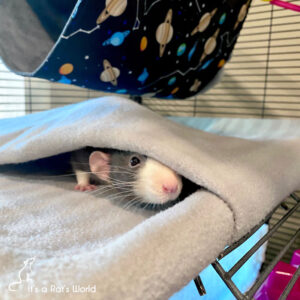
By focusing on these preventative measures, owners can effectively extend the lifespan of their pets and ensure that the inevitable presence of Mycoplasma remains a latent, non-clinical factor rather than a source of chronic suffering. As public awareness grows, the transition toward higher standards of care continues to be the most effective tool in managing the health of the domestic rat population.

