


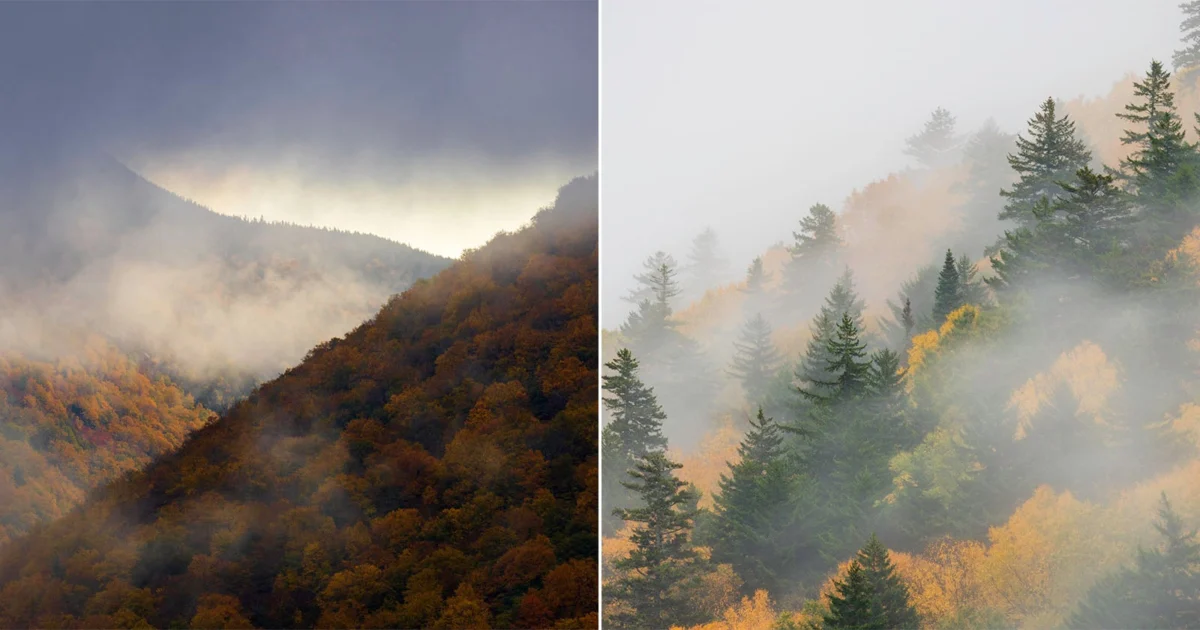
The landscape photography genre is currently undergoing a significant shift in technical preference, as professional photographers increasingly favor telephoto focal lengths over the traditional wide-angle standard. During the peak of the autumn foliage season in New England, recent field data indicates that many practitioners are opting for narrow fields of view to isolate specific elements of the natural environment, moving away from the expansive, wide-angle panoramas that have defined the discipline for decades.
Evolution of Landscape Gear Trends
For much of the 20th and early 21st centuries, the "landscape lens" was synonymous with wide-angle glass, typically ranging from 16mm to 35mm. The objective was to capture the grandeur of vast vistas, including expansive foregrounds and sweeping skies. However, as camera sensors have increased in resolution—exemplified by high-performance models like the Sony a7R VI—the utility of high-end telephoto lenses has become more apparent.
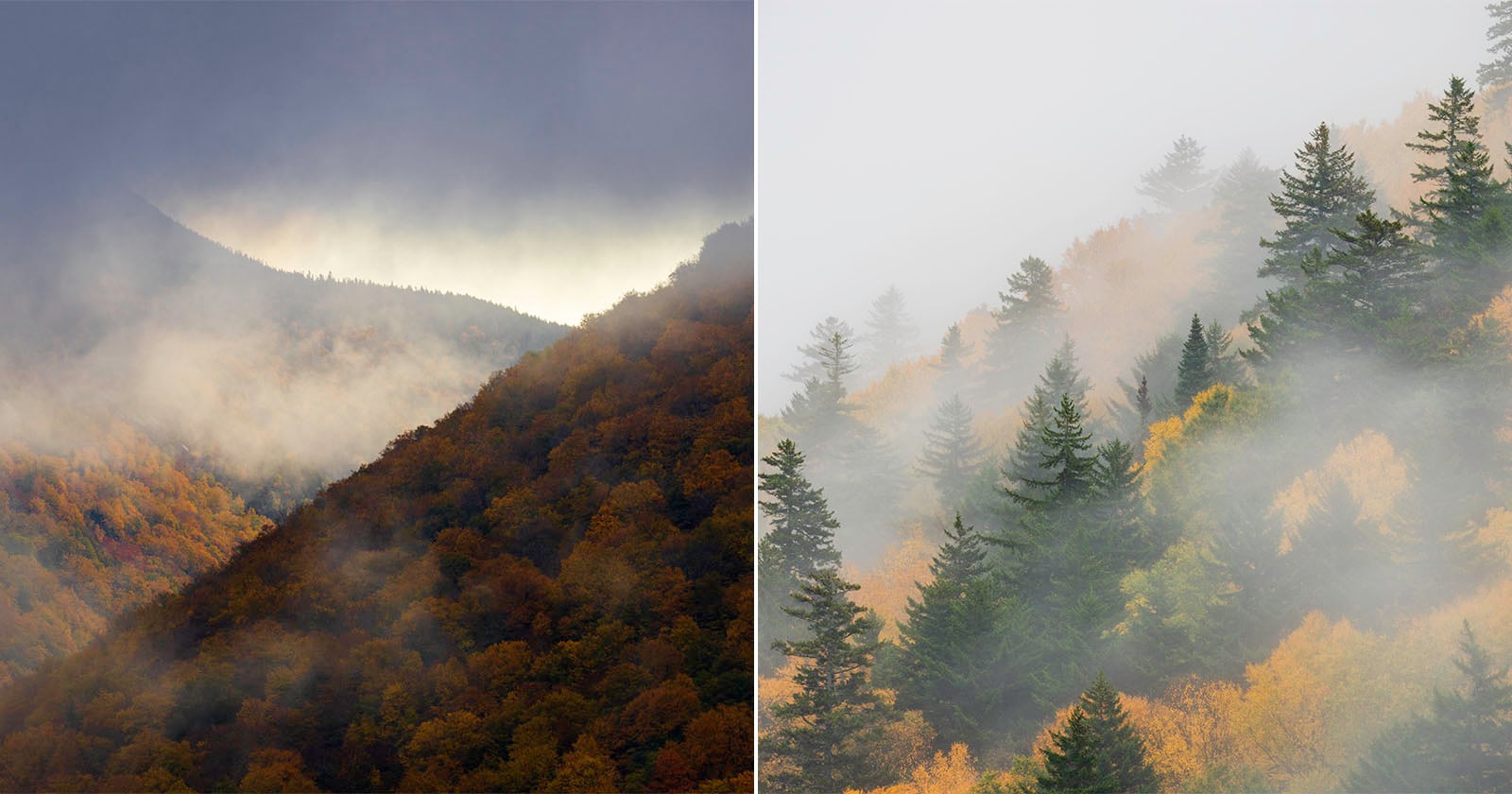
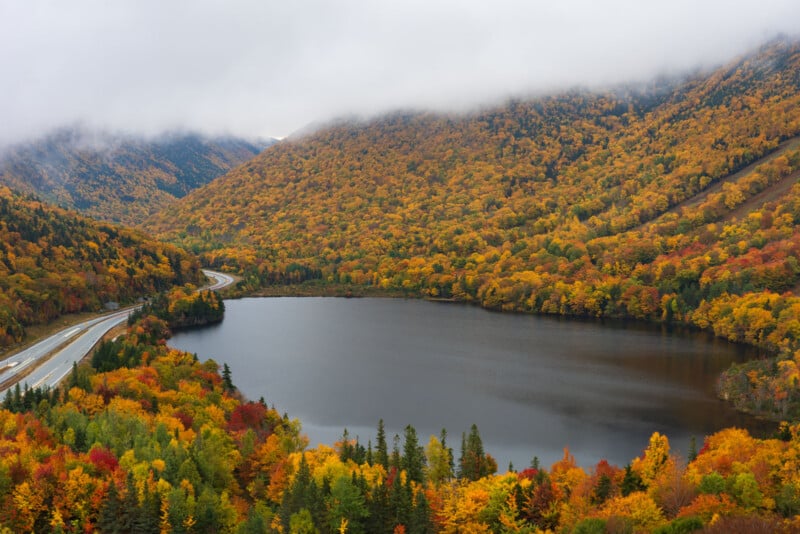
Recent field tests conducted in New Hampshire’s White Mountains demonstrate this transition. In a controlled observation of a single photographic excursion, a significant disparity was recorded in focal length utilization. Out of 20 high-quality images selected for post-processing, 80% were captured using a 400mm prime lens, while only 20% utilized a standard zoom range (24-105mm). This trend suggests that modern photographers are prioritizing compression and subject isolation over the inclusion of broad environmental context.
Chronology of a Field Study
The photographic expedition began at 3:00 AM on a Saturday, targeting the popular Artists Bluff overlook in Franconia Notch State Park. The timing was selected to coincide with peak sunrise illumination, a critical window for landscape photography.
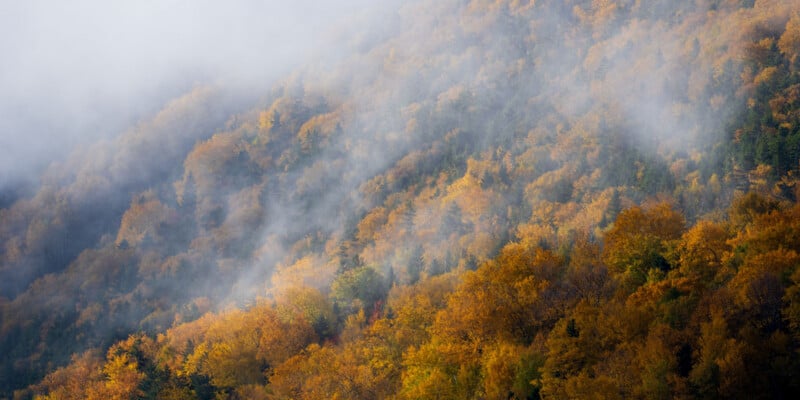
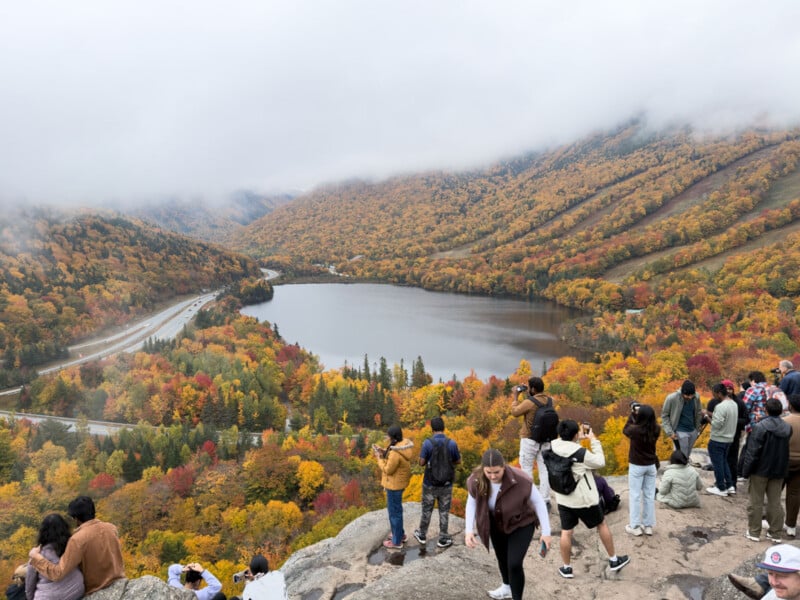
The site, known for its high density of visitors, presented a logistical challenge for wide-angle photographers. Wide perspectives often necessitate the inclusion of distracting human elements, such as fellow hikers, signage, or infrastructure, which can detract from the aesthetic purity of a natural scene. By employing a 400mm focal length, photographers were able to effectively crop out the crowded observation decks and surrounding hikers, focusing instead on the textures and light play occurring on distant, inaccessible mountain ridges. This technique allowed for a controlled, intimate study of the foliage and mist that would have been lost in an ultra-wide composition.
Technical Advantages of Telephoto Compression
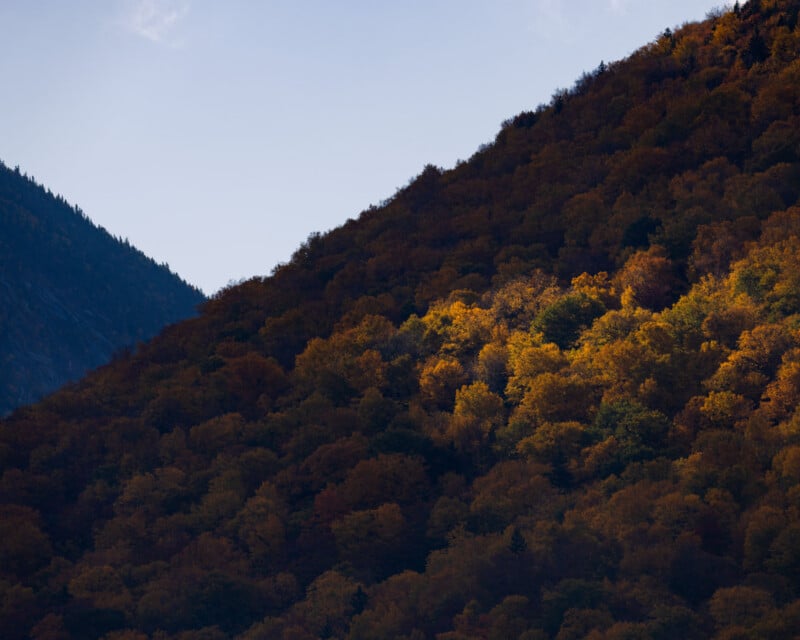
The shift toward telephoto lenses is supported by several distinct technical and artistic advantages. First, the phenomenon of "telephoto compression" makes distant objects appear closer to one another, effectively flattening the depth of the image and creating a more layered, abstract aesthetic. This is particularly effective during autumn, when variations in foliage color can be layered upon one another to create a dense, mosaic-like appearance.
Second, the use of longer lenses facilitates the "simplification" of complex landscapes. Landscape photography is frequently hampered by the inclusion of excessive, competing elements. A telephoto lens acts as a framing tool, allowing the photographer to excise cluttered foregrounds—which are often difficult to compose effectively—and focus on high-impact subjects like a lone stand of trees, a specific rock formation, or the interplay of fog and light across a valley.
Economic and Practical Implications
The market for high-performance telephoto lenses remains robust, reflecting this change in creative strategy. Equipment like the Sony FE 400mm f/4.5 GM OSS has garnered significant attention for its balance of weight and optical fidelity. At approximately 994 grams, it represents a significant advancement in portability, making it feasible for landscape photographers to hike with telephoto glass that was previously restricted to sports and wildlife specialists.
Industry analysts observe that as the "barrier to entry" for telephoto equipment drops—due to both weight reduction and the availability of secondary markets like KEH—more hobbyist and professional photographers are expanding their kits. This is a departure from the "single-lens" mentality, where a photographer would rely solely on a 24-70mm lens for an entire trip.
Environmental and Crowd Management Factors
The rise in popularity of high-traffic locations, such as Franconia Notch, has necessitated new approaches to composition. As national and state parks report record-breaking attendance numbers, photographers are finding that the "wide-angle view" is becoming increasingly difficult to execute without the interference of tourism.
In a professional capacity, the ability to isolate subjects is not merely an aesthetic choice but a practical one. When a viewpoint is crowded, the telephoto lens serves as a tool for visual isolation, enabling the photographer to produce high-quality work in environments that would otherwise be deemed "unshootable" due to the presence of other visitors. This is a critical development for landscape photographers who aim to maintain the illusion of a pristine, untouched wilderness in an era of increased public access to nature.
The Role of High-Resolution Imaging
The capability to crop into high-resolution imagery has also played a role in this trend. With the Sony a7R VI, which provides significant pixel density, photographers have more flexibility in post-production. If a scene is captured with a slightly wider lens, the sensor resolution allows for significant cropping without a noticeable loss in detail. However, the optical compression of a true telephoto lens cannot be replicated through software, which maintains the primary importance of long-range glass in the photographer’s bag.
Broader Impact on Artistic Direction
The "less is more" philosophy currently gaining traction in the landscape community represents a maturation of the genre. By moving away from the "siren song" of the overwhelming, color-saturated wide-angle shot, photographers are engaging in a more deliberate, analytical process. The focus has shifted from capturing "everything" to capturing the specific qualities of light, texture, and depth that define a particular location.
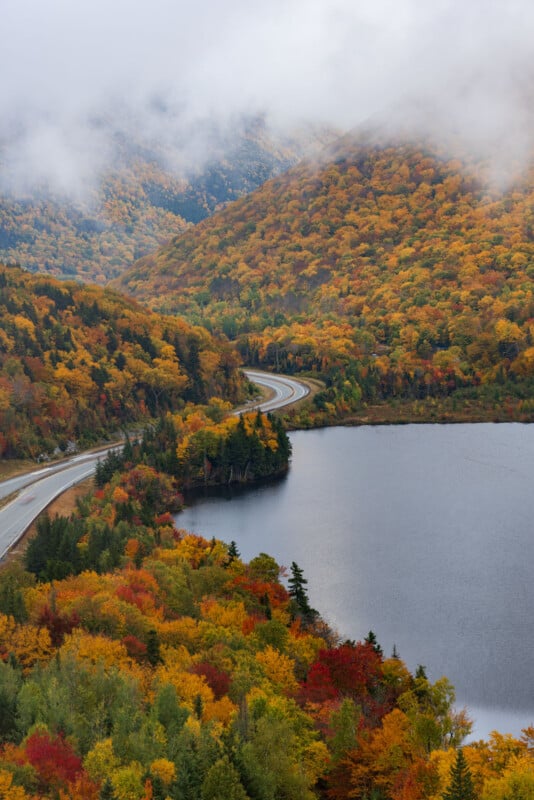
This shift does not suggest that wide-angle photography is becoming obsolete. Rather, it indicates a more nuanced understanding of how different focal lengths serve different narratives. While wide-angle lenses remain essential for architectural and large-scale environmental shots, the telephoto lens has moved from being a niche tool for wildlife to a primary instrument for landscape storytelling.
Recommendations for Future Field Work
For those looking to refine their approach to landscape photography, the following considerations are recommended based on recent industry shifts:
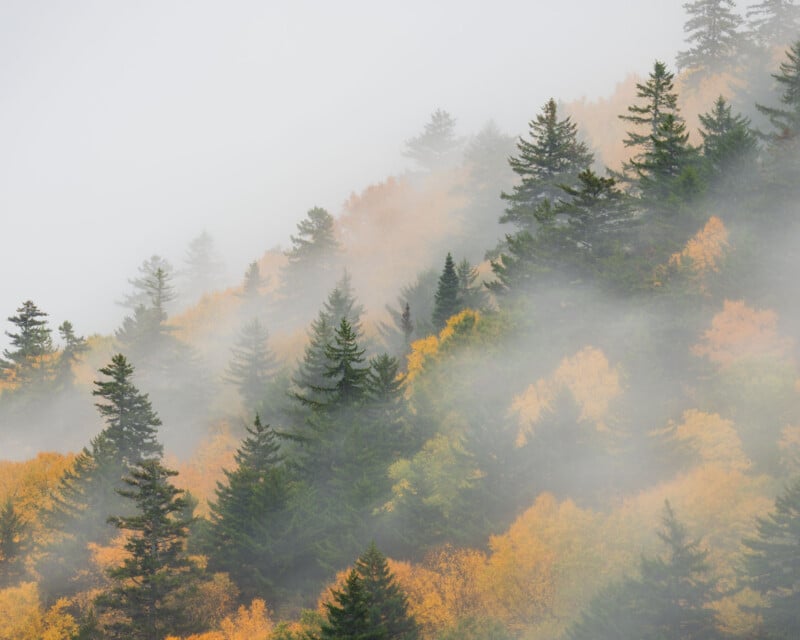
- Prioritize Subject Isolation: Instead of attempting to capture an entire mountain range, identify a specific interaction between light and terrain. Use a telephoto lens to frame only that interaction.
- Utilize Compression: Experiment with how different focal lengths affect the apparent distance between the foreground, mid-ground, and background.
- Minimize Distractions: In high-traffic areas, use a longer focal length to eliminate unwanted elements from the frame, ensuring that the final output remains focused on the natural subject.
- Embrace Experimentation: Professionals often suggest that the "classic" wide-angle landscape is only one of many ways to interpret a scene. Regularly cycling through different lenses during a single outing can prevent visual stagnation.
The current trend toward telephoto landscape photography is a logical response to both the increasing capabilities of modern hardware and the changing realities of field photography. As practitioners seek to distinguish their work in an increasingly saturated visual landscape, the ability to selectively and artistically interpret the environment through long-range glass will continue to be a vital skill. By embracing the discipline of a narrower frame, photographers can move beyond the "picture of pretty things" and into the realm of more intentional, focused, and impactful visual storytelling.

