


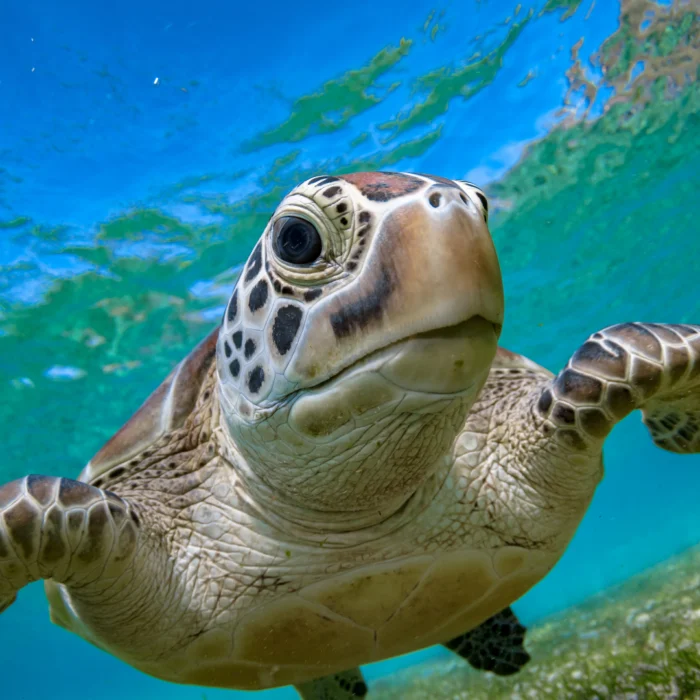
The clinical management of sea turtles represents one of the most complex disciplines in modern wildlife medicine, necessitating a rigorous understanding of both federal regulatory frameworks and specialized physiological care. On July 29, 2026, Dr. Heather Barron, DVM, DABVP (Avian Practice), CertAqV, announced a forthcoming interactive webinar hosted in collaboration with the Wildlife Disease Association. This educational initiative, RACE-approved for one credit hour, aims to provide veterinary professionals with a robust framework for addressing the multifaceted challenges inherent in rehabilitating threatened and endangered marine chelonians.
The Regulatory and Conservation Context
The rehabilitation of sea turtles is governed by an intricate web of state and federal mandates. In the United States, all seven extant species of sea turtles—including the green (Chelonia mydas), loggerhead (Caretta caretta), and the critically endangered leatherback (Dermochelys coriacea)—are protected under the Endangered Species Act (ESA). Consequently, any clinical intervention requires strict adherence to permitting protocols issued by the National Marine Fisheries Service (NMFS) and the U.S. Fish and Wildlife Service (USFWS).
Dr. Barron’s presentation emphasizes that clinical care cannot be decoupled from these conservation obligations. The mortality rates of sea turtles are frequently influenced by anthropogenic factors, such as vessel strikes, plastic ingestion, and entanglement in discarded fishing gear. For the clinician, understanding these external pressures is essential for both triage and long-term release planning. The webinar is designed to bridge the gap between high-level policy and the daily realities of the clinic, ensuring that veterinarians are not only compliant with federal law but are also contributing to the broader goal of population recovery for species categorized under the Cheloniidae and Dermochelyidae families.
Anatomical and Physiological Considerations
Marine chelonians possess unique anatomical structures that necessitate specialized diagnostic and therapeutic approaches. Unlike terrestrial reptiles, sea turtles have adapted to high-pressure, saline environments that dictate their metabolic and cardiovascular profiles. Practitioners must be acutely aware of how these adaptations impact patient stability.
A central focus of the upcoming training involves the management of common pathologies, such as fibropapillomatosis (FP). This disease, which manifests as debilitating tumors, remains one of the most significant obstacles to the rehabilitation of green sea turtles globally. Furthermore, the webinar will delve into the nuances of geriatric care in sea turtles. As environmental stressors compound over decades, older individuals may present with chronic conditions—such as cardiomyopathy or arrhythmias—that require subtle adjustments to anesthetic protocols and analgesic regimens. The distinction between acute trauma recovery and the management of chronic, age-related decline is a critical pedagogical component for the attending veterinarian.
Diagnostic Methodologies and Stress Mitigation
A hallmark of professional wildlife rehabilitation is the ability to obtain high-quality diagnostic data while minimizing patient stress. Dr. Barron’s methodology prioritizes "low-stress" handling techniques. In sea turtles, capture and handling can trigger a physiological stress response that complicates laboratory findings, particularly regarding glucose levels and blood chemistry.
The curriculum covers an exhaustive suite of diagnostics:
- Imaging: Integrating portable radiography and ultrasound to identify internal trauma, gastrointestinal obstructions, or pneumonia.
- Laboratory Testing: Interpreting blood chemistry profiles that account for the unique metabolic rate of reptiles. This includes identifying signs of hypoglycemia or insulinoma-like presentations that are increasingly recognized in captive-held specimens.
- Sample Collection: Standardizing techniques for blood draws and biopsies that ensure accuracy without inducing further physiological collapse in compromised patients.
By refining these diagnostic pathways, veterinary teams can reduce the time a turtle spends in care, thereby increasing the probability of successful reintegration into the wild.
Clinical Interventions: From Stabilization to Recovery
The therapeutic component of the webinar addresses the critical care phase, where fluid therapy and nutritional support form the cornerstone of patient survival. Sea turtles often arrive at rehabilitation facilities in a state of severe dehydration or systemic shock. The administration of fluids—tailored to the species’ osmoregulatory needs—is a primary intervention that necessitates precision.
Nutritional support presents another challenge. Transitioning a severely debilitated turtle from intensive intravenous or subcutaneous support to natural foraging is a delicate process. The webinar will outline evidence-based nutritional protocols designed to restore body condition scores in patients suffering from prolonged starvation or metabolic syndrome. Furthermore, the discussion will cover advanced analgesia and anesthesia. Because sea turtles have slow metabolic rates, drug metabolism differs significantly from mammalian models. The session will review current research on pharmacokinetics to ensure that pain management is both effective and safe for the patient’s renal and hepatic systems.
Industry Implications and Professional Standards
The collaboration between Dr. Barron and the Wildlife Disease Association highlights an industry-wide push to professionalize the standards of sea turtle medicine. Historically, rehabilitation centers operated with varying degrees of oversight and medical sophistication. The integration of RACE-approved (Registry of Approved Continuing Education) training signals a move toward a more standardized, evidence-based approach that benefits both the animals and the veterinary community.
The implications for the field are significant. As climate change continues to impact ocean temperatures—subsequently affecting nesting sites and food availability—the frequency and severity of strandings are expected to rise. Veterinary professionals who are well-versed in the latest diagnostic and therapeutic techniques serve as the primary defensive line against the localized extinction of these species.
Chronology of Rehabilitation Advancements
The evolution of sea turtle medicine over the last decade has been marked by several key shifts:
- 2016-2018: Increased focus on the pathology of fibropapilloma and the development of surgical excision protocols.
- 2019-2021: Greater utilization of remote sensing and satellite tagging to monitor post-release survival, providing clinicians with feedback loops on the success of their rehabilitation efforts.
- 2022-2025: Enhanced integration of multi-disciplinary teams, involving marine biologists, toxicologists, and veterinarians to address complex issues like harmful algal blooms and their neurological effects on sea turtles.
- 2026-Present: A focus on standardized geriatric protocols and the refinement of nutritional support for long-term captive rehabilitation.
Analysis of Current Challenges
While technical proficiency is advancing, the field remains constrained by limited funding and the inherent unpredictability of wildlife rescue. The webinar aims to mitigate these constraints by providing cost-effective diagnostic strategies that do not sacrifice clinical accuracy. Furthermore, the emphasis on "geriatrics" suggests a new frontier in the field; as rehabilitation centers improve their success rates, turtles are living longer in care, necessitating a deeper understanding of chronic disease management.
The inclusion of topics such as insulinoma and cardiovascular health reflects a shift toward internal medicine in reptilian care. As veterinarians gain access to more sophisticated imaging and monitoring equipment, the "black box" of reptile physiology is slowly opening, allowing for interventions that were deemed impossible a decade ago.
Conclusion and Call to Action
The upcoming webinar represents a vital opportunity for practitioners to update their knowledge base in accordance with the latest scientific research. For veterinarians operating in coastal regions, or those interested in conservation medicine, the content provided by Dr. Barron serves as a comprehensive manual for the next generation of sea turtle rehabilitation.
Registration for this event is exclusive to members of LafeberVet.com, ensuring that the participants are engaged in a professional dialogue backed by a commitment to high-standard veterinary care. By aligning regulatory knowledge with clinical precision, the veterinary community can ensure that sea turtles continue to serve as essential indicators of marine ecosystem health. As these animals face increasing anthropogenic pressure, the expertise shared in this webinar will undoubtedly play a critical role in the broader effort to preserve these ancient, essential, and fragile creatures for future generations. Those interested in the technical aspects of fluid therapy, anesthetic safety, and the nuances of chelonian diagnostics are encouraged to review their membership status and register for the session to contribute to the ongoing success of global sea turtle conservation efforts.

