


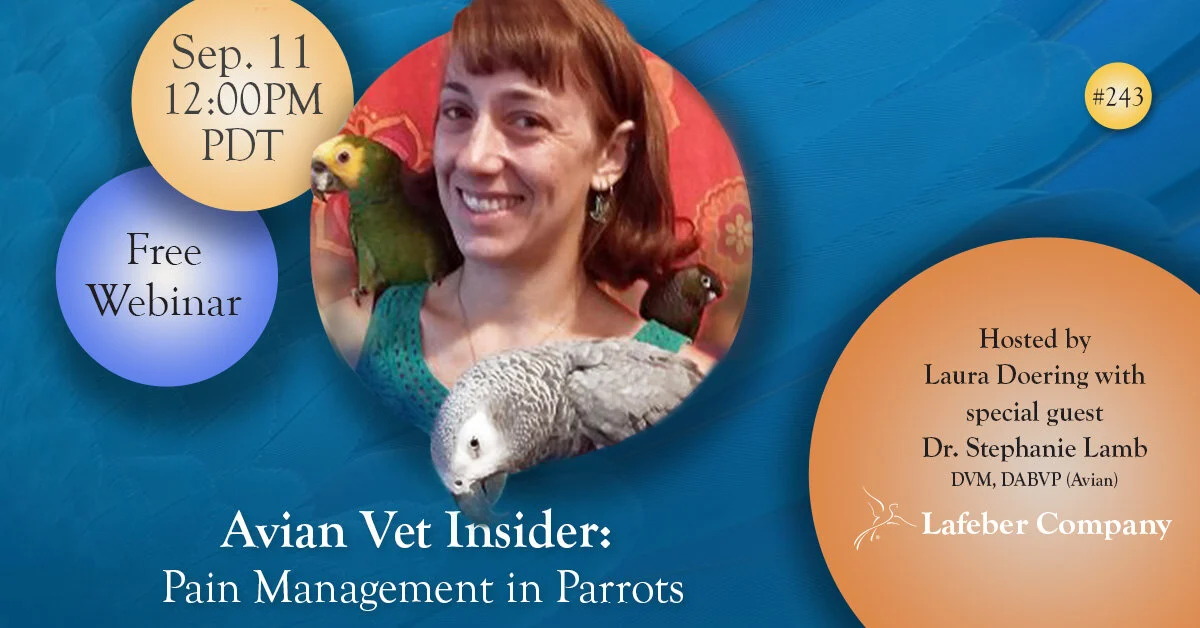
September is internationally recognized as Animal Pain Awareness Month, a period dedicated to increasing clinical knowledge regarding the identification and mitigation of suffering in domestic, agricultural, and exotic species. To mark the occasion, the veterinary community is turning its focus toward one of the most challenging patient populations in avian medicine: parrots. On Friday, September 11, 2026, at 12:00 p.m. PDT, Dr. Lamb will host a comprehensive webinar titled "Avian Vet Insider — Pain Management in Parrots," aimed at educating bird owners and avian enthusiasts on the nuances of identifying, managing, and treating avian pain.
The Complexity of Avian Pain Recognition
The challenge of pain management in parrots is rooted in their evolutionary biology. As prey species, parrots possess a natural, deeply ingrained instinct to mask signs of illness or physical distress. In the wild, displaying weakness often invites predation or social ostracization within the flock. Consequently, when a parrot demonstrates overt symptoms of pain, the condition is frequently already in an advanced or critical stage.
Dr. Lamb’s upcoming session is designed to bridge the gap between clinical observation and owner awareness. The webinar will delve into subtle, often overlooked behavioral shifts that serve as early warning signs of chronic or acute pain. These indicators may include changes in vocalization, alterations in grooming habits (such as over-preening or the cessation of feather maintenance), decreased activity levels, or shifts in social interaction with human caregivers. By training owners to identify these behavioral markers, the veterinary community aims to improve early intervention rates, which are directly correlated with better clinical outcomes and improved quality of life for companion birds.
Chronology of Pain Awareness Initiatives
The push for improved avian pain management has been a gradual development within veterinary science over the past two decades. Historically, pain relief for birds was limited by a lack of pharmacokinetic data; medications designed for mammals often posed risks of toxicity or lacked efficacy due to the high metabolic rates of avian species.
- Early 2000s: Initial studies began to formalize the understanding of avian pain pathways, moving away from the outdated notion that birds experience pain differently than mammals.
- 2010–2015: The rise of specialized avian board certification increased the availability of advanced diagnostics, such as avian-specific radiography and blood chemistry panels, which allowed for better pain diagnosis.
- 2020: The integration of multimodal pain management—combining pharmacological interventions with environmental modifications—became the gold standard in avian practice.
- 2026: The current focus has shifted toward client education, recognizing that the primary caregiver is the most important component of a successful pain management plan.
Pharmacological and Alternative Therapeutic Approaches
A critical component of the upcoming webinar is the discussion of current pharmacological standards. Dr. Lamb will provide an objective analysis of common pain medications utilized in avian practice, including non-steroidal anti-inflammatory drugs (NSAIDs) and opioid derivatives. The session will explain the mechanism of action for these drugs, the importance of accurate dosing based on avian-specific metabolism, and the potential risks of side effects.
Beyond traditional chemistry, the presentation will address the growing interest in alternative therapies. Integrative medicine, which has gained significant traction in the last five years, now includes modalities such as acupuncture, physical therapy, and environmental enrichment modifications that reduce physical strain. By providing a holistic overview, the webinar intends to empower owners to discuss various treatment paths with their personal avian veterinarians, ensuring that therapy is tailored to the specific species and health status of the individual bird.
Supporting Data and Clinical Implications
Data from the International Association for Animal Hospice and Palliative Care suggests that awareness of pain in non-mammalian species is at an all-time high, yet remains under-addressed in household environments. Research indicates that approximately 60% of senior parrots exhibit some level of musculoskeletal discomfort, such as osteoarthritis, which often goes untreated because owners mistake the resulting lethargy for normal aging.
The implications of this knowledge gap are significant. Untreated pain in birds is not merely a quality-of-life issue; it is a primary driver of stress-related conditions, including self-mutilation, feather destructive behavior (FDB), and secondary immunosuppression. When a bird is in pain, its immune system is compromised, leaving it vulnerable to opportunistic bacterial and fungal infections. By managing pain effectively, owners can proactively reduce the frequency of veterinary emergencies and extend the lifespan of their pets.

Professional Perspectives on Veterinary Education
The veterinary community has largely welcomed the initiative to host this webinar. Specialists in avian medicine frequently note that the success of a long-term pain management plan relies heavily on the owner’s ability to act as the "eyes and ears" of the veterinarian.
"The paradigm has shifted," says an industry observer familiar with the webinar’s curriculum. "We are moving away from treating the symptom and toward managing the patient’s comfort through a partnership between the specialist and the owner. Dr. Lamb’s webinar serves as a critical educational tool for that partnership."
By demystifying the pharmacological options—such as when a specific medication is contraindicated or why a particular dosage must be strictly adhered to—the webinar aims to prevent the misuse of household remedies, which can be fatal to avian patients. The focus on clinical safety is paramount, as the high metabolism of parrots makes them particularly sensitive to improper dosing.
Impact on Domestic Avian Care
The broader impact of this educational effort extends to the standard of care provided in private homes. As more owners become adept at identifying the subtle signs of pain, the veterinary profession expects to see a shift in the nature of appointments. Rather than being consulted for acute trauma or end-stage illness, veterinarians will be able to engage in preventive pain management for chronic conditions like joint pain, reproductive distress, and post-surgical recovery.
Furthermore, the session is expected to highlight the importance of environmental monitoring. For instance, the webinar will likely touch upon how cage ergonomics, perching surfaces, and flight opportunities can influence a bird’s comfort level. This environmental approach is a cornerstone of modern avian husbandry and aligns with the broader goals of Animal Pain Awareness Month.
Registration and Participation
Interested parties are encouraged to register through the official link provided by the organizers. Given the specialized nature of the content and the expert level of the speaker, the webinar is designed to be accessible to both seasoned bird owners and those who are new to avian companionship.
Registration details are as follows:
- Event Date: Friday, September 11, 2026
- Time: 12:00 p.m. PDT
- Registration Portal: Register Now
Participants are advised to utilize a time zone converter to ensure alignment with their local schedule. As this event is highly anticipated, those interested in attending are encouraged to register in advance to receive access links and supplementary materials that may be distributed prior to the session.
In conclusion, the "Avian Vet Insider — Pain Management in Parrots" webinar represents a concerted effort to elevate the standard of avian care. Through evidence-based education and a focus on clinical vigilance, the initiative seeks to alleviate the silent suffering of parrots and provide caregivers with the tools necessary to advocate for their birds’ well-being. As September continues, this event stands as a focal point for the veterinary community’s commitment to improving the lives of companion animals through science and compassion.

