


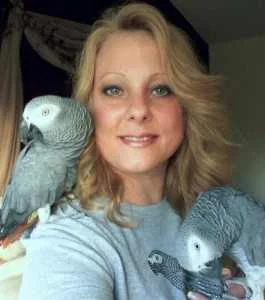
The avian community is preparing for a comprehensive deep dive into the recent American Federation of Aviculture (AFA) 52nd Annual Educational Conference, as industry expert and Certified Professional Bird Trainer (CPBC) Lisa Bono prepares to host an exclusive webinar recap on Friday, September 4, 2026. The virtual event, scheduled for 12:00 p.m. PDT, promises to bridge the gap for those unable to attend the physical gathering in St. Louis, Missouri, by offering a curated look at the presentations, networking sessions, and collaborative discussions that defined this year’s installment of the long-running conference.
Context and Historical Significance of the AFA Conference
The American Federation of Aviculture has served as a cornerstone organization for bird enthusiasts, breeders, veterinarians, and conservationists since its inception in 1974. The annual conference represents the organization’s most significant event, functioning as a nexus for the exchange of scientific research, husbandry best practices, and legislative advocacy. Over the past five decades, the AFA has navigated significant shifts in the landscape of exotic animal keeping, moving from a primarily breeder-focused association to one that emphasizes holistic avian welfare, environmental sustainability, and the critical role of private aviculture in species conservation.
The 52nd Annual Educational Conference in St. Louis was designed to address the modern challenges facing avian populations, both in captivity and in the wild. Topics often explored at these gatherings include the nuances of avian nutrition, preventative veterinary care, behavioral psychology, and the impact of climate change on wild bird habitats. By serving as the “roving reporter” for Lafeber, Lisa Bono provided a unique vantage point, capturing the nuances of these discussions for a broader audience that relies on digital accessibility to stay informed about industry standards.
The Role of Digital Engagement in Aviculture
As global connectivity has evolved, the methods through which specialized organizations disseminate information have shifted from print newsletters and physical symposiums to high-definition webinars and digital archives. The decision to host a dedicated recap session highlights a growing trend in professional societies to democratize access to high-level expert discourse.
Lisa Bono, a respected figure in the avian community, has cultivated a reputation for distilling complex biological and behavioral concepts into actionable advice. Her segment, The Grey Way, has become a staple for enthusiasts looking for evidence-based information. By leveraging the Zoom platform to host this recap, the organizers are facilitating a direct line of communication between the experts who presented in St. Louis and the wider public. This transition is not merely logistical; it represents a broader effort to ensure that the scientific advancements discussed at the conference are effectively translated into improved daily husbandry practices for companion birds across the country.
Chronology of the AFA 2026 Event
The conference in St. Louis followed a rigorous schedule that spanned several days of intensive workshops and lectures. The opening sessions were largely dedicated to the status of endangered species management, focusing on the collaborative efforts between public zoos and private breeders to maintain genetic diversity. Mid-week proceedings transitioned toward specialized veterinary medicine, where researchers presented new data on avian oncology and metabolic diseases, reflecting an era where pet bird longevity is significantly increasing.
The final days of the conference focused on legislative updates, specifically concerning the importation of exotic species and the evolving regulatory framework for captive wildlife. Lisa Bono’s upcoming webinar is expected to synthesize these diverse threads. Attendees of the September 4th session can anticipate a chronological breakdown of these events, complete with visual documentation, anecdotal insights, and reflections on the specific breakthroughs that resonated most with the attendee body.
Supporting Data and Industry Trends
Aviculture today is characterized by a high degree of specialization. According to industry reports, the demographic of bird owners has shifted, with a greater emphasis placed on the “companion” aspect of the animal-human bond. This shift is reflected in the increased demand for behavioral enrichment products and customized dietary formulations, topics which are expected to be central to the recap.
Data from the American Pet Products Association (APPA) suggests that the segment of the pet industry focused on “other pets”—which includes birds, reptiles, and small mammals—has seen a steady annual growth rate. The AFA conference serves as the primary data point for this sector, providing the necessary scientific backing for the products and services that sustain this growth. When Lisa Bono reviews the “fun stories” and “interviews” from the St. Louis event, she is effectively contextualizing these broader economic and social trends, illustrating how the theoretical work done at the conference directly influences the quality of life for birds in domestic settings.
Professional Reactions and Implications
While the conference itself is closed to the public, the implications of the discussions held in St. Louis are far-reaching. Industry professionals have noted that the emphasis on evidence-based husbandry is higher now than at any point in the organization’s history. Experts who attended the conference have suggested that the collaborative nature of this year’s AFA meeting—characterized by increased dialogue between academia and private keepers—is a positive development for the long-term viability of the hobby.
The upcoming webinar serves as a critical bridge for this ecosystem. For the average hobbyist or professional breeder, the recap serves as a filter. By highlighting the most pertinent findings, Bono acts as an information conduit, ensuring that the most valuable takeaways—such as advancements in nutrition or safety protocols—are not lost to the general population. This pedagogical approach is essential in a field where misinformation can have severe welfare consequences for animals.
Looking Ahead: The Future of Avian Welfare
As the industry looks toward the conclusion of 2026, the insights shared by Bono during the webinar will likely set the tone for research priorities in the coming year. Discussions regarding environmental enrichment and psychological health are expected to dominate the discourse, as modern aviculture moves away from traditional cage-based management toward more dynamic, stimulating living environments.
The webinar is not just a summary of past events; it is a preview of the future standards of care. Participants are encouraged to utilize the time zone converter provided in the conference materials to ensure attendance, as the interactive Q&A component of the webinar is expected to provide a platform for nuanced questions that may not have been addressed during the live conference sessions.
Conclusion of the Session and Next Steps
The AFA Recap with Lisa Bono concludes a busy season of avian educational events. For those interested in participating, registration is available through the official portal. By prioritizing accessibility and expert-led analysis, the organizers of this webinar aim to bolster the community’s collective knowledge. The session serves as a reminder that the health and welfare of avian populations are deeply interconnected with the quality of information shared among those who care for them.
In essence, the September 4th webinar stands as a testament to the enduring importance of the American Federation of Aviculture. By distilling the St. Louis experience into an accessible digital format, Lisa Bono is ensuring that the lessons of the 52nd Annual Educational Conference reach a global audience, ultimately contributing to a more informed, scientifically literate, and ethically grounded community of bird keepers. Through detailed reporting and expert analysis, the webinar promises to provide a comprehensive look at the state of the industry, offering both inspiration and concrete knowledge for the year ahead.

