


Providing a balanced, species-appropriate diet is one of the most critical responsibilities for pet bird owners, yet determining which household items are safe and which pose severe health risks remains a frequent challenge. Budgie parakeets (Melopsittacus undulatus) possess diverse nutritional needs that extend far beyond commercial seed mixes. When standard avian feed runs low, or when owners seek to enrich their pets’ daily routines through foraging opportunities, many common kitchen staples can serve as suitable alternatives. However, physiological differences between humans and avian species mean that items considered harmless or beneficial to people can have devastating consequences for a parakeet’s health. Understanding the distinction between safe culinary additions, occasional treats, and explicitly toxic substances is essential for preventing nutritional deficiencies and fatal toxicosis in captive populations.
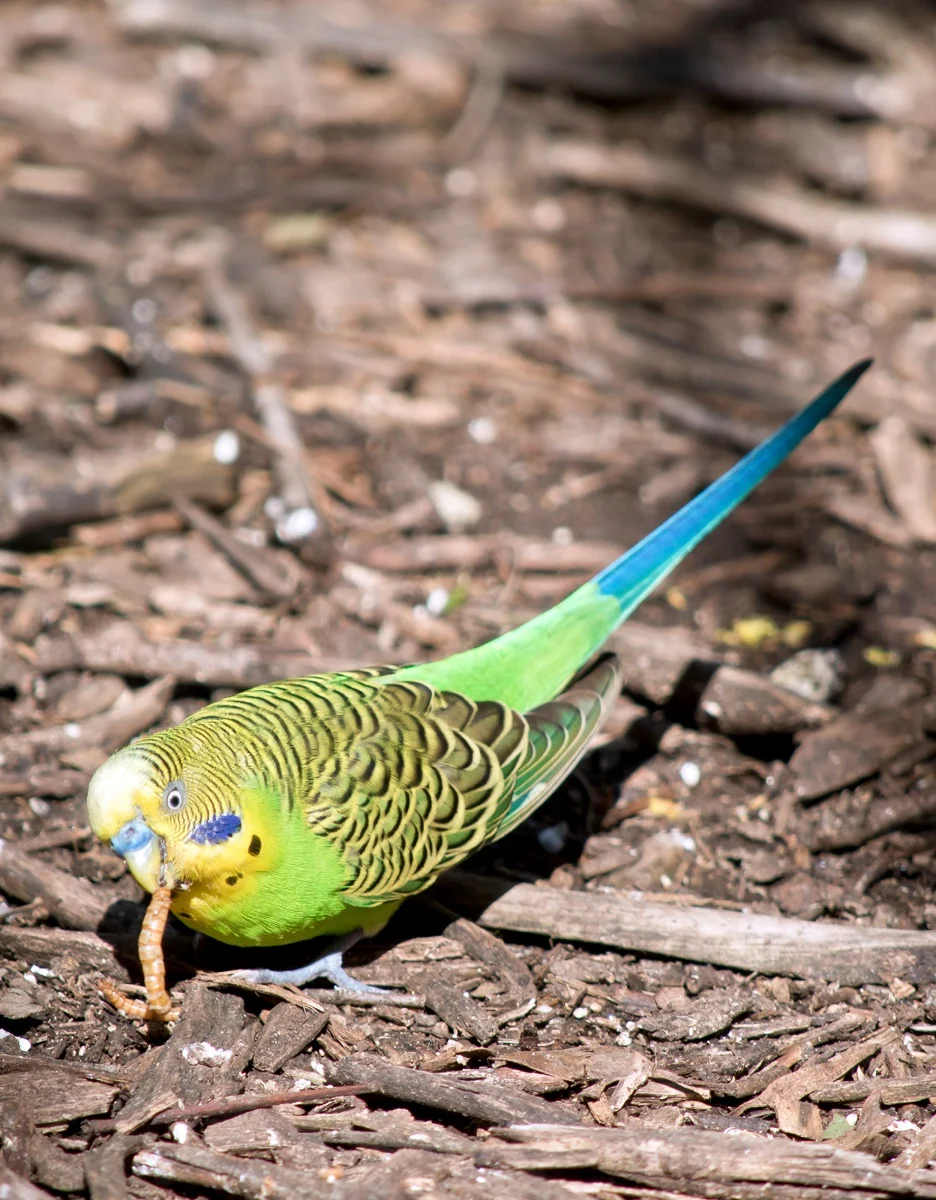
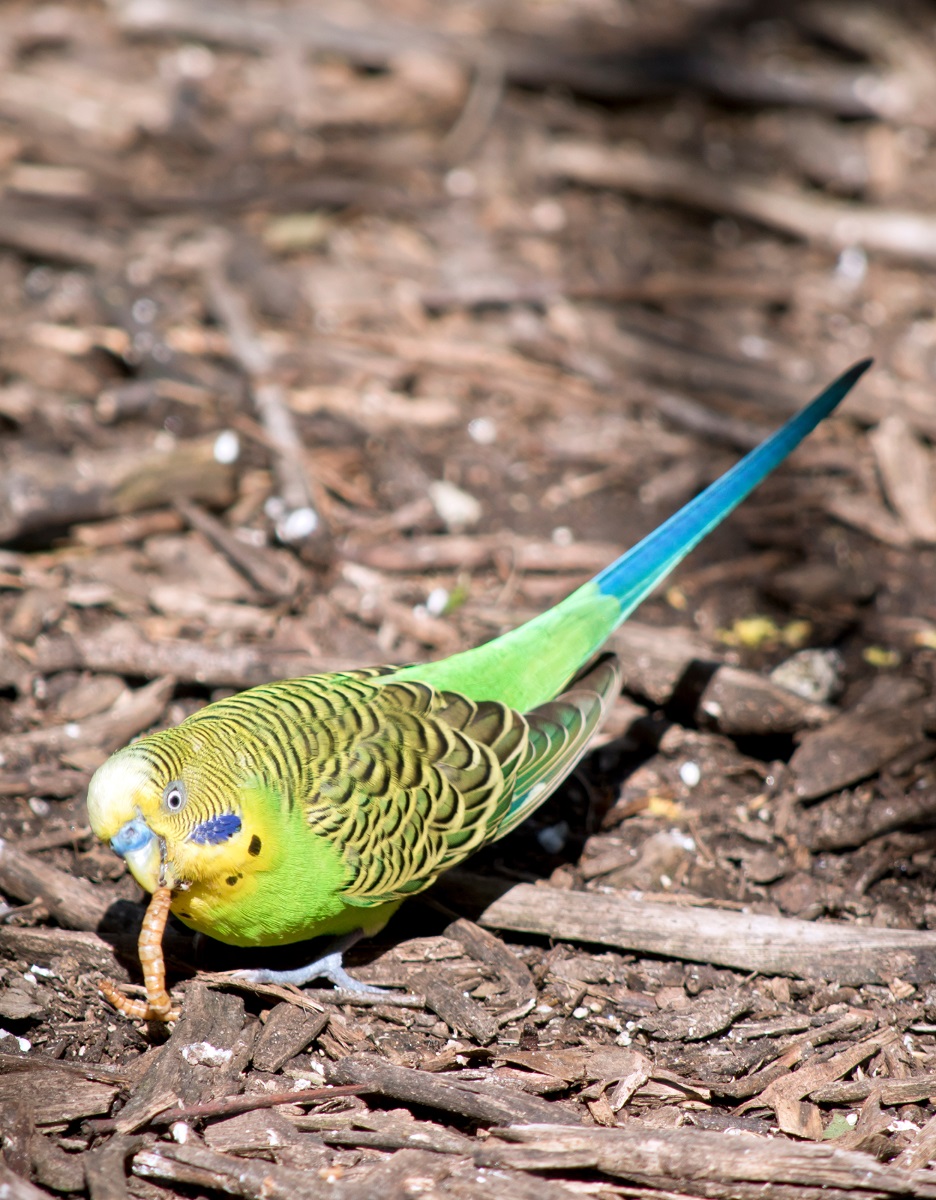
Avian nutritional science has evolved significantly over the past several decades, shifting away from restrictive, all-seed diets toward comprehensive maintenance programs that incorporate fresh produce, whole grains, and occasional high-protein supplements. In the wild, budgies native to the arid interior of Australia forage extensively across the ground, consuming a wide variety of native grass seeds, green shoots, and opportunistic protein sources such as insects. Replicating this behavioral and dietary diversity in a domestic setting improves psychological well-being through environmental enrichment while supporting physiological health. Nevertheless, the domesticated budgie is considerably smaller than most companion parrots, making its metabolism and organ systems highly sensitive to concentrated fats, artificial additives, sodium, and specific chemical compounds found in everyday human foods.
Safe Household Pantry Staples for Parakeets
When commercial pellets or seeds are temporarily unavailable, or when supplementing a regular diet, owners can safely utilize 19 common household foods, provided they are prepared without harmful additives. Natural, single-ingredient items represent the gold standard for avian nutrition, minimizing the risk of exposure to unhealthy preservatives, refined sugars, and excessive sodium.
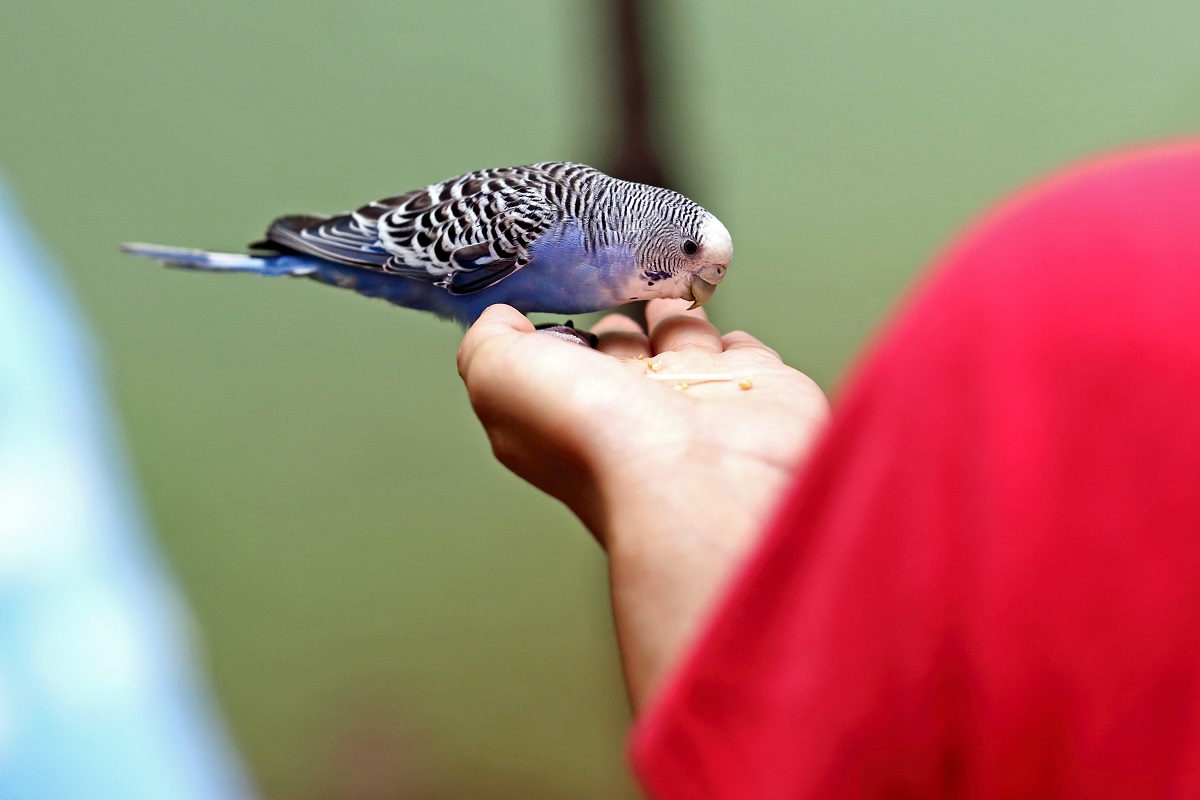
Whole-grain and minimally processed breads can be offered in small quantities, provided they lack high concentrations of sugar and fat. While whole-wheat varieties contain beneficial fiber, heavily processed white breads or sweet brioche products should be avoided entirely. Similarly, seeds such as sunflower and pumpkin seeds are natural favorites that encourage natural foraging behaviors, though their high fat content necessitates strict portion control. Unsalted, raw varieties are imperative, as salted snack nuts lead rapidly to dehydration and avian hypernatremia. Natural peanut butter, completely free of hydrogenated oils and added sugars, serves as both an occasional high-fat treat and a useful behavioral tool; smearing a microscopic dollop on a novel toy or cage accessory can entice a hesitant bird to investigate new objects without fear.
Protein supplementation is occasionally required, particularly for breeding hens experiencing high metabolic demands. Plain, thoroughly boiled or scrambled eggs prepared without oil, butter, or salt provide a highly bioavailable source of essential amino acids. In addition, unexpected protein sources such as small amounts of plain, cooked chicken breast are well-tolerated by breeding or recovering parakeets.
Grain and seed varieties readily found in modern pantries offer substantial nutritional value. Chia seeds, though native to Central America rather than Australia, are packed with beneficial micronutrients and can be fed dry or soaked. Hemp seeds supply vital Omega-3 fatty acids and are frequently incorporated into professional avian diets. Quinoa—available in white, red, and black variants—can be served cooked or raw, delivering a complex profile of plant-based proteins and minerals. Rolled or steel-cut oats, whether served dry, soaked in water, or prepared with unsweetened almond milk, integrate seamlessly into daily feeding regimens, though sticky residues must be monitored to prevent beak accumulation.
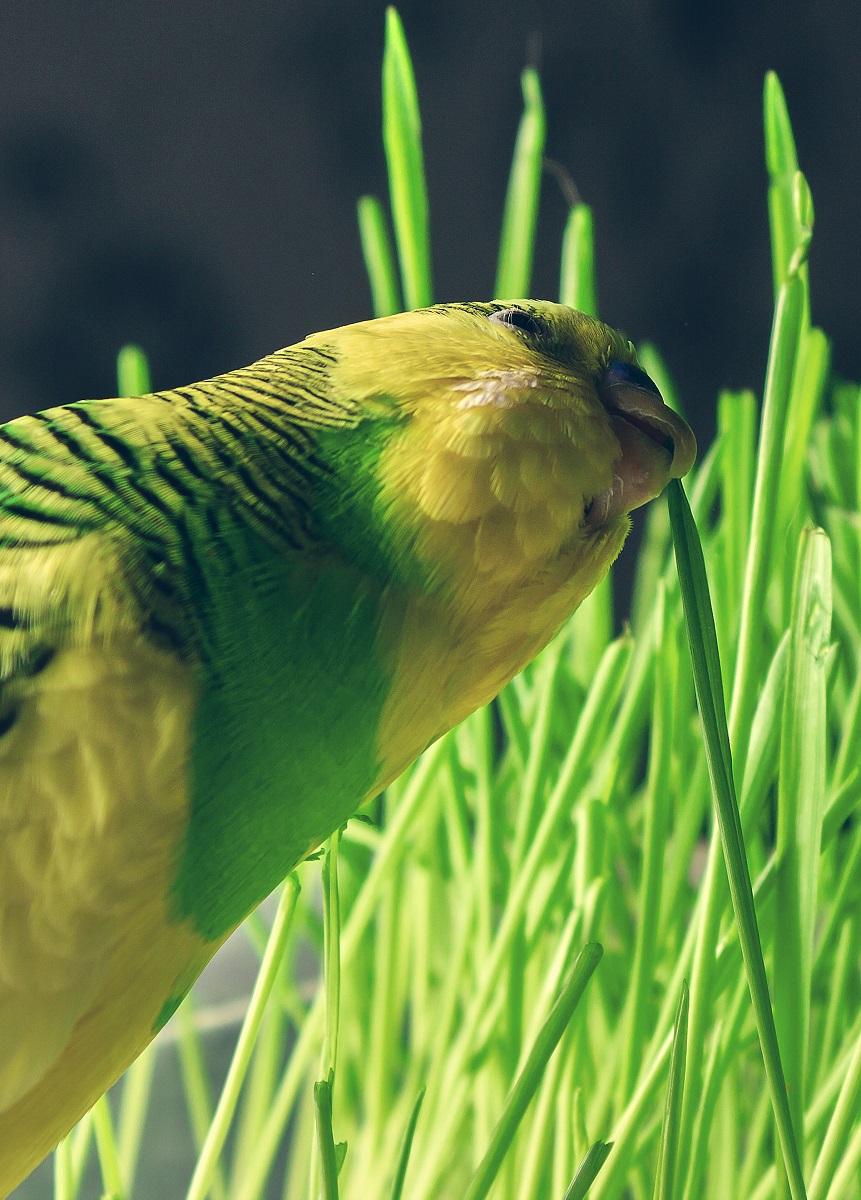
Greens and sprouted grains offer exceptional physical and mental enrichment. Wheatgrass, when sprouted safely through protective mesh to prevent soil-borne bacterial and fungal contamination, allows birds to demolish nutritious greenery in a manner closely mirroring wild foraging. Whole-grain pasta, either boiled plain or offered dry to function as an edible chew toy, provides complex carbohydrates without the heavy sauces or seasonings dangerous to avian digestive tracts. Plain, air-popped popcorn similarly serves as a lightweight, texturally engaging snack, provided no butter, salt, or artificial flavorings are introduced. Other pantry additions, including unsalted almonds, cashews, and pine nuts, must be strictly rationed due to their high lipid content, with a fraction of a single nut serving as an adequate weekly maximum.
Chronology of Avian Dietary Evolution and Safety Standards
Historically, companion bird nutrition suffered from a lack of empirical research, with many early pet keepers relying exclusively on millet and sunflower seed formulations. By the late 20th century, veterinary pathologists and avian specialists began identifying widespread nutritional disorders, including hepatic lipidosis (fatty liver disease) and vitamin A deficiencies, directly linked to monotonous seed-based diets. The establishment of specialized avian veterinary medicine in the 1980s and 1990s catalyzed formal investigations into the metabolic pathways of small psittacines. Landmark publications, such as Clinical Avian Medicine, documented specific toxicological thresholds for species like the budgerigar, establishing clear parameters regarding hazardous foodstuffs.
During the 2000s, pet care advocacy shifted toward holistic husbandry, emphasizing behavioral enrichment alongside clinical health. Organizations and avian researchers began compiling comprehensive guidelines distinguishing between safe single-ingredient kitchen foods and hazardous processed items. This period also highlighted the risks associated with modern food manufacturing additives, such as synthetic preservatives, xylitol sweeteners, and high concentrations of refined sodium, all of which pose heightened risks to organisms weighing between 30 and 40 grams.
Explicitly Toxic Foods and Critical Avian Hazards
Certain common household items are not merely unhealthy; they contain potent chemical toxins capable of causing rapid systemic failure and death in budgerigars. Avian anatomies process toxins far differently than mammalian systems, often exhibiting extreme sensitivity due to rapid metabolic rates and minimal body mass.
Avocado remains one of the most perilous foods for pet birds. The fruit, pit, and leaves contain persin, a fungicidal toxin that causes myocardial necrosis and respiratory distress in parakeets. Clinical literature confirms that even minute ingestions of avocado flesh can prove fatal to small psittacines, necessitating immediate veterinary intervention if exposure occurs. Similarly, chocolate contains theobromine and caffeine, both of which stimulate the avian central nervous system, inducing cardiac arrhythmias, seizures, and death.
Sweeteners and preserved foods carry distinct microbiological and chemical risks. Raw honey and unpasteurized corn syrup can harbor spores of Clostridium botulinum. While mature human immune systems easily manage these spores, the avian gastrointestinal tract is vulnerable to botulinum toxins, which cause progressive muscular paralysis. Furthermore, artificial sweeteners—most notably xylitol—trigger massive insulin releases in various animals, resulting in acute hepatic necrosis and fatal hypoglycemia.
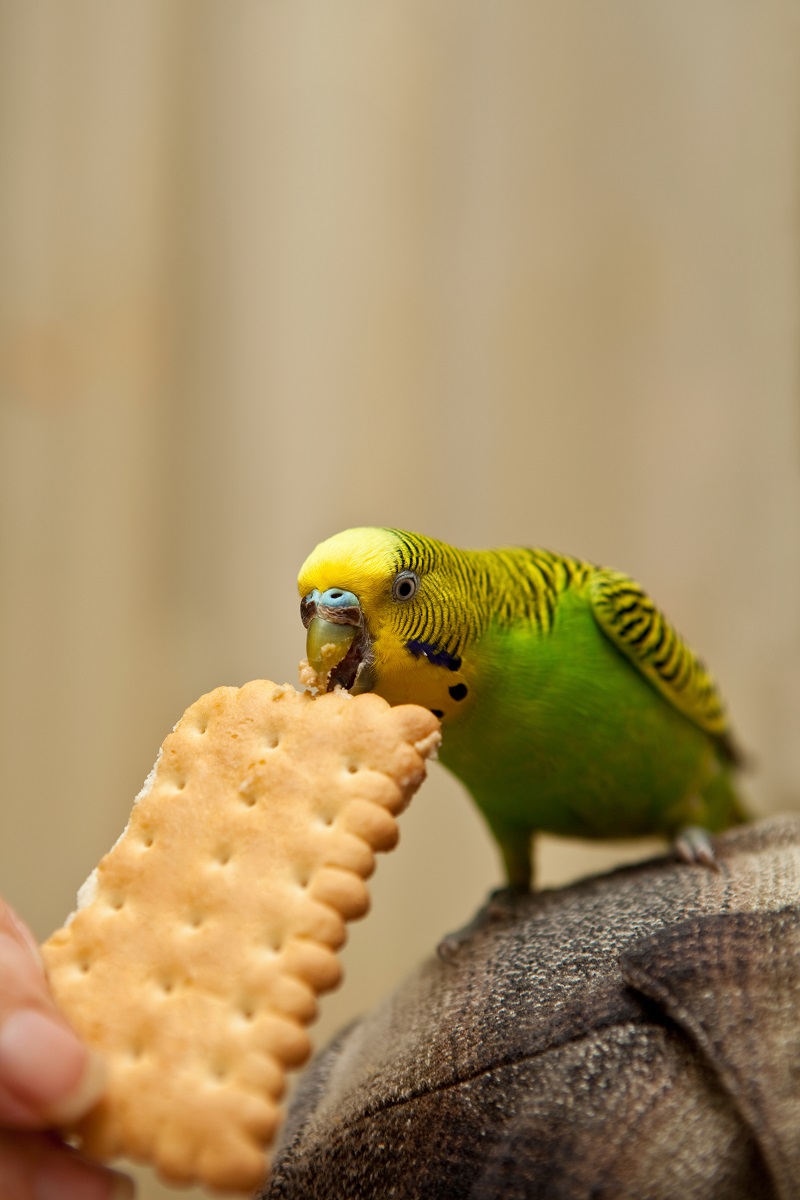
Processed convenience foods, including potato and corn chips, commercial crackers, and sweet biscuits, combine high levels of trans fats, sodium, and chemical preservatives. While a parakeet might actively seek out these palatable items, regular consumption places immense strain on avian kidneys and cardiovascular systems. Dairy products, including ice cream and soft cheeses, present a separate physiological challenge: adult birds lack significant quantities of lactase, the enzyme required to break down lactose. Consequently, dairy ingestion leads directly to osmotic diarrhea, severe gastrointestinal distress, and secondary dehydration.
Plant matter within the human living space can also present hazards. The leaves of the Aloe vera plant, while celebrated for the soothing gel contained in their core, feature a protective outer layer containing aloin. This bitter, yellowish latex compound acts as a powerful laxative and gastrointestinal irritant, rendering the whole plant unsafe for foraging birds. Additional household dangers include the volatile oils found in alliums (onions and garlic), the cyanogenic glycosides present in apple seeds and stone fruit pits, and any exposure to alcoholic beverages or caffeinated teas.
Implications for Avian Welfare and Veterinary Guidance
The growing accessibility of diverse information regarding avian diets has measurable implications for companion animal welfare. Educational outreach by avian veterinarians and specialized rescue organizations has contributed to a decline in nutritionally induced illnesses among pet budgies. However, accidental poisonings resulting from unsupervised kitchen access or well-meaning owners sharing improper table scraps remain a prevalent emergency presentation in veterinary clinics.
Veterinary toxicologists emphasize that preventative management is the single most effective tool in avian healthcare. Owners are strongly advised to secure all toxic foodstuffs in airtight containers, maintain strict supervision during out-of-cage exercise periods, and consult certified avian practitioners immediately if ingestion of a hazardous substance is suspected. By adhering to evidence-based nutritional standards and prioritizing natural, unadulterated ingredients, keepers can significantly extend the lifespan and enhance the overall quality of life of their companion budgerigars.

