


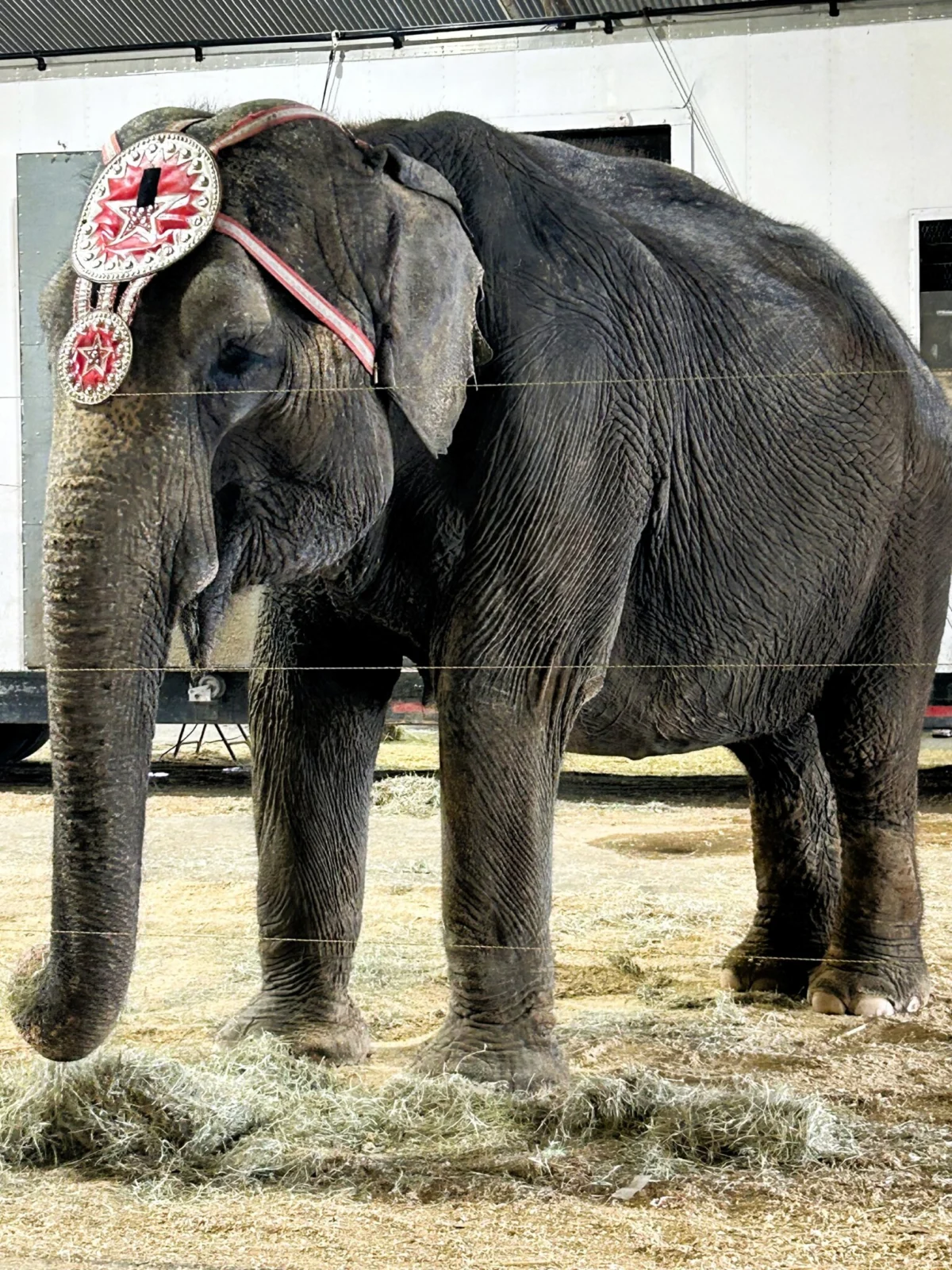
The case of Viola, an elderly Asian elephant who has spent five decades in the circus industry, has become a focal point for the intensifying national debate regarding the ethics of using exotic animals for entertainment. For more than 50 years, Viola has been a fixture in the traveling circus circuit, primarily under the ownership of the Oklahoma-based Carson & Barnes Circus. Currently, she is being leased to the Jordan World Circus, which continues to feature her in performances across the United States, including shows sponsored by various Shrine organizations. This ongoing use of a geriatric elephant has drawn sharp criticism from animal welfare organizations, sparked public protests, and raised significant questions about the physical and psychological toll of life on the road for one of the world’s most social and intelligent species.
A Half-Century of Servitude: The Chronology of Viola’s Life
Viola’s journey began in the wild, likely in the lush tropical forests of Southeast Asia. Biological data on Asian elephants (Elephas maximus) indicates that in their natural habitats, females remain with their mothers and maternal kin for their entire lives, forming deep social bonds and participating in the communal rearing of calves. However, like many circus elephants of her generation, Viola was separated from her family as a toddler and imported to the United States. Since the early 1970s, her life has been defined not by the complex social structures of a matriarchal herd, but by the rigors of the "performance pipeline."
For five decades, Viola has been moved between various circus entities. While Carson & Barnes remains her primary owner, the business model of the modern circus often involves "leasing" animals to smaller or regional productions. This has kept Viola in a state of perpetual transit, transported in cramped trailers over thousands of miles each year to perform in parking lots, fairgrounds, and indoor arenas.
The chronology of her tenure is marked by several documented instances of rebellion or distress. Most notably, Viola has escaped her handlers at least four times, incidents that animal behaviorists often characterize as "breakouts" resulting from extreme stress or fear. In April 2024, during a stop in Butte, Montana, Viola bolted from her handlers while being bathed outside the Town Pump Lounge near the Civic Center. The sight of the multi-ton animal dodging traffic on Harrison Avenue was captured on social media, highlighting the public safety risks inherent in keeping large wild animals in urban environments. Earlier escapes include a high-profile incident in Missouri where she fled the Moolah Shrine Circus, resulting in minor injuries to the elephant as she navigated unfamiliar terrain.
Health Concerns and Veterinary Investigations
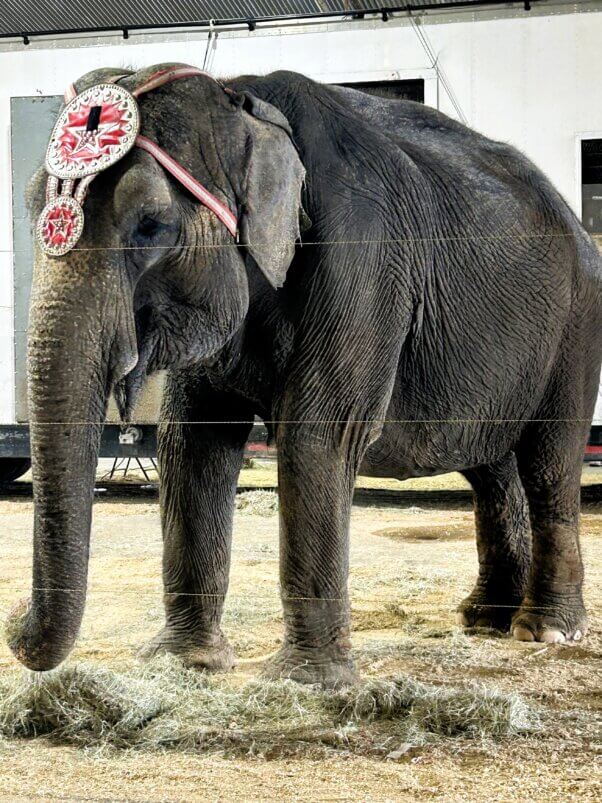
The physical condition of an elephant in her 50s is a matter of significant concern for veterinary experts. In the wild, Asian elephants can live into their 60s or 70s, but the captive environment often truncates this lifespan due to sedentary lifestyles and inappropriate surfaces. A 2021 investigation conducted by People for the Ethical Treatment of Animals (PETA) highlighted specific health red flags regarding Viola. Investigators documented what appeared to be chronic swelling in her feet and signs of joint disease—conditions that are frequently terminal for captive elephants.
Elephant physiology is ill-suited for the requirements of the circus. In their natural habitat, elephants walk between 10 and 30 miles a day over soft, varied terrain. In contrast, circus elephants spend the majority of their time shackled by one or more legs to prevent movement during transport or between shows. Standing on concrete or asphalt for prolonged periods leads to foot rot and osteomyelitis (bone infection), which are leading causes of euthanasia in captive pachyderms. Furthermore, the physically demanding tricks Viola is forced to perform—such as sitting on her haunches or standing on small pedestals—place immense strain on an aging skeletal system already compromised by decades of wear and tear.
The Shifting Landscape of the Circus Industry
The continued use of Viola by the Jordan World Circus occurs against a backdrop of sweeping changes in the American entertainment industry. The 2017 closure of the Ringling Bros. and Barnum & Bailey Circus (which has since relaunched without animal acts) signaled a massive shift in public sentiment. Today, a growing number of consumers view animal acts as relics of a less-informed era.
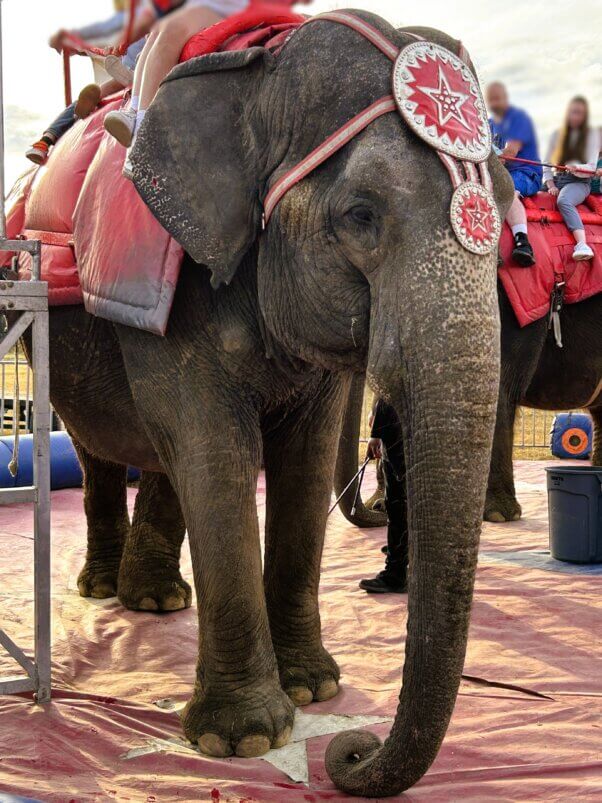
This shift is particularly evident among the Shriners, a fraternal organization that has historically used circuses as fundraisers. In January 2023, the Moolah Shrine Circus in Missouri—where Viola had previously performed—announced it would no longer feature elephant acts. Other Shrine chapters have followed suit, citing both ethical concerns and the rising costs of insurance and security required for wild animal displays. However, the Jordan World Circus continues to find markets in regions where local ordinances do not yet prohibit these performances, leading to the current 2026 tour schedule that includes several stops in Nevada and Oregon.
Official Responses and the Defense of Captive Performance
While animal rights groups call for Viola’s retirement to an accredited sanctuary, representatives for the circus industry often maintain a different perspective. Historically, Carson & Barnes and similar operators have argued that their animals are "ambassadors" for their species, providing the public with an opportunity to see and appreciate wildlife they might otherwise never encounter. They frequently assert that their training methods are based on positive reinforcement and that the bond between trainer and animal is one of mutual respect.
Industry proponents also point to the rigorous oversight provided by the U.S. Department of Agriculture (USDA) under the Animal Welfare Act (AWA). They argue that as long as they maintain their licenses and pass inspections, they are meeting the legal requirements for animal care. However, critics counter that the AWA provides only "survival-level" standards and that the USDA is often underfunded and unable to provide the constant monitoring necessary to ensure the psychological well-being of highly intelligent animals like Viola.
Broader Impact: Legislation and the Future of Sanctuaries
The controversy surrounding Viola is reflective of a broader legislative movement. Currently, several states, including California, New Jersey, and Hawaii, have implemented statewide bans on the use of most wild animals in circuses. At the federal level, the Traveling Exotic Animal and Public Safety Protection Act (TEAPSPA) has been introduced in various sessions of Congress, aiming to restrict the use of exotic animals in traveling performances nationwide.
If Viola were to be retired, the most likely destination would be one of two major U.S. sanctuaries: The Elephant Sanctuary in Tennessee or the Performing Animal Welfare Society (PAWS) in California. These facilities offer hundreds of acres of natural habitat, specialized veterinary care, and the company of other elephants without the requirement to perform or the restriction of chains. Retirement to such a facility is seen by advocates as the only way to provide Viola with "restitutional justice" for her decades of service.
Activism and Upcoming Demonstrations
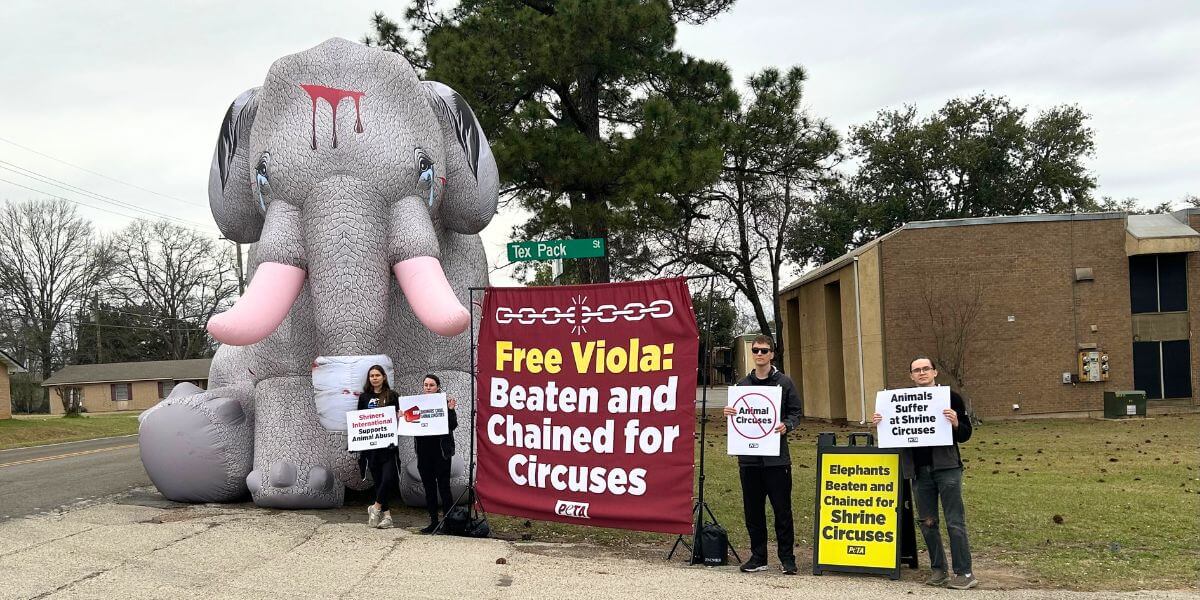
As the Jordan World Circus moves into the spring of 2026, a series of organized demonstrations has been scheduled to coincide with Viola’s appearances. Activists plan to gather in several cities to raise awareness among ticket-holders about Viola’s history and health status. The scheduled demonstrations include:
- Pahrump, Nevada: March 11, 2026
- Reno, Nevada: March 13, 2026
- Grants Pass, Oregon: March 17, 2026
- Gold Beach, Oregon: March 19, 2026
- Salem, Oregon: March 21, 2026
- McMinnville, Oregon: March 23, 2026
These protests are part of a coordinated effort to pressure the circus and its sponsors to allow Viola to live out her remaining years in a sanctuary. Organizers emphasize that their goal is not to shut down the circus entirely, but to evolve the entertainment model to one that does not rely on the exploitation of aging, sentient beings.
Conclusion: The Moral Imperative
The story of Viola the elephant is more than a dispute over a single animal; it is a case study in the changing relationship between humans and the natural world. As scientific understanding of elephant cognition and emotion advances, the justification for keeping such animals in nomadic, performance-based environments becomes increasingly difficult to sustain. For Viola, who has spent half a century under the big top, the window for a peaceful retirement is narrowing. The outcome of the current pressure on Carson & Barnes and Jordan World Circus may well serve as a final verdict on the era of the traveling elephant act in America. Whether Viola will finally touch grass in a sanctuary or spend her final days on a trailer remains a question that continues to galvanize animal lovers and policymakers alike.

