


The contemporary understanding of avian companionship represents a significant evolution from past practices, where birds were often viewed primarily as decorative caged pets. Today, with advancements in ethology, veterinary science, and animal behavior, responsible pet bird ownership emphasizes creating an environment that closely mimics a bird’s natural habitat and social dynamics. This shift acknowledges that birds are highly intelligent, emotionally complex creatures with specific needs that, if unmet, can lead to chronic stress, behavioral disorders, and significant health issues. The human desire to express love through physical contact, while well-intentioned, can often misinterpret a bird’s natural bonding mechanisms, leading to counterproductive outcomes. Rather than endless caresses, a bird’s well-being and connection with its human flock are strengthened through consistent routines, mental stimulation, appropriate nutrition, and respect for their inherent wild instincts.
Beyond Cuddles: The Physiological and Behavioral Risks of Anthropomorphized Affection
While humans often interpret physical closeness and petting as universal signs of affection, for many bird species, particularly parrots, such interactions can trigger hormonal responses more aligned with breeding behavior than platonic bonding. In their natural habitats, physical contact like allopreening (mutual preening) and close proximity are often indicators of pair-bonding or reproductive readiness, especially outside of specific flock-wide social preening rituals. When humans excessively pet a bird, particularly on its back, under its wings, or around its vent—areas typically reserved for a mate—it can inadvertently stimulate these hormonal shifts.
Avian veterinarians and behaviorists consistently warn that this miscommunication can lead to a cascade of negative effects. Chronically elevated reproductive hormones can manifest as aggression, increased vocalizations, territoriality, and feather plucking, a common and distressing self-mutilating behavior. Studies, such as those published in the Journal of the American Veterinary Medical Association, have highlighted the intricate link between environmental enrichment, appropriate interaction, and the reduction of stress-induced behaviors. Furthermore, prolonged hormonal activity can predispose birds to serious health problems, including egg-binding in females, cloacal prolapse, and nutrient deficiencies from excessive egg-laying. The goal, therefore, is to create a bond that feels safe, natural, and fulfilling for the bird, mirroring the dynamics of a healthy wild flock, where trust, shared activities, and respect for personal space are paramount.
Foundation of Trust: Eight Pillars of Healthy Avian Bonding
Building a robust, species-appropriate relationship with a pet bird involves a multifaceted approach, integrating various aspects of their physical, mental, and emotional well-being. The following eight strategies represent a comprehensive framework for fostering a deep connection rooted in understanding and respect.
1. Optimizing Circadian Rhythms: The Critical Role of Quality Sleep
Adequate and consistent sleep is a cornerstone of avian health, directly impacting mood, immune function, and hormonal balance. In the wild, birds adhere to natural light cycles, waking with sunrise and resting shortly after sunset, typically ensuring 10 to 12 hours of uninterrupted darkness. This consistent photoperiod is vital for regulating their circadian rhythms and endocrine system. In a home environment, disruptions from artificial lighting, television noise, or late-night human activity can severely compromise a bird’s sleep quality.
Birds possess a unique sleep pattern known as unihemispheric slow-wave sleep, allowing one half of their brain to rest while the other remains vigilant against potential threats. While an adaptation for survival in the wild, constant disturbances at home can prevent them from achieving the deeper, restorative sleep necessary for optimal health. A study in Veterinary Clinics of North America: Exotic Animal Practice emphasizes that chronic sleep deprivation can lead to irritability, heightened stress responses, excessive vocalization, and a weakened immune system. To mitigate these issues, bird owners should establish a strict, predictable sleep schedule, providing a quiet, dark, and secure sleeping area, ideally covered to block light and reduce auditory stimulation. This commitment to their natural sleep cycle fosters a sense of security and contributes significantly to their overall well-being and a more harmonious disposition.
2. The Communal Table: Nurturing Bonds Through Shared, Nutritious Meals
Flock dining is a fundamental social behavior in the wild, where birds eat together, reinforcing bonds, building trust, and facilitating the learning of foraging skills and safe food identification. Replicating this experience at home through shared, healthy meals strengthens the human-avian bond in a profoundly natural way. Historically, pet birds were often fed diets consisting predominantly of seeds, a practice now widely recognized by avian nutritionists as a primary cause of malnutrition and disease. Seed-only diets are typically high in fat, deficient in essential vitamins (like Vitamin A) and minerals (like Calcium), and can lead to obesity, liver disease, and compromised immune systems.
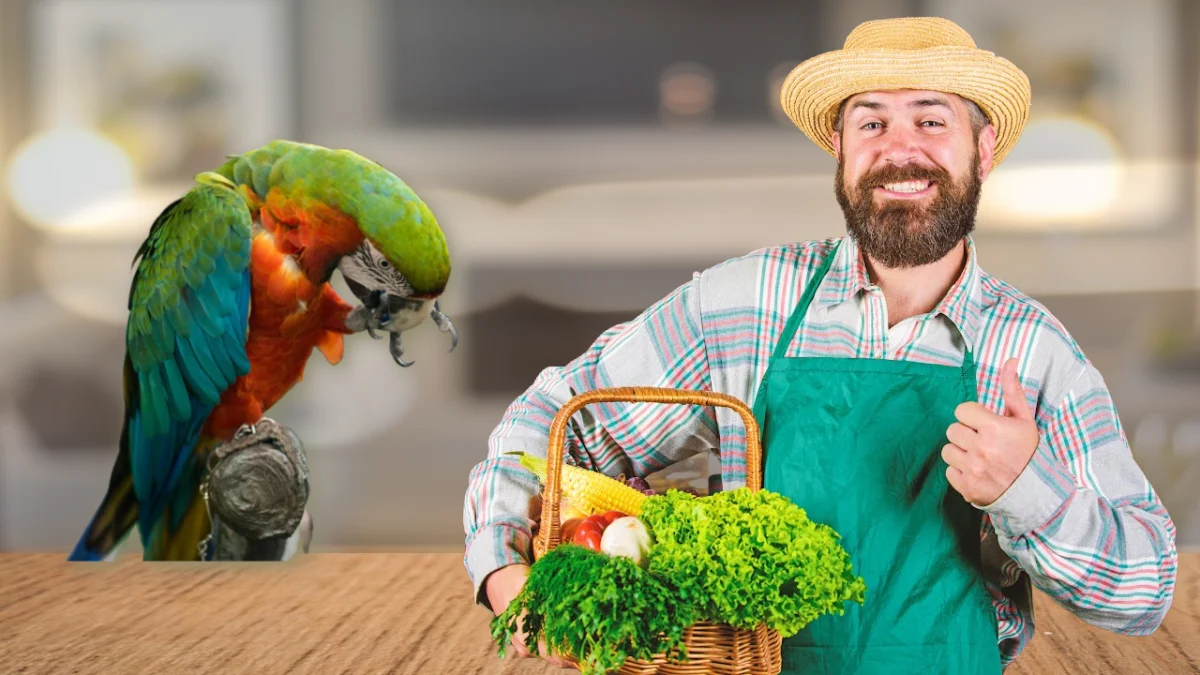
The paradigm has shifted towards a diet rich in fresh vegetables, fruits, whole grains, and legumes, mirroring the diverse nutritional intake of wild birds. Preparing "bird chop"—a finely diced mix of nutrient-dense foods—allows owners to offer a balanced, enriching meal. Sharing a healthy meal, such as a fresh salad or a warm grain bowl, alongside one’s bird not only encourages them to try new foods but also reinforces the flock dynamic. This practice, advocated by organizations like the Association of Avian Veterinarians, underscores that proper nutrition is not just about physical health but also deeply intertwined with a bird’s psychological well-being and its relationship with its caregivers. Owners must, however, remain vigilant about avoiding toxic foods such as avocado, chocolate, caffeine, onions, and excessive salt or sugar.
3. Cognitive Engagement: Building Trust Through Positive Reinforcement Training
Training a bird using positive reinforcement is a powerful tool for building trust, enhancing communication, and providing crucial mental stimulation. Birds, particularly parrots, are highly intelligent and thrive on challenges that engage their problem-solving abilities. Unlike punishment-based methods, which can erode trust and foster fear, positive reinforcement focuses on rewarding desired behaviors, thereby strengthening the human-animal bond. Short, frequent training sessions (5-10 minutes) are most effective, utilizing favorite treats or verbal praise as motivators.
The benefits of training extend far beyond simple tricks like target training or waving. It provides an outlet for their cognitive capabilities, preventing boredom and reducing the incidence of stress-related behaviors like feather plucking or excessive screaming. Moreover, a bird that is comfortable with basic commands, such as "step up" or "come," is easier to manage during routine care, veterinary visits, or emergencies, significantly reducing stress for both the bird and the owner. This systematic approach to learning not only builds confidence in the bird but also establishes clear lines of communication and mutual respect, fostering a deeper, more resilient bond.
4. Unleashing Instincts: The Power of Foraging for Mental Well-being
Foraging is an innate and essential behavior for birds, occupying a significant portion of their day in the wild as they search for food, using their intelligence, dexterity, and problem-solving skills. In captivity, a lack of foraging opportunities can lead to profound boredom, frustration, and the development of destructive or neurotic behaviors. Providing structured foraging opportunities is a cornerstone of environmental enrichment, crucial for a bird’s mental health and overall happiness. Research, including studies on avian welfare, consistently demonstrates that birds engaged in regular foraging activities exhibit fewer stereotypic behaviors, are more confident, and display enhanced cognitive function.
Implementing foraging can start simply, by hiding treats in plain sight and gradually increasing the difficulty. This can involve wrapping treats in paper, placing them in foraging cups, or stuffing them into bird-safe vine balls, encouraging the bird to tear, pull, and manipulate objects to access their reward. The variety of textures and challenges stimulates their natural curiosity and fine motor skills. By transforming mealtime into an engaging mental exercise, owners can significantly improve their bird’s quality of life, prevent boredom-related issues, and foster a more engaged and content companion.
5. Vocal Harmony: Communicating in Their Language
Communication is fundamental to any social species, and birds are no exception. In the wild, parrots use a complex repertoire of calls, songs, and whistles to maintain flock cohesion, signal danger, and express a range of emotions. Engaging in vocal interactions with a pet bird—talking, singing, or whistling—taps into this natural instinct, making them feel like a valued and connected member of the human flock. This shared vocal experience provides significant mental stimulation, with many species demonstrating remarkable abilities to mimic sounds, learn new words, and even compose unique melodies.
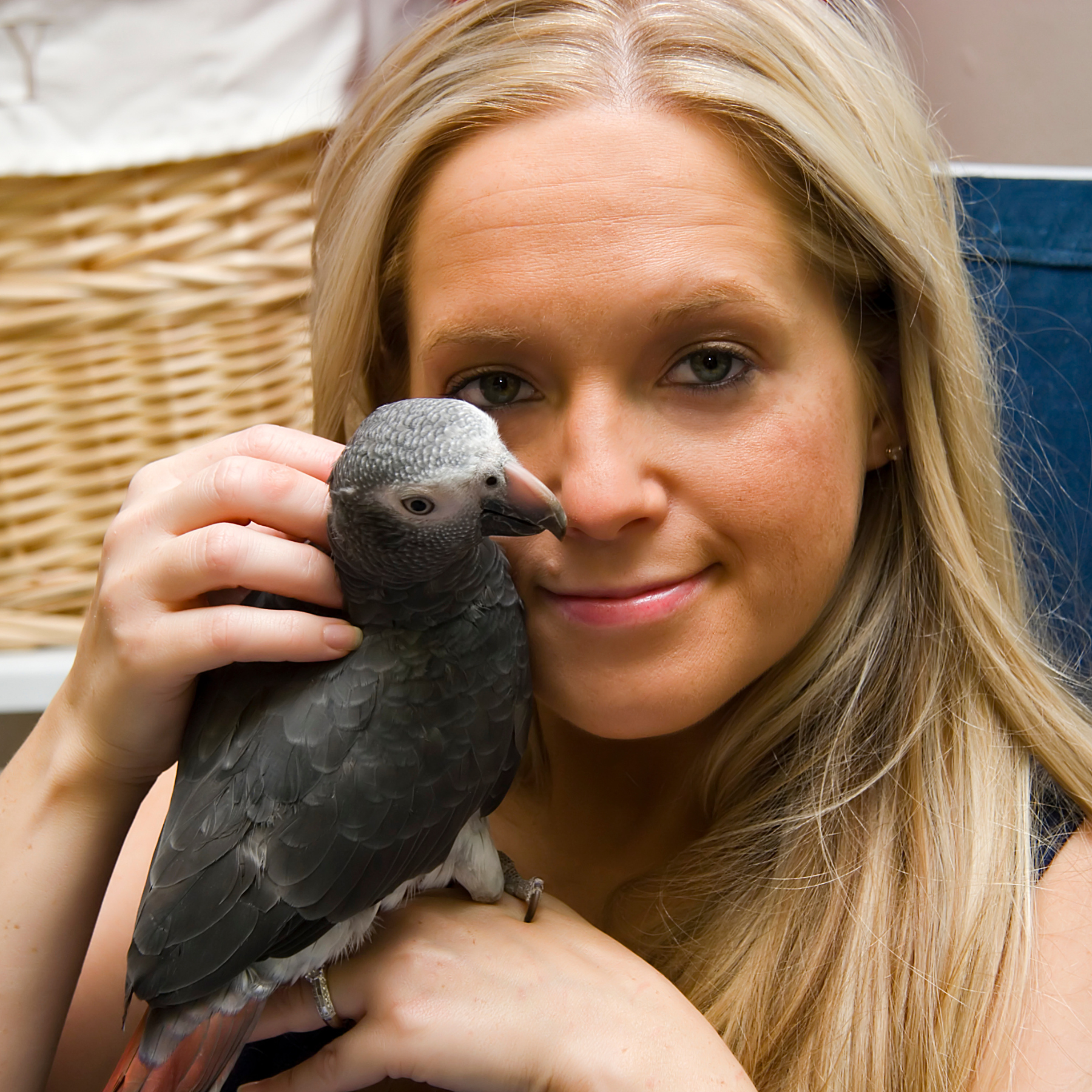
Avian behavioral science suggests that these interactions stimulate specific neural pathways associated with vocal learning and social bonding. Even if a bird does not mimic human speech, the act of shared vocalization strengthens the connection, builds trust, and alleviates loneliness or stress. Consistent verbal cues can also be integrated into training, making commands like "step up" more effective. By making vocal communication a regular and positive part of daily life, owners foster a sense of companionship that is deeply enriching for the bird, contributing to a feeling of safety, engagement, and profound connection.
6. Dynamic Environments: The Strategic Rotation of Enrichment Toys
Birds are highly intelligent and curious creatures that require constant mental stimulation to thrive. A static environment with the same toys day after day quickly leads to boredom, which is a major precursor to behavioral problems such as excessive screaming, aggression, and feather plucking. Regular rotation of toys is a simple yet profoundly effective strategy for maintaining a bird’s engagement and preventing environmental stagnation. This practice aligns with their natural exploratory behaviors in the wild, where novelty and discovery are daily occurrences.
A varied selection of toys—encompassing different textures (softwood, bird-safe plastics, natural fibers), shapes, and functions (chewing, shredding, puzzle-solving)—addresses diverse needs and keeps the bird intellectually stimulated. A practical approach involves having two or three sets of toys and rotating them weekly. This ensures that each toy feels novel and exciting upon its return, recapturing the bird’s interest and encouraging continued interaction. Beyond mental enrichment, toy rotation is also critical for safety, allowing owners to regularly inspect toys for wear and tear, preventing hazards from frayed ropes, broken plastic, or exposed metal components. A well-managed toy rotation system is essential for providing continuous mental engagement and ensuring a safe, stimulating environment.
7. Freedom to Flourish: Ensuring Safe Out-of-Cage Exploration
Confining a naturally active and curious bird solely to its cage, regardless of size, severely restricts its physical and mental well-being. Providing safe, supervised out-of-cage playtime is indispensable for allowing birds to stretch their wings, climb, explore, and engage in natural behaviors. This freedom is crucial for physical health, promoting cardiovascular fitness, muscle tone, and bone density, while also preventing boredom and strengthening the bond with their human companions.
Before any out-of-cage time, meticulous bird-proofing of the designated area is paramount. This involves removing all potential hazards, such as open windows and doors, ceiling fans, toxic plants, electrical cords, accessible chemicals, and other pets. Creating designated play areas with varied perches, climbing structures, and foraging opportunities makes the space engaging and safe. Training the bird to return to its cage or a specific play stand on cue can establish a structured routine, making the experience more enjoyable and less stressful for both parties. Constant supervision during this time is non-negotiable, given a bird’s innate curiosity and propensity to investigate potentially dangerous items. By offering safe and enriching opportunities for exploration, owners empower their birds to stay active, mentally stimulated, and deeply connected through shared, positive experiences.
8. Respecting Boundaries: The Cornerstone of Avian Autonomy
Just as humans require personal space and a sense of autonomy, birds need their boundaries respected to feel secure and trusting in their environment. While social interaction is vital, forcing attention or physical contact, especially when a bird is eating, sleeping, or displaying signs of stress, can lead to frustration, fear, and a breakdown of trust. Understanding and responding to a bird’s subtle body language is key to respecting its space. Signs such as fluffed feathers, pinned eyes, beak clicking, retreating, or a lowered head (indicating a desire for head scratches, but not full body petting) communicate its willingness or reluctance for interaction.
Avian behaviorists emphasize that allowing a bird to initiate contact and engage on its own terms fosters a relationship built on mutual respect rather than coercion. Providing a predictable daily routine and designated safe zones—both within and outside its cage—enhances its sense of security and control. By honoring a bird’s need for personal space and autonomy, owners cultivate a more confident, less anxious bird that views its human companion as a trusted flock member, leading to a stronger, more enduring bond. This approach recognizes the bird as an individual with agency, vital for its psychological health and the long-term success of the human-avian partnership.
The Broader Implications for Avian Welfare
The comprehensive integration of these eight bonding strategies signifies a profound shift in the philosophy of pet bird ownership. It moves beyond anthropomorphic desires and towards an evidence-based understanding of avian welfare, aligning with the broader animal welfare movement. This approach not only prevents common behavioral issues and health problems but also contributes to the increased longevity and significantly enhanced quality of life for pet birds.
The implications extend to the educational imperative for current and prospective bird owners. Access to accurate information from avian veterinarians, certified parrot behavior consultants, and reputable animal welfare organizations is critical. As research continues to unveil the complexities of avian cognition and emotion, the standards for responsible bird care will continue to evolve. This commitment to species-appropriate care ultimately fosters deeper, more meaningful relationships, transforming pet birds from mere household ornaments into cherished, thriving family members.
Conclusion: A Partnership Built on Understanding and Respect
The journey to truly bond with a pet bird is one of continuous learning, empathy, and respect for their inherent nature. It fundamentally redefines love for our feathered companions, shifting the focus from human-centric desires for physical affection to bird-friendly methods that honor their instincts and support their holistic well-being. By prioritizing quality sleep, shared healthy meals, engaging training, abundant foraging opportunities, rich environmental enrichment, vocal communication, safe freedom outside the cage, and crucial respect for their personal space, owners forge a connection that is authentic, natural, and profoundly fulfilling for the bird.
Each bird is an individual, and the path to understanding what makes yours feel secure, happy, and engaged is a unique and rewarding adventure. The more deeply owners interact with their birds on their terms and provide opportunities for mental and physical stimulation that mirror their wild counterparts, the stronger and more resilient their bond will become. True love, in the context of avian companionship, is not merely about what we desire to give, but about understanding and meeting their species-specific needs in a way that allows them to thrive, leading to years of joyous companionship built on mutual trust and respect.
References:
- Laule, G. E. (2003). Positive reinforcement training and environmental enrichment: Enhancing animal well-being. Journal of the American Veterinary Medical Association, 223(7), 969–973.
- Van Hoek, C. S., & King, C. E. (1997). The effects of environmental enrichment on feather picking in Orange-winged Amazon parrots (Amazona amazonica). Zoo Biology, 16(6), 525–532.
- Funk, R. S. (2010). Environmental enrichment for birds. Veterinary Clinics of North America: Exotic Animal Practice, 13(1), 15–23.
About the Author:
Diane Burroughs, LCSW, is a licensed psychotherapist specializing in avian anxiety disorders, nervous bird behaviors, and overall bird care. With training in ABA therapy and certification in Nutrition For Mental Health, Diane has authored several books on bird behavior and offers expert consultations for resolving issues like feather plucking and bird anxiety. Her work has been featured in the Journal of Avian Medicine and Surgery and presented at Exoticscon. Diane also mediates the Feather Plucking Help group on Facebook, offering support to parrot owners. With over 30 years of experience, Diane has developed thousands of successful individualized behavior plans, promoting parrot wellness and excellent bird care.

