


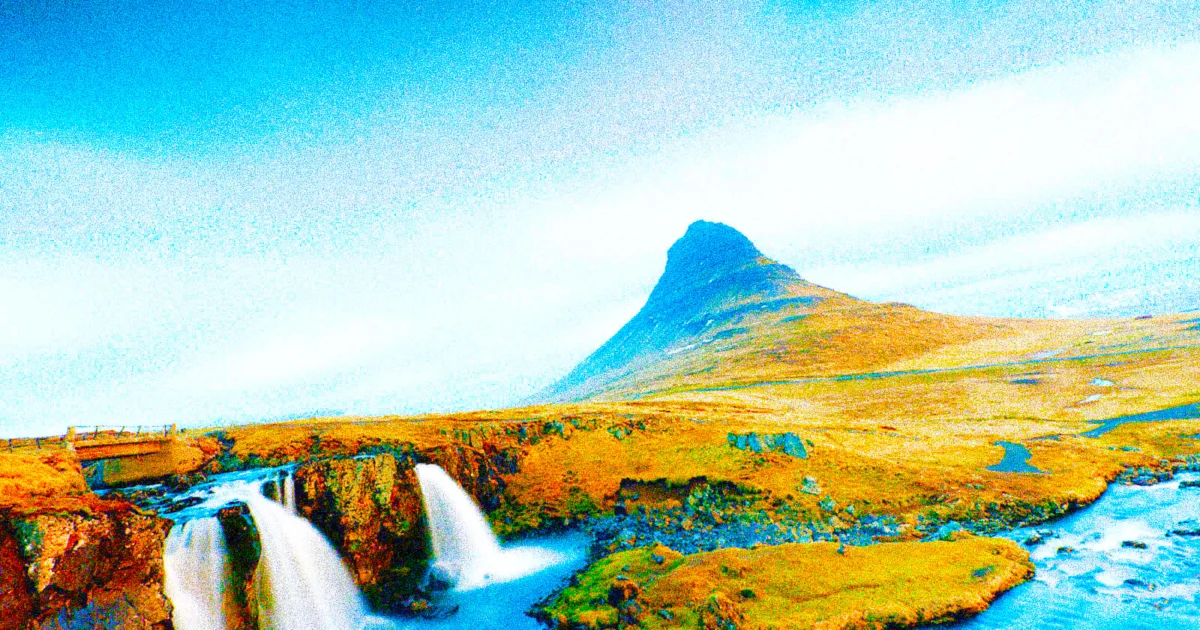
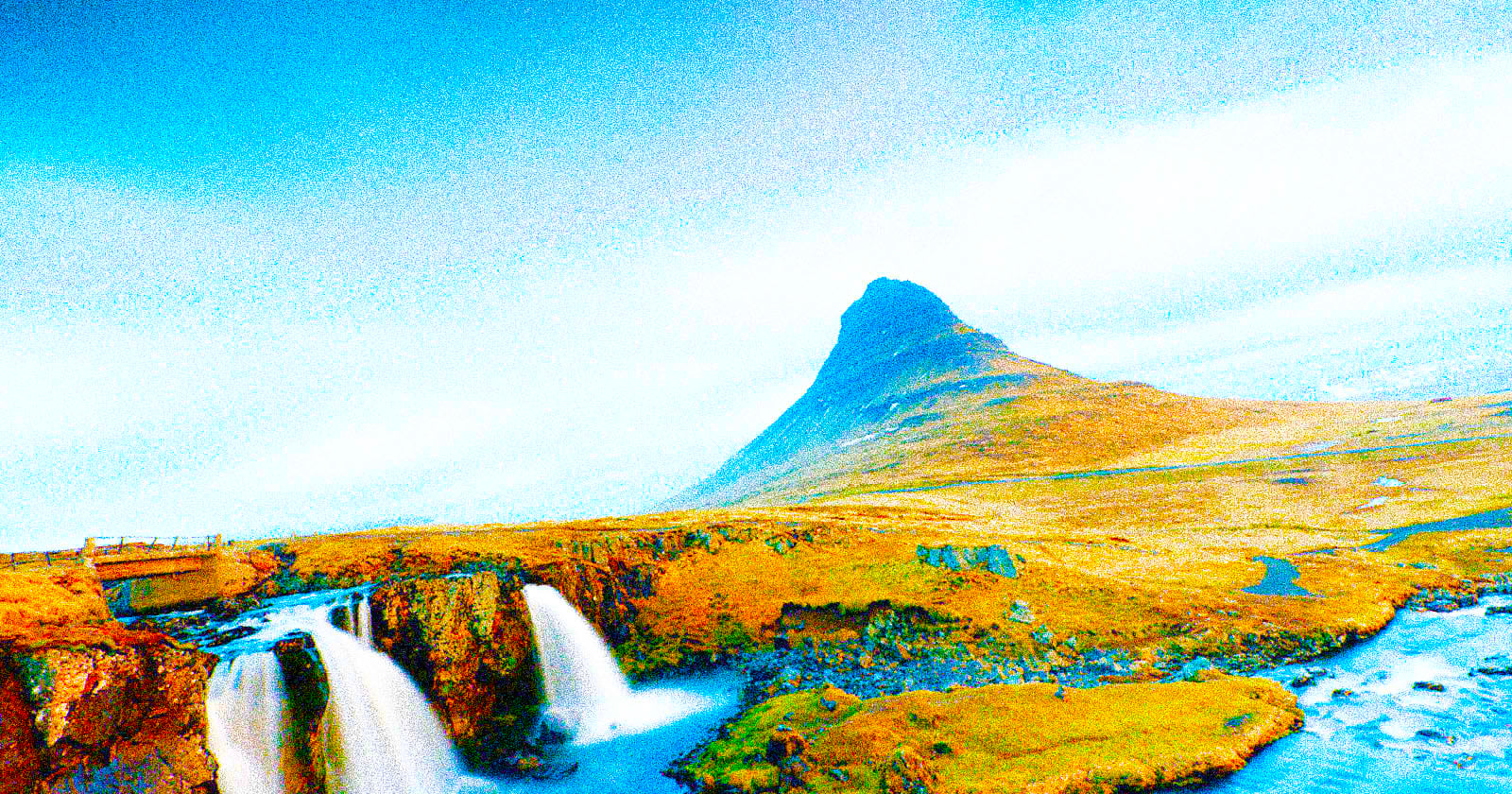
In an unconventional departure from traditional tourism marketing, which typically relies on high-definition, professionally curated imagery, Icelandair has announced a global search for a "really bad photographer" to document the nation’s landscapes. The airline is offering a comprehensive package that includes a 10-day fully-funded expedition across Iceland and a $50,000 stipend. The campaign is designed to demonstrate the inherent visual appeal of Iceland’s geography, suggesting that the destination is so aesthetically gifted that even the most technically deficient photography cannot obscure its beauty.
The recruitment drive targets individuals whose photographic history is defined by technical errors—missed focus, poor composition, accidental thumb-in-frame shots, and generally underwhelming results. By selecting a candidate with no professional background or aspirations in the field, Icelandair aims to produce a marketing campaign rooted in hyper-authenticity and humor, contrasting the polished, often unrealistic "influencer" content that dominates modern travel social media.
The Strategic Philosophy of Anti-Marketing
The "Really Bad Photographer" campaign represents a sophisticated form of "anti-marketing." While most airlines and tourism boards compete to showcase the most pristine, high-contrast, and professionally edited footage of their destinations, Icelandair is pivoting toward relatability. This strategy leverages the psychological concept of "user-generated authenticity," where modern consumers—particularly younger demographics—are increasingly skeptical of overly produced advertisements.
By intentionally seeking out mediocrity, the airline creates a "win-win" narrative for the destination. If the selected photographer manages to take a beautiful photo, it serves as a testament to Iceland’s overwhelming natural beauty. If the photo remains poor, it reinforces the humor and transparency of the brand, generating viral engagement through comedic value. This approach aligns with Iceland’s broader history of quirky, self-deprecating marketing, such as the "Iceland Academy" and the "Stopover" programs, which have successfully positioned the country as a welcoming, slightly eccentric, and highly accessible destination.
Expedition Logistics and Compensation Structure
The selected candidate will embark on a 10-day journey through Iceland in June 2026. The package provided by Icelandair is exhaustive, covering all international airfare, internal transportation, high-end accommodations, and daily expenses. This logistical support ensures that the photographer can focus entirely on documenting their experience across various terrains, including volcanic fields, glacial lagoons, and coastal cliffs.
The financial component of the assignment is notably high for a non-professional role. The $50,000 payment is structured as a fixed fee for participation, content creation, and the broad licensing of the resulting media. In a professional context, this fee would be comparable to a high-level commercial photography contract, yet it is being awarded to an amateur. This significant investment underscores Icelandair’s confidence in the campaign’s potential for global reach and the high value they place on the intellectual property rights to the "bad" content.
Application Chronology and Selection Criteria
The application window is currently open and is scheduled to close on April 30, 2026. The selection process is designed to filter out anyone with professional competence. Applicants are required to complete a questionnaire and are encouraged to submit a 60-second video pitch. In this video, candidates must defend their "photographic mediocrity," explaining why their lack of skill makes them the ideal representative for the campaign.
The eligibility requirements serve as an inversion of standard job listings:
- Non-Professional Status: Applicants must not have earned income from photography.
- Lack of Ambition: The ideal candidate should not be actively seeking to improve their photography skills or attend workshops.
- Physical Capability: Due to the nature of the Icelandic landscape, the candidate must be able to hike across uneven, often rugged terrain.
- Legal Standing: Applicants must be at least 21 years old, possess a valid passport for international travel, and have a clean criminal record.
- Contractual Compliance: The winner must sign a formal contractor agreement and be willing to participate in various promotional activities during and after the trip.
Industry Reactions and Brand Partnerships
The campaign has already generated significant interest within the photography and travel gear industries. Think Tank Photo, a prominent manufacturer of professional camera bags and accessories, has publicly engaged with the campaign on social media. The company joked that they would provide a high-quality bag to house the winner’s "lacklustre camera," highlighting the industry’s willingness to participate in the self-aware humor of the project.
This cross-brand interaction suggests that the campaign is successfully tapping into a wider cultural conversation about the pressure of "perfect" travel documentation. By involving gear manufacturers, the campaign bridges the gap between the professional world and the amateur enthusiast, further amplifying the reach of Icelandair’s message across different audience segments.
Economic Context: Tourism as a Pillar of the Icelandic Economy
The timing and scale of this campaign are significant when viewed through the lens of Iceland’s economic reliance on tourism. Since the 2010 eruption of Eyjafjallajökull, tourism has become one of Iceland’s most vital industries, often surpassing fishing and aluminum smelting in terms of GDP contribution. Before the global disruptions of 2020, tourism accounted for nearly 10% of Iceland’s GDP and a significant portion of its foreign exchange earnings.
As the global travel market becomes increasingly competitive, Iceland must find new ways to maintain its "bucket list" status. The "Really Bad Photographer" campaign serves as a powerful tool for destination branding. By emphasizing that the country is "impossible to make look bad," Icelandair is effectively lowering the barrier to entry for prospective tourists who may feel intimidated by the high-end photography they see online. It suggests that Iceland is a place for everyone, regardless of their creative talents.
Legal Implications and Content Licensing
The legal framework of the contest is comprehensive. Icelandair’s terms and conditions stipulate that the airline will retain broad rights to use, edit, and distribute any content produced during the 10-day expedition. This includes not only the "bad" photos taken by the winner but also "behind-the-scenes" footage of the winner attempting to take those photos.
The $50,000 stipend acts as a buy-out for these rights. In the world of commercial advertising, securing a diverse library of authentic, relatable content for a global campaign can be extremely costly. By framing this as a contest prize, Icelandair is able to acquire a unique set of marketing assets while generating massive amounts of "earned media" (free press and social media discussion) that far exceeds the value of the prize money itself.
Analysis of Modern Travel Trends
This campaign taps into several emerging trends in the travel industry:
- The "Ugly" Aesthetic: There is a growing movement on platforms like TikTok and Instagram where users embrace "low-fidelity" or "anti-aesthetic" content as a rebellion against overly filtered images.
- Experiential Value: By focusing on the experience of being in Iceland—and the humorous struggle of capturing it—the campaign emphasizes the journey over the final social media post.
- The Democratization of Travel: By rewarding a "bad" skill, Icelandair is making a populist statement that travel is for the masses, not just the elite or the highly skilled.
Broader Impact on Destination Branding
The "Really Bad Photographer" initiative is likely to be studied as a case study in innovative destination marketing. It moves away from the "look how beautiful this is" trope and toward "look how you will feel here." By centering the campaign on a relatable human experience—the frustration of a blurry vacation photo—Icelandair builds an emotional connection with its audience.
As the application deadline of April 30, 2026, approaches, the airline expects a surge in submissions from around the world. The eventual winner will not only receive a life-changing financial reward and travel experience but will also become the face of a global campaign that challenges the conventional standards of travel photography. In an era where everyone strives for perfection, Icelandair’s celebration of the "really bad" stands out as a masterclass in modern, authentic branding.

