


The world of domestic rats is often met with surprise and a cascade of questions from those unfamiliar with these intelligent and affectionate creatures. While initial curiosity may be piqued, it often doesn’t extend to the full spectrum of their fascinating, and at times, hilariously peculiar behaviors. For rat enthusiasts, the opportunity to share these endearing habits is a welcome one, offering a glimpse into the complex personalities that make these rodents far from the common perception. This exploration delves into the multifaceted world of rat quirks, revealing a rich tapestry of behaviors that continue to surprise and delight their human companions.
Bruxing and Boggling: A Symphony of Contentment
Among the most recognizable and cherished idiosyncrasies of pet rats is the phenomenon of "bruxing" and "eye boggling." These behaviors, often occurring in tandem, are powerful indicators of a rat’s emotional state, primarily signaling deep contentment and happiness.
Bruxing, the rhythmic grinding of teeth, serves a dual purpose. Biologically, it is essential for maintaining the health of a rat’s continuously growing incisors, preventing them from becoming overgrown. However, beyond this practical function, bruxing is a profound form of emotional expression. While some rats may brux when feeling stressed or apprehensive, the most common and widely observed context is one of pleasure and relaxation. For many rat owners, the soft, chattering sound of bruxing is akin to a feline purr, a comforting auditory cue that their companion is at ease and enjoying their company. Studies on rodent vocalizations and behaviors have noted that grinding sounds can indeed correlate with positive affective states, though the precise neurobiological mechanisms are still under investigation.

Complementing the auditory signal of bruxing is the visual spectacle of eye boggling. This involves rapid, involuntary movements of the rat’s eyeballs, causing them to bulge outwards from their sockets repeatedly. The effect is so pronounced that it can appear almost cartoonish, reminiscent of animated characters. This dramatic visual display is directly linked to the intensity of bruxing. The rapid, forceful movements of the jaw muscles, which generate the bruxing sound, extend to the muscles surrounding the eyes. This muscular activity causes the eyes to vibrate and bulge, creating the characteristic boggling effect. Therefore, witnessing significant eye boggling is a strong indicator that a rat is experiencing a profound state of happiness and comfort.
The initial encounter with eye boggling can be disconcerting, particularly for new owners unaware of its normalcy. Anecdotal evidence suggests that many first-time rat owners have experienced moments of panic, fearing their pet is in distress or suffering from an unknown ailment. The visual incongruity of eyes protruding in such a manner can be alarming, especially without prior knowledge or readily available information. In the pre-internet era, seeking veterinary advice for such a seemingly bizarre symptom could lead to dismissive responses, with some veterinarians suggesting the owner might have imagined the event. This highlights a potential gap in veterinary education regarding the specific behavioral nuances of common pet species like rats. The advent of online communities and resources has since demystified these behaviors, confirming their benign nature and allowing owners to appreciate them as authentic expressions of a rat’s well-being.
The Art of Obsessive Grooming: A Study in Fastidiousness
Contrary to the pervasive stereotype of rats as unsanitary creatures, both wild and domestic rats are remarkably fastidious groomers. This meticulous self-care is a readily observable behavior that underscores their commitment to hygiene. Rats dedicate significant portions of their day to grooming, employing a sophisticated repertoire of actions to maintain their coats.
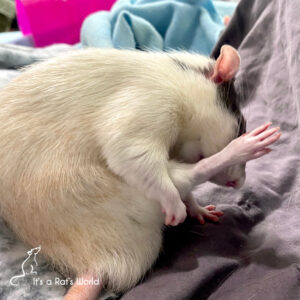
Their grooming routine involves using their paws to wipe and smooth their fur, and their teeth to nibble away at any dirt or debris. This process often requires an impressive degree of flexibility, with rats contorting their bodies into seemingly impossible positions to reach every inch of their physique. This includes venturing into the intricate pathways of their ear canals with their hind feet, a behavior that, while appearing unusual, demonstrates their thoroughness in their hygienic pursuits. The dedication to this practice can be so intense that it appears as though they are spending hours meticulously cleaning themselves, although in reality, these sessions are typically shorter but frequent.

A particularly engaging aspect of this grooming ritual is the detailed attention rats pay to their feet. Owners often observe their rats meticulously splaying out their toes, cleaning each one with remarkable precision. This level of detail in their self-maintenance reflects a deep-seated instinct for cleanliness.
Interestingly, this fastidious nature rarely extends to their tails. In three decades of observing rats, many experienced owners report witnessing tail grooming only on a handful of occasions. This oversight is a curious exception to their otherwise rigorous hygiene regimen. A rat that consistently grooms its tail is considered a notable anomaly, adding another layer to the unique behavioral profile of individual animals.
Allogrooming: Social Bonds and Unsolicited Services
The concept of grooming extends beyond self-care to "allogrooming," the act of grooming another individual. Rats engage in allogrooming with their cagemates, reinforcing social bonds and maintaining group harmony. Remarkably, this affiliative behavior can also be directed towards their human owners, demonstrating a complex interspecies social dynamic.
While many pet species engage in grooming their owners, rats can exhibit a particularly insistent or "pushy" approach. This can manifest in various ways, with some rats showing a strong preference for grooming specific areas of their human companions. A common target for this affectionate attention is the owner’s hair, where rats may gently lick or nibble. Others may focus on the face, meticulously cleaning the cheeks and even the delicate skin around the eyelids. While the intent is clearly affectionate, the small, sometimes sharp teeth of a rat can make these grooming sessions feel less than gentle, especially on sensitive facial areas.
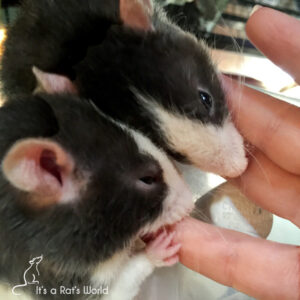
A significant number of rats direct their allogrooming efforts towards their owners’ hands and fingers, with a particular fascination for fingernails. This behavior has led to the endearing term "nail biters" for rats that exhibit this trait, not because they chew their own nails, but because they are intent on grooming yours. This behavior can be interpreted as an unselfish act, with the rat believing it is providing a necessary "trimming" or cleaning service for its human. This act of allogrooming, while sometimes perceived as an unsolicited spa treatment, is a testament to the strong social bonds that can form between rats and their owners.
Rodentists: The Unsolicited Dental Hygienists
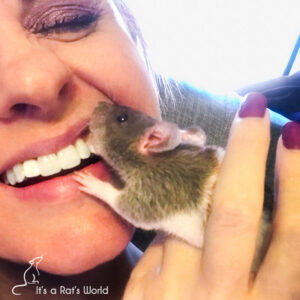
Perhaps one of the most unusual and amusing manifestations of allogrooming is the behavior known as "Rodentistry," where a rat exhibits an intense fascination with grooming its owner’s teeth. This peculiar habit, so distinct that it has its own recognized term within the rat-keeping community, involves rats attempting to insert their heads into their owners’ mouths to perform what they perceive as a dental cleaning.
Rats exhibiting this behavior, termed "rodentists," demonstrate a remarkable lack of hesitation in approaching the oral cavity. Their motivation, while not definitively understood, appears to be a drive to remove perceived debris or "clean" the teeth. This can lead to persistent attempts to pry open an owner’s mouth, often with surprisingly sharp little paws. Despite protests, such as muffled laughter or verbal refusals, the rodentist rat can be remarkably determined, using its nose to nudge its way in.
Owners who have experienced this behavior often report small, superficial scratches around their mouths as a consequence of their rat’s enthusiastic efforts. However, this perceived inconvenience is often overshadowed by the sheer amusement and affection the owner feels for their pet’s unique dedication. The "rodentist" behavior, while startling at first, is a testament to the complex social and behavioral repertoire of rats, highlighting their capacity for deep, albeit unconventional, forms of care and interaction.
Taste Testers: The Bold and the Brazen Food Thieves
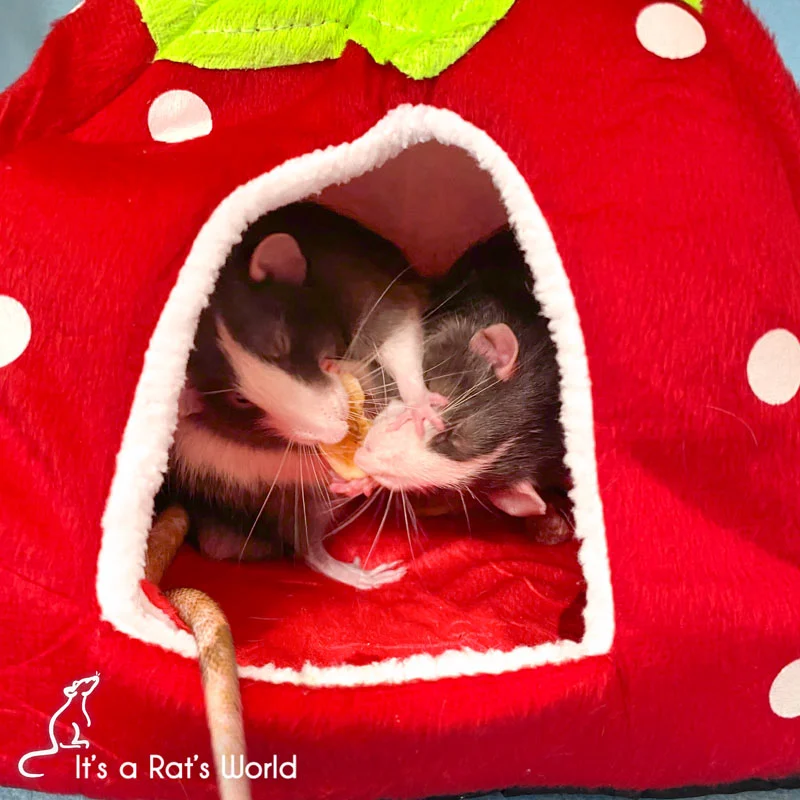
Rats possess a notable lack of pretense when it comes to food, exhibiting zero inhibitions about sampling or outright stealing human provisions. During supervised out-of-cage time, if an owner is eating, the rats are likely to take immediate notice. The moment the aroma of food reaches them, they will converge with remarkable speed and audacity, aiming to snatch morsels directly from plates or fingers. Even attempts to quickly consume food are not a deterrent, as rats are known to dive for it or, at the very least, diligently lick any residue from the owner’s lips.
This food-snatching behavior is not reserved solely for humans. Rats are equally opportunistic when interacting with their cagemates, frequently stealing food from one another, even directly from another rat’s mouth. This competitive food dynamic is a natural part of their social structure.
The implications of this behavior are clear: owners planning to enjoy a snack in the presence of their rats should be prepared for shared consumption. Beverages are also not safe from their attention; rats are content to perch on the rim of glasses or mugs, partaking in whatever liquid is available. This bold approach to food acquisition, while potentially inconvenient, is a characteristic trait that owners learn to manage and, often, find endearing.
Sleeping Styles: From Sprawled Out to Backwards
The act of sleeping in rats can also present unique and endearing behaviors. While most rats tend to sleep in a curled-up position or on their sides, a subset exhibits a preference for sleeping on their backs. This "back-sleeping" behavior is generally less common, likely due to the inherent vulnerability associated with exposing their soft underbellies. However, some rats seem unbothered by this perceived risk, opting instead to sprawl out in a relaxed, belly-up posture.
In some instances, this back-sleeping behavior can become a shared activity. Anecdotal reports describe groups of rats, even unrelated individuals, who collectively adopt this sleeping position. This suggests a potential for learned behavior or social influence within rat colonies, where one rat’s unusual habit can spread to others. This communal back-sleeping is often cited as one of the most adorable and humorous behaviors observed in pet rats.
Drinking in Tandem: A Codependent Hydration Ritual
A further quirk related to sleeping and social behavior is the phenomenon of "drinking in tandem." This involves rats engaging in synchronized drinking, often from a single water bottle nozzle. This behavior is not merely coincidental; some rats actively seek out the company of others when hydrating.
One notable example describes a rat named Potter who would often sleep directly beneath the water bottle. This positioning would naturally encourage his cagemates to drink while he was present, disrupting his slumber if they needed water. Potter’s aversion to drinking alone led him to actively join any cagemate approaching the water bottle. This behavior was reportedly contagious within his group, with all four rats eventually participating in simultaneous drinking sessions. Adding to the peculiarity, Potter would often perform his drinking ritual while lying on his back, even as his upright companions were accessing the water.
While Potter’s codependent and dramatic approach to hydration was particularly striking, the tendency for "tandem drinking" has been observed in other rats. This behavior highlights the strong social interdependence that can exist among rats, where even basic biological needs like drinking are often approached as a group activity.

The Ever-Evolving Landscape of Rat Quirks
The behaviors described above represent only a fraction of the amusing and surprising traits that domestic rats possess. Their capacity to continuously innovate and personalize their habits ensures that they remain a source of constant delight and fascination for their owners. Each rat has the potential to develop unique quirks that make them an individual, and the moment an owner believes they have encountered every possible oddity, their rat is likely to reveal a new and unexpected behavior. This ongoing discovery underscores the intelligence, adaptability, and complex emotional lives of these often-misunderstood animals, solidifying their place as captivating companions.

