


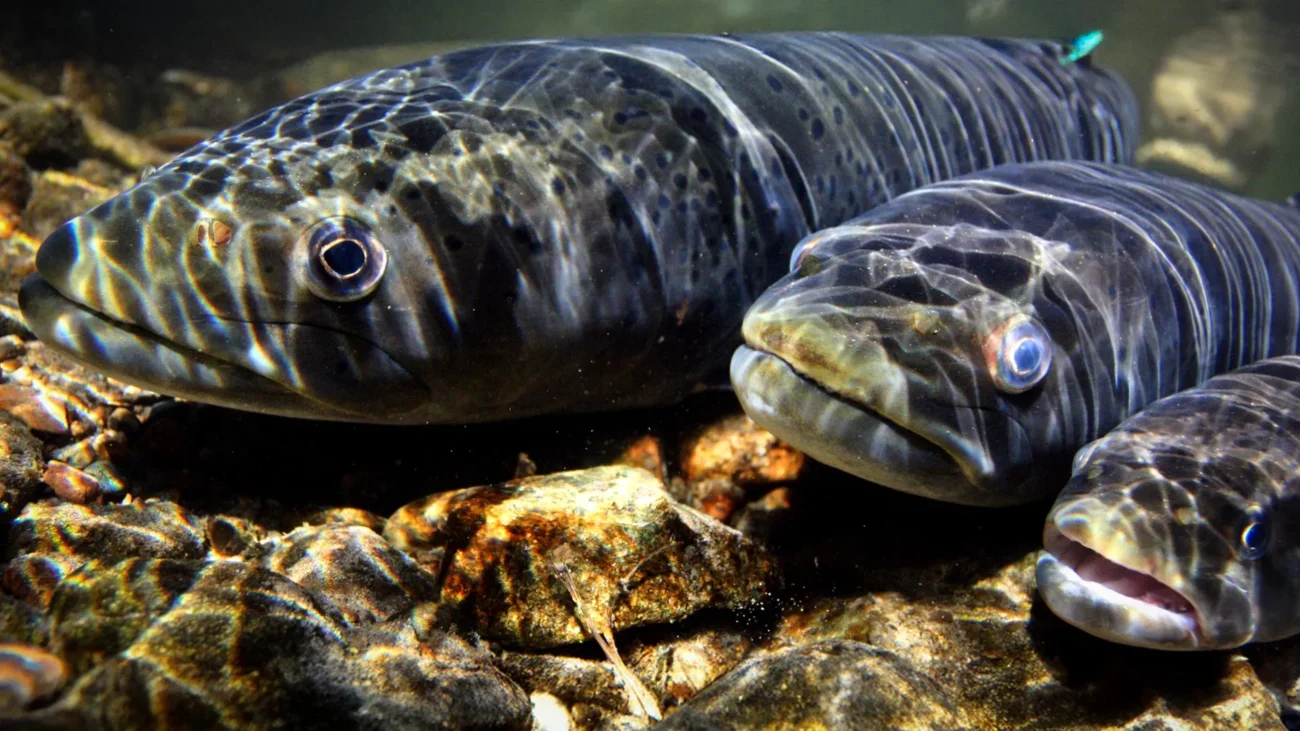
The invisible highways of our planet, the intricate networks of rivers and freshwater systems, are home to some of the most awe-inspiring and vital animal migrations on Earth. Yet, a stark new warning has emerged from the highest echelons of international environmental governance: these crucial underwater journeys are rapidly disintegrating. A landmark report, released by the Convention on the Conservation of Migratory Species of Wild Animals (CMS), a United Nations environmental treaty, reveals a widespread collapse in the populations of migratory freshwater fish, threatening not only critical ecosystems but also the food security and livelihoods of hundreds of millions of people worldwide.
A Crisis Beneath the Surface: The Global Assessment of Migratory Freshwater Fishes
The comprehensive "Global Assessment of Migratory Freshwater Fishes," unveiled at the CMS’s 15th Meeting of the Conference of the Parties (COP15) in Brazil, paints a grim picture. It identifies migratory freshwater fish as some of the most imperiled species on the planet. These aquatic travelers are not mere inhabitants of rivers; they are the architects of healthy aquatic ecosystems. Their movements are integral to nutrient cycling, seed dispersal, and maintaining the intricate balance of freshwater environments. Furthermore, they form the backbone of vast inland fisheries, providing a critical source of protein and economic sustenance for communities across the globe.
The assessment underscores the urgent need for coordinated international action, highlighting hundreds of migratory fish species that are teetering on the brink of extinction. The evidence is unequivocal: fish that depend on connected river systems, often spanning multiple national borders, are experiencing precipitous declines. The primary culprits identified are a confluence of human-induced pressures: the pervasive construction of dams that fragment rivers and block migration routes, widespread habitat degradation, escalating pollution from agricultural and industrial sources, unsustainable fishing practices, and the accelerating impacts of climate change on aquatic ecosystems.
Hundreds of Species on the Brink: A Call for Global Protection
The report has identified a staggering 325 migratory freshwater fish species as candidates for international conservation efforts, a number that extends beyond the 24 species already protected under the Convention’s Appendices. This extensive list signifies a profound, and largely overlooked, biodiversity crisis unfolding within shared river systems. The CMS Appendices categorize species requiring different levels of protection: Appendix I designates species that need the most stringent conservation measures, while Appendix II focuses on species whose conservation status necessitates international cooperation for their protection.
A regional breakdown of these 325 candidate species reveals the pervasive nature of this crisis. While the exact numbers for each region are complex due to species overlapping continents, key river systems identified as having the highest concentration of vulnerable migratory fish include:
- South America: The mighty Amazon and the vital La Plata-Paraná river basins.
- Europe: The iconic Danube River.
- Asia: The critically important Mekong River.
- Africa: The life-giving Nile River.
- Indian Sub-continent: The extensive Ganges-Brahmaputra river system.
This comprehensive assessment is built upon an exhaustive analysis of global datasets and IUCN Red List assessments, examining nearly 15,000 freshwater fish species. It represents the most thorough overview to date of the conservation challenges confronting these vital aquatic travelers.
The Unfolding Freshwater Biodiversity Crisis
While the decline of terrestrial and marine species often captures public attention, freshwater ecosystems and the species they harbor are facing an even more rapid rate of collapse. Animals living in freshwater environments are declining at a faster pace than their terrestrial or oceanic counterparts, yet the crisis affecting migratory freshwater fish has received comparatively little global focus.
These remarkable fish rely on vast, unobstructed river pathways to complete their life cycles. These pathways connect essential habitats: the spawning grounds where they reproduce, the feeding areas where they nourish themselves, and the floodplain nurseries where their young develop. Often, these journeys traverse international boundaries, requiring unimpeded access across diverse landscapes. When dams interrupt these vital corridors, water flows are unnaturally altered, or habitats are degraded, fish populations can plummet with alarming speed.
The report’s findings are stark: migratory freshwater fish populations have experienced an estimated decline of approximately 81% worldwide since 1970. This is a catastrophic loss, indicating a severe disruption to these vital ecological processes. Furthermore, the situation is dire for species already under international protection; nearly all (97%) of the 58 CMS-listed migratory fish species, encompassing both freshwater and saltwater species, are now threatened with extinction.
The Urgent Need for Basin-Wide Management
The report’s findings unequivocally demonstrate that hundreds of migratory freshwater fish species are in a precarious conservation state. Protecting them demands a fundamental shift in how we manage our rivers – from treating them as isolated national waterways to recognizing and managing them as interconnected, flowing systems. This requires unprecedented international cooperation and a holistic approach to conservation.
The Amazon Basin: A Bellwether for Global Action
As the host nation for COP15, Brazil has taken a leading role in advocating for enhanced conservation measures, particularly focusing on South America’s most extensive river systems: the Amazon and the La Plata-Paraná. The Amazon Basin, a global epicenter of biodiversity, remains one of the last significant strongholds for migratory freshwater fish. However, escalating development pressures, including deforestation, dam construction, and agricultural expansion, are increasingly jeopardizing this vital sanctuary.
A companion case study released alongside the global assessment highlights 20 migratory fish species within the Amazon that meet the criteria for potential listing under CMS Appendix II. These long-distance migratory species are not only ecologically significant but also form the cornerstone of regional fisheries. They constitute approximately 93% of total fish landings in the region, supporting an industry valued at an estimated US$436 million annually.
The migratory feats of some Amazonian fish are extraordinary. The dorado (gilded) catfish ( Brachyplatystoma rousseauxii ), a bottom-dwelling species adorned with metallic gold and silver scales and reaching impressive sizes of up to 2 meters (6.5 feet), undertakes the longest known freshwater migration of any fish species. Its life cycle involves an arduous journey of 11,000 kilometers (approximately 6,835 miles) from its origins in the Andean headwaters to its coastal nursery areas.
In a significant move to bolster conservation efforts, Brazil, in collaboration with other Amazonian nations, is proposing a Multi-species Action Plan for Amazonian Migratory Catfish, slated for implementation between 2026 and 2036. This initiative exemplifies regional cooperation aimed at safeguarding these critical species.
Extending Protection to Other Vital Basins
Brazil’s commitment to migratory fish conservation extends beyond the Amazon. The country has also proposed the addition of the spotted sorubim catfish ( Pseudoplatystoma corruscans ) to CMS Appendix II. This proposal underscores the pressing need for coordinated action within the La Plata Basin, where this iconic species faces severe threats from dam construction, altered water flow regimes, and intense fishing pressure.
These proposed initiatives represent some of the most ambitious international undertakings aimed at protecting migratory freshwater fish. They powerfully reinforce the fundamental principle of CMS: that effective conservation solutions must encompass the entire geographic range of migratory species and are intrinsically dependent on robust cooperation between nations.
Expert Voices: A United Call for Collective Action
The gravity of the situation has been amplified by statements from leading conservation experts and international organizations. Dr. Zeb Hogan, the lead author of the assessment, emphasized the hidden nature of these migrations: "Many of the world’s great wildlife migrations take place underwater. This assessment shows that migratory freshwater fish are in serious trouble, and that protecting them will require countries to work together to keep rivers connected, productive, and full of life."
Amy Fraenkel, Executive Secretary of CMS, highlighted the report’s significance: "This new assessment highlights a major priority for the conservation of migratory species and their habitats, that has not had adequate focus to date. By aligning science, policy and international cooperation, governments can safeguard the world’s remaining great freshwater fish migrations and the communities and ecosystems that depend on them."
Michele Thieme, Vice President and Deputy Lead of Freshwater at World Wildlife Fund-US, issued a stark warning: "Rivers don’t recognize borders — and neither do the fish that depend on them. The crisis unfolding beneath our waterways is far more severe than most people realize, and we are running out of time. Rivers need to be managed as connected systems, with coordination across borders, and investments in basin-wide solutions now before these migrations are lost forever."
By the Numbers: The Scale of the Global Migratory Fish Decline
The report’s stark statistics underscore the magnitude of the crisis:
- 81%: Estimated global decline in migratory freshwater fish populations since 1970.
- 97%: Percentage of CMS-listed migratory fish species (fresh and saltwater) now threatened with extinction.
- 325: Number of migratory freshwater fish species identified as candidates for international conservation efforts.
- 20: Number of migratory fish species in the Amazon Basin meeting criteria for potential CMS Appendix II listing.
- US$436 million: Estimated annual value of the Amazon regional fishery supported by migratory fish.
Implications and the Path Forward
The implications of this ongoing collapse are far-reaching. Beyond the intrinsic value of biodiversity loss, the decline of migratory freshwater fish poses a direct threat to global food security, particularly in developing nations where these fish are a primary source of protein. The economic impacts on fishing communities and associated industries will be substantial, potentially leading to increased poverty and social instability.
The report’s call for immediate action includes practical steps for governments:
- Protect and restore critical river habitats: This includes safeguarding spawning grounds, migratory corridors, and essential feeding and nursery areas.
- Remove or mitigate barriers to migration: Addressing the impact of dams and other obstructions is paramount. This could involve constructing fish passages, modifying dam operations, or, in some cases, considering dam removal.
- Reduce pollution: Implementing stricter regulations on industrial, agricultural, and urban runoff is crucial to restoring water quality.
- Implement sustainable fishing practices: This involves setting appropriate catch limits, combating illegal fishing, and protecting vulnerable life stages of fish.
- Address climate change impacts: Developing strategies to mitigate the effects of changing water temperatures, flow regimes, and extreme weather events on freshwater ecosystems.
- Enhance international cooperation: Establishing and strengthening transboundary river basin management plans and agreements.
The CMS COP15 meeting in Brazil served as a critical platform for raising awareness and fostering commitment to address this urgent crisis. The proposals emanating from the meeting, particularly those concerning the Amazon and La Plata basins, offer a roadmap for collaborative conservation efforts. The success of these initiatives hinges on the political will of nations to transcend national boundaries and invest in the long-term health of the world’s most vital freshwater arteries. The silent exodus of migratory fish is a profound warning; failing to heed it will have devastating consequences for both aquatic ecosystems and human well-being.
Documents related to the report are available in English, Spanish, and French.

