


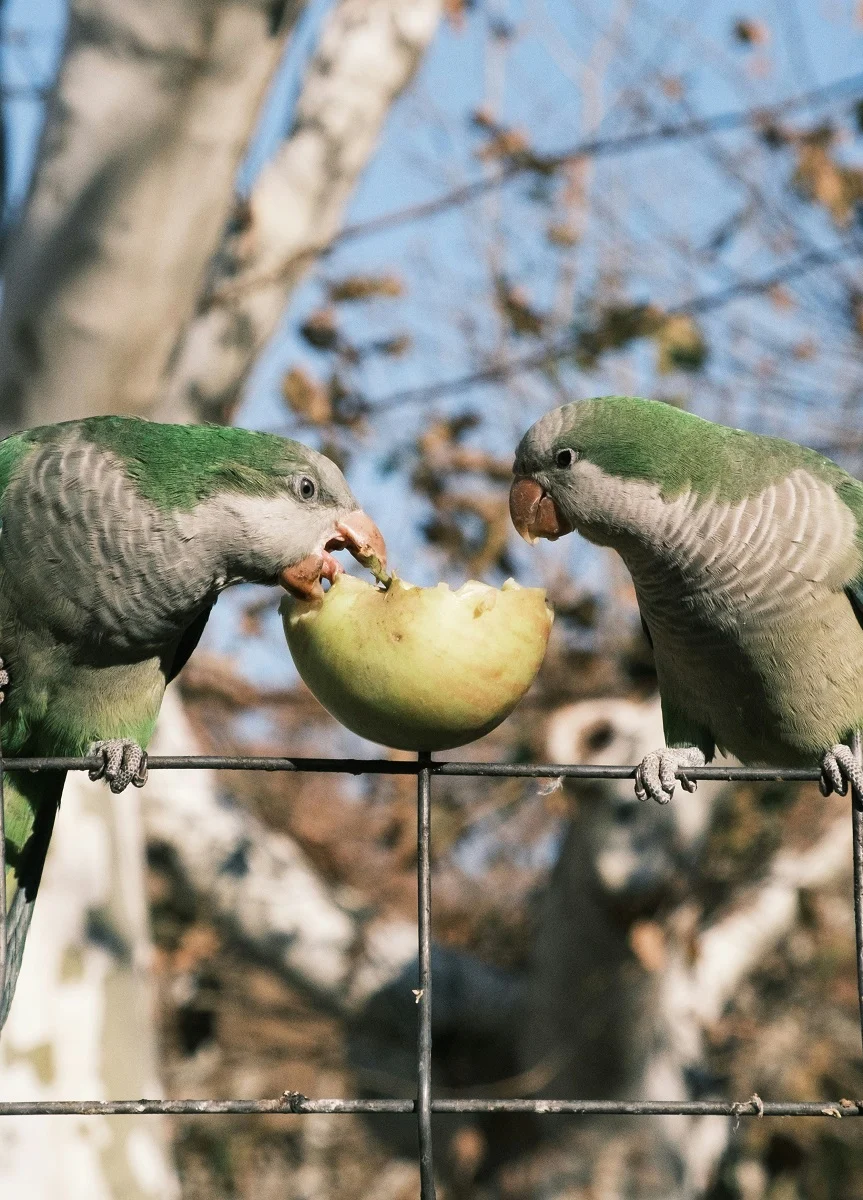
The Myiopsitta monachus, commonly known as the Quaker parrot or Monk parakeet, stands as a compelling example of a species that embodies both the charm of a companion animal and the significant challenge of an invasive threat. Originating from the diverse landscapes of South America, these cheerful and intelligent parrots have captured the hearts of many pet enthusiasts worldwide, yet their remarkable adaptability has simultaneously led to the establishment of thriving feral populations across continents, prompting complex ecological and economic concerns.
Natural History and Distinctive Traits
Native to a substantial portion of South America, the Monk parakeet’s natural range spans Argentina, southern Brazil, eastern Bolivia, most of Paraguay, and all of Uruguay. This lowland species thrives in elevations up to 3,300 feet, preferring varied habitats including wooded to sparsely wooded areas, palm forests, savannahs, and even adapting readily to urban parks. Their robust nature and dietary flexibility have been key to their survival and proliferation in diverse environments.
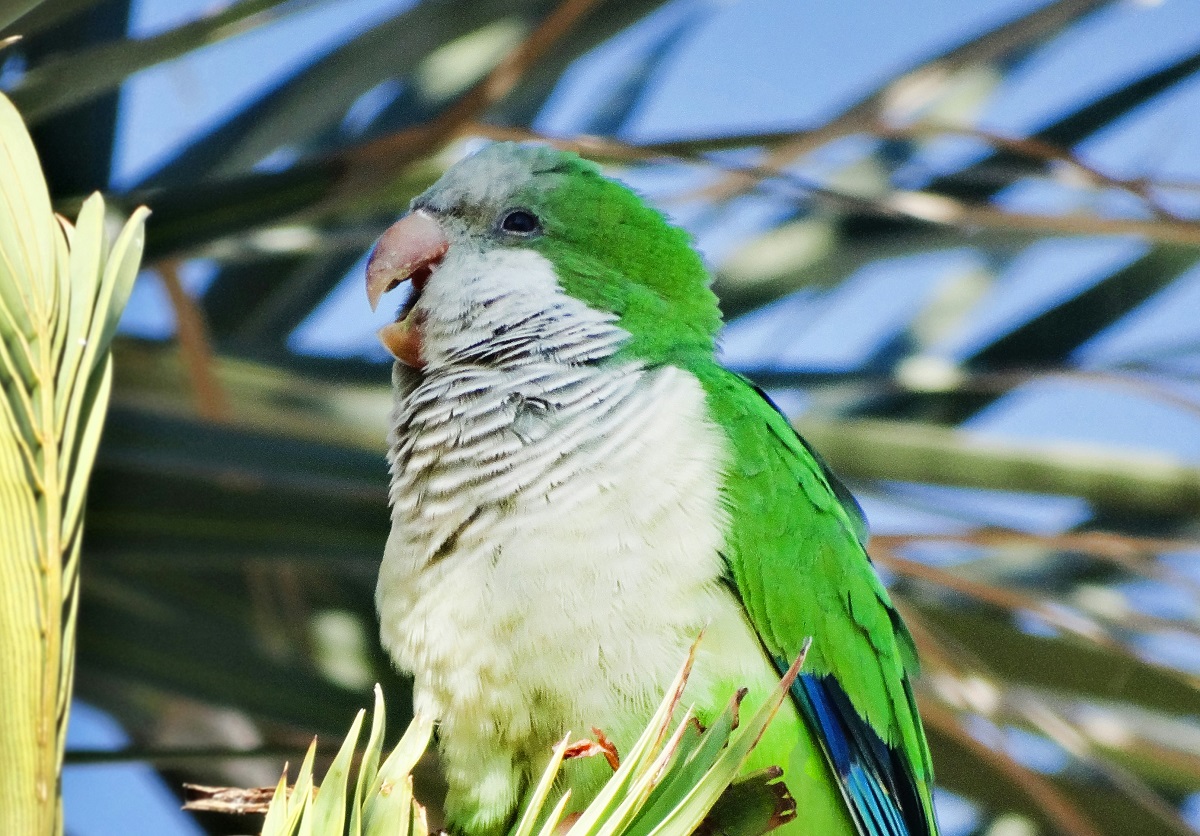
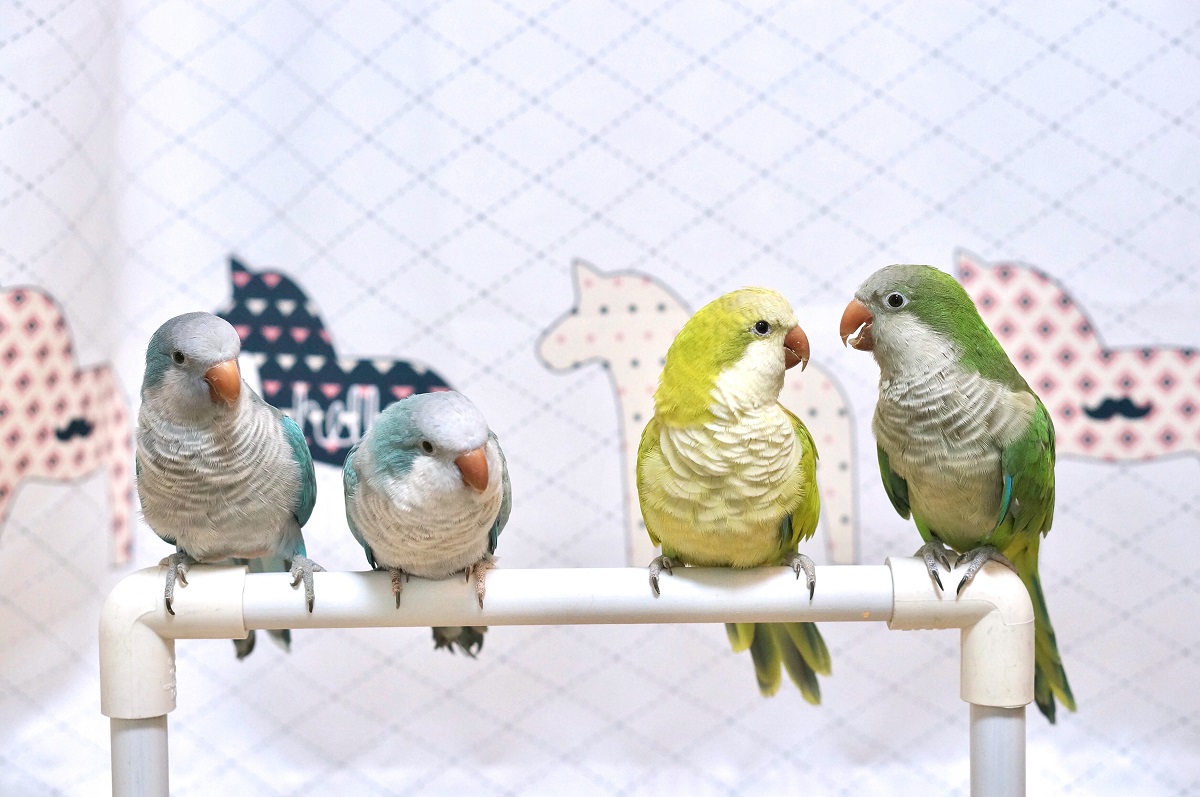
In terms of appearance, the Quaker parrot is a relatively small species, typically weighing up to 140 grams and reaching lengths of up to 13 inches. Wild specimens are easily identifiable by their mossy green backs, contrasting gray fronts, vibrant blue flight feathers, long tails, and a distinctive skin-colored beak. Through selective breeding, a remarkable array of color mutations has emerged in captivity, offering variations beyond the natural green, including striking blues, yellows, grays, and whites. While female Quaker parrots are marginally smaller than males, this difference is almost imperceptible visually, often necessitating DNA testing for definitive sex determination.
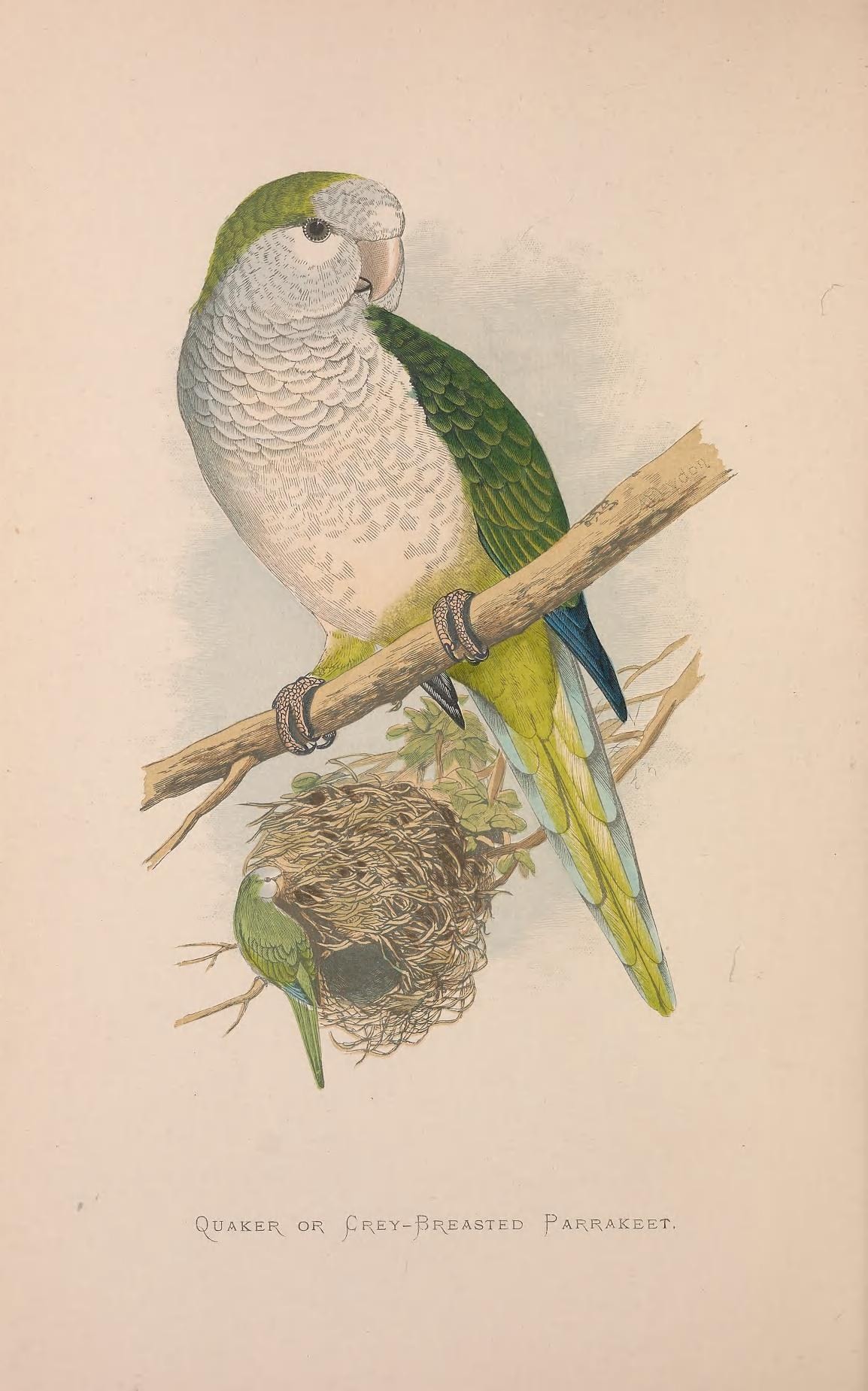
A unique and defining characteristic of the Monk parakeet is its communal nesting behavior. Unlike most parrot species that utilize tree hollows, Quakers construct elaborate, multi-chambered nests from sticks and twigs. These large, fortress-like structures can house multiple breeding pairs and offer superior insulation and protection, a factor that significantly contributes to their success in various climates, particularly in colder regions where they have become invasive. This intricate nest-building instinct can even be observed in captive birds, as they meticulously stack any elongated items they find, a behavior that, while fascinating, can sometimes trigger hormonal responses in pet birds.
The IUCN Red List currently classifies Myiopsitta monachus as a species of "Least Concern." This assessment is notably influenced by observations within their native range, where the species appears to be benefiting from certain human activities. For instance, the planting of Eucalyptus forests for paper pulp production provides additional nesting sites, while the expansion of agriculture, particularly maize cultivation, offers an abundant food source. This stands in stark contrast to the conservation status of Myiopsitta luchsi, the only other species in the genus, which is considered "Near Threatened."
The Allure of the Quaker Parrot as a Companion
For many, the appeal of the Quaker parrot as a pet lies in its vibrant personality and high intelligence. These birds are renowned for their confidence, boisterous playfulness, and an overall zest for life. A well-socialized Quaker parrot can be a clownish and highly engaging companion, often forming deep bonds with its human caregivers. They can be quite affectionate, with some individuals enjoying physical closeness and cuddles. However, their strong social instincts can also lead to attachment to a single person, potentially resulting in territoriality or aggression towards other family members. Owners must be prepared to manage this intense social dynamic through consistent training and socialization.
Beyond their endearing personalities, Quaker parrots are also celebrated for their vocal abilities. While not the quietest parrots, ranking as low to moderate in noise level, their repertoire extends far beyond grating flock calls. They produce a steady stream of whistles and chirps, and possess a remarkable capacity for mimicry. Many captive Quakers learn to imitate human speech, acquiring impressive vocabularies with their distinctively squeaky voices. They can also replicate common household sounds, adding an entertaining dimension to their presence. Owners often report a "purring" sound from contented birds, and like many parrots, they may grind their beaks when relaxed, signifying comfort. Their potential to "talk" places them among the more capable mimicking parrot species, though it is crucial to remember that their speech is an imitation of sounds, not a demonstration of semantic understanding. Teaching a Quaker to speak effectively requires consistent repetition and positive reinforcement.
With a potential lifespan of up to 30 years, owning a Quaker parrot represents a significant, long-term commitment. Prospective owners must understand that they are bringing a highly intelligent, social, and demanding creature into their lives, one that requires consistent care and interaction for decades.
Comprehensive Care for Captive Quakers
Ensuring a long and healthy life for a pet Quaker parrot necessitates meticulous attention to its dietary, housing, and enrichment needs. A fundamental shift in avian veterinary recommendations has moved away from traditional seed-heavy diets, which are now understood to lead to malnutrition. Instead, a healthy Quaker parrot diet should be primarily composed of a high-quality formulated pellet food, which provides essential nutrients. This staple should be supplemented daily with a wide variety of fresh, bird-safe fruits and vegetables such as leafy greens (kale, spinach), bell peppers, carrots, apples, berries, and occasional lean protein sources like cooked chicken or hard-boiled egg. Access to a mineral block and multiple sources of fresh water is also crucial. Understanding the nuances of parrot nutrition is paramount for preventing common health issues and promoting longevity.
Housing for Quaker parrots must prioritize space and stimulation. Although they are not the largest parrots, a cage measuring at least 30 inches wide should be considered the absolute minimum. For birds not allowed ample daily out-of-cage time, a full-sized aviary is highly recommended. It is important to note that horizontal cage length is often more critical than vertical height, as parrots predominantly utilize the upper sections of their enclosure. The cage should be outfitted with a variety of natural wood perches of varying diameters to promote foot health, along with clean food and water bowls, and a diverse selection of parrot-safe toys for mental and physical stimulation.
Enrichment is not merely a luxury but a necessity for these highly intelligent birds. Without sufficient mental and physical stimulation, Quaker parrots can easily become bored, leading to stress, excessive screaming, feather plucking, or aggression. Owners must provide a continuous supply of toys, climbing opportunities, and foraging devices to keep their birds engaged. Foraging boxes, where treats are hidden, encourage natural problem-solving behaviors. All toys must be regularly inspected for damage and replaced as needed to ensure safety. Beyond toys, consistent interaction with their human flock is vital. A solo Quaker parrot will quickly become lonely and stressed if it does not receive daily playtime, training, and social interaction from its owner. Daily out-of-cage time, ideally several hours, is also critical for exercise, preventing obesity, and fostering a strong bond. Any areas where the parrot roams must be thoroughly "bird-proofed" to eliminate hazards such as open toilets, hot surfaces, toxic plants, or rapidly spinning ceiling fans.
Regular veterinary care from an avian specialist is indispensable. Preventative care, including annual check-ups, can help detect and address common parrot ailments such as respiratory infections, nutritional deficiencies, and behavioral issues. Owners should also be prepared for emergencies, having knowledge of basic first aid for birds and immediate access to an avian veterinarian’s contact information.
The Global Invasive Species Challenge
Despite their endearing qualities as pets, Quaker parrots present a significant ecological and economic challenge due to their invasive potential. Feral populations of Myiopsitta monachus have become established in numerous countries across North America, Europe, Asia, and Africa. These populations typically originate from escaped or intentionally released pet birds that find themselves in environments conducive to survival and reproduction. Their remarkable adaptability to diverse climates, opportunistic feeding habits (including agricultural crops), and unique communal nesting behavior – which provides excellent protection and insulation – contribute to their success in establishing self-sustaining colonies.
The ecological impact of these invasive populations is multifaceted and severe. They compete with native bird species for food resources, nesting sites, and potentially transmit diseases to local wildlife. In some regions, their aggressive nature allows them to outcompete native species, leading to declines in indigenous bird populations. Economically, the impact can be substantial. Feral Quaker parrots are notorious for causing significant damage to agricultural crops, particularly maize, sunflowers, and various fruits, leading to substantial losses for farmers. Beyond agriculture, their habit of building large, stick nests on utility poles and electrical transformers frequently causes power outages, posing a public safety risk and incurring significant repair costs for utility companies. Cities like Valencia and Madrid in Spain, and numerous locations in the United States, provide common examples of urban areas grappling with these issues.
Consequently, the legal status of Quaker parrots is highly regulated in many parts of the world. In the United States, several states, including California, Pennsylvania, Georgia, Hawaii, Kentucky, New Jersey, New York, Rhode Island, and Wyoming, have outright bans or severe restrictions on the ownership, sale, or breeding of Monk parakeets. Similar restrictions exist in parts of Europe. These regulations are primarily enacted to prevent the further establishment of invasive populations and to mitigate the ongoing ecological and economic damage caused by existing feral colonies. Owners and prospective owners are strongly advised to research and adhere to all local, state, and national laws regarding this species.
Management and Policy Responses
In response to the growing invasive threat, wildlife management agencies and conservation organizations have implemented various strategies to control feral Quaker parrot populations. These efforts can include trapping, removal of nests (especially those on critical infrastructure), and, in some cases, population reduction programs. Such measures are often met with public debate, balancing the need for ecological protection with ethical considerations regarding animal welfare.
Regulatory frameworks at international and national levels play a crucial role in managing the trade and ownership of Myiopsitta monachus. While not listed on CITES appendices, the species’ known invasive potential often leads to stringent import controls and domestic possession laws. Public awareness campaigns are also vital, educating pet owners about the profound responsibility of preventing escapes and the severe consequences of releasing pets into the wild. Responsible pet ownership is paramount in preventing the introduction of new invasive species.
Ethical Considerations and Future Outlook
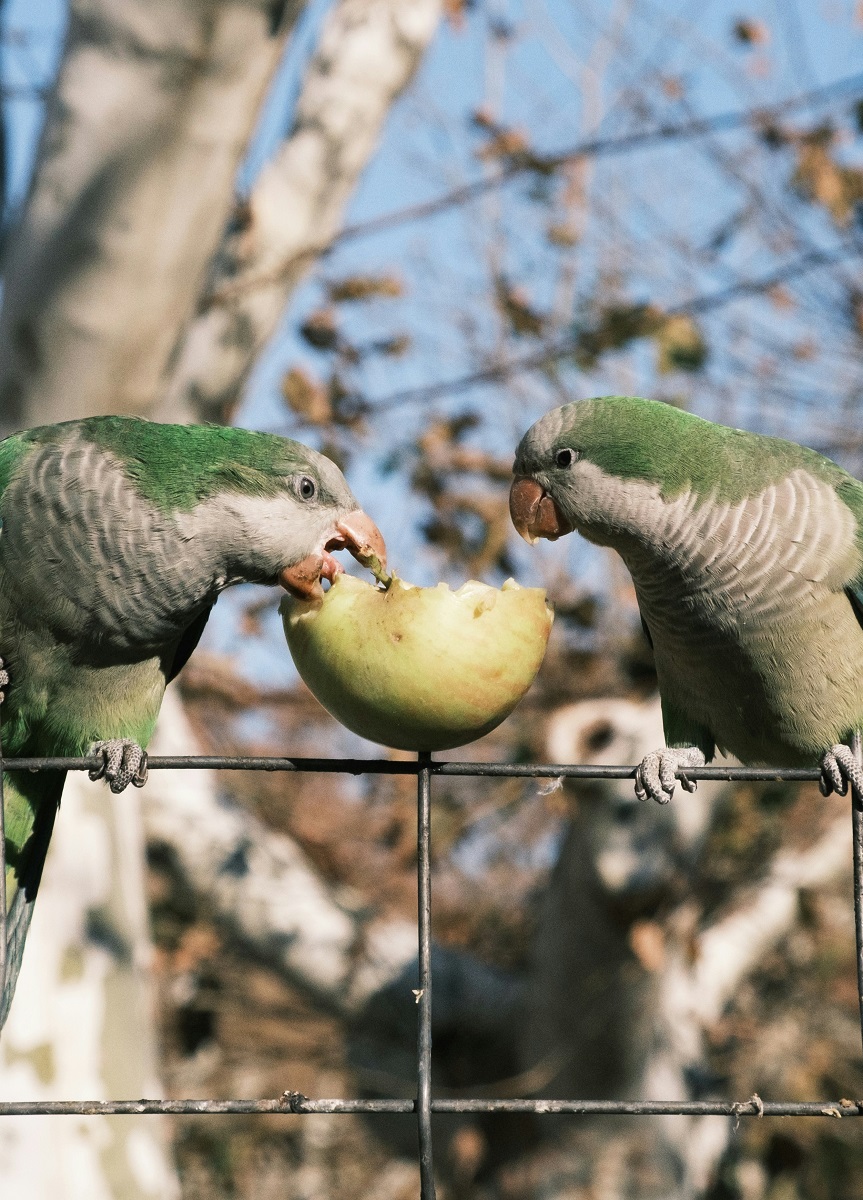
The story of the Monk parakeet is a microcosm of the complex relationship between humans and the natural world. It highlights how human actions, driven by a desire for companionship or accidental release, can have unforeseen and far-reaching ecological and economic consequences. As delightful as they are as pets, the invasive nature of Quaker parrots necessitates a cautious and responsible approach to their ownership.
Prospective owners must commit to a lifelong dedication to the bird’s welfare, providing adequate care, enrichment, and socialization, while strictly adhering to all relevant laws and regulations. For regions grappling with feral populations, continued research into effective and humane management strategies is essential, alongside ongoing public education efforts. The future of the Monk parakeet, both as a cherished companion and an ecological challenge, depends on a balanced understanding and responsible stewardship from all stakeholders.

