


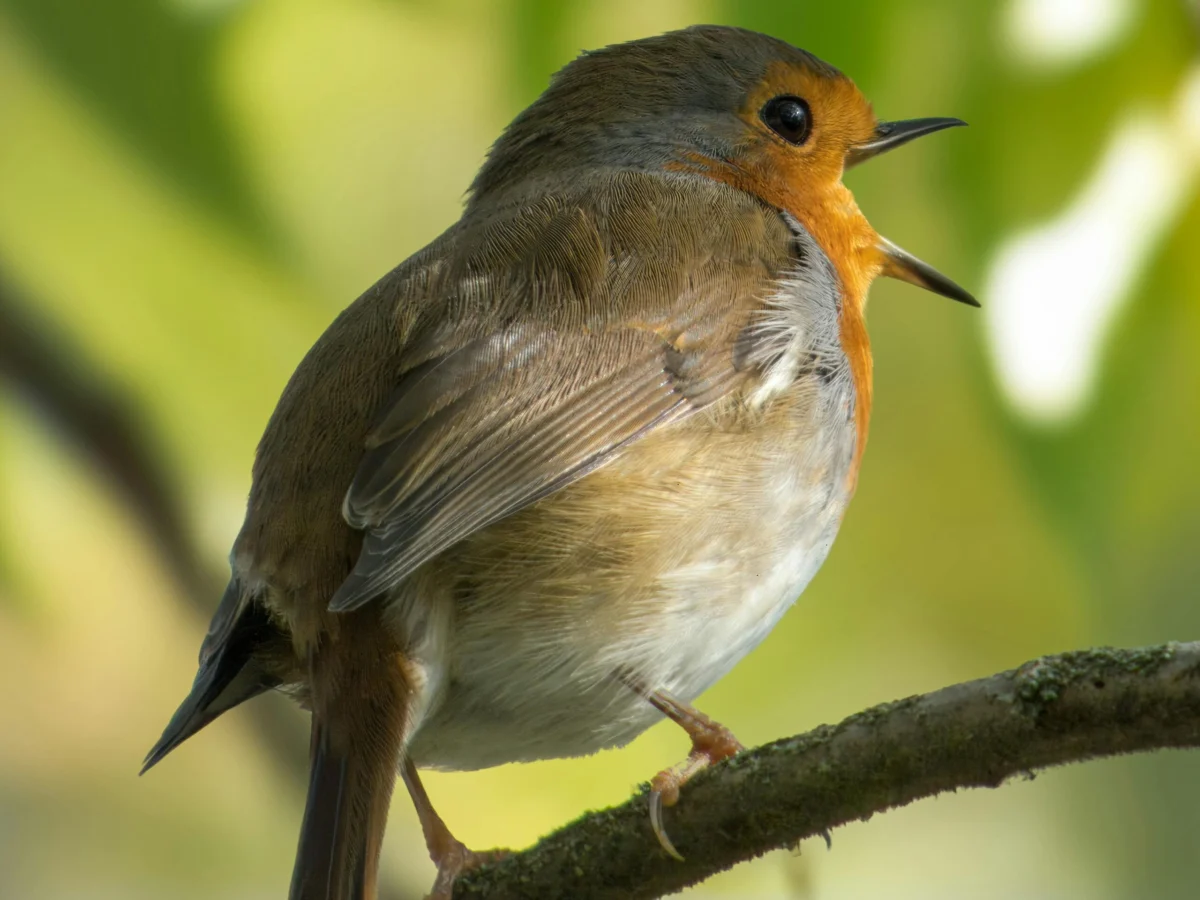
Stepping outside with the expectation of a cheerful avian symphony, only to be met with an unnerving stillness, can be a disquieting experience. The absence of chirping, calls, and the familiar background chorus can evoke a sense of unease, even concern. However, this sudden quietude in the avian world is rarely a random occurrence. Instead, it represents one of the most predictable and fascinating aspects of bird behavior, a complex communication strategy tied to their survival and daily rhythms. Understanding why birds suddenly cease their songs at certain times of the day, what is truly transpiring during these silent interludes, and when the familiar melodies inevitably return, offers a profound glimpse into the intricate lives of our feathered companions.
The Rhythmic Cadence of Avian Communication
The vibrant dawn chorus, a hallmark of many spring and summer mornings, is a time of intense vocal activity for birds. This period, often peaking shortly after sunrise, is primarily driven by territorial defense and mate attraction. Male birds, in particular, use their songs to broadcast their presence, warn off rivals, and signal their availability to potential mates. The sheer volume and diversity of these dawn songs can create an almost overwhelming auditory landscape, a testament to the critical importance of vocalization during these early hours. Scientific studies have shown that the intensity of the dawn chorus is directly correlated with factors like territory size, the presence of predators, and the density of the bird population. Research published in journals such as Behavioral Ecology and Sociobiology has documented how specific song patterns can convey detailed information about a male bird’s fitness, including his age, health, and fighting ability.
However, this symphony is not a continuous performance. As the sun climbs higher and the day progresses, the fervent singing often subsides, sometimes with remarkable abruptness. This shift is not an indication of birds vanishing from the environment but rather a deliberate change in their priorities. The vibrant morning chorus, while crucial for establishing and maintaining social structures, eventually becomes less vital, and other survival needs take precedence.
The Dawn Chorus: A Built-In Expiration Date
The morning hours are a critical window for birds. The cooler temperatures and lower light levels of dawn offer ideal conditions for singing without the immediate threat of overheating or the full glare of daytime predators. For many species, the peak of their singing activity coincides with this period, allowing their songs to travel further and be heard more clearly. This vocal output serves multiple crucial purposes:
- Territorial Defense: Male birds establish and defend their territories from rivals. A strong, persistent song is a clear signal of ownership and a deterrent to intruders.
- Mate Attraction: The intricate melodies and calls are used to attract mates. Females often assess the quality of a male’s song as an indicator of his health and genetic fitness.
- Communication with Flock Members: In social species, morning vocalizations can help coordinate group activities, such as foraging or movement.
As the day progresses, however, the advantages of constant singing diminish. Once territories are established and mates have been secured, the need for such intensive vocal displays decreases. The energy expenditure required for continuous singing becomes less justifiable when other pressing survival tasks, such as foraging for food and avoiding predators, demand attention. Consequently, the dawn chorus gradually fades, often transitioning into a more subdued pattern of calls and contact sounds. The "suddenness" of this fade can be attributed to the collective shift in behavior as more birds begin to prioritize other activities.
Midday Heat: A Call for Energy Conservation
As temperatures rise, particularly in warmer climates and during the summer months across much of the United States, birds enter a state of energy conservation. Singing is an energetically expensive activity, requiring significant physiological output. The metabolic cost of producing complex vocalizations can be substantial, especially when coupled with the demands of flight and thermoregulation in hot weather.
- The High Cost of Song: Producing a song requires a considerable amount of energy. This involves rapid breathing, muscle exertion, and increased heart rate. For birds, especially smaller species, this can be a significant drain on their limited energy reserves.
- Adapting to the Heat: During the hottest parts of the day, birds instinctively seek to minimize their metabolic rate and conserve energy. This often involves finding shade, perching in still air, and reducing physical activity. Singing, which increases body temperature and energy expenditure, becomes counterproductive.
As a result, during the late morning and mid-afternoon, many yards and natural spaces that were once alive with birdsong can seem eerily empty. This perceived absence is not due to birds leaving the area but rather their strategic retreat into a quiet, energy-saving mode. They are likely nearby, resting, preening, or seeking shelter from the heat, their vocal activities temporarily suspended until cooler temperatures prevail. This behavioral shift is a critical adaptation for survival in environments where heat stress can be a significant challenge.
The Shadow of Danger: Silence as a Shield
One of the most compelling reasons for birds to fall silent is the immediate presence or perceived threat of a predator. The instinct for self-preservation is paramount, and vocalization can, paradoxically, become a liability in such situations.

- Predator Detection: When a predator, such as a hawk, owl, or even a domestic cat, enters an area, birds employ a range of alarm signals and evasive maneuvers. However, in the initial moments of detection, or when a predator is actively hunting and relying on stealth, silence becomes the most effective defense.
- The Risk of Revealing Position: A loud song or call, while useful for communication under normal circumstances, would immediately betray a bird’s location to a nearby predator. Therefore, upon sensing danger, the instinct is to freeze, hide, and remain completely silent. This silence is not born of fear but of strategic survival. By ceasing all vocalizations, birds minimize their detectability and increase their chances of evading capture.
This abrupt silencing can spread rapidly through a flock or even across a neighborhood. The sudden cessation of all bird activity, like a switch being flipped, is a powerful indicator that danger is present. Even if the predator is not immediately visible, its mere presence can trigger this widespread silence. Experienced birdwatchers often learn to interpret this stillness as a warning sign, prompting them to look for the source of the potential threat.
Feeding Frenzies and the Pause in Song
Birds exhibit a dynamic interplay between their feeding behaviors and their vocalizations. When food sources are particularly abundant, birds often shift their focus from singing to actively consuming the readily available nourishment. This is particularly evident during specific foraging periods.
- Abundant Food Sources: During times when food is plentiful, such as the peak of insect hatches or during fruit-bearing seasons, birds will dedicate significant time to feeding. This can lead to a temporary suspension of singing as their primary objective becomes to capitalize on the bounty.
- The "Music" Pauses: While birds may still emit occasional contact calls to maintain group cohesion or signal the presence of food, the more elaborate and sustained songs that characterize territorial defense or mate attraction are often put on hold. This allows them to efficiently gather the energy reserves needed for other activities.
This behavior is common in areas with rich food supplies, where multiple individuals might be engaged in intense feeding. The overall soundscape can change dramatically, with the melodic chorus being replaced by the rustling of leaves and the sounds of feeding. However, this pause is temporary, and once the immediate feeding opportunity has passed, birds will typically resume their vocal activities.
The Internal Clockwork: Biological Rhythms and Song Cycles
Birds, like many other organisms, are governed by intricate internal biological clocks, or circadian rhythms. These internal mechanisms dictate a wide range of physiological and behavioral patterns, including sleep-wake cycles, hormone production, and, crucially, the timing of vocalizations.
- Hormonal and Neural Cycles: Throughout the day, a bird’s brain and hormonal systems undergo cyclical changes. These cycles influence their motivation to sing, their energy levels, and their overall activity patterns. For instance, hormone levels associated with territoriality and reproduction may peak at certain times of day, leading to increased singing.
- Predictable Patterns: The daily pattern of singing is remarkably consistent across many bird species. Typically, singing activity is highest in the early morning, gradually declines through the day, and may see a resurgence in the late afternoon or evening, particularly for species that engage in dusk choruses.
When the soundscape of your environment suddenly shifts from a chorus to silence, you are often witnessing the natural ebb and flow dictated by these internal biological clocks. These transitions are not arbitrary but are rather a predictable consequence of the bird’s internal physiological programming. Understanding these rhythms helps to demystify the seemingly abrupt changes in avian vocalizations.
Weather’s Influence: A Natural Mute Button
Changes in weather conditions can have a profound and immediate impact on bird song. Fluctuations in atmospheric pressure, increases in wind speed, or the imminent arrival of storms can all trigger a swift cessation of singing.
- Atmospheric Changes: Birds are sensitive to changes in atmospheric pressure and wind. A sudden drop in pressure or a gust of wind can signal approaching inclement weather.
- Acoustic Interference: Strong winds can interfere with the transmission of bird songs, making them less effective for communication. Moreover, the effort required to sing over strong winds can be considerable.
- Precautionary Silence: In anticipation of storms, birds often become more cautious and conserve energy. This can manifest as a widespread silence as they seek shelter and wait for the weather to pass. This phenomenon is often observed by keen observers who notice the quietude just before a rain shower.
This weather-induced silence is a protective measure, allowing birds to conserve energy and avoid unnecessary vocalizations when communication is likely to be ineffective or when the conditions themselves pose a risk.
Urban Environments: Noise Pollution’s Impact on Song
In urban and suburban environments, the presence of human activity and artificial noise can significantly alter when birds sing. The constant cacophony of traffic, construction, and other human-generated sounds can disrupt natural singing patterns.
- Shifting Singing Times: To be heard above the urban din, some birds have adapted by singing at different times of the day. In some instances, they may sing earlier in the morning before traffic noise intensifies or later at night when the urban soundscape is quieter.
- Suppressed Vocalizations: The continuous noise pollution can also lead to a temporary suppression of birdsong, even if the birds themselves are still present. The overwhelming noise can make it difficult for birds to communicate effectively, leading them to reduce their vocal output.
While birds may still inhabit urban areas, their ability to express themselves through song can be compromised by the pervasive noise. This highlights the broader impact of human development on wildlife and the need for more acoustically considerate urban planning.

The Inevitable Return of the Melody
Despite these periods of silence, it is crucial to remember that birdsong is a fundamentally resilient and recurring aspect of the natural world. The quiet interludes are temporary, and the vibrant soundtrack of birdlife inevitably resumes.
- Post-Predator Calm: Once the perceived threat of a predator has passed, birds will gradually begin to vocalize again, initially with tentative calls and then, as confidence returns, with their full songs.
- Temperature Relief: As temperatures cool in the late afternoon or evening, birds will emerge from their midday rest and resume their normal activities, including singing.
- Daily Rhythms Reasserted: Following the natural cycles of their internal biological clocks, birds will once again engage in territorial defense and mate attraction through song as the appropriate times of day arrive.
- Weather Improvement: Once storms have passed and calmer weather returns, birds will resume their vocalizations.
This consistent return of birdsong offers reassurance that these silences are not indicative of a permanent decline but rather a natural and adaptive pause in their daily lives.
Addressing Common Queries About Avian Silence
The phenomenon of birds falling silent often prompts questions and concerns among those who appreciate their presence. Understanding these common queries can further illuminate the natural behaviors at play.
Is silence a bad sign for birds?
No, a period of silence is generally not a bad sign. It is a normal and healthy aspect of bird behavior, driven by a variety of survival-related factors. It indicates that the birds are actively managing their environment and their own needs.
Are birds leaving my yard when it gets quiet?
Almost never. When birds go silent, they are typically not departing. Instead, they are likely resting, conserving energy, foraging discreetly, or hiding from potential threats. Their presence remains, but their vocalizations cease.
Does climate change affect when birds sing?
Yes, climate change is demonstrably affecting avian behavior. Rising global temperatures are causing shifts in singing times, with many bird species in various regions of the United States, for example, beginning their dawn choruses earlier in the day. This adaptation is a response to changing environmental cues.
Why does the silence feel unsettling to humans?
The unsettling feeling often arises because humans have become attuned to birdsong as a signal of safety and a consistent element of their environment. When this familiar auditory cue suddenly disappears, our primal instincts may interpret it as a warning or an anomaly, triggering a sense of unease. We are naturally wired to notice disruptions in familiar patterns.
Conclusion: The Language of Silence
When birds fall silent, they are not disappearing; they are engaging in a complex form of adaptation. This silence is not an absence of life but rather another language birds use to navigate their world. It is a strategy for surviving the heat, avoiding danger, conserving precious energy, and adhering to ancient biological rhythms that predate human existence.
The next time the familiar soundscape of your environment is replaced by an unexpected quiet, take a moment to observe more closely. The birds are almost certainly still present, their senses heightened, their instincts engaged. They are simply listening, strategizing, and waiting for the opportune moment to reintroduce their vibrant melodies into the world. This profound adaptability underscores the resilience and intricate intelligence of avian life, offering a constant reminder of the dynamic and often hidden processes shaping the natural world around us.

