


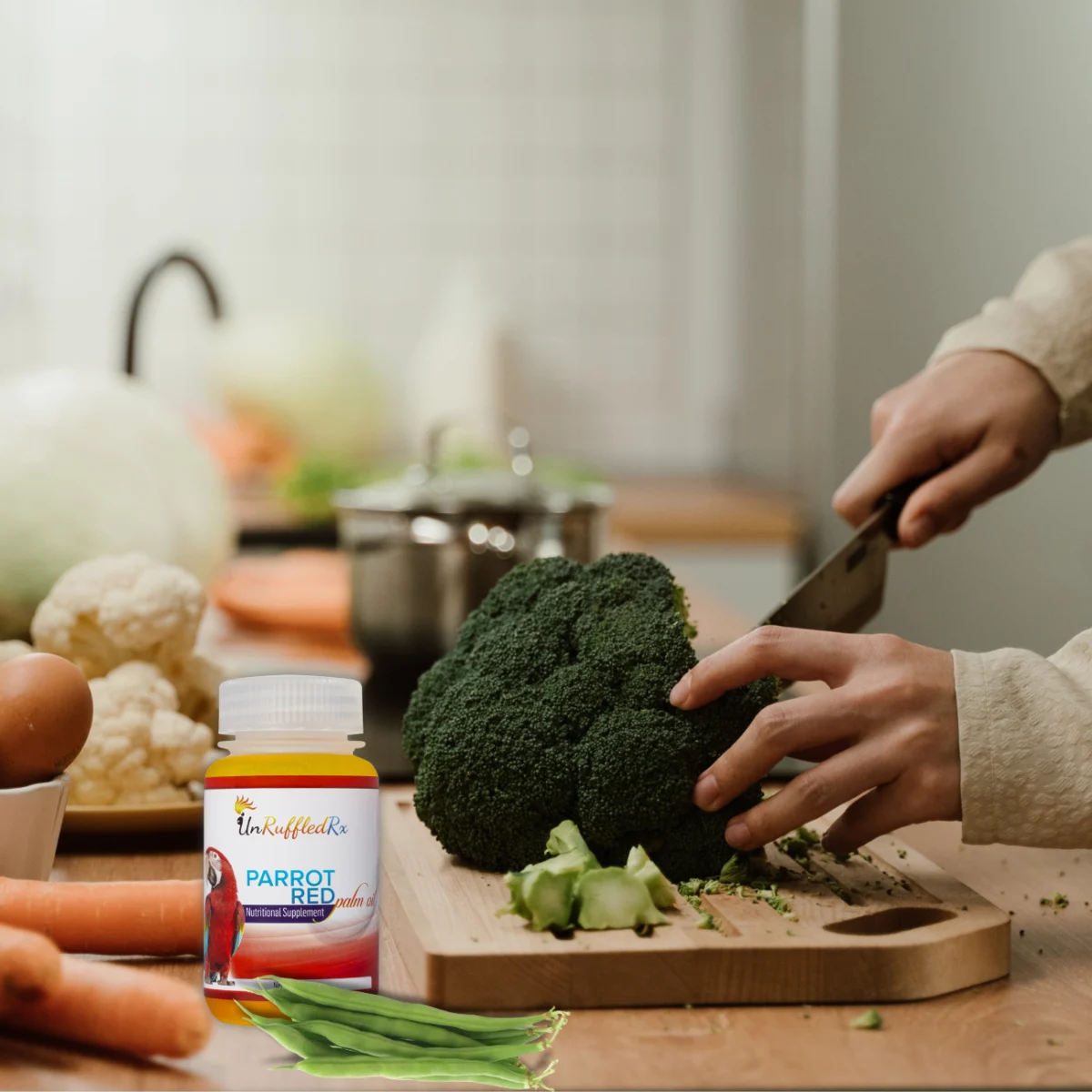
Making bird chop is recognized as one of the most effective methods for maintaining avian health and providing enriching mealtimes for parrots. However, the efficacy of bird chop varies significantly; some formulations lack crucial nutrients, while others are frequently rejected by birds due to palatability issues. This comprehensive guide, informed by expert insights and best practices in avian nutrition, details the creation of a balanced, appealing bird chop that supports overall parrot well-being.
Understanding Bird Chop: A Foundation for Avian Health
Bird chop is a meticulously prepared mixture of finely chopped fresh vegetables, fruits, grains, legumes, herbs, and spices, specifically formulated to offer parrots a complete and balanced diet while actively discouraging selective eating. Unlike traditional seed-only diets or even commercial pellets, a well-designed chop closely emulates the diverse nutritional profile and foraging experience birds encounter in their natural habitats. This approach provides essential nutrients vital for a robust immune system, efficient digestion, and optimal feather health. The cornerstone of effective chop lies in its vibrant colors, freshness, and the inclusion of ingredients that stimulate natural foraging behaviors.
The historical context of parrot diets in captivity reveals a significant evolution. For decades, seed mixes dominated the market, leading to widespread nutritional deficiencies, including hypovitaminosis A and calcium imbalances, which often manifested as chronic health issues and reduced lifespans. The introduction of formulated pellets marked an improvement by offering a more balanced base diet, yet many experts, including biologist and avian nutritionist Dr. Jason Crean, advocate for supplementing pellets with fresh, whole foods to mimic the biological diversity of a wild diet. Dr. Crean emphasizes that "variety is key, and a well-balanced chop should include a mix of vegetables, grains, legumes, and herbs to mimic the diversity birds get in the wild." This holistic perspective underscores the transition from mere sustenance to comprehensive nutritional and behavioral enrichment.
For many parrot owners, transitioning a bird from a seed-heavy or processed diet to fresh vegetables can be challenging. Parrots, being intelligent and sometimes neophobic creatures, often exhibit reluctance towards novel foods, having been reinforced to prefer high-fat seeds or readily available processed options. Overcoming this involves a strategic, gradual introduction of new ingredients, consistent food modeling sessions by owners, and positive reinforcement for any exploratory interest shown by the bird. This patient approach is critical for successful dietary transitions and long-term health benefits.
The Science Behind Avian Nutrition and Dietary Diversity
The principle of plant-based variety is paramount for a thriving, healthy parrot, mirroring their foraging patterns in the wild where they consume a colorful array of greens, fruits, grains, and seeds daily. A diet rich in diverse textures and flavors from natural, whole foods ensures a broader spectrum of nutrients, significantly reducing the risk of malnutrition. This dietary diversity provides not only macro-nutrients like carbohydrates, proteins, and fats but also critical micronutrients such as vitamins, minerals, and antioxidants, each playing a vital role in physiological functions.
For instance, Vitamin A, often deficient in seed-only diets, is crucial for immune function, vision, and epithelial tissue health. Calcium, frequently imbalanced, is essential for bone density, nerve function, and eggshell quality in breeding birds. A varied chop addresses these common deficiencies by incorporating ingredients naturally rich in these elements.
Essential Components of a Balanced Bird Chop
Crafting a comprehensive bird chop involves selecting ingredients from several key food groups, each contributing unique nutritional benefits:
Vegetables for Birds
Vegetables form the backbone of bird chop, offering a wide array of vitamins, minerals, fiber, and antioxidants with low caloric density. Dark leafy greens, cruciferous vegetables, and vibrant root vegetables are particularly beneficial.
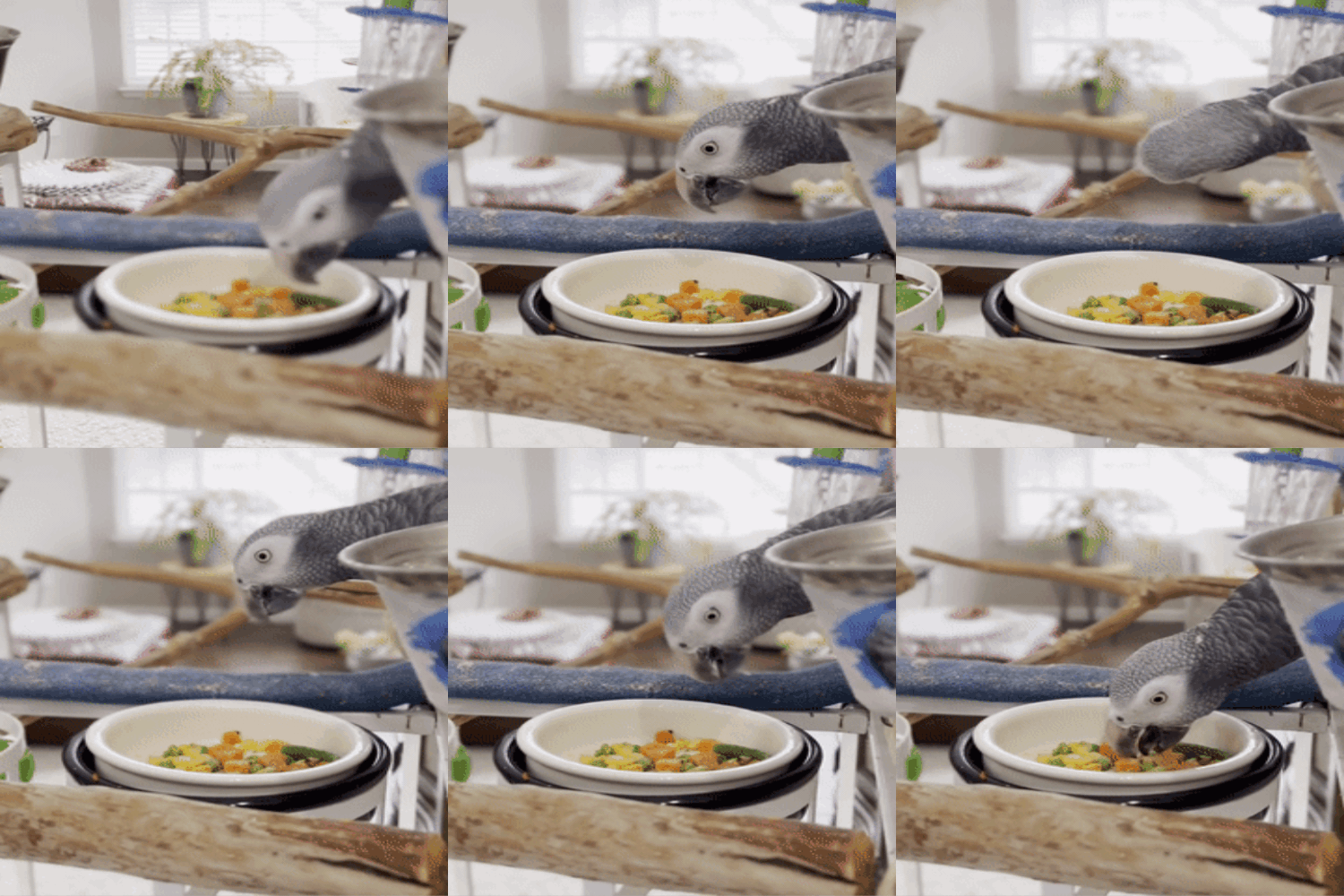
- Broccoli & Cauliflower: Rich in Vitamins C, K, and folate; supports immune health.
- Carrots: Excellent source of beta-carotene (precursor to Vitamin A), essential for vision and skin.
- Bell Peppers (all colors): High in Vitamin C and antioxidants; supports immune system.
- Kale & Spinach: Powerhouses of Vitamins A, K, C, and calcium; crucial for bone health and blood clotting.
- Sweet Potatoes: Complex carbohydrates, beta-carotene, and fiber; provide sustained energy.
- Zucchini & Yellow Squash: Hydrating and rich in vitamins, including B vitamins.
- Green Beans & Peas: Good source of protein, fiber, and various vitamins.
Fruits for Birds
Fruits provide natural sugars, vitamins, antioxidants, and hydration. Due to their sugar content, they should be offered in moderation.
- Apples (seedless): Fiber, Vitamin C, and antioxidants.
- Berries (Blueberries, Raspberries, Strawberries): Packed with antioxidants, Vitamin C, and fiber; excellent for immune support.
- Bananas: Potassium and Vitamin B6; energy source.
- Mango: High in Vitamin A and C; supports skin and feather health.
- Pomegranates: Antioxidants and Vitamin C.
- Oranges/Citrus (in moderation): Vitamin C.
Grains, Seeds, Oils, and Legumes
These components contribute essential carbohydrates, healthy fats, and plant-based proteins, crucial for energy and cellular function.
Grains: Provide complex carbohydrates for sustained energy.
- Quinoa: A complete protein, rich in iron, magnesium, and B vitamins.
- Oats (rolled or steel-cut): Soluble fiber, iron, and B vitamins; good for digestion.
- Barley: Fiber, selenium, and manganese.
- Brown Rice: Complex carbohydrates and B vitamins.
- Millet: Easily digestible carbohydrates.
- Spelt: Protein and fiber.
- Buckwheat: Protein, fiber, and various minerals.
- Amaranth: Protein, fiber, and calcium.
Seeds: Offer healthy fats, protein, and minerals.
- Hemp Seeds: Excellent source of Omega-3 and Omega-6 fatty acids in a balanced ratio, crucial for feather health, brain function, and anti-inflammatory properties.
- Chia Seeds: High in Omega-3s, fiber, and antioxidants.
- Flax Seeds: Omega-3 fatty acids and lignans.
- Sesame Seeds: Calcium, magnesium, and healthy fats.
- Sunflower Seeds (hulled, unsalted, in moderation): Vitamin E, healthy fats.
- Pumpkin Seeds (hulled, unsalted): Zinc, magnesium, and healthy fats.
Oils: Red Palm Oil is particularly noteworthy for its high beta-carotene content, which is metabolized into Vitamin A, and its balanced Omega fatty acid profile. It supports feather pigmentation, skin health, and overall immunity.
Legumes: Powerhouses of plant-based protein, fiber, iron, folate, and B vitamins. They are a valuable addition but require proper preparation.
- Bird-safe legumes: Lentils, chickpeas, mung beans, adzuki beans, black beans, and split peas.
- Crucial Preparation: Legumes must be thoroughly soaked and cooked to eliminate natural anti-nutrients like lectins, which are toxic if consumed raw or undercooked. Lentils and mung beans are often preferred due to their quicker cooking time and easier digestibility.
- Moderation: Due to their nutrient density, legumes should be served in moderation as part of a varied diet, supporting muscle development and sustained energy. Rotating different types ensures a broad spectrum of amino acids.
Herbs and Spices
Beyond flavor, many herbs and spices possess beneficial medicinal properties, supporting joint health, digestion, relaxation, and overall wellness.
Herbs:
- Chamomile: Calming properties, aids digestion.
- Dandelion: Liver support, natural diuretic, rich in vitamins.
- Milk Thistle: Liver detoxification and protection.
- Parsley: Vitamins K, C, A, and iron.
- Cilantro: Detoxifying properties, rich in Vitamin K.
- Basil: Antioxidant, anti-inflammatory.
- Oregano: Potent antimicrobial and antioxidant properties.
- Rosemary: Antioxidant, anti-inflammatory.
Spices:
- Turmeric: Powerful anti-inflammatory and antioxidant properties due to curcumin.
- Cinnamon: Antioxidant, can help regulate blood sugar.
- Ginger: Digestive aid, anti-inflammatory.
- Garlic (in moderation, cooked): Immune support, antimicrobial.
- Cayenne Pepper (small amounts): Stimulates circulation.
- Black Pepper: Aids nutrient absorption, especially curcumin from turmeric.
The anecdotal evidence from experienced parrot owners often highlights the transformative power of a nutrient-packed chop. For instance, Diane Burroughs, LCSW, an expert in avian behavior and nutrition, recounts a veterinarian’s surprise at the exceptional feather health of her green-cheeked conure, Kiwi, noting the thickness and vitality of her plumage. This underscores that a meticulously prepared diet directly translates to visible markers of health and resilience.
Preparing Optimal Bird Chop: A Step-by-Step Guide
The cornerstone of an effective bird chop lies in its variety and preparation. Wild birds never consume the same diet daily, and replicating this diversity in captivity prevents boredom, encourages consumption, and ensures a broad intake of essential vitamins, minerals, and antioxidants.
Step 1: Creating the Base
The process begins with a base mix of fresh, organic vegetables and fruits, finely chopped into small, rice-sized pieces. This fine chopping is crucial as it prevents birds from selectively picking out their preferred ingredients, ensuring they consume a balanced meal with every bite.

- Common Base Ingredients: Carrots, bell peppers, zucchini, kale, sweet potato.
Step 2: Adding Chop Toppers
To enhance both nutritional value and palatability, "chop toppers" are integrated daily. These are pre-mixed add-ins that provide an extra boost of flavor and health benefits, promoting excitement and preventing dietary monotony.
- Examples of Toppers: Quinoa, hemp seeds, dried herbs, cooked lentils, small amounts of bird-safe oils like red palm oil.
Step 3: Daily Rotations for Maximum Nutrition
Dietary rotation is fundamental. Just as humans tire of repetitive meals, birds benefit from varied menus. Implementing a daily or weekly rotation of different vegetables, fruits, grains, and toppers ensures a comprehensive nutrient intake and keeps mealtime engaging. One day might feature chamomile and chia seeds, while the next could include hemp seeds and turmeric. This method is vital for delivering a complete spectrum of nutrients.
Step 4: Portioning & Storage
Appropriate portion control is as important as ingredient selection.
- Small Birds (Budgies, Cockatiels, Parrotlets): Approximately 1 teaspoon of chop per meal.
- Larger Birds (Cockatoos, Macaws, African Greys): A few tablespoons per serving.
For efficiency, preparing the base mix in larger batches and storing it refrigerated for up to 3 days is recommended. Freezing extra portions in small containers or ice cube trays allows for convenient thawing as needed. Each morning, a fresh serving can be retrieved and combined with the day’s selected chop toppers, ensuring freshness and excitement.
Step 5: Best Feeding Times & Enrichment
Parrots are typically most active and hungry in the morning. Serving chop as the first meal of the day maximizes nutrient absorption. Later in the day, incorporating foraging toys stuffed with vegetables offers significant mental and physical enrichment. This dual approach ensures birds receive vital nutrients while satisfying their innate drive to forage and explore.
Customizing Chop for Different Birds
Avian species exhibit diverse dietary needs, necessitating customized chop formulations based on species, size, activity level, and specific health considerations.
For Small Birds (Budgies, Cockatiels, Parrotlets)
Small birds have higher metabolic rates relative to their size and require nutrient-dense, easily digestible foods.
- Finely Chopped Ingredients: All components should be very finely chopped to accommodate their smaller beaks and ensure every bite is nutrient-rich.
- Emphasis on Seeds/Grains: A slightly higher proportion of small, nutritious seeds (e.g., millet, chia, hemp) and grains (e.g., quinoa) can provide necessary energy.
- Leafy Greens & Microgreens: Offer a good source of vitamins without excessive bulk.
For Medium Birds (Conures, Quakers, Senegals)
Medium-sized parrots generally benefit from a balanced mix with a good variety of textures.
- Varied Textures: Can handle slightly larger pieces than small birds, encouraging more active foraging.
- Balanced Macronutrients: A good balance of complex carbohydrates (sweet potato, brown rice), lean proteins (cooked legumes), and healthy fats (hemp seeds) to support their active lifestyles.
- Diverse Vegetables & Fruits: Broad spectrum of colorful vegetables and fruits to ensure comprehensive vitamin and mineral intake.
For Large Birds (African Greys, Amazons, Macaws, Cockatoos)
Large parrots often have specific dietary needs, such as a requirement for lower fat content in Amazons or particular nutrient balances for African Greys.
- Larger Chunks: Can manage more substantial pieces, which can be incorporated into foraging toys for extended enrichment.
- Species-Specific Considerations:
- African Greys: May benefit from higher calcium-rich foods (dark leafy greens, sesame seeds) and Vitamin A sources (carrots, sweet potatoes).
- Amazons: Often prone to obesity; emphasize lower-fat vegetables and fruits, with limited high-fat seeds.
- Macaws: Benefit from healthy fats (walnuts, almonds, red palm oil in moderation) for feather health, alongside a rich variety of fruits and vegetables.
- Protein and Fiber: Adequate cooked legumes and high-fiber vegetables are essential for their larger digestive systems.
Advanced Tips & FAQs
Addressing common challenges and questions can further empower owners to provide optimal chop.

How Do I Introduce New Ingredients?
Patience and persistence are key. Begin by mixing a minute amount of the new ingredient into familiar, favorite foods. Offer the new food repeatedly, in various forms (raw, lightly steamed, pureed), as preferences can vary. Positive reinforcement, such as verbal praise or a favorite treat after a successful interaction, significantly aids acceptance.
What If My Bird Refuses to Eat Chop?
Reluctance is common, especially in birds accustomed to seed-heavy diets.
- Food Modeling: Enthusiastically eat the vegetables yourself in front of your bird, demonstrating enjoyment. Parrots are highly observant and often mimic their flock members (you).
- Morning Offering: Serve chop as the first meal when hunger is highest.
- Gradual Transition: Slowly reduce the amount of their old diet while increasing chop availability.
- Texture and Temperature: Experiment with different textures (finely minced, slightly chunky) and temperatures (room temperature, slightly warm).
Can I Use Frozen or Dried Ingredients?
Yes, both can be beneficial. Freezing pre-portioned chop simplifies meal preparation and extends shelf life. Many birds enjoy the varied textures of freeze-dried fruits, vegetables, and herbs. Ensure any dried options are unsweetened, unsulfured, and free from artificial additives.
How Often Should I Change Up the Chop Recipe?
Regular rotation keeps birds engaged and ensures a diverse nutrient intake. Rotating ingredients weekly, or even swapping out a few items in each batch, maintains freshness and interest.
Do I Need to Cook Anything?
Certain ingredients, such as sweet potatoes, lentils, barley, and other legumes, are best cooked to improve digestibility and eliminate anti-nutrients. Conversely, leafy greens, bell peppers, and many fruits retain more nutrients when served raw. A mix of cooked and raw ingredients offers the best balance.
Bird Chop Recipes for Optimal Health
Birdie Super Boost Chop
This recipe provides a potent nutritional boost, focusing on ease of preparation and comprehensive nutrient delivery.
Ingredients
- Base Mix:
- 1 cup finely chopped carrots
- 1 cup finely chopped bell peppers (mixed colors)
- ½ cup finely chopped kale
- ½ cup finely chopped zucchini
- ¼ cup cooked quinoa
- Chop Toppers (for an extra nutritional boost):
- 1 tablespoon hemp seeds
- 1 teaspoon turmeric powder
- ½ teaspoon spirulina powder
- 1 tablespoon cooked lentils (rinsed)
- ¼ teaspoon red palm oil (optional, for Vitamin A)
Instructions
- Prepare Base Mix: Combine all base mix ingredients in a large bowl. Ensure vegetables are finely chopped to prevent selective eating.
- Add Toppers: Sprinkle in hemp seeds, turmeric, spirulina, cooked lentils, and red palm oil.
- Mix Thoroughly: Gently mix all ingredients until evenly distributed.
- Portion & Serve: Serve appropriate portion sizes based on your bird’s species and size.
- Store: Store any remaining chop in an airtight container in the refrigerator for upg to 3 days, or freeze in individual portions.
Winter Wellness Chop
Designed to combat the challenges of cold weather and dry indoor air, this chop supports hydration, feather condition, and immune function, also aiding in preparation for spring molt and breeding.
Ingredients
- Base Mix (approx. 2 cups total):
- ½ cup finely chopped sweet potato (cooked and cooled)
- ½ cup finely chopped butternut squash (cooked and cooled)
- ½ cup finely chopped spinach
- ¼ cup finely chopped cranberries (fresh or unsweetened dried)
- ¼ cup cooked oats (steel-cut or rolled)
- Chop Toppers (for an extra nutritional boost):
- 1 tablespoon chia seeds
- 1 teaspoon ginger powder
- 1 teaspoon Ceylon cinnamon
- ½ teaspoon milk thistle powder
- ¼ teaspoon red palm oil
Instructions

- Cook & Cool: Cook sweet potato, butternut squash, and oats until tender, then cool completely.
- Chop & Combine: Finely chop spinach and cranberries. Combine all base mix ingredients.
- Integrate Toppers: Add chia seeds, ginger powder, cinnamon, milk thistle powder, and red palm oil to the mix.
- Mix Well: Ensure all ingredients are thoroughly blended.
- Serve & Store: Serve immediately or store as directed above.
Garden Fresh Forage Chop
Ideal for garden enthusiasts or farmers market shoppers, this chop utilizes vibrant, seasonal produce to support digestion, feather health, and mental engagement through foraging.
Ingredients
- Base Mix (approx. 2 cups total):
- ½ cup finely chopped kale or dandelion greens
- ½ cup finely chopped snap peas
- ½ cup finely chopped bell peppers (various colors)
- ¼ cup finely chopped broccoli florets
- ¼ cup finely chopped fresh parsley or cilantro
- Chop Toppers (for an extra nutritional boost):
- 1 tablespoon sprouted mung beans (cooked)
- 1 teaspoon dried chamomile flowers
- 1 tablespoon flax seeds
- 1 teaspoon dried oregano
- ¼ cup unsweetened dried fruit mix (e.g., blueberries, mango)
Instructions
- Chop Vegetables: Finely chop all fresh vegetables and herbs.
- Prepare Sprouted Beans: Cook sprouted mung beans until tender and cool.
- Combine Base: Mix all base ingredients in a large bowl.
- Add Forage Toppers: Stir in sprouted mung beans, dried chamomile, flax seeds, dried oregano, and dried fruit mix.
- Mix Gently: Ensure a uniform distribution of ingredients.
- Serve & Enrich: Use for foraging activities or serve as a regular meal.
Foraging Fun: How to Serve
- Stuff Foraging Toys: Pack the chop into various foraging toys to encourage natural problem-solving and extended engagement.
- Scatter Feeding: Sprinkle small amounts of chop on a clean tray or across the cage floor to stimulate natural ground foraging.
- Puzzle Bowls: Use slow-feeder bowls or puzzle feeders to make mealtime more challenging and stimulating.
The Broader Impact of a Superior Diet
Implementing a balanced, nutrient-rich bird chop has profound implications for a parrot’s overall health and longevity. Beyond preventing specific nutritional deficiencies, a well-formulated diet can significantly reduce the incidence of common avian health issues, leading to fewer veterinary visits and a higher quality of life. Improved feather quality, vibrant plumage, stronger immunity against diseases, enhanced digestive health, and stable energy levels are all direct benefits. Furthermore, dietary enrichment through chop can positively influence behavior, reducing anxiety, feather plucking, and other stress-related issues often linked to boredom and nutritional inadequacy.
In conclusion, creating a balanced, nutritious chop is undeniably one of the most impactful ways to support a parrot’s overall health. While sourcing, chopping, and preparing fresh, high-quality ingredients daily requires commitment, the long-term benefits for avian well-being are immeasurable. For owners seeking to enhance their homemade chop with targeted nutritional boosts without extensive additional prep work, specialized avian natural supplements can be invaluable. Products like SereniTea for stress relief, Omega Glow for feather health, and Red Palm Oil for essential vitamins offer convenient ways to elevate the nutritional power of any chop. By integrating these high-quality, bird-safe ingredients, owners can easily provide variety and balance, ensuring their parrots receive all the nutrients required for a vibrant, healthy, and enriched life.
Related Posts:
- Three Problems with an All Seed Bird Diet for Parrots
- Signs of Bird Malnutrition and How To Fix Your Birds Diet
- Fat is not the "F" Word
References:
- Omega Fatty Acids: Getting the right balance
- The difference between Omega 3 and Omega 6
- Eclectus Toe Tapping
- Diet and behavior in companion birds
- Ford, S. L., (2009) Balancing Your Parrot’s Lifestyle. VeterinaryPartner.com.
- https://ezinearticles.com/?Essential-Fatty-Acids-for-Parrots&id=62021
- Pet food standards explained
- Is ultra-processed foods aging our pets?
Link to this blog
Burroughs, D. (2025, February 6). How to make healthy bird chop your parrot will actually eat. BirdSupplies.com. https://birdsupplies.com/blogs/news/how-to-make-bird-chop-your-parrot-will-actually-eat
Diane Burroughs, LCSW, is a licensed psychotherapist specializing in avian anxiety disorders, nervous bird behaviors, and overall bird care. With training in ABA therapy and certification in Nutrition For Mental Health, Diane has authored several books on bird behavior and offers expert consultations for resolving issues like feather plucking and bird anxiety. Her work has been featured in the Journal of Avian Medicine and Surgery and presented at Exoticscon. Diane also mediates the Feather Plucking Help group on Facebook, offering support to parrot owners. With over 30 years of experience, Diane has developed thousands of successful individualized behavior plans, promoting parrot wellness and excellent bird care.
TAGS: #BirdChop#BirdChopRecipe #VegetablesForBirds

