


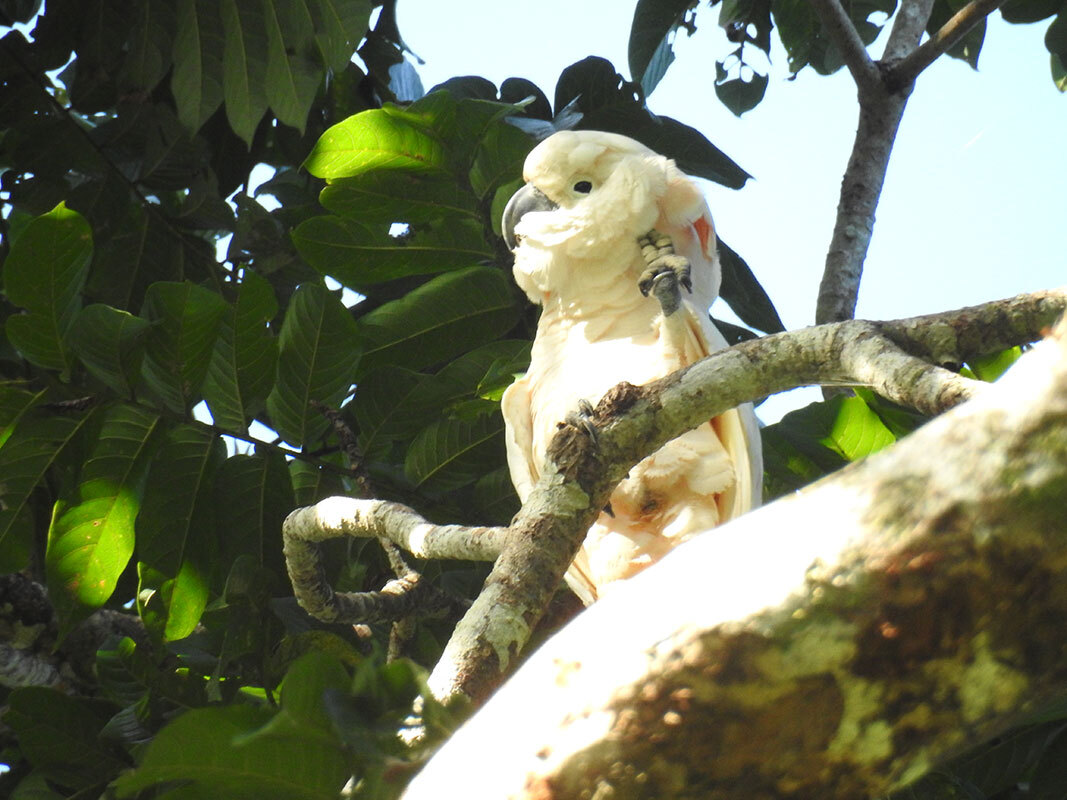
The majestic salmon-crested cockatoo, more commonly known as the Moluccan cockatoo (Cacatua moluccensis), faces a precarious future in its native Indonesian habitat. Endemic to Seram, the largest and most ecologically significant island in Indonesia’s Maluku province, this highly intelligent and visually striking parrot is critically endangered. However, a groundbreaking agreement forged in 2019 between the Indonesian NGO Perkumpulan Konservasi Kakatua Indonesia (KKI) and the indigenous Huaulu tribe of North Seram offers a beacon of hope, demonstrating a powerful synergy between cultural preservation and wildlife conservation. This unique partnership addresses a complex challenge: how to respect and sustain a centuries-old tribal ritual that traditionally involved the hunting of this protected species.
The Magnificent Moluccan Cockatoo: A Species in Peril
Known for their soulful dark eyes and a glorious crest of peachy-salmon feathers that erupts when startled or excited, Moluccan cockatoos are among the most charismatic members of the parrot family. Their presence in the dense rainforests of Seram is unmistakable, not only for their vibrant plumage but also for their formidable vocalizations. Capable of producing calls reaching up to 135 decibels – comparable to the sound of a jet engine at takeoff or a live rock concert – they are undeniably one of the loudest species in the avian world. These impressive birds can live exceptionally long lives, with records indicating individuals surviving for over 90 years in captivity, a testament to their inherent resilience when conditions are optimal.
Despite their longevity potential, the wild populations of Moluccan cockatoos have plummeted dramatically. They have been listed on Appendix I of the Convention on International Trade in Endangered Species of Wild Fauna and Flora (CITES) since 1989, a classification that prohibits all international commercial trade of wild-caught specimens due to their severe threat of extinction. Furthermore, the species is categorized as "Endangered" on the IUCN Red List of Threatened Species, reflecting a drastic decline in numbers. Historically, their distribution extended to several satellite islands surrounding Seram, including Haruku, Saparua, and Nusa Laut, where they are now tragically declared extinct.
The precipitous decline of the Moluccan cockatoo is primarily attributed to two pervasive threats: rampant illegal trapping for the exotic pet trade and extensive habitat loss. The vibrant plumage and intelligent, engaging personalities of Moluccan cockatoos make them highly sought-after in the global pet market, despite legal protections. Poachers employ cruel and often indiscriminate methods to capture wild birds, leading to high mortality rates during capture, transport, and initial captivity. For every bird that reaches a pet owner, many more perish. Simultaneously, the rainforests of Seram, their vital habitat, are under relentless pressure from deforestation driven by illegal logging, agricultural expansion (including palm oil plantations), and mining operations. These activities fragment and destroy the ancient trees that provide nesting sites, food sources, and shelter, leaving the cockatoos with dwindling resources and increasing vulnerability. The combined effect of these pressures has pushed the species to the brink, amplifying the urgent need for effective, localized conservation strategies.
The Huaulu Tribe and the Sacred Lakam
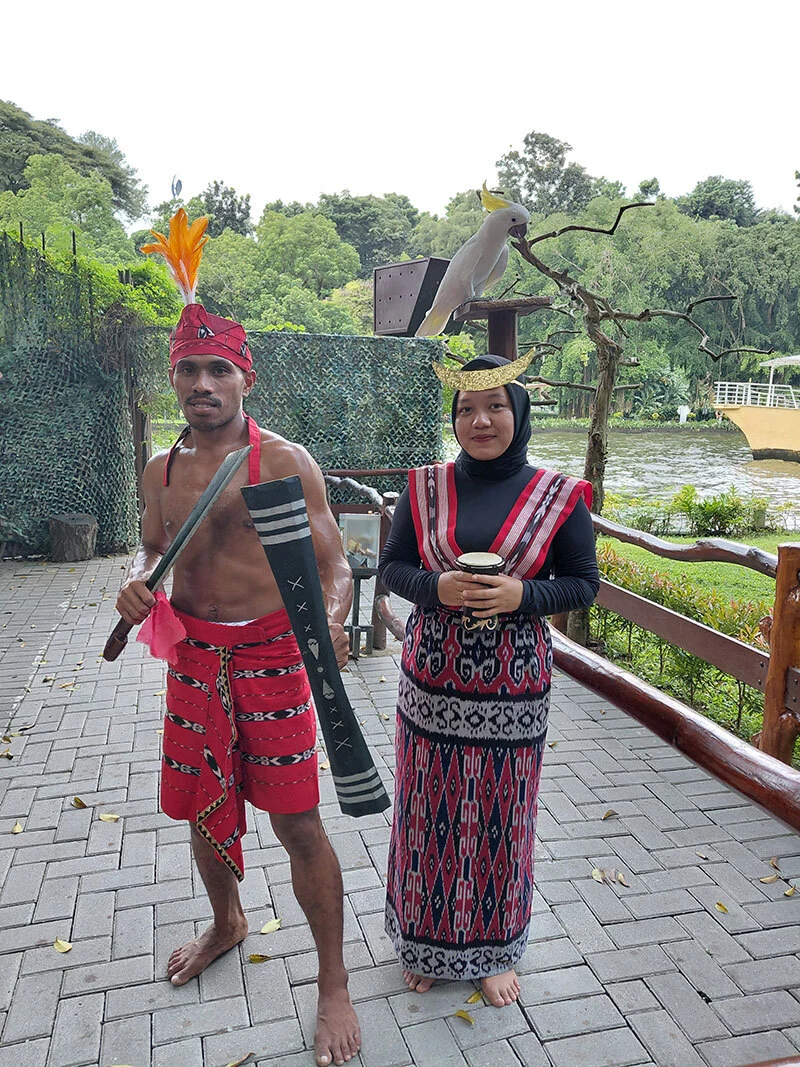
In the remote reaches of North Seram, the Moluccan cockatoo, locally known as lakam, holds profound cultural and spiritual significance for the Huaulu indigenous tribe. For generations, the Huaulu people have maintained an intricate relationship with their forest environment, their way of life deeply interwoven with the rhythms of nature and the creatures that inhabit it. The lakam is not merely an animal; it is a sacred entity, a symbol imbued with powerful meanings that resonate throughout their societal structure and spiritual beliefs.
Central to Huaulu culture is the Cidaku ritual, a pivotal rite of passage that marks a young man’s transition from adolescence to adulthood. Between the ages of 12 and 17, Huaulu boys are expected to undertake this ceremony, which traditionally involves the hunting of the Moluccan cockatoo. The primary objective is to acquire the bird’s prized salmon-colored crest feathers, which are meticulously crafted into a ceremonial headdress known as a puheliam. This headdress is an indispensable component of the Cidaku ritual, its presence symbolizing the successful completion of the arduous journey into manhood.
The symbolism embedded within the pink crest feather is multi-layered and deeply spiritual. It represents the existence of a sacred life, a connection to the divine, and embodies a profound sense of great strength and courage, mirroring the cockatoo’s striking stance when its head crest is erect. Beyond these qualities, the crest also symbolizes an adult male’s unwavering commitment to defending his holiness, maintaining self-respect, and demonstrating acute alertness to threats – traits essential for a protector and provider within the community. The Cidaku ceremony itself is conducted with strict adherence to tradition, following the birth order of boys within a family and limited to a single performance per family per year. While these traditional constraints historically offered a degree of natural regulation to the hunting, the escalating external pressures on the Moluccan cockatoo’s population meant that even these controlled practices became unsustainable in the face of the species’ dramatic decline. This created an inherent and painful conflict: a revered cultural practice contributing to the endangerment of a sacred animal.
A Bridge Between Tradition and Conservation: KKI’s Innovative Initiative
Recognizing this critical juncture where cultural heritage and biodiversity conservation clashed, Perkumpulan Konservasi Kakatua Indonesia (KKI), an Indonesian non-governmental organization dedicated to parrot conservation, embarked on an ambitious and sensitive initiative. Founded on the principle that effective conservation must be community-driven and culturally respectful, KKI sought a solution that would honor Huaulu traditions while safeguarding the Moluccan cockatoo.
The genesis of their innovative program emerged from a deep understanding of both the ecological crisis and the Huaulu’s cultural needs. KKI proposed a novel approach: providing naturally molted salmon-crested cockatoo feathers from their rehabilitation center as an alternative source for the Cidaku ritual. This strategy aimed to eliminate the need for hunting wild birds, thereby directly reducing pressure on the endangered population.
KKI’s Rehabilitation Center plays a crucial role in this process. Birds housed at the facility are typically those rescued from the illegal wildlife trade, confiscated by authorities, or surrendered by former pet owners. These birds receive expert care, including veterinary attention, species-appropriate nutrition, and enrichment, with the ultimate goal of rehabilitation and, where possible, release back into the wild. During their time at the center, the cockatoos naturally shed feathers as part of their molting cycle. These molted feathers, ethically collected and meticulously preserved, represent a sustainable and humane alternative to feathers obtained through hunting.
The journey to secure the agreement was a delicate and painstaking process, requiring extensive dialogue and trust-building with the Huaulu community. KKI representatives engaged in respectful and patient negotiations, listening to the tribe’s concerns and explaining the dire situation of the lakam. They presented the feather collection program not as an imposition, but as a collaborative path towards ensuring the survival of a species sacred to both the Huaulu and the wider natural world. The negotiations culminated in a landmark agreement in October 2019. This historic pact was formally signed by the Head of Huaulu village, witnessed by several local government officials, and critically, acknowledged and approved by the Ministry of Forestry. This multi-stakeholder endorsement underscored the significance of the agreement as a legally recognized and culturally sanctioned conservation breakthrough.

"This agreement is a testament to what can be achieved when conservation efforts are rooted in respect for indigenous cultures and driven by genuine partnership," stated a KKI spokesperson at the time. "It represents a win-win for both the Moluccan cockatoo and the Huaulu people, ensuring that ancient traditions can continue in harmony with biodiversity protection." An elder from the Huaulu tribe, reflecting on the pact, was quoted as saying, "Our ancestors taught us reverence for lakam. This new path allows our young men to honor tradition and prove their strength, while ensuring lakam continues to grace our forests for generations to come." A Ministry of Forestry official highlighted the broader implications, noting, "This innovative model sets a powerful precedent for community-led conservation nationwide, demonstrating the potential for synergy between government, NGOs, and indigenous communities in protecting Indonesia’s unique natural heritage."
Implementation, Ongoing Challenges, and Future Visions
While the signing of the agreement in 2019 marked a significant victory, its implementation and sustained success require continuous effort and vigilance. Monitoring Cidaku traditional ceremonies to ensure they exclusively utilize feathers provided by KKI, rather than those from wild-caught cockatoos, presents an ongoing challenge. Not all community members immediately embrace change, and some may retain traditional methods. However, KKI remains steadfast in its commitment to the agreement. The organization consistently honors its pledge by providing a reliable supply of ethically sourced crest feathers from its rehabilitation facility.
Beyond the logistical provision of feathers, KKI maintains intensive communication channels with the Huaulu tribe. Regular workshops and community meetings are conducted, fostering a deeper understanding of conservation principles and reinforcing the benefits of the partnership. These engagements are vital for building and maintaining trust, educating younger generations about the importance of the agreement, and ensuring that the conservation message resonates deeply within the community. The strong attendance at these workshops signifies a growing engagement and commitment from tribal members.
Looking ahead, KKI is actively developing additional conservation programs designed to involve the Huaulu community more deeply and comprehensively. One ambitious proposal is the formation of a "Parrot Squad," composed of Huaulu tribe members who would be trained and empowered to participate directly in monitoring wild cockatoo populations, reporting illegal activities, and assisting in habitat protection efforts. This initiative aims to foster local stewardship and leverage the Huaulu’s intimate knowledge of their ancestral lands for conservation purposes.
Furthermore, KKI is working in collaboration with the tribe to explore and develop alternative income options for the community, such as ecotourism. By creating sustainable economic opportunities linked to the natural environment, the goal is to demonstrate tangible benefits from preserving the native Moluccan cockatoo and its habitat. Imagine Huaulu guides leading visitors through the rainforests, sharing their profound knowledge of the local ecosystem and the sacred lakam, offering birdwatching tours, or cultural experiences. Such initiatives not only provide alternative livelihoods but also strengthen the community’s understanding of how intrinsic the cockatoo’s survival is to their own well-being and prosperity, ultimately improving the species’ conservation status through shared responsibility and economic incentive.
Broader Implications and a Model for Global Conservation
The KKI-Huaulu partnership transcends a simple feather exchange; it represents a pioneering model for reconciling traditional indigenous practices with modern biodiversity conservation. Its implications are far-reaching, offering valuable lessons for global efforts to protect endangered species in culturally rich landscapes.
For the Moluccan cockatoo, the direct reduction in hunting pressure is critical for the recovery of its dwindling wild populations. Every feather supplied by KKI potentially saves a wild bird from being hunted, allowing more individuals to contribute to breeding and population growth. This direct intervention complements broader efforts to combat habitat loss and illegal trade, creating a multi-faceted approach to conservation.
For the Huaulu tribe, the agreement facilitates the preservation of their unique cultural identity and the continuation of sacred rituals, albeit in an adapted, sustainable form. It empowers the community by demonstrating that tradition does not have to be sacrificed for conservation, but can instead evolve to coexist harmoniously. This adaptation strengthens community resilience and offers pathways for economic diversification through initiatives like ecotourism, linking their economic future directly to the health of their natural environment.

From a global conservation perspective, this partnership highlights the indispensable importance of community engagement and profound respect for traditional ecological knowledge. It underscores the potential for bridging seemingly conflicting interests – such as cultural practices and species protection – through collaborative dialogue, mutual understanding, and innovative solutions. This paradigm shift, moving from top-down enforcement to collaborative, culturally sensitive approaches, offers a blueprint for other regions grappling with similar challenges. The replicability of such a model, while requiring significant trust-building, sustained effort, and deep stakeholder buy-in, holds immense promise for fostering indigenous-led conservation efforts worldwide.
The success of such initiatives relies heavily on the continued support of external partners. Organizations like Lafeber, whose monthly donation this month goes to support KKI’s ongoing efforts, play a vital role in providing the financial and logistical resources necessary to sustain these complex, long-term programs. This ongoing commitment ensures that the Moluccan cockatoo, with its glorious crest and powerful call, continues to thrive in the ancient forests of Seram, its future inextricably linked to the enduring traditions and innovative spirit of the Huaulu people. The journey is far from over, but this remarkable partnership shines as a beacon of hope, demonstrating that through cooperation, even the most challenging conservation dilemmas can find sustainable, culturally resonant solutions.

