


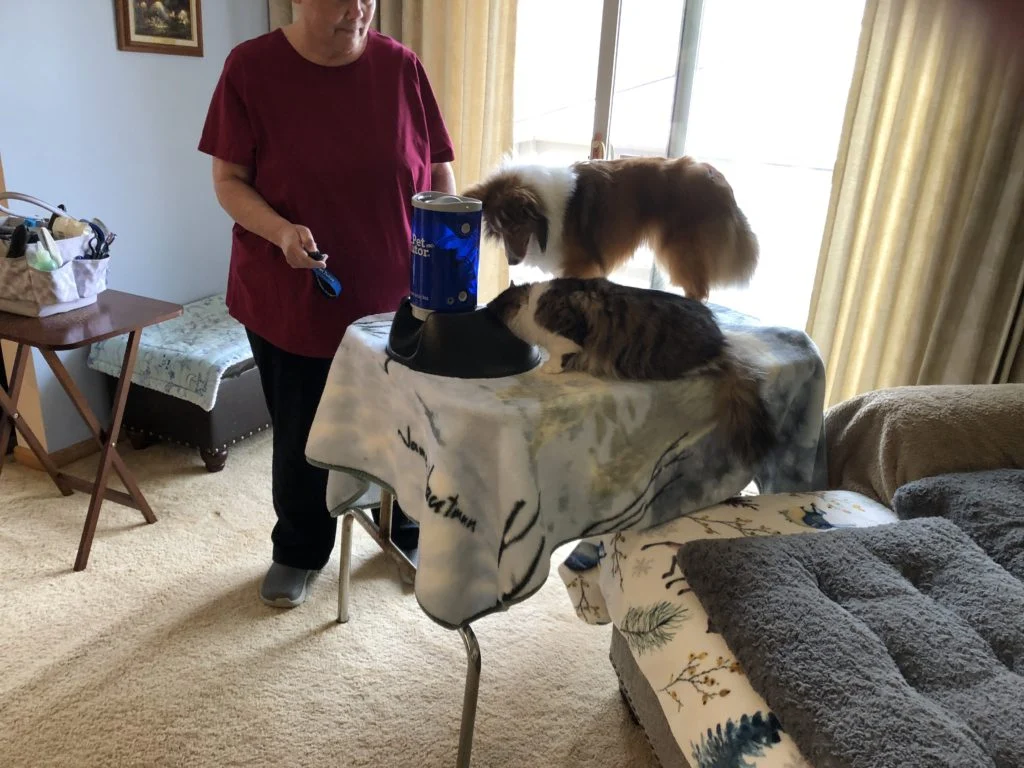
Weeks ago, the vibrant atmosphere of Clicker Expo in Arlington, Virginia, served as the backdrop for a significant reveal in the world of animal training technology: the introduction of a smaller, more portable version of the acclaimed Pet Tutor feeder by Smart Animal Training Systems. This annual gathering, a beacon for positive reinforcement trainers and enthusiasts, fosters a unique environment for professional networking, continuous learning, and the discovery of cutting-edge tools. Among the myriad innovations presented, the compact Pet Tutor quickly captured the attention of seasoned professionals like Dr. Deborah Jones, a renowned animal behaviorist, author, and trainer, who recognized its immediate practical value.
Clicker Expo: A Nexus for Progressive Animal Training
Clicker Expo, organized by Karen Pryor ClickerTraining (KPCT), stands as a preeminent international conference dedicated to the science and application of positive reinforcement training. Attracting thousands of attendees, including veterinarians, trainers, behaviorists, and pet owners, the event offers a rich curriculum of workshops, lectures, and practical demonstrations led by leading experts in the field. Its mission is to advance humane, science-based training methods, fostering a deeper understanding between humans and animals. For attendees, it’s not just a conference; it’s an opportunity for a "creative reset," as Dr. Jones describes it, a chance to absorb new perspectives, refine techniques, and explore emerging technologies that enhance animal welfare and training efficacy. The presence of vendors like Smart Animal Training Systems at such an event is crucial, allowing direct interaction between developers and end-users, facilitating immediate feedback and fostering product evolution.
Smart Animal Training Systems: Pioneering Automated Reinforcement
Smart Animal Training Systems, led by founders Wes and Amanda, has established itself as a leader in innovative pet technology, most notably with its flagship product, the Pet Tutor. The original Pet Tutor feeder revolutionized remote positive reinforcement by providing automated, timely treat delivery paired with an audible marker signal. This device enables trainers to reward desired behaviors precisely and consistently, even from a distance, freeing them from the mechanics of manual treat delivery. This precision is critical in shaping complex behaviors, addressing reactivity, or building confidence in anxious animals. The system’s ability to integrate with various training protocols and environments has made it an indispensable tool for professional trainers and dedicated pet owners alike. The company’s commitment to enhancing the human-animal bond through smart, effective training solutions underpins its product development philosophy.
The Debut of the Compact Pet Tutor: A Strategic Innovation
While maintaining identical functionality to its larger predecessor, the smaller Pet Tutor feeder represents a strategic evolution in design, directly addressing portability and space constraints. Dr. Jones’s initial reaction—"it’s cute"—underscored an immediate aesthetic appeal, but her subsequent reflections highlighted profound practical advantages. This compact version is not merely a downsized replica; it is a thoughtful adaptation for a dynamic training landscape.
The introduction of the smaller unit taps into a broader industry trend towards miniaturization and increased portability in consumer electronics, including pet tech. Data from market research firms consistently shows a growing demand for compact, travel-friendly pet accessories as more pet owners integrate their animals into various aspects of their lives, from daily errands to extended vacations. The global pet care market, valued at over $260 billion in 2022 and projected to grow significantly, increasingly segments its offerings to cater to these evolving lifestyle needs. Smart, connected pet devices, in particular, are seeing rapid adoption, with automated feeders forming a core component of this growth.
Unpacking the Practical Benefits: Convenience and Efficiency
Dr. Jones, a frequent traveler with her dogs, immediately identified several key benefits of the smaller Pet Tutor. Her experience of a "van crammed full of stuff" resonates with many pet owners and trainers who often transport extensive equipment. The ability to "tuck the smaller feeder into an empty corner" significantly enhances convenience, making it feasible to bring the device to more locations. This increased portability means trainers can maintain consistency in their methods, offering familiar positive reinforcement even in novel or challenging environments, which is crucial for building a dog’s confidence and adaptability.
Beyond travel, the compact design offers substantial advantages in various training scenarios:
- Crate Training and Space Optimization: Many trainers utilize Pet Tutors within crates to build positive associations or to manage behavior. A smaller feeder occupies less valuable crate real estate, a critical factor, especially for smaller dog breeds or when using smaller crates. This allows the dog more room to move comfortably while still benefiting from automated reinforcement.
- Reduced Waste and Streamlined Sessions: Dr. Jones noted her tendency to overfill the larger feeder, leading to regular emptying and potential food waste. The smaller capacity of the new unit naturally mitigates this, aligning with principles of efficiency and sustainability in training. This also means less preparation time for trainers, allowing them to focus more directly on the animal’s behavior rather than managing treat inventory.
- Enhanced Focus on Behavior: As Dr. Jones articulated, the core benefit of the Pet Tutor, regardless of size, is its ability to "streamline my training." By automating the marker signal (light and beep) and food delivery, trainers can dedicate their full attention to observing and responding to the animal’s subtle cues. This reduces the cognitive load on the trainer, minimizes fumbling with treats, and ensures precise timing—a cornerstone of effective positive reinforcement.
Inferred Reactions and Anticipated Availability
While no formal statement from Smart Animal Training Systems was provided in the original content, the interaction between Dr. Jones and Wes from the company offers insight. Wes’s inquiry about why Dr. Jones liked the smaller feeder so much indicates a genuine interest in user experience and product validation. Such feedback is invaluable for companies prior to a wider market launch, confirming design choices and identifying potential marketing angles. It can be logically inferred that Smart Animal Training Systems is strategically collecting user input from influential figures like Dr. Jones to fine-tune their release strategy.

The indication that the product "will be available soon" suggests that the unveiling at Clicker Expo was part of a controlled pre-launch phase, targeting early adopters and industry leaders. This allows for a soft launch, gathering testimonials and building anticipation before a full commercial rollout. The company is likely preparing for an official announcement, detailing availability, pricing, and specific features, which will be eagerly awaited by the training community.
First Impressions and Early Application: Pixel’s Introduction
Dr. Jones’s immediate application of the new feeder involved introducing it to Pixel, a small dog, demonstrating the device’s efficacy in initial conditioning. The video documenting Pixel’s first interaction highlights a meticulous approach to introducing new tools. By placing the feeder on a table, Dr. Jones ensured the setup was "as easy and non-threatening as possible." This thoughtful introduction aims to prevent any potential apprehension, emphasizing that the dog does not need to interact directly with the feeder, only "wait" for the treats to appear. This approach reinforces the foundational principle of classical conditioning: associating the sound and appearance of the feeder with positive outcomes (food), thereby building a positive emotional response before any operant conditioning (requiring specific behaviors) begins.
Further demonstrations with Pixel on a grooming table illustrate the feeder’s utility in cooperative care—a critical area of animal welfare. Here, Dr. Jones initiated conditioning for a positive emotional response to touch. The sequence of "touch, then release cookies, repeat" is a classic application of counter-conditioning and desensitization. The Pet Tutor’s automated delivery ensures that the positive reinforcement (treats) immediately follows the potentially aversive stimulus (touch), quickly establishing touch as a predictor of something good. This precise timing, often difficult to achieve manually, is vital for success in cooperative care.
The Science of Consent and Two-Way Communication in Training
A particularly insightful aspect of Dr. Jones’s training philosophy, showcased through Pixel’s session, revolves around the concept of "consent" and establishing "two-way communication" with the dog. When Pixel jumped off the grooming table after a touch to his hip, Dr. Jones interpreted this as clear feedback that her approach was "too much for him." Her response was not punitive but adaptive: she immediately made subsequent repetitions easier. This exemplifies her two core rules:
- Freedom to Leave: Dogs must always have an escape route and be free to use it.
- Feedback Mechanism: The dog’s decision to leave serves as critical feedback for the trainer, indicating necessary adjustments.
This approach aligns strongly with the progressive movement in dog training circles advocating for "consent-based" or "cooperative care" models. These models prioritize the animal’s emotional well-being and agency, moving away from methods that rely on physical compulsion or intimidation. By allowing the dog to opt out, trainers build trust and empower the animal, often leading to greater willingness to participate. Research in animal cognition and welfare increasingly supports the idea that animals who feel a sense of control over their environment experience less stress and are more receptive to learning. Paradoxically, as Dr. Jones notes, once dogs understand they have the option to leave, they "rarely take advantage of it," demonstrating the profound impact of perceived control on behavior and compliance. The Pet Tutor, by facilitating quick, non-intrusive reinforcement, is an ideal tool for implementing such ethical and effective training practices.
Broader Implications: The Rise of Cooperative Care with Deb Jones
The introduction of the smaller Pet Tutor feeder and its practical applications in sessions like Pixel’s underscore a broader trend towards specialized training resources. This is further cemented by Dr. Jones’s announcement of her new YouTube channel, "Cooperative Care with Deb Jones." This channel, dedicated to providing "short training videos to help you prepare your pet for all sorts of grooming and veterinary procedures," signifies the growing demand for accessible, expert-led guidance in this critical area.
Cooperative care, often overlooked in general training, is vital for reducing stress and anxiety during routine procedures that are necessary for an animal’s health and well-being. From nail trims to vet examinations, teaching an animal to willingly participate, rather than merely tolerate, transforms potentially traumatic experiences into manageable ones. The channel serves as a valuable public resource, democratizing access to professional techniques and reinforcing the message that proactive, positive conditioning can significantly improve an animal’s quality of life. The Pet Tutor, with its hands-free operation and precise reinforcement, is an invaluable asset in these types of training scenarios, allowing trainers to maintain physical contact or execute procedures while simultaneously rewarding the animal.
Future Outlook and Industry Impact
The compact Pet Tutor feeder is more than just a new gadget; it represents a significant step forward in making advanced, positive reinforcement tools more accessible and adaptable for a wider range of users and scenarios. Its smaller footprint and enhanced portability are likely to appeal to urban pet owners, frequent travelers, and trainers with limited space, expanding the market reach of automated reinforcement technology.
As the pet industry continues its trajectory of innovation, driven by a growing understanding of animal behavior and increasing demand for humane training methods, tools like the Pet Tutor will play an increasingly central role. They empower pet owners to engage in sophisticated training techniques, foster stronger bonds with their animals, and proactively manage their pets’ emotional and physical health through cooperative care. Smart Animal Training Systems, by listening to the needs of the professional community and responding with thoughtful product enhancements, continues to solidify its position at the forefront of this evolving landscape, promising a future where effective, ethical animal training is more achievable for everyone.

