


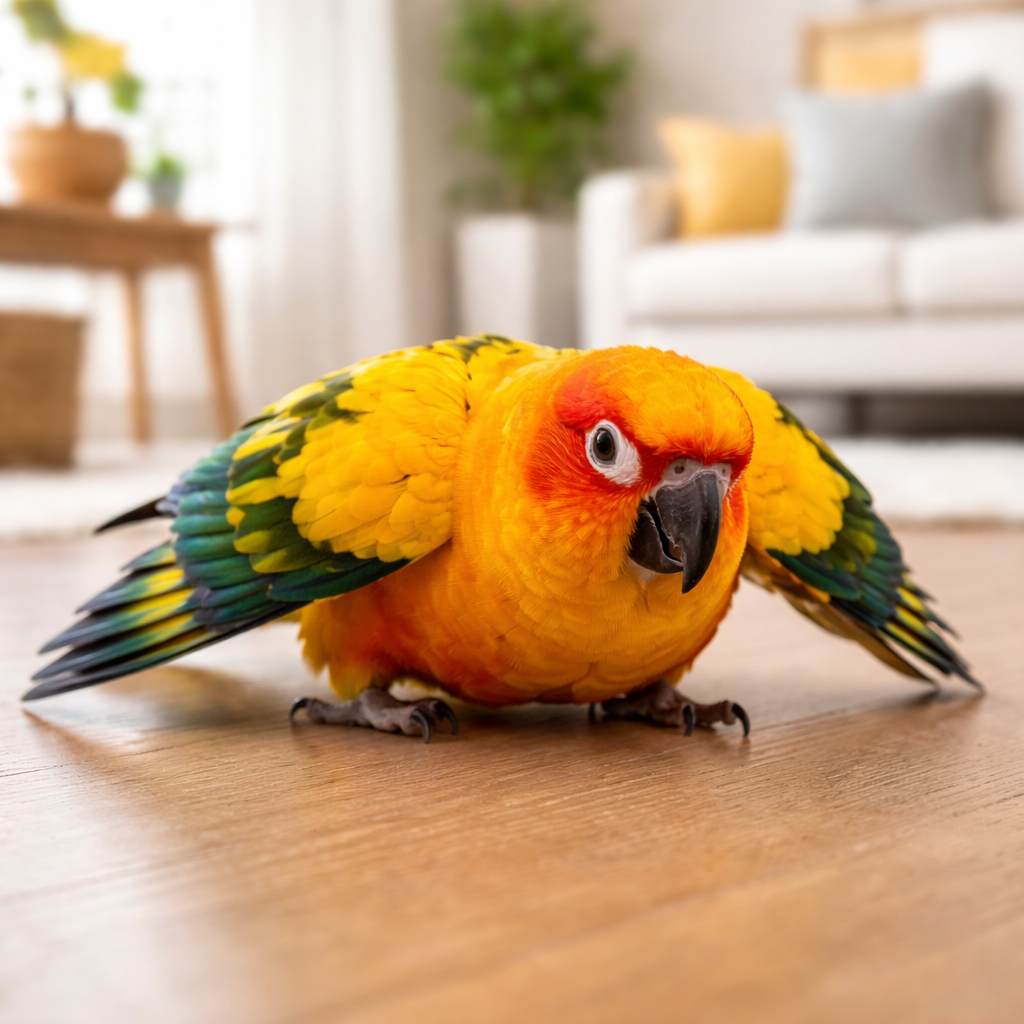
The soft cooing, insistent wing flapping, and increased vocalizations observed in many pet parrots are often classic indicators of hormonal behavior, a natural biological response rather than a mere quirk or a sign of an unwell bird in the initial stages. For an adult Sun Conure, for instance, at eight years old, such displays are not a fleeting phase but a deeply ingrained biological drive that requires informed direction and management. This pervasive phenomenon, widely recognized by avian experts, underscores the critical need for pet owners to understand its nuances to prevent escalation into fixation, frustration, and significant long-term health and behavioral issues.
Understanding Avian Hormonal Cycles: The Biological Imperative
Hormonal activity in parrots is fundamentally tied to their reproductive cycles, which in the wild are meticulously synchronized with environmental cues such as photoperiod (daylight length), temperature, rainfall, and food availability. In a domestic setting, these natural cues are often disrupted, leading to prolonged or atypical hormonal states. For instance, artificial lighting, abundant food year-round, and the presence of perceived "mates" (which can include human caregivers, toys, or even reflections) can inadvertently signal to a bird’s body that it is perpetually breeding season.
Smaller parrot species, such as cockatiels, budgies, and conures, often appear more dramatically hormonal for a significant portion of the year. This is not an owner’s imagination but a biological reality. Species lower on the food chain typically mature more quickly and reproduce with greater frequency in the wild to ensure species survival. Consequently, their bodies maintain a closer proximity to a breeding-ready state compared to larger, longer-lived parrots like macaws or cockatoos, which may not reach sexual maturity until seven or eight years of age. This physiological difference means that owners of smaller parrots may need to be particularly vigilant in managing hormonal triggers.
Recognizing the Signs: Normal vs. Problematic Displays
Occasional displays of courtship or nesting behaviors during certain seasons are entirely expected in sexually mature parrots. These might include regurgitating food for a perceived mate, seeking out dark, enclosed spaces, increased vocalizations, territoriality around a cage or a favored person, or even subtle changes in posture and feather puffing.
However, these normal expressions can cross a "risk threshold" and become problematic when they are chronic, intense, or interfere with the bird’s overall well-being. When a bird remains hormonally "switched on" for extended periods, it takes a significant toll. Females may begin to lay eggs repeatedly, which can lead to severe health complications such as egg-binding, cloacal prolapse, calcium depletion, and chronic inflammation of the reproductive tract. Males, stuck in a state of constant sexual frustration, often exhibit heightened aggression, excessive screaming, feather plucking, and destructive behaviors. In both sexes, this sustained physiological and psychological stress prevents the bird’s body and nervous system from fully settling, manifesting as irritability, fixation, and a noticeable decline in overall health and temperament.
Leading avian veterinarians, including Dr. Rob Marshall and Tailai O’Brien, whose clinical findings in 2026 underscored the widespread issue, identify reproductive hyperactivity as a primary cause of numerous health complaints in pet birds. Their research highlights that many seemingly unrelated health problems, from respiratory issues to digestive disturbances, can have their roots in chronic hormonal stress. This emphasizes that "acting out" is rarely just a mood; it is often a critical data point signaling underlying physiological distress.
Proactive Management Strategies for Avian Well-being
Effective management of hormonal behavior centers on understanding and manipulating the environmental cues that trigger it, coupled with positive reinforcement of desired behaviors. The goal is not to "shut down" a bird’s natural instincts but to redirect that powerful energy into safe, appropriate, and healthy outlets.
-
Environmental Enrichment and "Natural Jobs": Birds possess innate drives for foraging, chewing, and problem-solving. Providing these outlets can significantly channel hormonal energy.
- Foraging Toys: Instead of easily accessible food bowls, utilize foraging toys that require mental and physical effort to retrieve food. This mimics the wild behavior of spending hours searching for sustenance.
- Shreddable and Chew Toys: Offer a constant supply of safe, destructible toys made from natural materials like untreated wood, paper, or cardboard. This satisfies the urge to chew and "nest-build" without encouraging inappropriate nesting sites.
- Puzzle Feeders: Introduce feeders that require manipulation and problem-solving, engaging the bird’s intellect and diverting focus from hormonal urges.
-
Dietary Adjustments: A diet high in fat and protein can inadvertently signal abundance and readiness for breeding. Reviewing and adjusting the diet with an avian veterinarian is crucial.
- Balanced Diet: Transition to a high-quality pelleted diet as the primary food source, supplemented with a wide variety of fresh vegetables, some fruits, and occasional healthy grains.
- Limit High-Fat Seeds: Reduce the quantity of sunflower seeds and other high-fat seeds, which are often mistakenly offered as primary food sources.
-
Optimizing Light Cycles: Mimicking natural light cycles is one of the most effective ways to regulate hormones.
- Consistent Sleep Schedule: Ensure the bird receives 10-12 hours of uninterrupted, dark, and quiet sleep every night. Cover the cage completely to block out light and minimize disturbances.
- Natural Light Exposure: Provide access to natural daylight (without direct, unfiltered sunlight through a window, which can overheat a bird) or full-spectrum avian lighting during waking hours.
-
Managing Physical Interaction: Human-bird interaction can easily be misconstrued as courtship.
- Avoid Petting Sensitive Areas: Restrict petting to the head and neck. Avoid stroking the back, under the wings, or around the vent, as these areas are erogenous zones for birds and can intensify hormonal responses.
- Focus on Positive Reinforcement for Independent Play: Reward your bird when it engages independently with toys, forages, or exhibits calm, non-hormonal behaviors. This teaches the bird that calm, self-sufficient activities lead to positive outcomes.
-
Start Where Your Bird Can Succeed: For birds that become overstimulated outside the cage, begin these redirective activities inside the cage first. Once a calmer demeanor is established in this familiar environment, gradually introduce these activities on a play stand or training perch in other areas.
Common Pitfalls and Misconceptions to Avoid
Many owners, often with the best intentions, inadvertently exacerbate hormonal behavior. Understanding and avoiding these common mistakes is paramount:
- Reinforcing Hormonal Displays with Attention: Any attention, even negative (like scolding or yelling), can be perceived as a reward by a bird seeking interaction. If a bird’s hormonal vocalizations or displays reliably elicit a reaction, its brain labels that behavior as successful.
- Providing Perceived Nesting Sites: Allowing access to dark, enclosed spaces such as cardboard boxes, under furniture, or even deep corners of the cage can trigger nesting instincts. Remove these potential sites.
- Mirrors and Perceived Mates: Mirrors, reflective surfaces, or even specific toys can become "mates" to a bird, leading to obsessive behaviors, regurgitation, and aggression. Remove these items.
- Assuming Hormonal Energy Burns Out: Hormonal energy is a powerful biological drive; it does not simply dissipate on its own. If not redirected, it tends to escalate, manifesting in louder, more persistent, and potentially destructive ways. This can trap birds in a cycle of constant agitation, frustration, and inability to settle, which is exhausting for them and challenging for owners.
- Misinterpreting Affection: What an owner perceives as cuddly affection (e.g., petting a bird’s back) can be interpreted as sexual solicitation by the bird, further fueling hormonal responses.
This is where positive reinforcement becomes incredibly powerful. Owners are not merely "training tricks"; they are teaching their bird which behaviors promote self-regulation and lead to a calmer physiological state. Every instance of rewarding quiet play, foraging, chewing on appropriate toys, or relaxed preening helps the bird’s nervous system learn a new, healthier default. The trick lies in the immediacy of the reward: treats should immediately follow calm, desired behavior to ensure the bird clearly associates the action with the positive outcome. Keeping preferred treats readily accessible facilitates this clear, consistent learning.
When to Seek Professional Veterinary Consultation
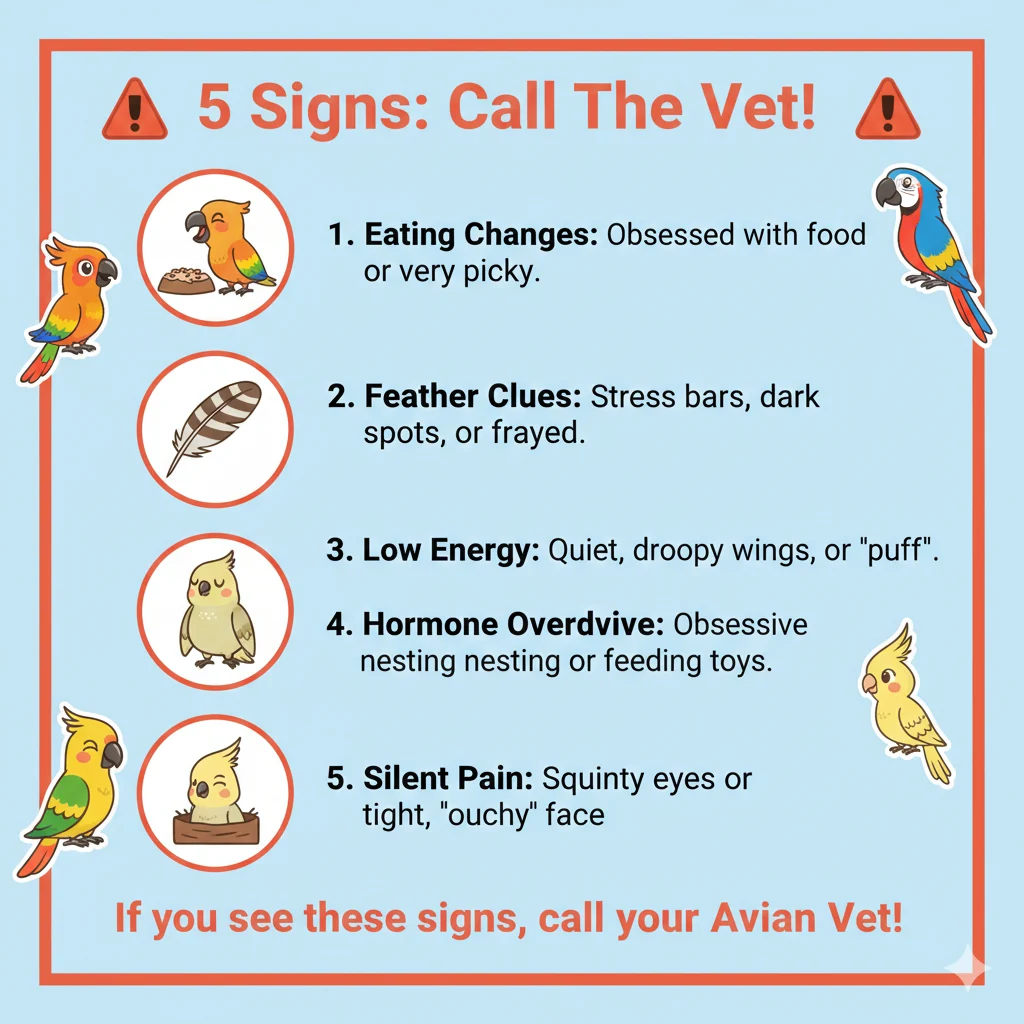
While many hormonal behaviors can be managed at home, there are clear indicators when professional veterinary intervention becomes necessary. The "acting out" is not just a mood but a critical data point, especially given the insights from recent clinical findings. Use the following 5-point protocol to determine if your bird’s behavior has crossed the "Risk Threshold" from "normal parrot antics" to a medical priority:
- Chronic Egg Laying or Egg-Binding: Any female bird laying more than one clutch (typically 2-6 eggs, species-dependent) per year, or exhibiting signs of difficulty passing an egg (straining, lethargy, fluffed feathers, abdominal swelling) requires immediate veterinary attention. Egg-binding is a life-threatening emergency.
- Aggression or Biting that Poses a Risk: If hormonal aggression escalates to the point where the bird is consistently biting, drawing blood, or becoming dangerous to handle, professional guidance is crucial for both the bird’s and the owner’s safety.
- Feather Plucking or Self-Mutilation: While not exclusively hormonal, feather plucking, skin picking, or self-mutilation can be severe manifestations of chronic stress and frustration often linked to hormonal imbalances. This requires a thorough veterinary workup to rule out medical causes and implement behavioral interventions.
- Significant Weight Loss or Lethargy: Hormonal stress, especially in egg-laying females, can lead to significant nutritional deficiencies and energy depletion. Any noticeable change in appetite, weight, or energy levels warrants a vet visit.
- Persistent Regurgitation or Cloacal Prolapse: While occasional regurgitation for a perceived mate is hormonal, persistent regurgitation leading to weight loss or soiling, or the protrusion of tissue from the cloaca (cloacal prolapse), are serious medical emergencies requiring immediate veterinary care.
Avian veterinarians are uniquely equipped to differentiate between behavioral issues and underlying medical conditions. They can perform diagnostic tests, prescribe hormone-modulating medications if necessary, and offer tailored advice on environmental adjustments and behavioral modification techniques. Early intervention can prevent minor issues from escalating into severe, life-threatening conditions.
Broader Impact and Implications
The implications of unmanaged hormonal behavior extend beyond the individual bird’s health. It can severely strain the human-animal bond, leading to frustration, resentment, and, in unfortunate cases, rehoming or neglect. The financial burden of treating chronic health issues stemming from reproductive hyperactivity can also be substantial. By proactively understanding and addressing these natural drives, owners not only safeguard their bird’s physical and mental health but also foster a more harmonious and enriching companionship. It is an ethical responsibility inherent in pet bird ownership to provide an environment that supports their natural behaviors in a healthy, controlled manner.
The Bottom Line: Your bird isn’t being "bad"; their body is in a state of stress that they cannot control. Chronic hormonal behavior rarely resolves on its own and often leads to deeper health issues. By consistently rewarding calm, independent behavior and removing the triggers that "feed" the hormonal display, you help your bird settle into a lifestyle that is healthier for their body and much more livable for you. This proactive approach, grounded in scientific understanding and compassionate care, is the cornerstone of responsible avian guardianship.
References:
Burroughs, D. (2026, February 4). Is my bird being hormonal or just acting weird? BirdSupplies.com. https://birdsupplies.com/is-my-bird-being-hormonal-or-just-acting-weird/
Marshall, R., & O’Brien, T. (2026). Male hyper-sexual behavior and female ovarian hyperactivity [Video]. YouTube. https://www.youtube.com/watch?v=14xD_OUrZNA

