


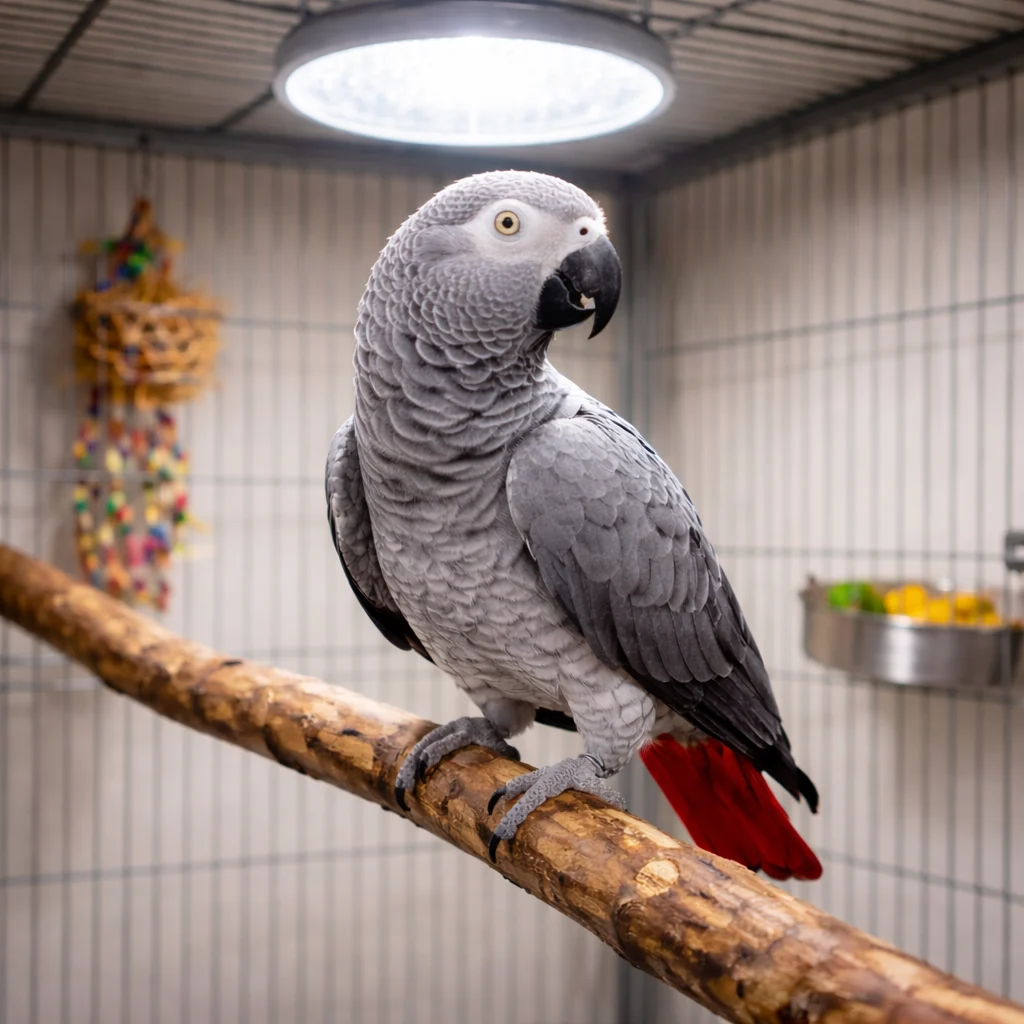
February 21, 2026 – As winter’s shorter days persist, a silent health crisis is affecting countless pet birds housed indoors: a significant risk of calcium depletion directly linked to insufficient natural light exposure. Expert Diane Burroughs, LCSW, a licensed psychotherapist and avian wellness educator, highlights that this issue, often mistaken for seasonal lethargy or minor behavioral shifts, is a serious physiological problem demanding immediate attention from bird owners. Without adequate exposure to ultraviolet B (UVB) light, a bird’s body struggles to synthesize Vitamin D3, a critical hormone essential for calcium absorption, leading to a cascade of debilitating health problems.
This guide serves as a crucial resource for bird owners, particularly those whose avian companions have spent most of the winter shielded from direct sunlight or proper artificial UVB lighting. Key indicators such as a weaker perch grip, unusual feather dullness, increased shredding, reduced activity, or heightened irritability are not mere seasonal quirks but potential red flags for a developing calcium deficiency. Conversely, birds maintained with consistent full-spectrum lighting and a verified balanced diet, showing no such changes in strength, behavior, or feather quality, are likely experiencing normal seasonal adjustments rather than a corrective health issue.
The Physiological Impact of Winter Light Loss
The notion that a bird’s strength or overall health should decline in winter is a dangerous misconception. A healthy indoor bird is expected to maintain its strength, coordination, vibrant feather quality, and normal behavioral patterns throughout the year. Any noticeable deviation from these baselines during the colder, darker months should be treated as a genuine medical concern, not merely a transient seasonal inconvenience.
The fundamental issue lies in the bird’s inability to produce Vitamin D3 without access to specific wavelengths of UVB light. In their natural habitats, birds synthesize Vitamin D3 through direct exposure to sunlight, which then enables the absorption of dietary calcium. When this natural process is disrupted by indoor living – where window glass filters out crucial UVB rays and artificial lighting rarely replicates the full spectrum of natural light – the intricate metabolic pathway governing calcium utilization breaks down.
Quick Diagnostic: Unmasking a Potential Winter Calcium Problem
Identifying calcium depletion early is paramount. Avian veterinarians and wellness experts emphasize vigilance for a range of symptoms:
- Neuromuscular Weakness: If a bird is observed sliding on perches, gripping less firmly, or experiencing subtle tremors, it may indicate early calcium depletion affecting neuromuscular strength. This warrants an immediate evaluation of UVB exposure and dietary Vitamin D3 intake. The central nervous system, muscle contractions, and nerve impulses all rely heavily on calcium.
- Behavioral Changes: Increased irritability, reactivity, aggression, or excessive shredding can signal magnesium and calcium imbalances that heighten nervous system excitability. Such behavioral shifts are often overlooked but can be early indicators of underlying mineral deficiencies.
- Compromised Feather Health: Dull feathers, the appearance of stress bars (horizontal lines across feather shafts), or a prolonged, difficult molt can be direct consequences of low Vitamin D3 levels. Reduced D3 impairs calcium utilization, directly impacting the integrity of feather follicles and the overall quality of new feather growth.
- Reduced Activity and Coordination: A noticeable decrease in overall activity, shorter flights, or an unsteady gait can point to muscular weakness stemming from inadequate calcium. Birds may become more reluctant to engage in play or explore their environment.
- Reproductive Issues: For breeding birds, calcium deficiency is particularly perilous, leading to soft-shelled eggs, egg-binding, and reproductive failure. The demands of egg production place immense stress on a female bird’s calcium reserves.
Beyond Pellets: The D3-Calcium Connection
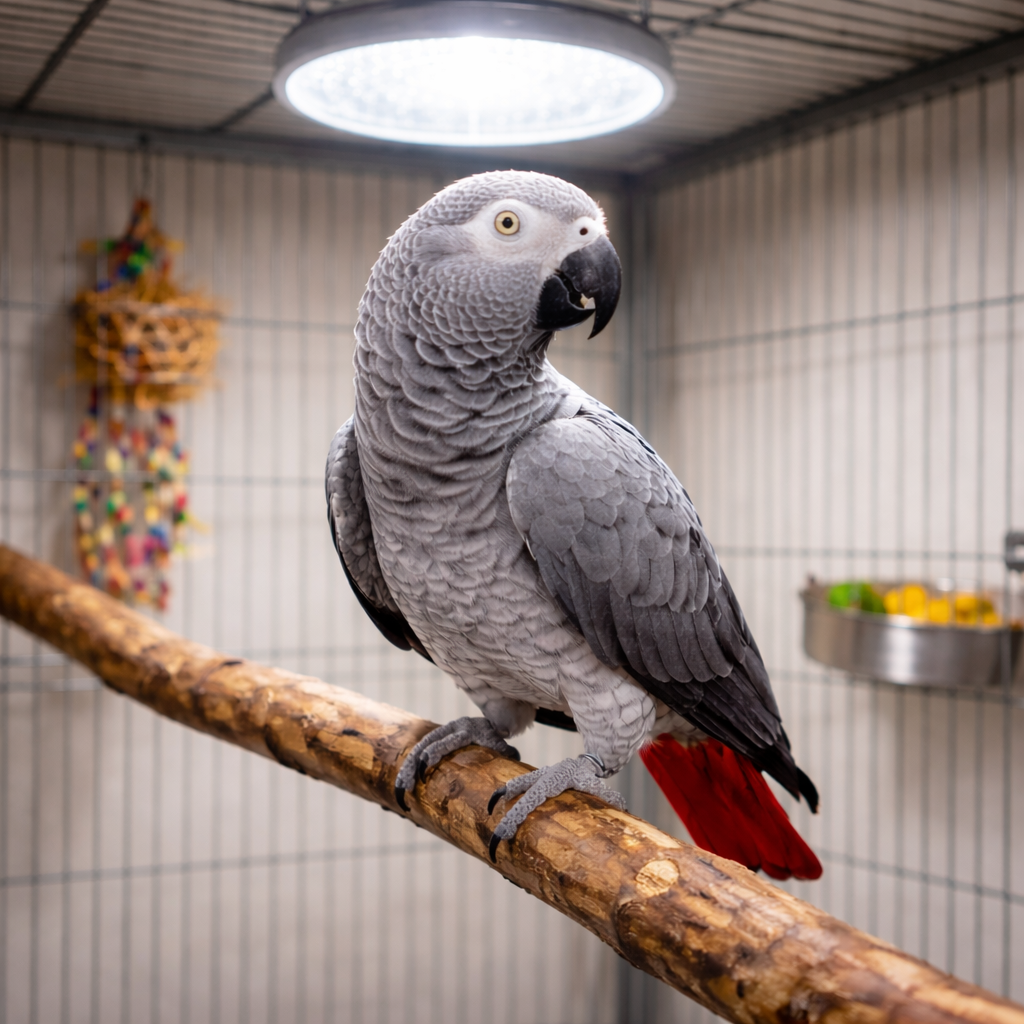
A common misconception among bird owners is that providing a diet rich in pellets and vegetables, or even a cuttlebone, is sufficient to prevent calcium deficiencies. While a balanced diet is indispensable, it alone cannot resolve the problem if the bird lacks the mechanism to absorb calcium effectively.
What’s Really Happening: Calcium, regardless of how plentiful it is in the diet, remains largely unusable without Vitamin D3. When a bird is deprived of UVB light, its body cannot produce this vital hormone. Consequently, the calcium consumed simply passes through the digestive system without being absorbed into the bloodstream or deposited into bones and other tissues. This means that merely increasing calcium intake through more pellets, a cuttlebone, or basic calcium supplements will not rectify the underlying issue if Vitamin D3 is missing. The bird requires usable calcium, not just an abundance of it in its dish.
What This Means for Owners: Owners must understand that winter’s challenge is primarily a light problem. Addressing the lack of appropriate light exposure or supplementing Vitamin D3 is the fundamental step to ensure the bird’s bones remain strong and its physiological systems stable.
Visual Cues: Winter Stable vs. Winter Depleted
Observing subtle changes in a bird’s posture, feather quality, and demeanor can provide critical early clues. While a single photograph cannot provide a definitive diagnosis of calcium deficiency, these visual comparisons offer valuable guidance for owners to prompt further investigation and, if necessary, a veterinary consultation.
- Healthy / Winter Stable Bird: Typically exhibits an alert posture, bright and clear eyes, smooth and vibrant feathers, and stands upright with a firm, stable grip on perches or a hand. Its movements are fluid and coordinated, reflecting robust neuromuscular function.
- Calcium Depleted Bird: May show a slouched or hunched posture, dull or disheveled feathers, a slight squint or less bright eyes, and a noticeably less stable stance. Its grip might be weak, and it may appear lethargic or less responsive. These signs collectively point towards potential underlying health issues related to mineral imbalances.
The Science of Vitamin D3 and Avian Physiology
Birds synthesize Vitamin D3 (cholecalciferol) through a unique process. Precursors to Vitamin D are present in the oil secreted by the uropygial (preen) gland and spread over the feathers during preening. When exposed to UVB radiation, these precursors are converted into pre-Vitamin D3 on the feathers and skin. The bird then ingests these converted compounds during subsequent preening, or they are absorbed directly through the skin. This biologically active Vitamin D3 is then metabolized in the liver and kidneys into its active form, calcitriol, which regulates calcium and phosphorus metabolism.
Calcitriol’s functions are manifold: it stimulates calcium absorption from the gut, promotes calcium reabsorption in the kidneys, and facilitates the mineralization of bones. It also plays roles in immune system modulation, cell growth, and nervous system function. Without adequate calcitriol, the body cannot absorb enough calcium, leading to a compensatory mechanism where the bird begins to leach calcium from its own bones to maintain critical functions like heartbeat and muscle contraction. This silent depletion can occur for weeks or even months before overt symptoms manifest, making early intervention crucial.
The 3-Step Winter Bone Reset: A Proactive Approach

Addressing a suspected or confirmed calcium deficiency requires a structured, multi-pronged approach focused on restoring the critical D3-calcium balance.
- Optimize UVB Light Exposure: This is the foundational step. Install a proper avian-specific UVB lamp (e.g., full-spectrum fluorescent tube or mercury vapor bulb) that emits wavelengths between 290-320 nm. Ensure the bulb is positioned at an appropriate distance from the bird’s primary perch (typically 12-18 inches, depending on bulb wattage and manufacturer recommendations) and without any glass or plastic barrier, which blocks UVB rays. These bulbs should be on for 10-12 hours daily, mimicking natural daylight cycles, and replaced every 6-12 months as their UVB output diminishes over time, even if they still appear to be working.
- Review and Enhance Dietary Support: While light is primary, dietary adjustments are also vital. Ensure the bird’s diet consists of 80% high-quality formulated pellets, supplemented with a variety of fresh, calcium-rich vegetables (e.g., dark leafy greens like kale, spinach, collard greens), sprouted seeds, and some fruits. Consider offering a bioavailable calcium supplement formulated for birds, but only under veterinary guidance, especially if Vitamin D3 supplementation is also being considered. Magnesium is also crucial for calcium metabolism, so ensure a balanced mineral intake.
- Prompt Veterinary Consultation: Even with immediate home interventions, a veterinary visit is essential. An avian veterinarian can conduct a thorough examination, including blood tests to assess ionized calcium, total calcium, phosphorus, and Vitamin D3 levels. They can also rule out other underlying health conditions and recommend appropriate medical interventions, such as injectable calcium or specific Vitamin D3 formulations, particularly in cases of severe depletion.
When to Call the Vet: Recognizing Red Flags
Birds possess an extraordinary ability to mask illness, a survival instinct in the wild. This means that by the time overt symptoms of calcium deficiency appear, the condition may already be dangerously advanced. As expert Diane Burroughs notes, "Birds will pull calcium out of their own bones to keep the heart and muscles functioning. This compensation can continue silently for weeks or months. By the time you see falling, tremors, or seizure-like episodes, bone strength may already be dangerously depleted."
Quick Decision Guide for Owners:
- Mild Symptoms (Weak grip, dull feathers, irritability): Initiate the 3-Step Winter Bone Reset immediately and schedule a non-urgent veterinary appointment for a comprehensive check-up.
- Moderate Symptoms (Occasional falling, unsteady gait, noticeable lethargy): Implement the Winter Bone Reset and seek veterinary attention within 24-48 hours.
- Severe Symptoms (Tremors, seizures, paralysis, inability to perch, chronic egg-binding): This constitutes a medical emergency. Seek immediate veterinary care. These signs indicate critically low calcium levels that threaten the bird’s life and require urgent medical intervention.
Specific Red Flags Requiring Immediate Attention:
- Neurological Distress: Any sign of tremors, twitching, seizures, or partial paralysis (e.g., inability to move a leg or wing) demands emergency veterinary care. These are indicators of severe hypocalcemia affecting the nervous system.
- Motor Impairment: Repeated falling from perches, inability to perch stably, or significant ataxia (loss of coordination) suggests profound muscle weakness and skeletal compromise.
- Reproductive Emergencies: For female birds, signs of egg-binding (straining, lethargy, distended abdomen) or producing soft-shelled eggs require urgent veterinary intervention, as these are often calcium-related and life-threatening.
- Profound Lethargy or Collapse: A bird that is extremely quiet, unresponsive, or has collapsed needs immediate medical attention.
Broader Implications and Responsible Avian Care
The prevalence of winter-induced calcium deficiency in indoor birds underscores a critical aspect of responsible pet ownership: understanding and replicating the specific environmental needs of exotic animals. Many bird owners, often unknowingly, fail to provide the full spectrum lighting that is as vital as food and water. This oversight contributes to a range of chronic health issues, reducing the quality of life and lifespan of their beloved companions.
Avian veterinarians often report that calcium and Vitamin D3 deficiencies are among the most common nutritional disorders seen in pet birds. This widespread issue highlights a significant educational gap that needs to be addressed through broader awareness campaigns and readily accessible information for bird enthusiasts. The economic implications for owners can also be substantial, with repeated veterinary visits, diagnostic tests, and treatment for advanced stages of the disease incurring significant costs that could largely be prevented through proactive measures.
Ultimately, providing appropriate UVB lighting and a balanced, D3-supported diet is not just about correcting a problem; it’s about fostering a thriving, healthy life for indoor birds. By understanding the intricate connection between light, Vitamin D3, and calcium, owners can empower their birds to live vibrant, strong lives, free from the silent threat of winter depletion. This preventative approach is the cornerstone of modern, compassionate avian care, ensuring that our feathered companions receive the essential elements they need to flourish year-round.

